Endoscopic Sleeve Gastroplasty: Minimally Invasive Weight Loss
Discover ESG: A minimally invasive weight loss procedure reducing stomach size without surgery.
Understanding Endoscopic Sleeve Gastroplasty
Endoscopic sleeve gastroplasty (ESG), commonly known as the accordion procedure, represents a significant advancement in weight loss treatment options. This minimally invasive procedure offers patients an alternative to traditional weight loss surgeries by reducing stomach size without requiring external incisions or permanent surgical modifications. ESG has emerged as an increasingly popular choice for individuals seeking effective weight management solutions with reduced surgical risks and faster recovery times compared to conventional bariatric procedures.
What Is Endoscopic Sleeve Gastroplasty?
Endoscopic sleeve gastroplasty is a minimally invasive weight loss procedure designed to reduce the volume of the stomach using advanced endoscopic technology. Unlike traditional gastric sleeve surgery, which involves surgically removing a portion of the stomach, ESG reshapes the stomach internally using specialized suturing techniques. The procedure transforms the stomach from its natural bean-like shape into a narrow, tubular sleeve-like structure, significantly limiting the amount of food you can consume at one time.
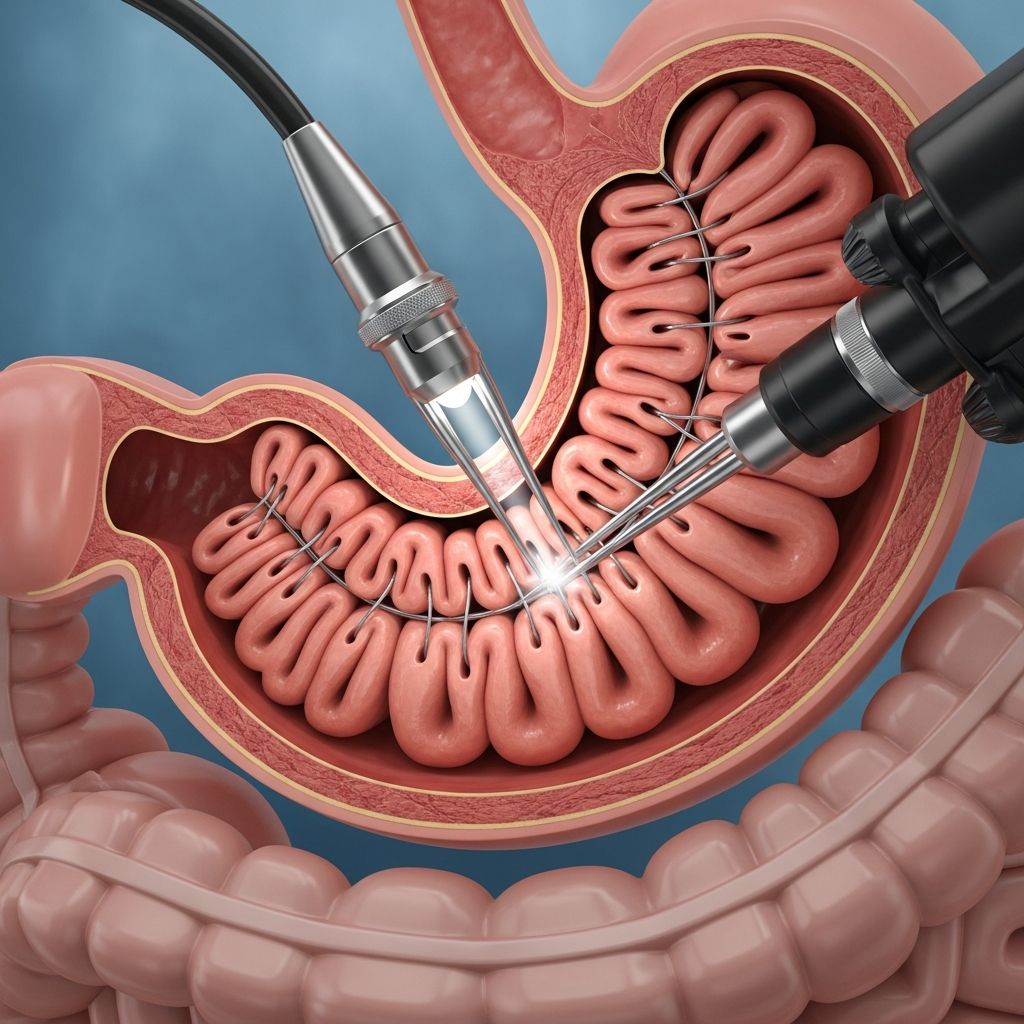
The term “accordion procedure” derives from the technique used during the operation, where the stomach walls are brought together accordion-style to create multiple folds that reduce the organ’s overall capacity. This innovative approach preserves the stomach’s structure and function while achieving substantial weight loss results.
How Endoscopic Sleeve Gastroplasty Works
Understanding the mechanism behind ESG helps patients appreciate why this procedure has become an attractive option for weight management. The procedure operates on a restrictive principle, meaning it limits food intake capacity rather than altering digestive absorption.
The Procedural Process
During an endoscopic sleeve gastroplasty procedure, a specially trained gastroenterologist or endoscopic surgeon performs the operation while you remain under general anesthesia. The surgeon begins by inserting a flexible endoscope—a thin tube equipped with a high-definition camera and specialized suturing device—through your mouth and down your esophagus into your stomach.
Once the endoscope reaches your stomach, the surgeon releases gas to gently expand the organ, providing optimal visualization of the interior surfaces. The tiny camera projects detailed images onto a monitor, allowing the surgeon to precisely guide the suturing device. Using advanced endoscopic visualization, the surgeon places approximately 8 to 12 permanent sutures in specific patterns throughout the stomach, creating accordion-like folds between the front and back walls of the organ.
These sutures bring the stomach walls together in a way that reduces the organ’s volume by approximately 70%, transforming it into a narrow, tubular structure. The new sleeve-shaped stomach remains completely open for food passage but substantially limits the volume it can hold at any given time. The entire procedure typically takes between 60 to 150 minutes to complete.
Why the Accordion Effect Matters
The accordion-style folding pattern used in ESG serves multiple purposes. First, it creates a narrower pathway through the stomach, which means food moves more slowly through the digestive tract. This delayed gastric emptying promotes earlier satiety—the feeling of fullness—allowing patients to feel satisfied with smaller meal portions. Second, the reduced stomach volume physically cannot accommodate large quantities of food, making overeating physically impossible. Together, these mechanisms work to naturally decrease caloric intake without requiring conscious dietary restriction.
Related Stories



Key Differences from Traditional Gastric Sleeve Surgery
While both ESG and traditional surgical gastric sleeve aim to reduce stomach volume, important distinctions separate these two approaches. Traditional gastric sleeve surgery involves making abdominal incisions and surgically removing approximately 80% of the stomach tissue permanently. In contrast, ESG achieves similar volume reduction through internal suturing without removing any stomach tissue and without external incisions.
The organ-preserving nature of ESG represents a major advantage. Because the stomach structure remains intact, the procedure can theoretically be reversed if necessary, and the stomach maintains its normal physiological function. Traditional surgery, being permanent, offers no such reversibility option.
Benefits of Endoscopic Sleeve Gastroplasty
ESG offers numerous advantages that make it an attractive option for appropriate candidates:
Minimally Invasive Approach
The most obvious benefit of ESG is its minimally invasive nature. Because the procedure requires no abdominal incisions or removal of tissue, patients experience significantly fewer complications related to surgical trauma, bleeding, or infection compared to traditional weight loss surgeries.
Reduced Complication Risk
The risk of serious complications from endoscopic sleeve gastroplasty is substantially lower than with traditional bariatric surgery. Traditional surgeries carry risks of bleeding at staple lines, anastomotic leaks, and other complications associated with major abdominal surgery. ESG eliminates these risks by avoiding incisions and permanent alterations to stomach anatomy.
Faster Recovery Time
One of the most significant practical advantages is the dramatically reduced recovery period. While traditional gastric sleeve surgery typically requires 6 to 8 weeks of recovery before returning to normal activities, most ESG patients can return to work and regular activities within just a few days to one week. This quick recovery allows patients to resume their normal lives with minimal disruption.
Preservation of Stomach Structure
Unlike irreversible surgical procedures, ESG preserves the stomach’s anatomical structure and function. The sutures used are permanent and will not dissolve on their own, but they can be removed if necessary to reverse the procedure, providing a safety margin that traditional surgery cannot offer.
Effective Weight Loss
Studies demonstrate that ESG produces meaningful weight loss results. The 70% reduction in stomach volume leads to decreased caloric intake and subsequent weight loss comparable to some traditional surgical approaches, particularly in the first 12 to 24 months following the procedure.
Who Is a Candidate for ESG?
Endoscopic sleeve gastroplasty is available to both children and adults diagnosed with obesity. For adults, this typically means having a body mass index (BMI) of 30 or higher. ESG may be particularly suitable for patients who:
- Have a BMI between 30 and 40
- Have previously failed non-surgical weight loss attempts
- Prefer a minimally invasive option with fewer risks
- Desire a potentially reversible procedure
- Have medical conditions that make traditional surgery high-risk
- Are interested in weight loss but want to avoid extensive recovery periods
During the consultation process, your healthcare provider will evaluate your health history, current medications, diet, lifestyle factors, and weight loss goals to determine whether ESG is appropriate for your specific situation.
What to Expect During the Procedure
Preparation Phase
Before your scheduled ESG procedure, you’ll receive comprehensive pre-operative counseling about the risks, benefits, and lifestyle changes required for success. You’ll be instructed to fast for a specific period before the procedure and may need to complete certain pre-operative tests. On the day of your procedure, medical staff will establish an intravenous line, typically after you’ve been administered general anesthesia.
During the Operation
Once you’re asleep under general anesthesia, your vital signs—including blood pressure, heart rate, and blood oxygen levels—will be continuously monitored throughout the procedure. The endoscope is carefully passed through your mouth and down your esophagus into your stomach. Your surgical team will expand your stomach with gas and position the endoscope to visualize the stomach walls clearly on the monitor.
The suturing device attached to the endoscope places sutures in a specific running pattern, typically creating 8 to 12 stitches that bring opposing stomach walls together. This process gradually transforms your stomach into its new sleeve-like shape. The procedure takes approximately 1 to 2.5 hours from start to finish.
Post-Procedure
After the procedure is completed, you’ll be monitored in the recovery area as the anesthesia wears off. Most patients go home the same day, though some may require overnight observation depending on individual circumstances. You’ll receive detailed post-operative instructions regarding diet, activity levels, and medications.
Recovery and Lifestyle Adjustments
The recovery period following ESG is notably brief compared to traditional surgery. Most patients experience minimal discomfort and can return to light activities within a few days. However, successful long-term results require significant lifestyle commitment:
Dietary Modifications
Following ESG, your stomach’s reduced capacity requires you to eat much smaller portions than before. Your medical team will provide detailed nutritional guidance, typically recommending small, frequent meals throughout the day rather than traditional three meals. Initially, you may be restricted to soft, easily digestible foods before gradually progressing to normal foods.
Nutritional Supplementation
Because your reduced food intake may limit nutrient consumption, you’ll likely need to take vitamin and mineral supplements indefinitely, including B12, iron, calcium, and multivitamins, to prevent nutritional deficiencies.
Physical Activity
Regular exercise becomes essential for maximizing weight loss and maintaining overall health. Your healthcare provider will recommend appropriate exercise progressions as you recover.
Frequently Asked Questions
Q: Is endoscopic sleeve gastroplasty permanent?
A: While the sutures used in ESG are permanent and will not dissolve on their own, the procedure can theoretically be reversed if necessary by removing the sutures. This distinguishes it from traditional gastric sleeve surgery, which is irreversible.
Q: How much weight can I expect to lose?
A: Weight loss varies by individual but typically results in loss of 25-35% of excess body weight within the first 12 to 18 months. Success depends significantly on adherence to dietary and lifestyle modifications.
Q: What are the main risks of ESG?
A: Serious complications are rare, but potential risks include infection, bleeding, suture migration, and abdominal pain. The complication rate is substantially lower than with traditional bariatric surgery.
Q: Can I get pregnant after having ESG?
A: Yes, pregnancy is possible after ESG. However, you should discuss pregnancy plans with your healthcare provider, as nutritional needs during pregnancy require special consideration.
Q: How long do the results of ESG last?
A: Long-term success depends on maintaining lifestyle changes. Some weight regain may occur over time if dietary and exercise habits revert to pre-procedure patterns, but studies show sustained weight loss in compliant patients.
Q: Will I need follow-up appointments after ESG?
A: Yes, regular follow-up appointments are essential to monitor your progress, assess nutritional status, and provide ongoing support for lifestyle maintenance.
Comparing ESG to Other Weight Loss Options
| Feature | ESG | Gastric Bypass | Gastric Sleeve Surgery |
|---|---|---|---|
| Invasiveness | Minimally invasive | Surgical incisions required | Surgical incisions required |
| Recovery Time | 3-7 days | 4-6 weeks | 6-8 weeks |
| Reversibility | Potentially reversible | Difficult to reverse | Irreversible |
| Stomach Preservation | Yes | Modified | No (80% removed) |
| Expected Weight Loss | 25-35% excess weight | 50-60% excess weight | 50-70% excess weight |
| Complication Risk | Low | Moderate to High | Moderate |
Conclusion
Endoscopic sleeve gastroplasty represents an important advancement in weight loss treatment, offering patients a less invasive alternative to traditional bariatric surgery with significantly faster recovery and lower complication rates. By reducing stomach volume through internal suturing, ESG enables patients to achieve meaningful weight loss while preserving stomach structure and maintaining the possibility of procedure reversal if needed. However, like all weight loss interventions, ESG’s success depends heavily on patients’ commitment to sustained lifestyle modifications, including dietary changes and regular physical activity. If you’re considering weight loss surgery and want to explore a minimally invasive option with proven effectiveness, ESG may be worth discussing with your healthcare provider to determine if you’re an appropriate candidate for this innovative procedure.
References
- Endoscopic Sleeve Gastroplasty (ESG) — Cleveland Clinic. 2024. https://my.clevelandclinic.org/health/treatments/24771-endoscopic-sleeve-gastroplasty
- Endoscopic Sleeve Gastroplasty — Mayo Clinic. 2024. https://www.mayoclinic.org/tests-procedures/endoscopic-sleeve-gastroplasty/about/pac-20393958
- Endoscopic Sleeve Gastroplasty (ESG) in Israel — Sheba Online. 2024. https://www.shebaonline.org/endoscopic-sleeve-gastroplasty-esg-in-israel/
- Endoscopic Sleeve Gastroplasty (ESG) — North Tees and Hartlepool NHS. 2024. https://www.nth.nhs.uk/resources/esg-surgery/
- Endoscopic Sleeve Gastroplasty, Accordion Procedure — Yale Medicine. 2024. https://www.yalemedicine.org/clinical-keywords/endoscopic-sleeve-gastroplasty-accordion-procedure
- Endoscopic Sleeve Gastroplasty at Parkside Hospital — Nuffield Health. 2024. https://www.nuffieldhealth.com/hospitals/parkside/treatments/endoscopic-sleeve-gastroplasty
- Endoscopic Gastric Sleeve: A Review of Literature — National Institutes of Health. 2023. https://pmc.ncbi.nlm.nih.gov/articles/PMC10112045/
Similar Articles








Read full bio of medha deb