Endoscopic Ultrasound: Procedure, Uses, and Risks
Discover how endoscopic ultrasound helps diagnose and treat digestive and related organ conditions.
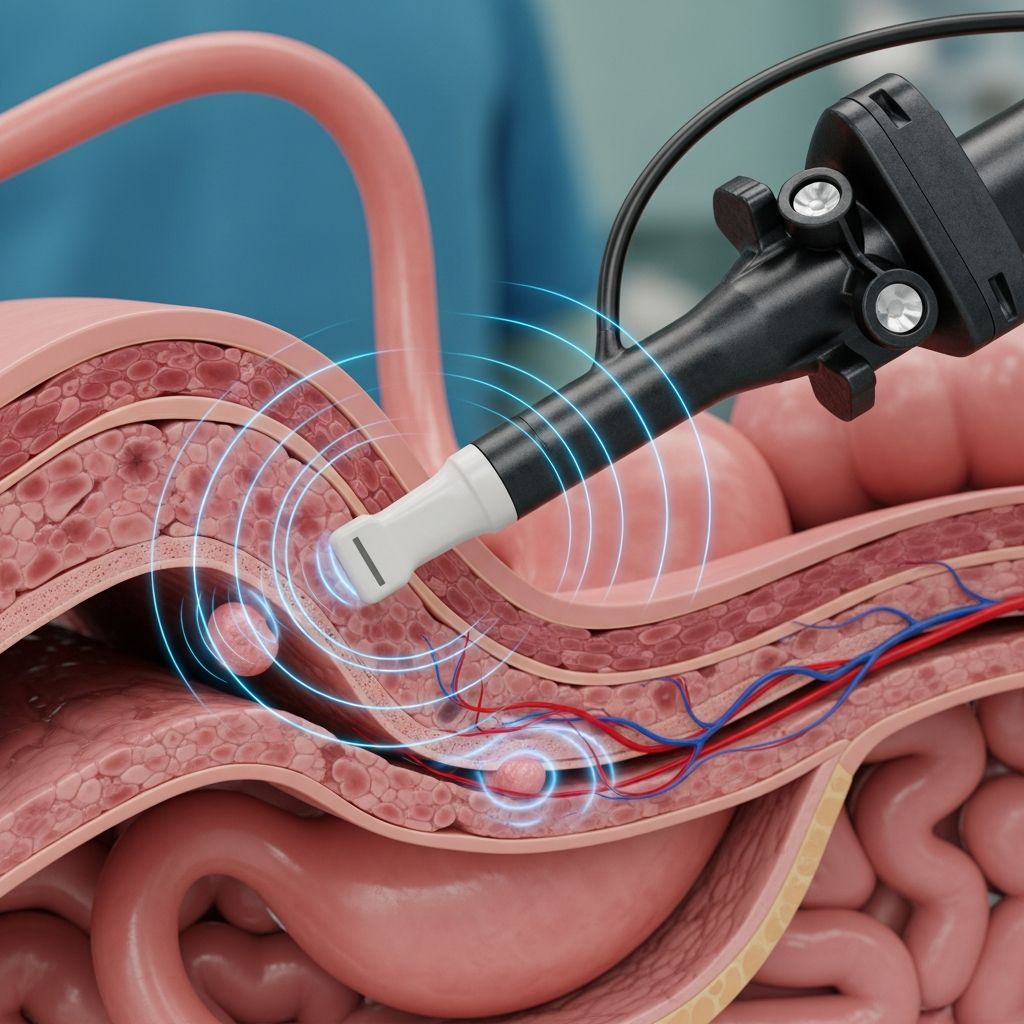
What Is Endoscopic Ultrasound?
Endoscopic ultrasound (EUS) is a minimally invasive medical procedure that combines endoscopy and ultrasound imaging to create detailed pictures of the digestive tract and nearby organs. During EUS, a thin, flexible tube called an endoscope is inserted into the body, usually through the mouth or anus. At the tip of the endoscope is a miniature ultrasound probe that emits high-frequency sound waves. These waves bounce off internal tissues and organs, producing real-time images that help doctors diagnose and treat a variety of conditions.
How Does Endoscopic Ultrasound Work?
The endoscope is gently guided through the digestive tract to the area of interest. The ultrasound probe at the tip sends out sound waves that penetrate the walls of the digestive tract and surrounding organs, such as the pancreas, liver, gallbladder, bile ducts, and lymph nodes. The reflected sound waves are converted into images, allowing doctors to see structures that are not visible with standard endoscopy or external ultrasound.
One of the key advantages of EUS is its ability to obtain tissue samples from abnormal areas. This is done using a technique called EUS-guided fine-needle aspiration (EUS-FNA), where a thin needle is passed through the endoscope to collect cells or fluid for laboratory analysis. This helps in diagnosing conditions such as cancer, infections, and inflammatory diseases.
Why Is Endoscopic Ultrasound Performed?
EUS is used for a variety of diagnostic and therapeutic purposes, including:
- Diagnosing diseases of the digestive tract and nearby organs
- Staging cancers, particularly of the esophagus, stomach, pancreas, and rectum
- Evaluating the extent of tumor invasion and lymph node involvement
- Identifying the cause of unexplained abdominal pain or abnormal imaging findings
- Guiding biopsies of suspicious lesions
- Draining fluid from cysts or abscesses
- Delivering targeted treatments, such as injecting medication directly into a tumor
Organs and Tissues Evaluated by EUS
EUS can provide detailed images of several organs and tissues, including:
- Esophagus
- Stomach
- Small intestine
- Rectum and colon
- Pancreas
- Liver
- Gallbladder
- Bile ducts
- Lymph nodes
- Lungs (in some cases)
Preparing for Endoscopic Ultrasound
Preparation for EUS depends on the area being examined. For upper EUS (through the mouth), patients are usually asked to fast for several hours before the procedure. For lower EUS (through the anus), bowel preparation similar to a colonoscopy may be required. Your healthcare team will provide specific instructions based on your individual needs.
It is important to inform your doctor about any medications you are taking, especially blood thinners, as these may need to be adjusted before the procedure. You should also let your doctor know if you have any allergies or medical conditions that could affect the procedure.
What to Expect During the Procedure
During EUS, you will likely be given sedation or anesthesia to help you relax and minimize discomfort. You will lie on your side, and the endoscope will be gently inserted into your body. The procedure typically lasts less than an hour, although EUS-guided procedures may take longer.
The ultrasound probe at the tip of the endoscope will create images of the digestive tract and surrounding organs. If a biopsy is needed, a thin needle will be passed through the endoscope to collect tissue or fluid samples. The procedure is generally well-tolerated, and most patients do not experience significant pain.
Related Stories



After the procedure, you may have a sore throat (if the endoscope was inserted through the mouth) or mild abdominal discomfort. These symptoms usually resolve within a day or two.
Recovery and Aftercare
Most patients can go home the same day as the procedure. You will need someone to drive you home if you received sedation. It is important to follow your doctor’s instructions for aftercare, including any dietary restrictions or activity limitations.
You should contact your healthcare provider if you experience any of the following symptoms after EUS:
- Fever
- Severe or persistent abdominal pain
- Chest or neck pain
- Severe nausea or vomiting
- Vomiting blood
- Black or very dark-colored stool
Risks and Complications
While EUS is generally safe, there are some potential risks and complications, including:
- Bleeding
- Infection
- Tearing of an organ wall (perforation)
- Pancreatitis (inflammation of the pancreas), especially after fine-needle aspiration of the pancreas
To minimize these risks, it is important to follow your healthcare team’s instructions for preparation and aftercare. If you experience any concerning symptoms after the procedure, seek medical attention promptly.
Interpreting EUS Results
A doctor with specialized training in EUS will review the images and, if applicable, the biopsy results. This may be a gastroenterologist, pulmonologist, or pathologist, depending on the area being evaluated. Your healthcare team will discuss the findings with you and recommend any necessary next steps, such as additional testing, treatment, or follow-up care.
Advantages of Endoscopic Ultrasound
EUS offers several advantages over other imaging techniques:
- High-resolution images of the digestive tract and nearby organs
- Ability to obtain tissue samples for diagnosis
- Minimally invasive with a low risk of complications
- Can be used for both diagnostic and therapeutic purposes
Limitations of Endoscopic Ultrasound
While EUS is a powerful tool, it does have some limitations:
- Requires specialized equipment and trained personnel
- May not be suitable for all patients, particularly those with certain medical conditions or anatomical abnormalities
- Can be uncomfortable or cause mild side effects
Frequently Asked Questions (FAQs)
What is the difference between EUS and regular endoscopy?
Regular endoscopy uses a camera to view the inside of the digestive tract, while EUS combines endoscopy with ultrasound to create detailed images of the digestive tract and surrounding organs.
Is EUS painful?
Most patients do not experience significant pain during EUS, especially if sedation is used. Some may have a sore throat or mild abdominal discomfort afterward.
How long does EUS take?
The procedure typically lasts less than an hour, although EUS-guided procedures may take longer.
Can EUS diagnose cancer?
Yes, EUS can help diagnose cancer by providing detailed images of tumors and allowing for biopsy of suspicious areas.
What are the risks of EUS?
The main risks include bleeding, infection, perforation, and pancreatitis. These complications are rare but should be discussed with your healthcare provider.
Conclusion
Endoscopic ultrasound is a valuable tool for diagnosing and treating a wide range of conditions affecting the digestive tract and nearby organs. Its ability to provide high-resolution images and obtain tissue samples makes it an essential part of modern medical practice. If you are considering EUS, talk to your healthcare provider about the benefits, risks, and what to expect during the procedure.
References
- Endoscopic Ultrasound — Mayo Clinic. 2024-09-10. https://www.mayoclinic.org/tests-procedures/endoscopic-ultrasound/about/pac-20385171
- Staging Endoscopic Ultrasound — Johns Hopkins University. https://pure.johnshopkins.edu/en/publications/staging-endoscopic-ultrasound
- Endoscopic Ultrasound-Guided Gastroenteric Procedures — Johns Hopkins Hospital. https://pubmed.ncbi.nlm.nih.gov/28656030/
Similar Articles








Read full bio of medha deb