Endoscopy: Comprehensive Guide to Procedures & Recovery
Understanding endoscopy: minimally invasive diagnostic and treatment procedures for your digestive health.
Understanding Endoscopy: A Complete Guide to Minimally Invasive Procedures
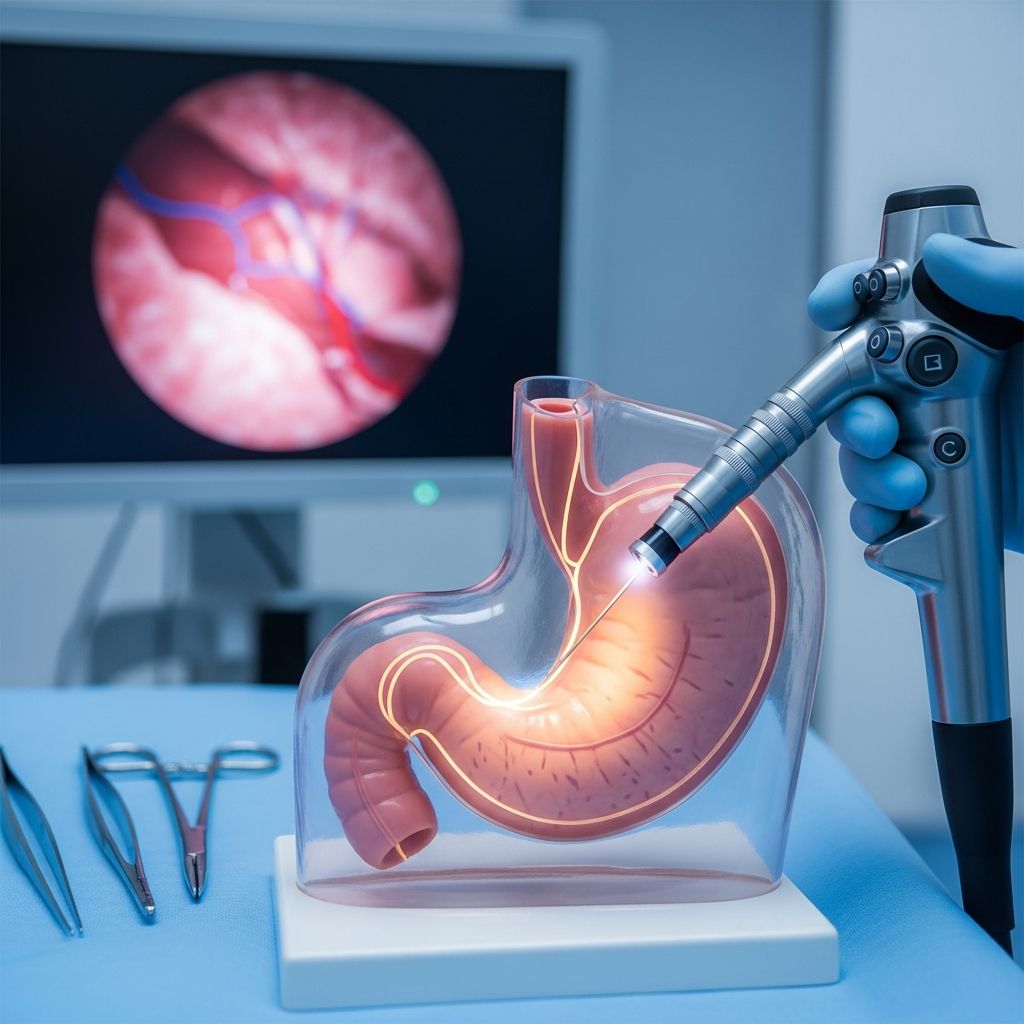
An endoscopy is a medical procedure that allows healthcare providers to examine, diagnose, and treat conditions within your body using a specialized instrument called an endoscope. This minimally invasive approach has revolutionized modern medicine by providing direct visualization of internal organs without requiring large surgical incisions. Whether you’re facing a diagnostic endoscopy or a therapeutic procedure, understanding what to expect can help you prepare mentally and physically for the experience.
The endoscope is a remarkable piece of medical technology—a long, flexible tube equipped with a small, lighted camera on its end. This camera transmits real-time images to a computer screen, allowing your healthcare provider to see inside your body with exceptional clarity. Beyond mere visualization, many endoscopes have special channels through which providers can insert operating instruments to remove tissue samples, perform biopsies, or even conduct surgical interventions during the same procedure.
How Endoscopy Works: The Basic Procedure
All endoscopy procedures follow the same fundamental principle, though specific techniques vary depending on the area being examined and the purpose of the procedure. A qualified healthcare provider gently inserts the endoscope through either a natural body opening or a small surgical incision. The scope provides direct access to the areas that need examination or treatment, eliminating the need for extensive surgical trauma that traditional surgery once required.
The procedure begins with the administration of anesthesia or sedation to ensure your comfort throughout. Most endoscopies utilize moderate sedation, which places you in a relaxed, sleep-like state while allowing you to remain responsive to instructions. In some cases, general anesthesia involving intubation may be necessary, while other procedures may only require local anesthesia combined with a sedative to help you relax. Once you’re sufficiently sedated, your provider carefully advances the scope through your body to reach the target area. As the endoscope progresses, it displays detailed images on a monitor, allowing the provider to identify any irregular areas, abnormalities, or conditions requiring attention.
Types of Endoscopy Procedures
Several different types of endoscopy procedures exist, each designed to examine specific areas of your body and address particular medical concerns. The key differences among these procedures include the body parts being examined and where the scope is inserted.
Upper Endoscopy (Esophagogastroduodenoscopy – EGD)
An upper endoscopy examines your upper gastrointestinal tract, including your esophagus, stomach, and the upper portion of your small intestine (the duodenum). The endoscope is passed down through your mouth and throat to visualize these structures and diagnose conditions such as acid reflux, ulcers, and gastric bleeding.
Colonoscopy
A colonoscopy allows providers to examine your entire colon and rectum. The endoscope is inserted through the anus, providing comprehensive visualization of your lower gastrointestinal tract. This procedure is crucial for colorectal cancer screening, polyp removal, and investigation of digestive symptoms.
Capsule Endoscopy
Capsule endoscopy represents an innovative advancement in diagnostic technology. Rather than a traditional scope, you swallow a vitamin-sized capsule containing a built-in camera. As the capsule travels through your esophagus, stomach, and small intestine, it captures detailed images that help diagnose bleeding, tumors, and other conditions in your digestive system. You’ll wear a small recording device, typically around your waist, that receives and stores the pictures for later analysis by your healthcare provider.
Laparoscopy (Keyhole Surgery)
During a laparoscopy, providers operate on organs through tiny incisions rather than a large surgical opening. This technique, sometimes called keyhole surgery, is significantly less invasive than traditional surgery and represents the preferred approach for treating many conditions.
Related Stories



Endoscopic Ultrasound (EUS)
EUS combines endoscopy with ultrasound technology to examine your digestive tract and detect cancers, cancer spread, inflammatory bowel disease, and other problems. This procedure can also be used for endoscopic ultrasound-guided fine-needle aspiration, allowing providers to remove tissue or fluid samples for laboratory analysis.
Endoscopic Mucosal Resection (EMR)
EMR is a minimally invasive procedure designed to remove irregular or precancerous tissue from your digestive tract. A gastroenterologist uses the endoscope to visualize the affected area and then inserts surgical tools to carefully remove the problematic tissue.
Preparation for Your Endoscopy
Proper preparation is essential for ensuring a successful endoscopy and optimal outcomes. Your healthcare provider will provide specific instructions based on the type of endoscopy you’re undergoing, but several common preparation guidelines apply across most procedures.
Pre-Procedure Requirements
Most endoscopy procedures require fasting, typically meaning no food or drink after midnight the night before your test. This ensures your stomach is empty, providing your provider with a clear view of the areas being examined. For some procedures, you may need to undergo bowel preparation using laxatives to cleanse your colon thoroughly.
You should bring a complete list of your current medications to your appointment, as your healthcare provider needs to know about any drugs you’re taking, especially blood thinners. You’ll typically be asked to avoid aspirin and anti-inflammatory medications for several days before the procedure, as these can increase bleeding risk. If you’re on blood thinners like Coumadin, Plavix, or Pradaxa, consult your physician for specific instructions.
Day-of-Procedure Preparation
On the day of your endoscopy, remove any dentures, partial dentures, eyeglasses, hearing aids, or facial piercings before the procedure begins. These items could interfere with the examination or become dislodged during the procedure. A local anesthetic spray (such as Cetacaine) may be applied to your throat to help manage your gag reflex and improve your comfort during the procedure.
Arrange for someone to drive you home, as the sedation used during endoscopy can take up to 24 hours to completely wear off. You’ll be unable to drive yourself, operate machinery, or make important decisions on the day of your procedure. Most facilities recommend arriving 15 to 30 minutes before your scheduled procedure time.
What Happens During Your Endoscopy
Understanding the step-by-step process can help ease anxiety about your upcoming procedure. When you arrive at the endoscopy suite, a nurse will check your vital signs to ensure you’re in good condition for the procedure. An intravenous (IV) catheter will be placed in a vein in your arm to deliver your sedation medication and allow for rapid administration of any necessary medications during the procedure.
Your nurse will place a protective mouthguard in your mouth to protect your teeth, tongue, and the endoscope itself. You’ll be positioned on your left side on the procedure table, which allows optimal access for upper endoscopies. Your provider will then administer sedation or anesthesia, and once you’re completely relaxed or asleep, they’ll gently insert the endoscope.
As the scope advances through your body, your provider carefully adjusts it to display the correct organs or structures on the monitor. They’ll systematically examine all areas, noting any irregular spots, inflammation, bleeding, or other abnormalities. If tissue samples are needed, your provider will use special instruments inserted through channels in the scope to obtain biopsies. If treatment is necessary—such as removing a polyp or stopping bleeding—your provider can perform these interventions during the same procedure.
The anesthesia and sedatives ensure you experience no pain during the procedure. With some procedures like colonoscopy, you might feel pressure as the scope moves through, but this sensation passes quickly. Your provider will suction air from your stomach after withdrawing the endoscope, though some gas may remain and will pass naturally over the next day or so.
How Long Does an Endoscopy Take?
An endoscopy typically takes between 30 minutes and two hours, depending on the specific procedure type and whether therapeutic interventions are required. A straightforward diagnostic upper endoscopy usually takes about 30 to 60 minutes. Colonoscopies and other procedures may take longer if your provider needs to remove polyps, obtain multiple tissue samples, or perform other therapeutic procedures.
Recovery and Post-Procedure Care
Most endoscopies are outpatient procedures, meaning you’ll go home the same day. However, some complex procedures may require an overnight hospital stay for observation. You’ll move to a recovery room while your anesthesia wears off, typically lasting 30 minutes to a couple of hours depending on the type of sedation used.
Common Side Effects
Mild side effects are normal after an endoscopy. You may experience bloating and pass gas (burping or flatulence) for a day or two as residual air exits your system. A sore throat is common after upper endoscopies as the numbing agent wears off—cold foods and drinks can help soothe this discomfort. Most sore throat symptoms resolve within one to two days.
Return to Normal Activities
Because sedation can remain in your system for up to 24 hours, avoid driving, operating machinery, or making important decisions on the day of your procedure. Your healthcare provider may provide specific food-related guidelines for the days following your endoscopy. Most people can resume their normal diet and activities within a day or two, though your provider may recommend modifications based on your specific procedure.
Tissue Sample Analysis
If your provider obtained tissue samples during your endoscopy, these will be sent to a laboratory for analysis. A pathologist will examine the tissue samples for signs of disease, abnormal cells, or cancerous growth. You’ll typically receive results within a few days to a week.
Advances in Endoscopy Technology
Researchers and scientists continually develop new technologies to make endoscopies even less invasive and more effective. Capsule endoscopy has already transformed how providers examine the small intestine. Future innovations promise to improve visualization, reduce procedure time, enhance patient comfort, and expand the range of conditions that can be treated endoscopically.
Why Your Provider Recommends Endoscopy
Healthcare providers value endoscopy for its exceptional ability to visualize internal organs and its capacity to perform therapeutic interventions simultaneously. An endoscopy can help diagnose conditions like ulcers, acid reflux, Barrett’s esophagus, inflammatory bowel disease, polyps, and cancers. The procedure can also be used to remove foreign objects, stop bleeding, remove polyps, place stents, or perform other treatments.
Frequently Asked Questions
Q: Will I feel pain during an endoscopy?
A: No. The anesthesia and sedatives used during your endoscopy prevent pain. You may feel pressure or mild discomfort, but these sensations are not painful and pass quickly.
Q: Can I eat before my endoscopy?
A: No. Most endoscopies require fasting from midnight the night before your procedure. Your healthcare provider will give you specific instructions about eating and drinking restrictions.
Q: How long will I be sedated after the procedure?
A: Sedation effects can persist for up to 24 hours. Most people feel normal within a few hours, but you shouldn’t drive or make important decisions on the day of your procedure.
Q: What should I do if I experience complications after my endoscopy?
A: Contact your healthcare provider immediately if you experience severe abdominal pain, heavy bleeding, fever, difficulty swallowing, or chest pain following your endoscopy.
Q: Can both diagnosis and treatment happen during one endoscopy?
A: Yes. Many endoscopies are both diagnostic and therapeutic, allowing your provider to examine an area and treat problems during the same procedure using special instruments inserted through the endoscope.
Q: Is endoscopy safer than traditional surgery?
A: Yes. Endoscopy is minimally invasive, requiring only small incisions or natural body openings compared to the large incisions needed for traditional surgery. This reduces infection risk, recovery time, and complications.
Conclusion
Endoscopy represents a significant advancement in modern medicine, combining diagnostic capability with therapeutic potential through a minimally invasive approach. Whether your healthcare provider has recommended an endoscopy for diagnostic purposes or to treat a specific condition, understanding the procedure, preparation requirements, and what to expect can help you approach it with confidence. With proper preparation and realistic expectations about recovery, an endoscopy can provide valuable insights into your health and often lead to effective treatment. Your healthcare provider is committed to making your endoscopy experience as comfortable and successful as possible, ensuring you receive the care you need to maintain your digestive health.
References
- Endoscopy: Procedure, Types, What To Expect — Cleveland Clinic. 2025. https://my.clevelandclinic.org/health/diagnostics/25126-endoscopy
- EGD Procedure (Upper Endoscopy) — Cleveland Clinic. 2025. https://my.clevelandclinic.org/health/procedures/22549-egd-procedure-upper-endoscopy
- Capsule Endoscopy: Prep, Procedure, What It Can Diagnose — Cleveland Clinic. 2025. https://my.clevelandclinic.org/health/diagnostics/16829-capsule-endoscopy
- Endoscopic Mucosal Resection: What It Is, Procedure & Recovery — Cleveland Clinic. 2025. https://my.clevelandclinic.org/health/treatments/21148-endoscopic-mucosal-resection
- Endoscopic Ultrasound (EUS): Procedure, Test & What it Is — Cleveland Clinic. 2025. https://my.clevelandclinic.org/health/diagnostics/12025-endoscopic-ultrasound
Similar Articles








Read full bio of medha deb