Enema: What It Is, How It Works, Procedure, and Benefits
Complete guide to enemas: understanding types, procedures, benefits, and safe usage for constipation relief.
An enema is a medical procedure that involves inserting liquid directly into your rectum to help stimulate bowel movements and promote defecation. The procedure works by creating pressure inside your colon, which triggers a natural reflex that makes you poop. Most people use enemas to relieve stubborn constipation, though they serve other medical purposes as well. When performed correctly, an enema is a safe and effective method for addressing constipation and preparing for certain medical procedures.
Understanding How an Enema Works
The mechanics of an enema are straightforward yet effective. When liquid is inserted into your rectum, it creates internal pressure within your colon. This pressure activates your body’s natural defecation reflex, prompting bowel movement. However, it’s crucial to understand that not all fluid insertion is equally safe. The amount of fluid matters significantly—too much fluid can potentially damage your colon. This is why following the manufacturer’s instructions precisely is essential for ensuring you use the correct amount of fluid and experience the intended benefits without adverse effects.
Types of Enemas
Enemas come in several different varieties, each designed for specific purposes and desired outcomes. Understanding these types helps you choose the most appropriate option for your needs.
Cleansing Enemas
Cleansing enemas are the most commonly used type and typically employ a water-based solution such as tap water, saline, or soap suds. These enemas work quickly to flush out the colon, usually providing results within minutes of administration. Healthcare providers frequently recommend cleansing enemas for constipation relief or to prepare the bowel before medical procedures like colonoscopies or other diagnostic imaging tests.
Retention Enemas
Retention enemas work differently than cleansing enemas. With this type, you hold the enema solution in your rectum for an extended period, typically around 15 minutes or longer. This extended retention time allows the enema solution to work more thoroughly within the colon. Retention enemas are often prescribed for specific medical conditions and require you to remain in a specific position to maintain the solution inside your body.
Medicated Enemas
Some enemas contain medications designed to treat specific rectal or colon conditions. Hydrocortisone rectal enemas, for example, are used to treat inflammatory conditions of the rectum and lower colon. Mineral oil enemas serve a different purpose, softening stool to make bowel movements easier. These medicated varieties should only be used as prescribed by your healthcare provider.
Step-by-Step Enema Procedure
Proper technique is essential for a safe and effective enema. Before attempting to self-administer an enema at home, always consult with your healthcare professional to ensure it’s appropriate for your situation.
Materials You’ll Need
Before beginning, gather all necessary supplies to ensure a smooth procedure:
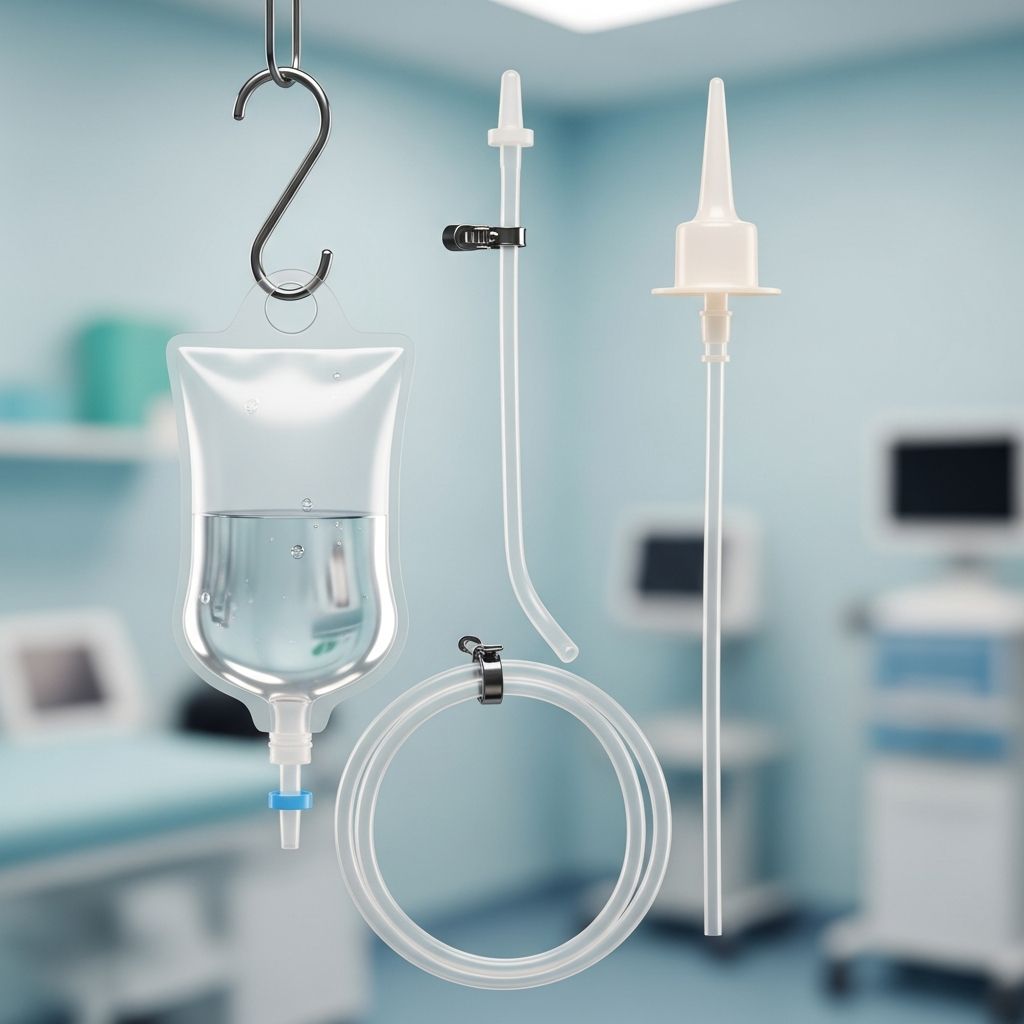
– Enema kit (includes a bag or bulb, tubing, and nozzle)- Enema solution (commercially prepared or as prescribed by your doctor)- Water-based lubricant- Towels or waterproof pads- Access to a nearby bathroom
The Procedure Steps
Step 1: Preparation
Begin by emptying your bladder completely before starting the enema. Wash your hands thoroughly with soap and water to maintain hygiene. Place towels or waterproof pads on the ground in the area where you’ll perform the enema to catch any possible leaks and protect your flooring. Prepare your enema solution according to the manufacturer’s instructions and fill the enema bag or bulb as directed. Position the bag at an appropriate height, typically hanging it alongside your bathtub.
Related Stories



Step 2: Positioning
Choose a comfortable and private location near a bathroom. Lie on your left side with your right knee bent toward your chest—this position is known as the Sims’ position. This positioning allows for easier insertion and optimal distribution of the enema solution throughout your colon.
Step 3: Insertion
Apply a generous amount of water-based lubricant to the enema nozzle to ease insertion and reduce discomfort. Gently insert the nozzle into your rectum, pointing it toward your navel. Important: do not insert the tube more than four inches into the rectum. As you insert, bear down gently as if having a bowel movement—this action makes insertion more comfortable and natural.
Step 4: Administration
Once the nozzle is properly inserted, slowly release the clamp on the tubing to allow the solution to flow gradually into your colon. If you’re using a bulb-type enema, squeeze it gently to control the flow. Take your time with this step; a slow, controlled flow is more comfortable than a rapid one.
Step 5: Retention and Evacuation
After all the solution has been administered, gently remove the tubing from your rectum. For a cleansing enema, remain lying down until you feel the urge to have a bowel movement. For a retention enema, wait until the designated time specified on your kit or as your doctor recommends before going to the bathroom.
Benefits of Enemas
When used appropriately, enemas offer several significant benefits for digestive health and medical preparation.
Rapid Constipation Relief
One of the primary benefits of enemas is their ability to provide quick relief from constipation. Most enemas deliver results within 15 minutes, though some may take up to an hour to completely clear your bowel. The instant relief provided by enemas makes them particularly valuable when you’re experiencing stubborn constipation that doesn’t respond to other treatments.
Bowel Preparation for Medical Procedures
Healthcare providers frequently recommend enemas to prepare patients for diagnostic procedures such as colonoscopies or barium enema studies. A clean, empty colon allows medical professionals to visualize the intestinal lining more clearly, improving diagnostic accuracy.
Safe and Non-Invasive
When performed correctly following proper instructions, enemas are considered a safe procedure. They don’t require anesthesia or surgical intervention, making them accessible for most people who need bowel preparation or constipation relief.
Potential Risks and Side Effects
While enemas are generally safe when used correctly, they do carry some potential risks that you should be aware of:
– Dehydration if the enema remains in your body too long- Electrolyte imbalances with frequent use- Rectal irritation or sensitivity- Perforation of the colon if inserted improperly or with excessive force- Dependence on enemas with overuse- Cramping or abdominal discomfort- Allergic reactions to solution components in sensitive individuals
Safety Guidelines for Enema Use
Following these safety guidelines significantly reduces your risk of complications:
– Always seek medical advice before using enemas, particularly if you have underlying health conditions- Adhere strictly to recommended dosages and procedures to minimize risks- Use only solutions recommended by your healthcare professional- Ensure all equipment is clean and sterile to prevent infections- Limit the frequency of enema use to prevent dependence and electrolyte imbalances- Do not use enemas for longer than one week without professional guidance- If you experience severe pain, dizziness, or other unusual symptoms during or after an enema, seek immediate medical attention- Never reuse enema solutions or equipment
What to Expect After an Enema
Most enemas provide relief within minutes to one hour after administration. The exact timeframe depends on the specific type of enema you’re using. It’s important to have access to a bathroom during this window, as the urge to have a bowel movement can be sudden and urgent.
If you’ve performed an enema and nothing has moved within the recommended timeframe, contact your healthcare provider. Extended retention of enema solution can lead to dehydration and other complications. Your provider can offer guidance on whether a different approach might be more effective for your situation.
When to Contact Your Healthcare Provider
Don’t hesitate to reach out to your healthcare provider if you have any questions about performing the procedure correctly. It’s better to ask for help than to risk an injury through improper technique. Additionally, contact your provider if:
– The enema doesn’t produce a bowel movement within the recommended timeframe- You experience severe pain or cramping- You notice blood in your stool- You experience rectal bleeding, burning, itching, or blistering- You develop signs of dehydration- You have concerns about any symptoms following the enema
Important Considerations Before Using an Enema
Enemas aren’t appropriate for everyone. Certain health conditions make enema use inadvisable or require special precautions. Check with your healthcare provider to ensure an enema is safe based on your individual health status. People with inflammatory bowel disease, recent abdominal surgery, severe dehydration, or certain cardiac conditions should exercise particular caution. Your provider can help you determine whether an enema is the right choice for your situation or suggest alternative approaches to address your constipation or preparation needs.
Frequently Asked Questions About Enemas
Q: How quickly does an enema work?
A: Most enemas produce results within 15 minutes, though some types may take up to one hour to provide complete bowel relief. The specific timeframe depends on the type of enema you’re using, so check your kit instructions for guidance.
Q: Can I use an enema regularly?
A: Regular enema use is not recommended without medical supervision. Frequent enema use can lead to dependence, electrolyte imbalances, and dehydration. Limit use as directed and consult your healthcare provider about chronic constipation.
Q: What should I do if the enema doesn’t work?
A: If the enema doesn’t produce results within the recommended timeframe, contact your healthcare provider. They can assess whether a different approach might be more effective or investigate underlying causes of constipation.
Q: Are enemas safe for everyone?
A: Enemas are not appropriate for all individuals. People with certain health conditions, recent surgery, or specific medications should consult their healthcare provider before using an enema to ensure safety.
Q: Can too much enema solution damage my colon?
A: Yes, excessive fluid can potentially damage your colon. This is why following the manufacturer’s instructions precisely regarding the correct amount of fluid is critical for safe use.
Q: How should I prepare for an enema?
A: Empty your bladder, wash your hands, gather all necessary supplies, and set up in a private location near a bathroom. Place protective towels or pads on the floor to catch any leaks before beginning.
References
- Enema: What It Is, How It Works, Procedure, Benefits — Cleveland Clinic. 2023-11-20. https://my.clevelandclinic.org/health/treatments/enema
- What Is an Enema? Benefits, Types, and How to Use It — Rupa Health. https://www.rupahealth.com/post/what-is-an-enema-benefits-types-and-how-to-use-it
- Chronic Constipation: Update on Management — Cleveland Clinic Journal of Medicine, 2017. https://www.ccjm.org/content/84/5/397
- Hydrocortisone Rectal Enema — Cleveland Clinic. https://my.clevelandclinic.org/health/drugs/18997-hydrocortisone-rectal-enema
- Mineral Oil Rectal Enema — Cleveland Clinic. https://my.clevelandclinic.org/health/drugs/20248-mineral-oil-enema
Similar Articles








Read full bio of Sneha Tete