What Is an Enema? 5 Essential Uses & How To Administer
Learn about enemas: their uses, types, benefits, risks, and safe administration for constipation relief and more.
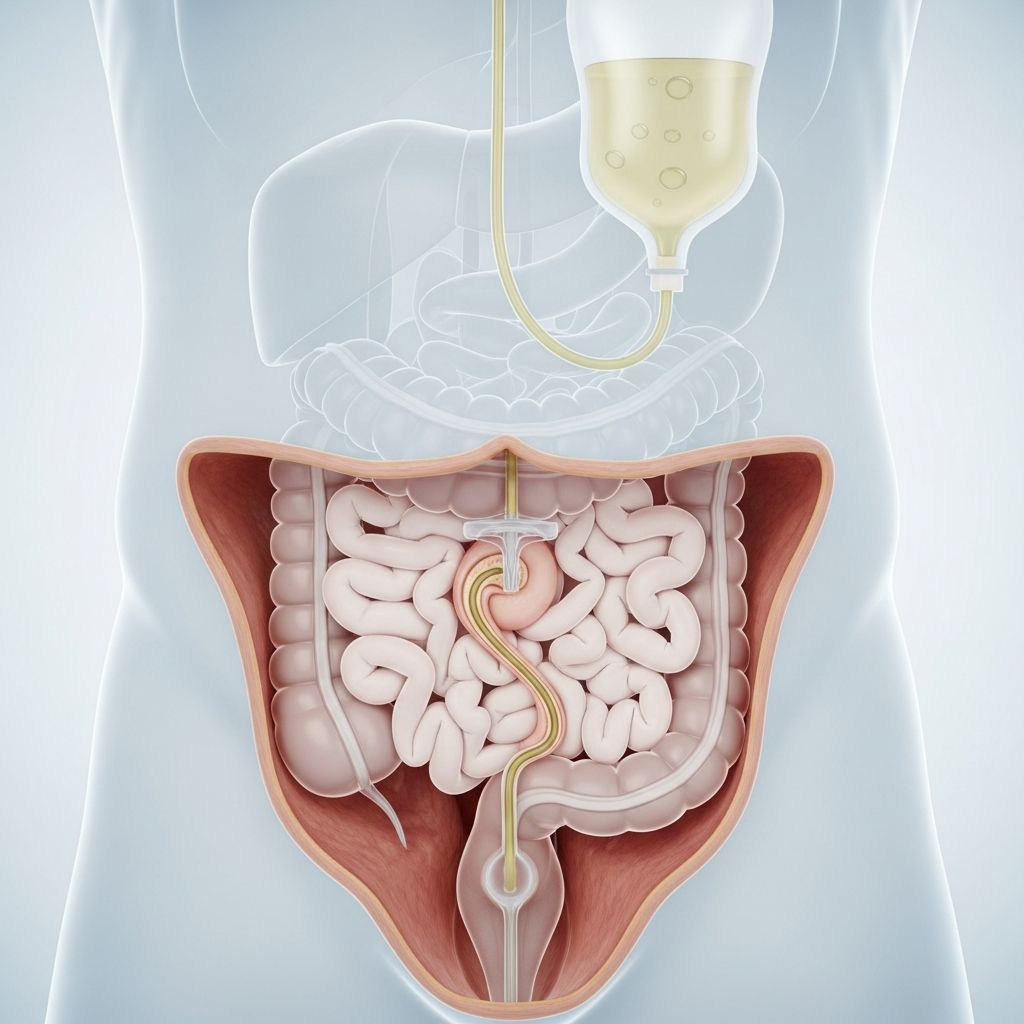
An enema is a medical procedure that involves introducing liquid into the rectum and lower colon through the anus to stimulate bowel movements, relieve constipation, or prepare for diagnostic tests and surgeries. This method has been used for centuries and remains relevant in modern healthcare for targeted colon cleansing and medication delivery.
What Does an Enema Do?
An enema works by softening stool, lubricating the rectum, or distending the colon to trigger the natural urge to defecate. The introduced fluid either draws water into the bowel (osmotic effect), stimulates nerves (stimulant types), or simply washes out contents (cleansing). Typically, effects begin within 5-15 minutes, with full bowel evacuation expected within an hour.
Medically, enemas address severe constipation unresponsive to oral laxatives, fecal impaction, or bowel prep needs. They bypass the upper digestive system, providing faster action for lower colon issues.
Uses for Enemas
Enemas serve multiple purposes beyond basic constipation relief:
- Constipation Relief: Ideal for acute or chronic cases where stool is hard, dry, or impacted, especially when other treatments fail.
- Bowel Preparation: Cleanses the colon before colonoscopies, surgeries, or imaging to ensure clear visibility and reduce infection risk. A 2017 study showed enemas improve right colon cleansing when combined with oral prep.
- Diagnostic Imaging: Barium enemas coat the colon for X-rays, highlighting polyps, tumors, inflammation, or obstructions.
- Medication Delivery: Delivers drugs like mesalamine for ulcerative colitis directly to inflamed areas, offering targeted anti-inflammatory effects.
- Detoxification (Controversial): Some use cleansing enemas for purported detox benefits, though evidence is limited and not endorsed by major health bodies.
Types of Enemas
Enemas vary by solution volume, composition, and purpose. Here’s a breakdown:
| Type | Volume | Solution | Primary Use |
|---|---|---|---|
| Large-Volume (Cleansing) | 500-1,000 ml | Warm water, saline, or soap suds | Thorough colon cleanse for constipation or prep |
| Small-Volume | <500 ml | Sodium phosphate (Fleet), mineral oil | Quick lower colon relief |
| Barium | Varies | Barium sulfate contrast | X-ray imaging |
| Medicated | Varies | Mesalamine, corticosteroids, probiotics | IBD treatment like ulcerative colitis |
| Oil Retention | Small | Mineral or olive oil | Lubricates hard stool for easier passage |
Over-the-counter options like Fleet enemas are common for home use but carry risks, especially for older adults.
How to Give Yourself an Enema at Home
Self-administration requires caution; consult a doctor first. Follow these steps for a standard cleansing enema:
- Prepare Supplies: Enema bag/kit, lukewarm solution (e.g., 500-1,000 ml saline), lubricant, towel, timer.
- Fill and Prime: Fill bag with solution (body temperature: 98-105°F). Clamp hose, hold downward to expel air bubbles.
- Position: Lie on left side, knees to chest, in bathroom near toilet. Hang bag 18-24 inches above.
- Insert: Lubricate tip, bear down gently, insert 2-4 inches into rectum.
- Infuse: Open clamp slowly; breathe deeply until bag empties (5-10 minutes). Clamp and remove tube.
- Retain: Hold 5-15 minutes or as directed; massage abdomen if needed.
- Evacuate: Use toilet; expect results soon. Stay near for 1 hour.
Related Stories



Tip: Clean equipment thoroughly post-use. Discard single-use kits.
What to Expect After an Enema
Most users experience bowel movement within 1-5 minutes to 1 hour, depending on type and retention time. Cramps, urgency, and watery stool are normal. Hydrate well, as enemas can cause minor dehydration.
If no results after 1 hour, do not repeat without medical advice—could indicate impaction needing professional intervention. Rare persistent effects warrant a doctor visit.
Enema Side Effects
Common mild effects include cramping, bloating, nausea, or anal irritation. These resolve quickly.
- Serious risks: Electrolyte imbalance (esp. sodium phosphate in elderly), dehydration, infection from poor hygiene.
- Bowel perforation (rare, from forceful insertion).
- Dependency: Chronic use alters bowel motility, leading to laxative dependence.
A JAMA study linked Fleet enemas to kidney issues in older adults. Avoid if you have IBD flares, recent surgery, or kidney disease without guidance.
Who Should Not Use Enemas
Contraindications include:
- Appendicitis suspicion
- Bowel obstruction or perforation
- Recent colorectal surgery
- Kidney/heart conditions (electrolyte risks)
- Pregnancy (without doctor approval)
- Children under 2 (unless prescribed)
Always seek medical advice for frequent constipation, as it may signal underlying issues like IBS or thyroid problems.
When to See a Doctor
Contact a healthcare provider if:
- No bowel movement after enema
- Severe pain, bleeding, fever
- Repeated need for enemas
- Symptoms like unexplained weight loss, anemia
Enemas treat symptoms, not causes—professional evaluation is key for chronic issues.
Frequently Asked Questions (FAQs)
Q: How long does an enema take to work?
A: Typically 5 minutes to 1 hour, influenced by solution type, volume, and retention.
Q: Are enemas safe for regular use?
A: No, chronic use risks dependency and complications; use only as needed under guidance.
Q: Can I use tap water for an enema?
A: Lukewarm saline is safer; plain tap water may irritate or cause imbalances.
Q: What’s the difference between a suppository and an enema?
A: Suppositories melt locally; enemas flush the lower colon more thoroughly.
Q: Do enemas help with weight loss or detox?
A: Temporary water weight loss only; no evidence for detox—focus on diet/fiber.
References
- Enema Administration: Purpose, Procedure, and Risks — Healthline. 2023-03-09. https://www.healthline.com/health/enema-administration
- What Is an Enema? Benefits, Types, and How to Use It — Rupa Health. N/A. https://www.rupahealth.com/post/what-is-an-enema-benefits-types-and-how-to-use-it
- 4 Reasons to Do an Enema — Healthgrades. N/A. https://resources.healthgrades.com/right-care/digestive-health/4-reasons-to-do-an-enema
- How long does it take for an enema to work? — Medical News Today. N/A. https://www.medicalnewstoday.com/articles/how-long-does-it-take-for-an-enema-to-work
- What to Know About Enemas — WebMD. N/A. https://www.webmd.com/digestive-disorders/what-to-know-enemas
Similar Articles








Read full bio of medha deb