Energy Drinks: Health Effects and Safety Concerns
Explore the benefits and risks of energy drinks, including cardiovascular and mental health impacts.
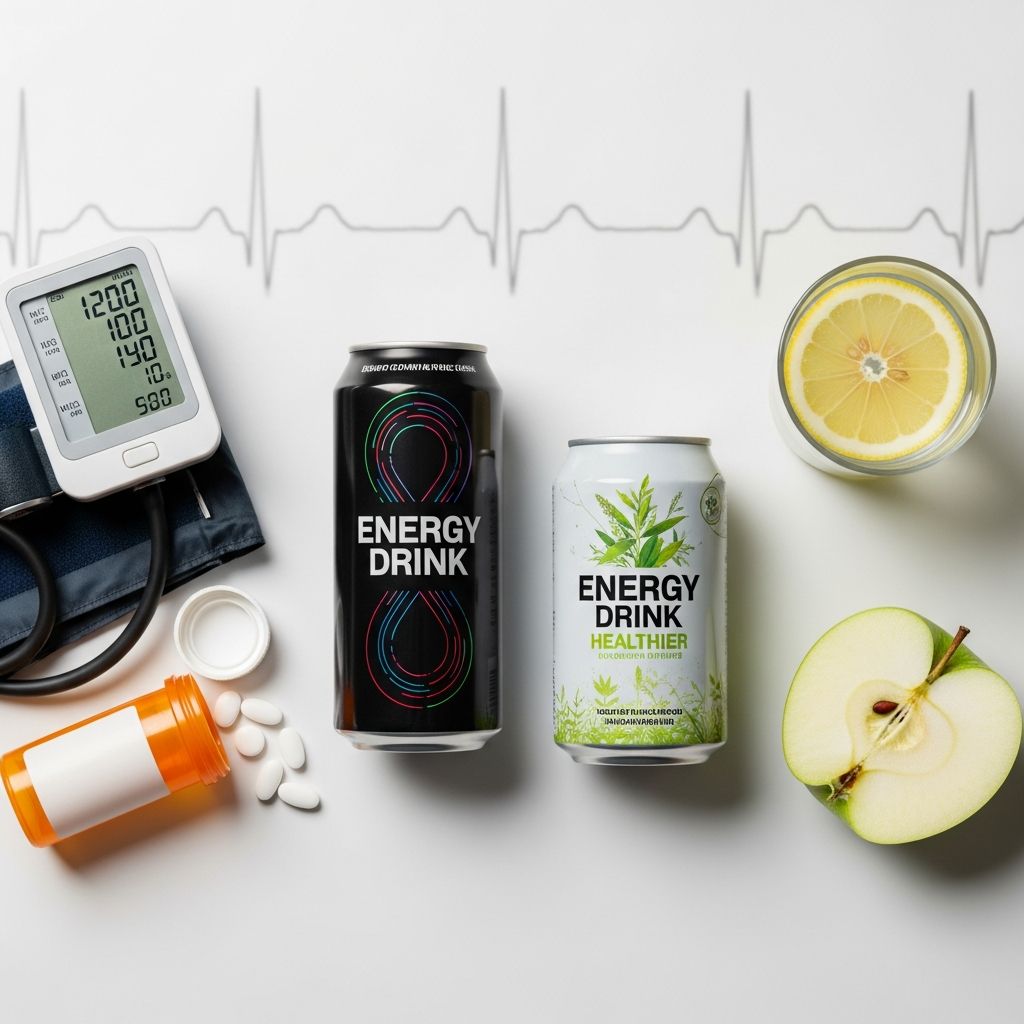
Understanding Energy Drinks: Composition and Consumption Trends
Energy drinks have become one of the fastest-growing products in the beverage industry over the past two decades, with consumption rising dramatically among adolescents, young adults, and athletes. These beverages are aggressively marketed with claims that they provide an immediate energy boost to enhance physical performance, mental alertness, and cognitive function. The primary appeal of energy drinks lies in their formulation, which combines multiple stimulants designed to provide a quick surge of energy and increased focus. However, the reality of these products’ safety profile has become increasingly complex as scientific research reveals both potential benefits and significant health concerns.
The composition of energy drinks typically centers on caffeine as the main active ingredient, usually containing between 80 and 150 milligrams of caffeine per 8 ounces, which is equivalent to approximately 5 ounces of brewed coffee or two 12-ounce cans of caffeinated soda. Beyond caffeine, these beverages often contain taurine, various B vitamins, sugar, and other plant-based stimulants. Understanding the specific ingredients and their concentrations is essential for evaluating both the potential benefits and risks associated with energy drink consumption.
Beneficial Effects on Physical Performance
Research has demonstrated that energy drinks may provide measurable beneficial effects on physical performance and athletic activity. Studies comparing energy drinks with water and no-treatment control groups have shown significant improvements in reaction time and self-reported energetic arousal. These positive effects align with the marketing claims made by manufacturers and suggest legitimate applications for enhanced athletic performance in specific contexts.
Athletes and individuals engaged in high-intensity physical activities may experience improved focus, reaction speed, and sustained energy levels during performance-demanding situations. The combination of caffeine and glucose in energy drinks can provide both immediate mental stimulation and fuel for physical exertion. However, it is crucial to note that these performance benefits must be weighed against documented adverse health effects, particularly when considering vulnerable populations such as children and adolescents.
Adverse Health Effects on the Cardiovascular System
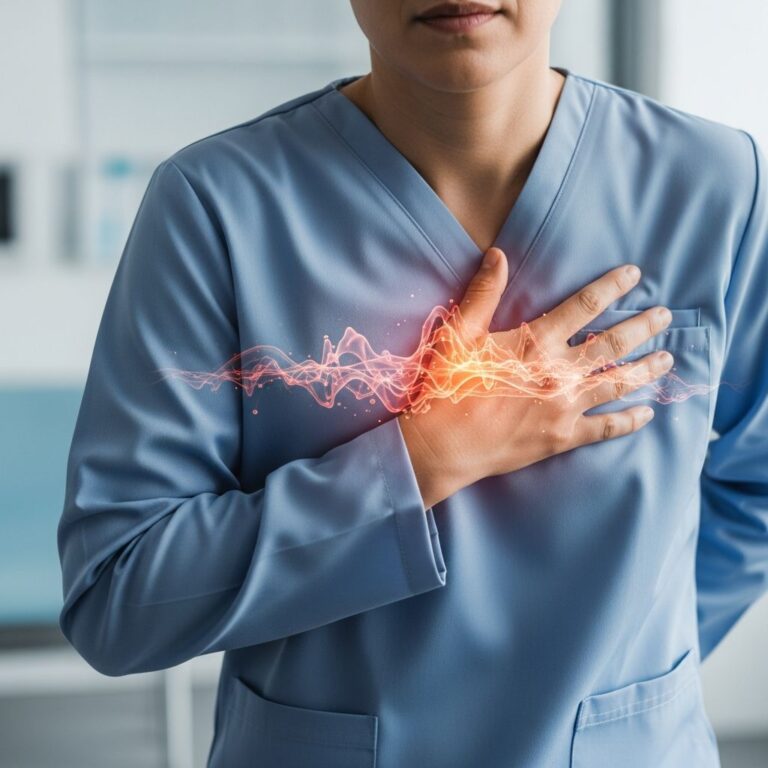
Among the most concerning health effects associated with energy drink consumption are impacts on the cardiovascular system. Research demonstrates that energy drinks significantly increase heart rate and blood pressure in consumers, with documented cases showing QTc prolongation, a marker of potential cardiac arrhythmia risk. In severe cases, energy drink consumption has been linked to cardiac arrest, with nine documented cases in the medical literature, three of which were fatal.
The cardiovascular effects are particularly alarming in young, apparently healthy individuals who may have no prior cardiac conditions. The neurostimulant properties of energy drinks, primarily from their high caffeine content, can trigger irregular heart rhythms and excessive stress on the cardiovascular system. The risk appears to increase substantially with frequent consumption or when energy drinks are combined with other stimulants or alcohol.
Sleep Disturbances and Neurological Effects
A systematic review and meta-analysis of energy drink studies demonstrated that these beverages significantly increased the odds of insomnia and jitteriness or activeness compared with control groups. Sleep disturbances represent one of the most commonly reported adverse effects, particularly among adolescents and young adults who consume energy drinks specifically to compensate for lack of sleep or to enhance nighttime social activities.
The neurological impact extends beyond simple insomnia. Anxiety levels have been shown to correlate positively with energy drink consumption, especially in males consuming 100 milliliters per day or more. The constant stimulation of the nervous system through repeated caffeine and other stimulant exposure can lead to persistent anxiety, nervousness, and difficulty achieving restorative sleep patterns.
Related Stories



Mental Health Implications and Psychological Effects
While acute consumption of energy drinks may provide short-term improvements in mood and mental energy, chronic use presents different concerns. Although some studies examining acute effects reported benefits, research on the long-term psychological impacts reveals a more troubling picture. The chronic effects of energy drink consumption on mental health outcomes, including stress, anxiety, and depression, have emerged as significant areas of concern in the scientific literature.
Young consumers, who are the primary target demographic for aggressive energy drink marketing, appear particularly vulnerable to negative mental health impacts from chronic consumption. The temporary boost in mood and focus provided by acute consumption often masks underlying anxiety and mood dysregulation that develops with regular use.
Gastrointestinal and Renal System Complications
Beyond cardiovascular and neurological systems, energy drinks can also trigger gastrointestinal and renal disorders. Medical case reports document instances of acute hepatitis, acute pancreatitis, and acute kidney injury associated with energy drink consumption. These serious complications appear related to the combination of high caffeine doses, excessive sugar content, and megadoses of B vitamins, particularly niacin, which is associated with hepatotoxicity at elevated concentrations.
The renal system faces particular stress from the diuretic effects of caffeine combined with the high sugar and electrolyte content of these beverages. Individuals with pre-existing kidney conditions or those engaging in strenuous physical activity while consuming energy drinks face increased risk of acute kidney injury.
Specific Concerns for Vulnerable Populations
Adolescents and Young Adults
Adolescents represent a particularly vulnerable population for energy drink-related adverse effects. The developing cardiovascular and neurological systems of young people may be more susceptible to damage from high caffeine exposure. Furthermore, approximately half of college students report consuming at least one energy drink per month, often to compensate for sleep deprivation, increase energy, or mix with alcohol during social activities.
The combination of energy drinks with alcohol poses additional risks, as the stimulant effects of caffeine can mask the depressant effects of alcohol, leading to increased consumption and potential cardiovascular stress.
Children and Pediatric Populations
The American Academy of Pediatrics has recommended that children should not consume energy drinks, given the potential health risks and the stimulants contained in these products. The pediatric population faces even greater vulnerability due to smaller body size, developing organ systems, and higher proportional caffeine exposure from standard energy drink serving sizes.
Regulatory Landscape and Marketing Concerns
The regulation of energy drinks has proven challenging globally, with significant variation between countries. The absence of comprehensive regulatory oversight in many regions has enabled aggressive marketing of energy drinks specifically targeting young adults and adolescents. Despite manufacturer claims of safety, several countries have begun implementing stricter labeling requirements, distribution limitations, and age-restricted sales policies.
Researchers and health organizations have called for more stringent governmental regulation, particularly concerning the pediatric market, until independent research conclusively confirms the safety of these products. The current regulatory framework in many jurisdictions does not require pre-market safety testing comparable to pharmaceutical standards, creating a gap in consumer protection.
Caffeine Content and Safety Thresholds
While individual components of energy drinks have demonstrated safety at specific concentrations, excessive consumption, particularly among adolescents, often leads to potential adverse effects. Some energy drink products contain extraordinarily high caffeine concentrations—for example, certain energy shots contain 200 milligrams of caffeine in just 60 milliliters of product.
Health authorities in Europe and America have established safety limits for caffeine intake, yet evidence suggests that the daily intake of energy drinks should not exceed these caffeine safety thresholds, and should ideally be even lower when considering the synergistic effects of other neuroactive ingredients contained in these beverages.
Frequency of Consumption and Risk Stratification
Research indicates that individuals should avoid frequent energy drink consumption, defined as 5 to 7 energy drinks per week or more. This recommendation acknowledges a dose-dependent relationship between consumption frequency and adverse health effects. Similarly, individuals should avoid co-consumption with alcohol, which compounds cardiovascular and neurological risks.
The distinction between occasional consumption and habitual use is critical for understanding individual risk profiles. While a single energy drink consumed in specific contexts may pose minimal risk to healthy adults, chronic and frequent consumption creates cumulative stress on multiple physiological systems.
Gap in Long-Term Safety Data
Despite the popularity of energy drinks, there exists a notable lack of comprehensive literature evaluating the long-term safety of these products. While individual ingredients have undergone testing, the synergistic effects of multiple stimulants, high sugar content, and various additives in combination remain poorly understood. This gap in knowledge creates uncertainty about the true long-term health implications of energy drink consumption, particularly for individuals beginning consumption in adolescence and continuing throughout adulthood.
Recommendations for Consumers and Healthcare Providers
Healthcare providers should counsel patients, particularly young people, regarding energy drink consumption risks. Key recommendations include:
– Avoiding regular energy drink consumption, especially among children and adolescents- Limiting consumption frequency to less than once per week for adults without contraindications- Never combining energy drinks with alcohol or other stimulants- Choosing water or other non-caffeinated beverages for hydration during exercise- Monitoring for symptoms of cardiovascular stress, anxiety, or sleep disturbances
Future Research and Regulatory Directions
The scientific community continues to call for more rigorous assessment of energy drink safety, particularly regarding sudden cardiac death risk in young people. Establishing stricter limits on energy drink consumption than current caffeine safety thresholds has been proposed, given the evidence of adverse effects and the presence of multiple neuroactive compounds beyond caffeine.
Future regulatory frameworks should consider restricting marketing to vulnerable populations, requiring prominent labeling of caffeine content and consumption limits, and potentially implementing age-based purchasing restrictions similar to those for alcohol or tobacco products. Independent research funded by public health agencies rather than industry sources is essential for establishing definitive safety parameters.
Frequently Asked Questions
Q: Are energy drinks safe for children?
A: No. The American Academy of Pediatrics recommends that children should not consume energy drinks due to the potential health risks from stimulants and high caffeine content. Children’s developing systems are particularly vulnerable to adverse cardiovascular and neurological effects.
Q: How much caffeine is in a typical energy drink?
A: Most energy drinks contain 80 to 150 milligrams of caffeine per 8 ounces, equivalent to 5 ounces of coffee. Some concentrated energy shots contain significantly higher amounts, up to 200 milligrams in small volumes.
Q: Can energy drinks cause heart problems?
A: Yes. Energy drinks can increase heart rate, elevate blood pressure, and cause QTc prolongation. In severe cases, they have been associated with cardiac arrest, particularly in young individuals with no prior cardiac conditions.
Q: Is it safe to mix energy drinks with alcohol?
A: No. Combining energy drinks with alcohol is not recommended. The stimulant effects of caffeine can mask alcohol’s depressant effects, leading to increased consumption and dangerous cardiovascular stress.
Q: How often can adults safely consume energy drinks?
A: Adults should avoid frequent consumption (more than 5 to 7 energy drinks per week). Occasional consumption in healthy adults may pose lower risk, but regular use is associated with multiple adverse health effects.
Q: What are the main health concerns with energy drinks?
A: Primary concerns include cardiovascular effects (elevated heart rate and blood pressure), sleep disturbances, anxiety, gastrointestinal complications, renal damage, and potential cardiac events in severe cases.
References
- Energy Drink Consumption: Beneficial and Adverse Health Effects — National Center for Biotechnology Information. 2015-11-13. https://www.ncbi.nlm.nih.gov/pmc/articles/PMC4682602/
- Energy Drinks and Their Adverse Health Effects: A Systematic Review and Meta-Analysis — National Center for Biotechnology Information. 2020-04-17. https://www.ncbi.nlm.nih.gov/pmc/articles/PMC8083152/
- The Dark Side of Energy Drinks: A Comprehensive Review of Their Pathophysiological Effects in the Light of Stimulant Caffeine Toxicity — National Center for Biotechnology Information. 2023-10-15. https://www.ncbi.nlm.nih.gov/pmc/articles/PMC10535526/
- The Effects of Energy Drinks on the Cardiovascular System — American Heart Association. 2024-01-22. https://www.ahajournals.org/doi/10.1161/jaha.118.011318
- A Review of Energy Drinks and Mental Health, with a Focus on Stress, Anxiety, and Depression — National Center for Biotechnology Information. 2017-03-10. https://www.ncbi.nlm.nih.gov/pmc/articles/PMC4892220/
- The Cardiac Effects of Energy Drinks — American Academy of Pediatrics. 2023-09-01. https://publications.aap.org/aapgrandrounds/article/42/3/29/91100/
Similar Articles








Read full bio of Sneha Tete