Enfuvirtide For HIV: What You Need To Know About Fuzeon
Comprehensive guide to enfuvirtide (Fuzeon), a key fusion inhibitor for treatment-experienced HIV patients.
Enfuvirtide, marketed as Fuzeon, is a fusion inhibitor antiretroviral medication used in combination with other drugs to treat HIV-1 infection in adults and children over 6 years who have failed prior therapies or developed resistance.
About enfuvirtide
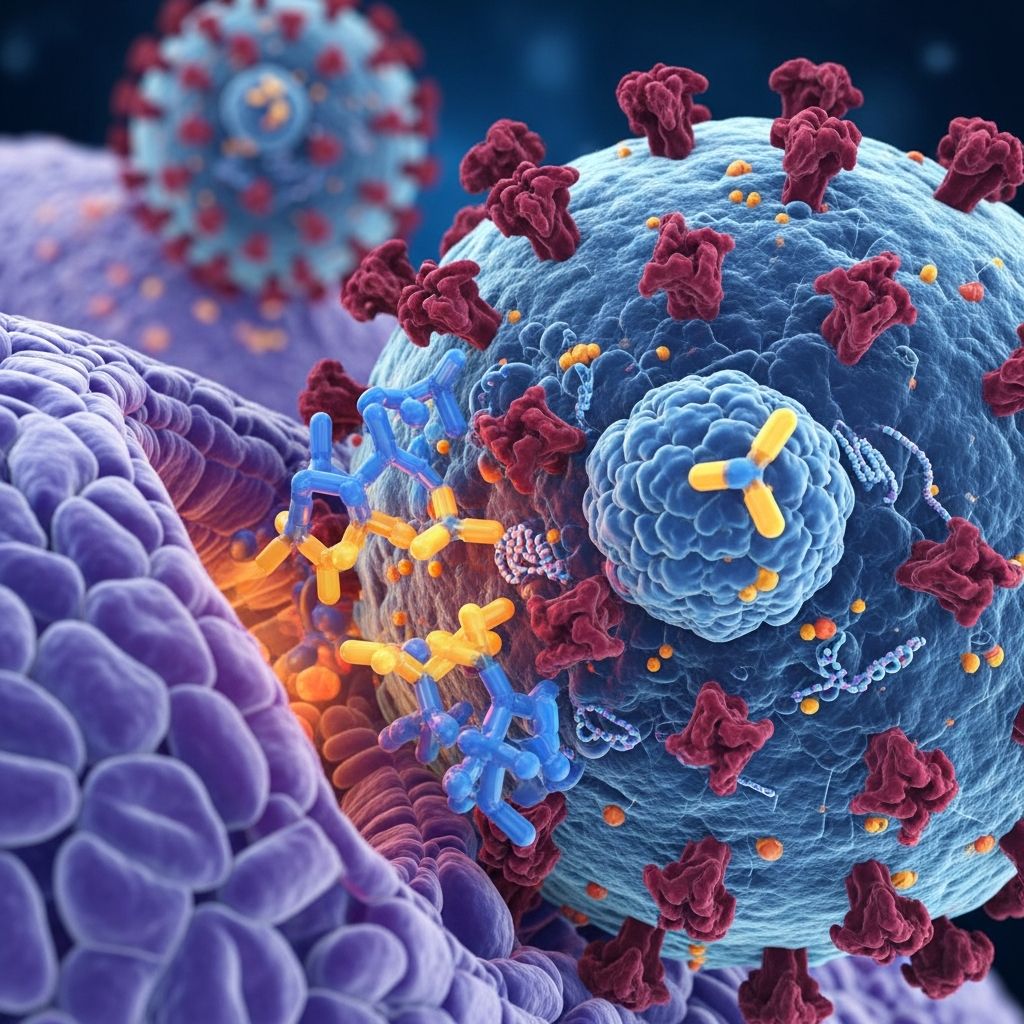
Enfuvirtide (Fuzeon) belongs to the class of fusion inhibitors, the first of its kind approved for HIV management. It works by preventing HIV-1 from entering and infecting CD4+ T cells, a critical step in viral replication. Specifically, enfuvirtide binds to the gp41 subunit of the HIV envelope glycoprotein, inhibiting the fusion of viral and cellular membranes.
This mechanism differs from other antiretrovirals like nucleoside reverse transcriptase inhibitors (NRTIs), non-nucleoside reverse transcriptase inhibitors (NNRTIs), or protease inhibitors (PIs), making it valuable for multidrug-resistant cases. Approved by the FDA in 2003, it is indicated for treatment-experienced patients with ongoing viral replication despite optimized regimens.
The European Medicines Agency (EMA) authorizes Fuzeon for HIV-1 patients who have failed regimens including at least one drug from each major class: PIs, NNRTIs, and NRTIs, or those intolerant to prior therapies.
Before taking enfuvirtide
Allergy
Do not use enfuvirtide if you have a known hypersensitivity to enfuvirtide or any excipients. Hypersensitivity reactions, though rare, can be severe and require immediate discontinuation.
Pregnancy and breastfeeding
Limited data exist on enfuvirtide use in pregnancy. Animal studies show no direct harm, but it is not recommended unless benefits outweigh risks. Consult healthcare providers for individualized assessment. Enfuvirtide is present in low levels in breast milk; breastfeeding is not advised for HIV-positive individuals to prevent transmission.
Babies and children
Approved for children aged 6 years and older. Dosing is weight-based: 2 mg/kg twice daily up to 90 mg. Safety and efficacy mirror adult trials, with studies ongoing in younger children at approval.
Taking other medicines and herbal supplements
Enfuvirtide has no significant drug interactions as it is not metabolized by CYP450 enzymes. It can be combined with other antiretrovirals without dose adjustments. Inform your doctor of all medications.
Commonly paired with optimized background therapy (OBT) including PIs boosted by ritonavir, integrase inhibitors, or CCR5 antagonists for maximal suppression.
Conditions to look out for
- History of injection-site reactions or skin conditions, as these are nearly universal.
- Coagulopathy or bleeding disorders, due to subcutaneous injections.
- Pneumonia risk: Monitor for bacterial pneumonia, observed more frequently in trials.
- Hepatic or renal impairment: No dose adjustment needed, as clearance is similar.
How and when to take enfuvirtide
Dosage
Adults: 90 mg subcutaneous injection twice daily (morning and evening, about 12 hours apart).
Children (6 years and older): 2 mg/kg body weight twice daily, maximum 90 mg per dose. Reconstitute powder with sterile water; use within 24 hours refrigerated.
Administering injections
- Wash hands and gather supplies: vial, diluent, syringe, needles.
- Reconstitute by slowly adding 1.1 mL sterile water to 108 mg vial, gently swirling to dissolve.
- Draw 1 mL (90 mg) into syringe; change needle for injection.
- Choose sites: upper arm, abdomen (avoid 2 inches around navel), anterior thigh. Rotate sites.
- Inject subcutaneously at 45-90 degree angle; do not inject into moles, scars, or bruised areas.
Related Stories



Careful aseptic technique is essential to prevent infections. Patients or caregivers must be trained.
Your course of treatment
Enfuvirtide is lifelong unless resistance develops or better options emerge. Use only in combination; monotherapy leads to rapid resistance. Regular viral load and CD4 monitoring guide therapy.
Side-effects of enfuvirtide
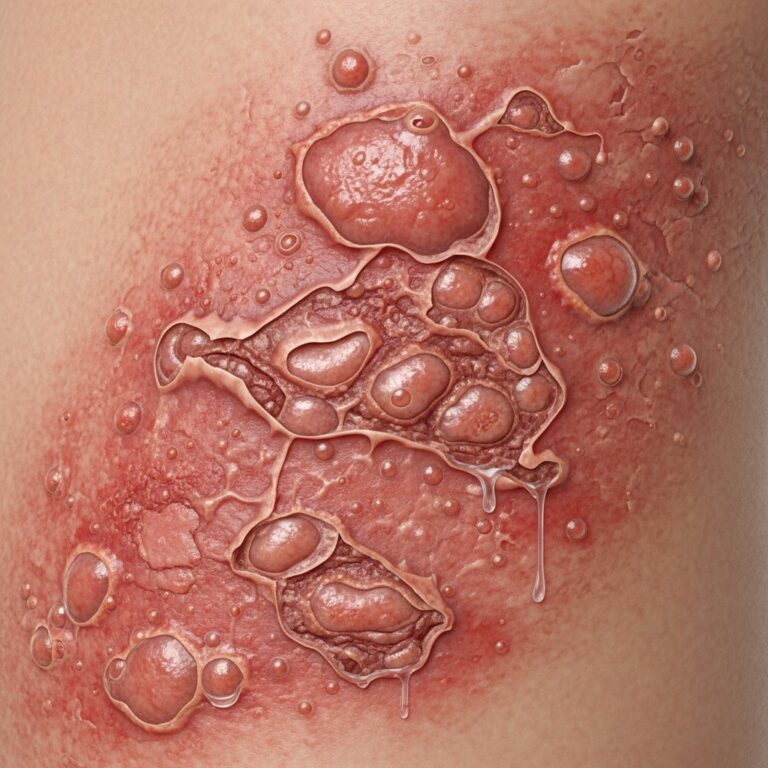
Injection-site reactions (ISRs) occur in >98% of patients, characterized by erythema, induration, nodules, pruritus, or ecchymosis. Most are mild-moderate, resolving in 7 days; rarely lead to discontinuation (3-5%).
| Common Side Effects (>10%) | Frequency |
|---|---|
| Injection-site reactions | 98% |
| Weight loss | ~10% |
| Insomnia, depression, anxiety | 5-10% |
| Sinusitis, constipation | 5-10% |
Hypersensitivity: Rash, fever, nausea, vomiting, chills, rigors, hypotension, respiratory distress (<1%). Discontinue immediately.
Increased pneumonia risk (4.4% vs 1.4% in controls), especially in advanced disease.
Other side-effects: doable or serious?
Most ISRs are manageable with site rotation, topical steroids, or antihistamines. Serious events like hypersensitivity or pneumonia require prompt medical attention. Report worsening symptoms.
What if I forget a dose?
Take as soon as remembered unless near next dose; do not double. Missing doses risks resistance. Use reminders or adherence aids.
Common questions about enfuvirtide
How effective is enfuvirtide?
In TORO 1 and 2 trials (n=995), adding enfuvirtide to OBT doubled viral suppression: 37% vs 16% achieved <50 copies/mL at 48 weeks. CD4 increases averaged 96 vs 45 cells/μL.
Does enfuvirtide cure HIV?
No, it suppresses replication but does not eradicate HIV. Patients remain infectious; use precautions.
How long until enfuvirtide works?
Viral load reductions seen within weeks; maximal at 24-48 weeks.
Can enfuvirtide be used in pregnancy?
Use cautiously; registry data limited.
What if I develop resistance?
Resistance mutations in gp41 (e.g., positions 36-38) reduce susceptibility. Switch regimens based on genotyping.
About patient.info
This article provides general information, not personalized advice. Consult healthcare professionals for decisions. Last reviewed for accuracy based on current guidelines.
References
- A review of its use in the management of HIV infection — de V Oldfield et al. Drugs. 2005-05-23. https://pubmed.ncbi.nlm.nih.gov/15907147/
- Fuzeon | European Medicines Agency (EMA) — EMA. Accessed 2026. https://www.ema.europa.eu/en/medicines/human/EPAR/fuzeon
- Fuzeon (enfuvirtide) — Roche. Accessed 2026. https://www.roche.com/solutions/pharma/productid-015a5df0-eafe-42ba-ab92-13652f88ad3e
- Enfuvirtide (Fuzeon) – Medical Clinical Policy Bulletins — Aetna. Accessed 2026. https://www.aetna.com/cpb/medical/data/600_699/0671.html
- Enfuvirtide FDA Label — FDA. 2004-11. https://www.accessdata.fda.gov/drugsatfda_docs/label/2004/21481s002lbl.pdf
- T-20 (enfuvirtide, Fuzeon) — CATIE. Accessed 2026. https://www.catie.ca/t-20-enfuvirtide-fuzeon
- Enfuvirtide (subcutaneous route) — Mayo Clinic. Accessed 2026. https://www.mayoclinic.org/drugs-supplements/enfuvirtide-subcutaneous-route/description/drg-20063642
Similar Articles








Read full bio of medha deb