EECP Therapy: Enhanced External Counterpulsation for Heart Disease
FDA-approved noninvasive therapy for chronic angina and heart disease symptoms.
What is Enhanced External Counterpulsation (EECP)?
Enhanced External Counterpulsation (EECP) is an FDA-approved noninvasive outpatient therapy designed to treat chronic stable angina and other long-term heart disease symptoms. This innovative treatment uses specialized pressure applied to the lower limbs to significantly improve blood flow to the heart, reducing chest pain and pressure that doesn’t respond well to conventional treatments. EECP therapy represents a breakthrough for patients with coronary artery disease who may not be candidates for surgical interventions or whose symptoms persist despite medication and lifestyle modifications.
The therapy is particularly valuable for individuals suffering from chronic stable angina, a condition affecting more than 10 million Americans. When you have angina, your heart doesn’t receive enough oxygen-rich blood due to narrowed or blocked arteries, causing symptoms such as chest pain or weakness that come and go during physical activity or stress. EECP works by applying gentle but firm pressure to blood vessels in your lower limbs, which increases blood flow back to your heart, allowing it to work more efficiently.
How Does EECP Therapy Work?
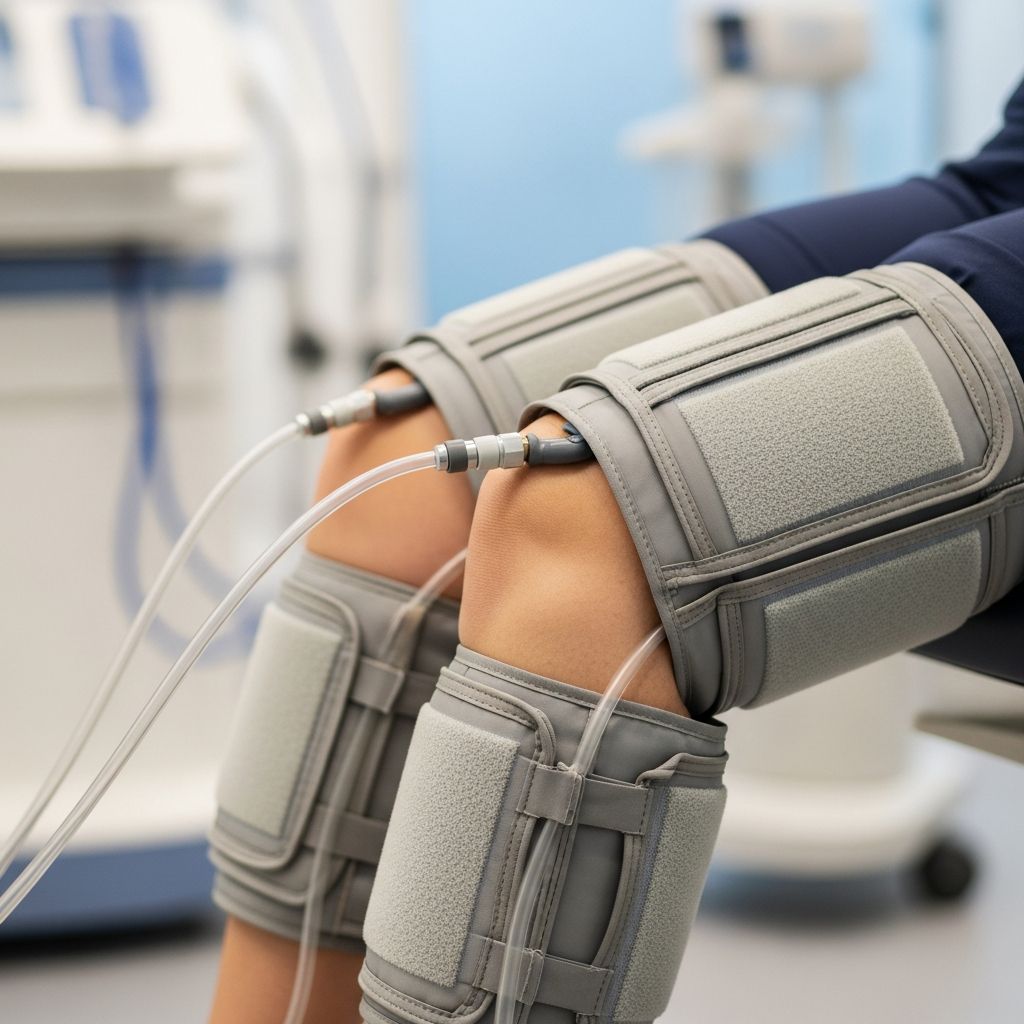
EECP therapy operates on a sophisticated principle of counterpulsation that synchronizes with your heart’s natural rhythm. The treatment uses three pairs of inflatable cuffs wrapped around your calves, thighs, and buttocks. These cuffs inflate and deflate in precise timing with your heartbeat, creating an effect that dramatically increases blood flow to your heart muscle.
The mechanics of EECP involve several coordinated steps. First, the cuffs inflate as soon as your heart rests, increasing blood supply to the arteries that deliver blood to your heart. EKG and blood pressure monitors synchronize this inflation and deflation with your heartbeat to ensure optimal timing. Then, the cuffs quickly deflate to make it easier for your heart to pump again, reducing the workload on the cardiac muscle. This rhythmic compression and decompression creates a beneficial pumping effect that enhances overall cardiac output.
One of the most significant benefits of EECP is its ability to encourage blood vessels to open new pathways for blood flow to the heart. These pathways eventually become what medical professionals call “natural bypass” vessels that help relieve symptoms of angina if your coronary arteries are narrowed or blocked. This process, known as angiogenesis, stimulates the formation of collateral circulation that can provide an alternative route for blood to reach heart tissue that was previously starved of oxygen.
Conditions Treated by EECP Therapy
EECP therapy is particularly effective for treating various cardiac conditions. The primary indication is chronic stable angina—a condition characterized by lack of sufficient blood flow to the heart that causes severe chest pain. However, the therapy benefits patients with multiple cardiovascular conditions, including:
- Coronary artery disease
- Severe coronary artery calcification
- High blood pressure
- Congestive heart failure
- Cardiomyopathy
- Post-heart attack complications
The procedure is particularly effective for people who have had coronary angioplasty, stents, or coronary artery bypass graft surgery but experienced a return of heart disease symptoms. EECP is also ideal for patients who are not candidates for surgery due to other medical conditions, those with diabetes, individuals with small blood vessels (often women), and those who rely on medications to control their symptoms.
The EECP Treatment Process
Pre-Treatment Evaluation
Before receiving EECP therapy, a comprehensive evaluation ensures you are a suitable candidate for the treatment. Your healthcare provider performs a thorough physical examination and exercise stress test to establish your baseline cardiac function and symptom patterns. Your provider also explains the procedure in detail and describes the equipment involved, ensuring you have a complete understanding of what to expect.
Related Stories



During Treatment Sessions
Each EECP treatment session lasts approximately one hour, conducted Monday through Friday for seven weeks, totaling 35 hours of therapy. During treatment, you relax or nap on a padded table while air fills the cuffs around your lower limbs. You’ll feel the cuffs grow tighter around your legs and bottom until they reach full treatment pressure. The sensation is generally comfortable, and once you become accustomed to it, the treatment should not cause pain or discomfort.
The synchronized inflation and deflation continue throughout your session, with EKG monitors continuously tracking your heart rhythm to ensure perfect timing between compressions and your cardiac cycle. The equipment automatically adjusts to match your individual heart rate, providing personalized therapy that responds to your body’s needs in real time.
Post-Treatment Activity
One of the significant advantages of EECP therapy is its minimal impact on your daily life. You can return to your regular daily routine immediately after treatment sessions. There are no restrictions on activity, and most patients find they can continue working and performing normal tasks without any limitations.
Benefits of EECP Therapy
EECP therapy offers multiple advantages for patients with chronic heart disease symptoms. The therapy can reduce your need for medication while simultaneously increasing your ability to be active without experiencing symptoms. This means you may be able to reduce the number of cardiac medications you take, potentially decreasing medication-related side effects and improving your quality of life.
Additional benefits include:
- Reduced Symptoms: Experience less shortness of breath and fatigue during daily activities and relief from other heart disease symptoms.
- Nonsurgical Option: EECP is a nonsurgical outpatient procedure that does not require you to take additional medication or undergo frequent blood work.
- Improved Quality of Life: More oxygenated blood reaching your heart means getting back to activities you thought you might “never do again.”
- More Activity Without Pain: Walk with confidence, climb stairs, and get back to doing more activities without chest pain or shortness of breath.
- Side Effect Profile: Side effects are usually minor, making EECP an exceptionally safe treatment option.
Candidate Selection for EECP
While EECP is an excellent treatment option, not every patient is a candidate for the therapy. Your healthcare provider will evaluate several factors to determine your suitability. EECP is primarily recommended for patients with disabling stable angina who are not suitable candidates for surgical intervention due to high risk of operative complications or failure.
Ideal candidates typically include patients who:
- Have chronic stable angina that limits daily activities
- Have not responded adequately to conventional medical therapy
- Have failed or declined coronary revascularization procedures
- Have significant contraindications to surgery or percutaneous intervention
- Seek a noninvasive alternative to medication management
Your healthcare provider will work with you to determine if you meet the criteria for EECP treatment and if this therapy is appropriate for your specific cardiac condition.
Historical Development and FDA Approval
The history of Enhanced External Counterpulsation dates back to the 1950s when researchers identified that increasing coronary perfusion could enhance blood flow to ischemic heart tissue. This concept led to the development of the intra-aortic balloon pump (IABP), a significant advancement in treating cardiogenic shock. In the 1960s, a team at Harvard University created a device that applied pressure to the lower extremities to improve cardiac output and perfusion.
The technology evolved significantly in 1976 when researchers introduced a more practical design using three compression cuffs that inflated and deflated in sync with the cardiac cycle. By the 1980s, further enhancements included the incorporation of hip counterpulsation balloons, leading to a new generation of EECP devices recognized by the international medical community. EECP gained FDA approval in the United States in 1995 for treating chronic stable angina and has since been integrated into clinical guidelines from major cardiovascular organizations, including the American Heart Association and the European Society of Cardiology.
Treatment Timeline and Expectations
The complete EECP therapy course spans seven weeks with daily one-hour sessions conducted Monday through Friday. During this time, you’ll receive comprehensive support and monitoring from your medical team. Before beginning treatment, you’ll participate in an orientation session that includes familiarization with the treatment room and equipment, a detailed explanation of the EECP process, a 15-minute trial run on the ECP machine, and an opportunity to address any questions you may have.
Pre-treatment and post-treatment exercise stress tests measure improvements in your exercise capacity and chest pain patterns. The pre-treatment test establishes your baseline, while the post-treatment test, conducted after 35 sessions, documents the improvements you’ve achieved. These objective measurements help both you and your healthcare provider understand the effectiveness of the therapy.
Understanding the Science Behind EECP
The fundamental principle of EECP treatment involves increasing the amount of blood returning to the heart, which helps supply more oxygen to areas that were previously oxygen-starved. With more oxygen available, the heart can function much more efficiently and, therefore, reduce chest pain. The precise electronic timing of cuff inflation and deflation to your heartbeat is crucial to this mechanism.
When the pressure cuffs inflate during your heart’s resting phase (diastole), they create a retrograde pulse wave that increases diastolic blood pressure and augments coronary perfusion pressure. This enhanced blood flow delivers more oxygen-rich blood to the coronary arteries, particularly benefiting areas with compromised circulation. When the cuffs deflate, they reduce the afterload on the heart, making it easier for the left ventricle to eject blood during its contraction phase (systole). This combination of increased diastolic filling and reduced systolic workload creates optimal conditions for improved cardiac efficiency.
Comparing EECP to Other Treatment Options
| Treatment Option | Invasiveness | Duration | Recovery Time | Medication Requirements |
|---|---|---|---|---|
| EECP Therapy | Noninvasive | 7 weeks (35 hours) | None – immediate return to activities | May reduce need for cardiac medications |
| Coronary Bypass Surgery | Invasive | Single procedure | 6-12 weeks | Ongoing cardiac medication management |
| Angioplasty/Stent Placement | Minimally invasive | Single procedure | 1-2 weeks | Antiplatelet medications required |
| Medical Management Only | Noninvasive | Ongoing | N/A | Multiple daily medications |
Frequently Asked Questions
Q: Is EECP therapy painful?
A: No, EECP therapy should not cause pain or discomfort. Once you become accustomed to the sensation of the pressure cuffs, the treatment is comfortable. You can relax or nap during your sessions.
Q: How long does each EECP treatment session last?
A: Each treatment session lasts approximately one hour. You’ll receive these sessions Monday through Friday for seven weeks, totaling 35 hours of therapy.
Q: Can I return to normal activities after EECP treatment?
A: Yes, you can return to your regular daily routine immediately after each treatment session. There are no restrictions on activity or special precautions needed.
Q: What are the side effects of EECP therapy?
A: Side effects are usually minor. Most patients tolerate the treatment very well with minimal adverse effects.
Q: How effective is EECP for chronic angina?
A: EECP therapy has demonstrated significant effectiveness in reducing angina symptoms and improving exercise capacity. Many patients experience substantial reductions in chest pain frequency and severity, with some patients able to reduce their cardiac medications.
Q: Am I a candidate for EECP if I’ve already had bypass surgery?
A: Yes. EECP is particularly effective for people who have had coronary angioplasty, stents, or coronary artery bypass graft surgery but experienced a return of heart disease symptoms.
Q: What makes EECP different from other cardiac treatments?
A: EECP is unique because it is noninvasive, requires no incisions or medications during treatment, can be performed in an outpatient setting, and may actually stimulate the formation of natural bypass vessels around blocked arteries.
Is EECP Right for You?
If you’re living with chronic stable angina or other heart disease symptoms that limit your ability to work, exercise, or enjoy daily activities, EECP therapy may offer a path to improved quality of life. Your healthcare provider can evaluate your specific condition, medical history, and treatment goals to determine whether EECP is an appropriate option for you.
The decision to pursue EECP therapy is a personal one that should be made in consultation with your cardiology team. They can explain how the therapy works, discuss potential benefits for your situation, address any concerns you may have, and help you understand realistic expectations for outcomes. For many patients, EECP represents a valuable noninvasive option that improves symptoms, reduces medication burden, and enhances overall quality of life without the risks associated with surgical intervention.
References
- EECP Therapy (Enhanced External Counterpulsation) — Cleveland Clinic. 2024. https://my.clevelandclinic.org/health/treatments/16949-enhanced-external-counterpulsation-eecp
- Enhanced External Counterpulsation — University Hospitals Samaritan Medical Center. 2024. https://www.uhhospitals.org/services/heart-and-vascular-services/conditions-and-treatments/chest-pain/enhanced-external-counterpulsation
- Enhanced External Counter Pulsation (EECP) — Michigan Medicine, University of Michigan. 2024. https://www.uofmhealth.org/our-care/specialties-services/enhanced-external-counter-pulsation-eecp
Similar Articles








Read full bio of Sneha Tete