Enhancing Cognitive Vitality in Parkinson’s
Discover proven strategies to sharpen mental acuity, boost memory, and maintain brain health while managing Parkinson's disease effectively.
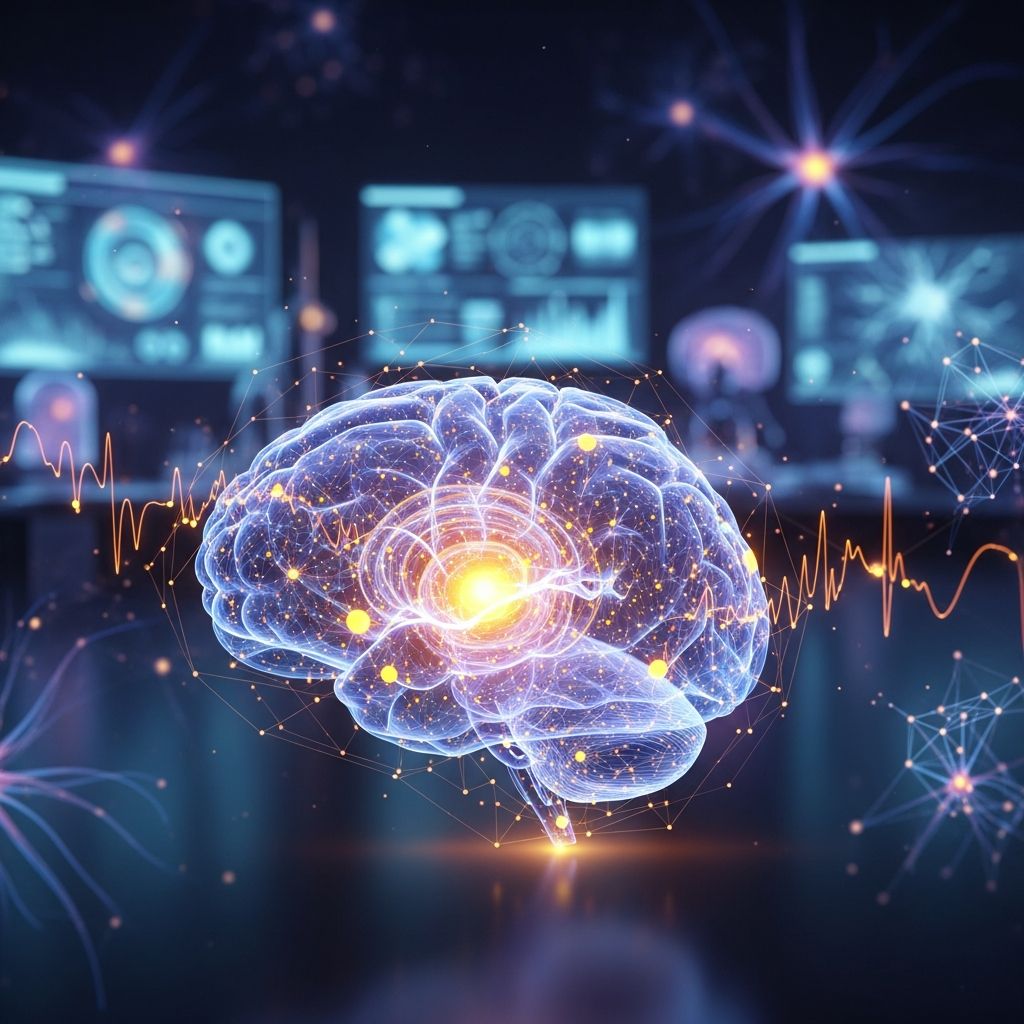
Parkinson’s disease often brings challenges to cognitive function, but targeted lifestyle adjustments can help preserve mental sharpness and improve quality of life. This article outlines evidence-based approaches drawn from clinical research and expert recommendations to support brain health.
Nutrition Strategies for Brain Support
A nutrient-dense diet plays a pivotal role in managing Parkinson’s symptoms and protecting neural pathways. Foods rich in antioxidants combat oxidative stress, a key factor in neurodegeneration.
- Antioxidant-rich produce: Berries, dark leafy greens, and colorful vegetables supply vitamins C and E, which shield brain cells from damage.
- Healthy fats: Omega-3s from salmon, flaxseeds, and avocados promote neuronal membrane integrity and reduce inflammation.
- Balanced protein intake: Opt for lean sources like nuts and whole grains, timing them to avoid interfering with levodopa absorption.
Adopting a Mediterranean-style eating pattern emphasizes whole foods, which may slow medication uptake into the brain while lowering cardiovascular risks. Limit processed items, excess sugars, and saturated fats to maintain steady energy and cognitive clarity.
| Food Group | Benefits for Parkinson’s | Examples |
|---|---|---|
| Fruits & Vegetables | High antioxidants, fiber for digestion | Blueberries, spinach, broccoli |
| Proteins | Sustained energy, muscle support | Salmon, nuts, legumes |
| Grains | Stable blood sugar for focus | Oats, quinoa, brown rice |
Physical Activity to Safeguard Thinking Skills
Regular exercise enhances dopamine utilization in brain cells, potentially slowing symptom progression and cognitive decline. A 2025 study in Neurology found that active individuals with early Parkinson’s exhibited reduced brain atrophy in memory and attention regions, explaining up to 37% of memory benefits.
Aerobic activities increase heart rate, improving cerebral blood flow and neuroplasticity. Even household tasks or walking contribute to these gains.
- Start with 30 minutes daily of brisk walking or cycling.
- Incorporate balance exercises like tai chi to address motor symptoms.
- High-intensity interval training, if tolerated, boosts dopamine efficiency.
Consult a physician before intensifying routines, especially to adapt for mobility limitations.
Prioritizing Restorative Sleep
Quality sleep is essential for memory consolidation and brain detoxification via the glymphatic system. Aim for 6-8 hours nightly with a consistent schedule.
- Maintain fixed bed and wake times.
- Create a sleep-friendly environment: cool, dark, quiet.
- Avoid evening caffeine and screens; opt for relaxation like reading or gentle stretches.
Poor sleep exacerbates attention deficits and executive function issues common in Parkinson’s. Naps should be short and scheduled early in the day.
Mental Stimulation Through Engaging Pursuits
Challenging the brain with novel tasks fosters neural connections and resilience. Diverse activities prevent cognitive stagnation.
- Puzzles and games: Sudoku, crosswords sharpen problem-solving.
- Learning skills: New languages or instruments enhance processing speed.
- Creative outlets: Writing journals or playing music stimulates multiple brain areas.
Related Stories



Video games can improve reaction time and spatial awareness, offering accessible mental workouts.
Fostering Social Connections
Social interactions buffer against isolation, which accelerates cognitive decline. Laughter and companionship activate reward centers and reduce stress.
- Join support groups for shared experiences.
- Host gatherings or dine with friends.
- Volunteer or participate in community events to build meaningful bonds.
These connections boost emotional well-being and memory retention.
Stress Reduction Techniques
Chronic stress amplifies Parkinson’s symptoms and impairs cognition. Daily mindfulness practices counteract this.
- Meditate 15 minutes: Focus on breath to gain clarity.
- Practice progressive muscle relaxation.
- Incorporate humor: Watch comedies to stimulate memory regions and lower cortisol.
Mindfulness promotes presence, easing anxiety about disease progression.
Medication and Routine Management
A structured daily plan ensures timely dosing, aiding symptom control and cognitive stability.
- Use pill organizers and alarms.
- Pair with exercise logs for accountability.
- Track digestion and sleep alongside meds for holistic adjustments.
The Role of Caffeine and Music
Moderate caffeine (one cup daily) may mitigate motor issues, enhance memory, and combat depression. Music therapy engages cognitive and motor functions; singing or dancing delays symptom onset.
- Curate playlists for mood and movement.
- Dance sessions combine physical and social benefits.
Building a Comprehensive Daily Plan
Integrate these elements for synergy:
- Morning: Aerobic exercise + antioxidant breakfast.
- Midday: Cognitive challenge + social call.
- Afternoon: Creative hobby or puzzle.
- Evening: Meditation, light reading, early bedtime.
Monitor progress with a journal to refine habits.
Frequently Asked Questions
How soon can I expect cognitive improvements from these tips?
Benefits vary; studies show memory gains within months of consistent exercise.
Is the Mediterranean diet safe with Parkinson’s medications?
Yes, but time proteins away from levodopa doses; consult your doctor.
What if exercise is difficult due to mobility issues?
Begin with seated aerobics or water therapy for low-impact gains.
Can these strategies prevent dementia in Parkinson’s?
They support brain health but do not guarantee prevention; early adoption helps.
How much social interaction is ideal weekly?
2-3 meaningful engagements suffice to sustain cognitive sharpness.
Implementing these strategies empowers individuals with Parkinson’s to actively nurture brain health, fostering resilience amid challenges.
References
- Tips for Daily Living: 12 Ways to Boost Your Brain Power — Parkinson’s Foundation. 2023. https://www.parkinson.org/blog/tips/brain-power
- Tips for Mental Well-being and Memory — Parkinson’s Foundation. 2023. https://www.parkinson.org/blog/awareness/memory
- 10 Ways to Manage Your Parkinson’s Symptoms — PhotoPharmics. 2023. https://photopharmics.com/10-ways-to-manage-your-parkinsons-symptoms-and-enhance-your-life/
- Staying Active May Slow Brain Changes in Early Parkinson’s Disease — American Academy of Neurology. 2025-08-06. https://www.aan.com/PressRoom/Home/PressRelease/5276
- Parkinson’s Disease Self-Care: 5 At-Home Tips — Stony Brook Medicine. 2023. https://health.stonybrookmedicine.edu/parkinsons-disease-self-care/
- Helpful Self-Care Tips If You Have Parkinson’s Disease — GoodRx. 2023. https://www.goodrx.com/conditions/parkinsons-disease/parkinsons-disease-self-care-tips
Similar Articles








Read full bio of Sneha Tete