Enhancing Mobility in Parkinson’s Disease
Discover proven strategies and therapies to improve movement, balance, and independence for those living with Parkinson's disease.
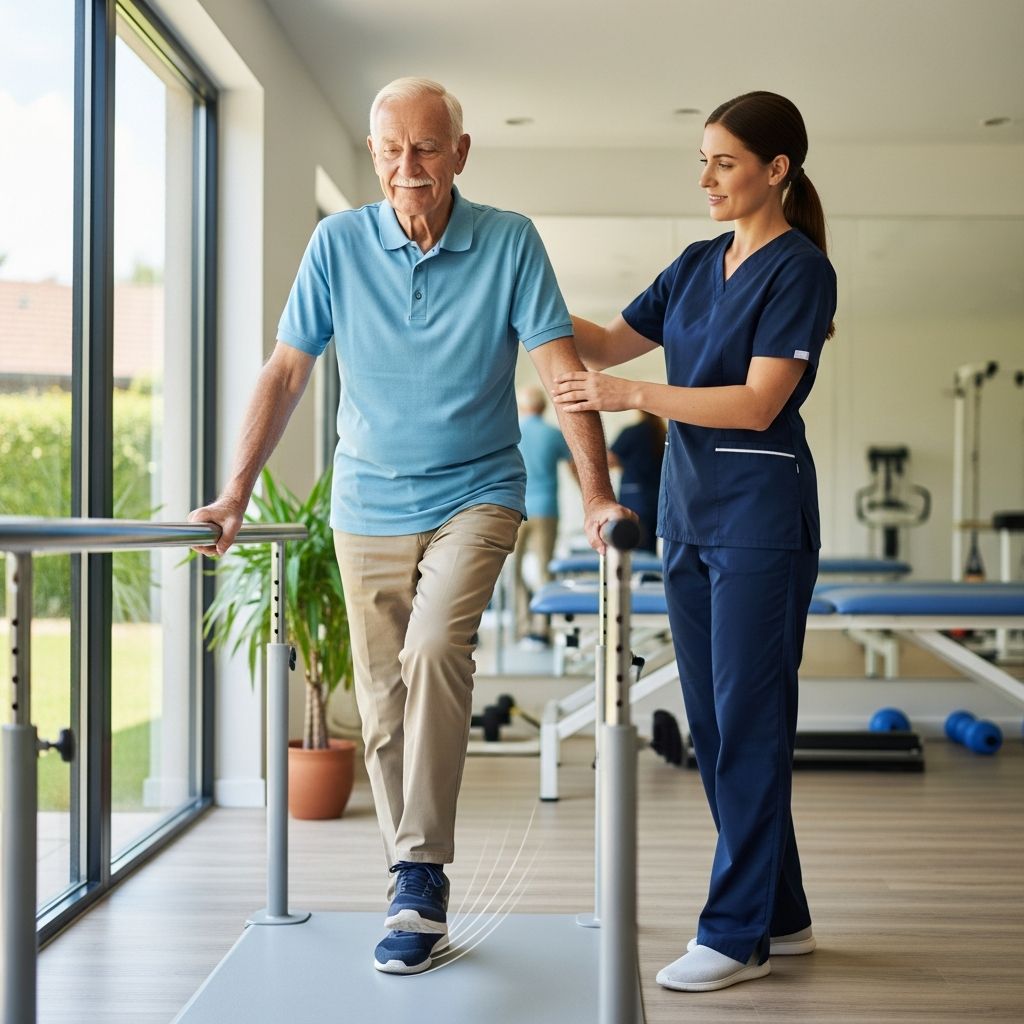
Parkinson’s disease progressively impacts movement, leading to challenges like slowed walking, stiffness, and balance issues that affect daily life. Targeted physical interventions, including customized exercises and therapies, can significantly improve gait, strength, and stability, helping individuals maintain independence and reduce fall risks.
Understanding Movement Challenges in Parkinson’s
The neurological changes in Parkinson’s disrupt the brain’s control over muscles, resulting in symptoms such as bradykinesia (slowness of movement), rigidity, tremors, and postural instability. These issues often manifest as a shuffling gait, reduced arm swing, and episodes of freezing, where steps hesitate or stop abruptly. Over time, these can lead to decreased activity levels, muscle weakness, and a heightened risk of falls, which are a leading cause of injury in this population.
Early recognition of these mobility deficits is crucial. Balance deteriorates due to impaired coordination and proprioception—the body’s sense of position in space. Without intervention, simple tasks like rising from a chair, turning while walking, or navigating uneven surfaces become daunting, fostering dependency and reducing quality of life.
Key Benefits of Physical Activity for Mobility
Regular exercise tailored to Parkinson’s needs preserves muscle function, enhances cardiovascular health, and promotes neuroplasticity—the brain’s ability to adapt and form new connections. Studies show that consistent physical therapy slows symptom progression, improves walking speed and stride length, and boosts overall well-being.
- Aerobic activities like cycling or swimming elevate heart rate, combating fatigue and enhancing endurance.
- Strength-building exercises counteract muscle wasting, supporting posture and movement initiation.
- Flexibility routines alleviate rigidity, allowing smoother joint motion.
- Balance-focused practices such as Tai Chi sharpen stability and reaction times.
Patients engaging in these report fewer freezing episodes and greater confidence in daily tasks.
Core Physical Therapy Techniques
Physical therapists design individualized programs addressing specific impairments. These combine hands-on methods with patient-led exercises for optimal results.
Gait Improvement Strategies
Gait training targets shuffling and freezing by emphasizing larger steps, upright posture, and rhythmic cues. Therapists use metronomes, laser lines on floors, or rhythmic counting to override bradykinesia. Progressive resistance during treadmill walking builds leg power and stride consistency.
Visual cues, like stepping over imagined lines or following floor markers, prove effective for initiating movement. Dual-task training—walking while performing cognitive tasks like naming objects—enhances real-world adaptability.
Strengthening and Resistance Training
Progressive resistance training (PRT) gradually increases muscle load using weights, bands, or body weight. This method strengthens lower limbs, improving walking speed and reducing fall risks. Research confirms PRT diminishes bradykinesia and elevates functional performance in mild to moderate cases.
| Exercise Type | Target Areas | Frequency | Benefits |
|---|---|---|---|
| Squats with resistance bands | Legs, core | 3 sets of 10, 3x/week | Increases power for standing and walking |
| Seated leg presses | Quadriceps, hamstrings | 2-3 sets of 12, daily | Boosts stride length and stability |
| Wall pushes | Upper body, posture | 10 reps, 4x/week | Improves arm swing and balance |
Flexibility and Rigidity Management
Rigidity limits range of motion, so passive and active stretching is essential. Passive range-of-motion (PROM) involves therapist-assisted joint movements, while active versions encourage patient effort. Techniques like proprioceptive neuromuscular facilitation (PNF) alternate contraction and relaxation to deepen stretches.
Related Stories



Incorporate daily routines: neck rolls, shoulder shrugs, and ankle circles to ease stiffness and prevent contractures.
Advanced Interventions for Better Movement
Balance and Postural Training
Postural instability heightens fall risks, but targeted exercises like the Bobath approach normalize muscle tone and enhance proprioception. Standing on foam pads or single-leg balances, progressed with eyes closed, refines stability.
Tai Chi’s slow, flowing movements improve dynamic balance and reduce falls by 50% in some studies.
Cueing and Music-Based Therapies
External cues bypass internal movement glitches. Auditory cues (metronomes or music beats) synchronize steps, while visual aids like canes with lasers guide foot placement. Music therapy combines rhythm with enjoyment, improving gait velocity, balance, and mental health without straining patients.
Technology-Assisted Options
Robot-assisted gait training (RAGT) uses devices to guide natural walking patterns with adjustable resistance, fostering strength and neuroplasticity. Though emerging, it shows promise for severe cases. Dual-task and cueing apps on smart devices offer home-based reinforcement.
Preventing Falls and Ensuring Safety
Falls affect up to 70% of Parkinson’s patients annually. Prevention involves home modifications like removing rugs, installing grab bars, and using assistive devices such as walkers with laser guides.
- Practice safe turning: Take smaller, wider arcs instead of pivoting.
- Use rhythmic breathing to initiate steps during freezes.
- Schedule exercises during ‘on’ medication periods for peak performance.
Medication adherence and timed dosing optimize therapy effectiveness.
Building a Sustainable Home Exercise Plan
Consistency trumps intensity. Start with 20-30 minute sessions, 4-5 days weekly, monitored by a therapist. Track progress with simple metrics: walking distance, step count, or Timed Up and Go test.
Partner with family for motivation and safety. Apps or journals log sessions, adjusting for ‘off’ periods when symptoms peak.
Role of Multidisciplinary Care
Mobility management extends beyond PT. Occupational therapists adapt environments, speech therapists address dual-task swallowing issues, and neurologists fine-tune medications. Holistic care maximizes outcomes.
Frequently Asked Questions
How soon do mobility exercises show results?
Improvements in gait and balance often appear within 4-6 weeks of consistent therapy, with sustained benefits over months.
Can exercise slow Parkinson’s progression?
While not curative, regular activity preserves function and may promote brain plasticity, delaying severe impairments.
Are group classes effective?
Yes, programs like Dance for PD or Rock Steady Boxing build community and skills through fun, structured movement.
What if freezing persists at home?
Employ cues like counting aloud, stepping to music, or backward steps to restart forward motion.
Empowering Long-Term Independence
Mobility challenges in Parkinson’s are manageable with proactive strategies. By integrating therapy, exercise, and adaptive tools, individuals can sustain activity levels, minimize risks, and embrace fulfilling lives. Consult professionals to tailor plans, ensuring safety and efficacy.
References
- Improving Mobility in Parkinson’s Disease — Abilities Abound Physical Therapy & Wellness Center. 2023. https://abilitiesapwc.com/improving-mobility-in-parkinsons-disease/
- General Treatments Promoting Independent Living in Parkinson’s — PMC (PubMed Central). 2024-05-15. https://pmc.ncbi.nlm.nih.gov/articles/PMC11123276/
- Parkinson’s – Physiotherapy Management and Interventions — Physio-pedia. 2024. https://www.physio-pedia.com/Parkinson’s_-_Physiotherapy_Management_and_Interventions
- 10 Ways to Manage Your Parkinson’s Symptoms — PhotoPharmics. 2023. https://photopharmics.com/10-ways-to-manage-your-parkinsons-symptoms-and-enhance-your-life/
- Trouble Moving or Walking — Parkinson’s Foundation. 2024. https://www.parkinson.org/understanding-parkinsons/movement-symptoms/trouble-moving
Similar Articles








Read full bio of Sneha Tete