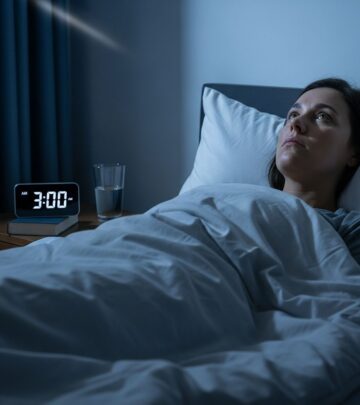
Enhancing Rest Quality with Parkinson’s Disease
Practical strategies to overcome sleep challenges and improve nighttime rest with Parkinson's

Understanding Sleep Disruption in Parkinson’s Disease
Parkinson’s disease profoundly affects the body’s capacity to achieve restorative sleep. Between 60 and 90 percent of individuals with this neurological condition experience significant sleep-related difficulties. The relationship between Parkinson’s and sleep disturbance is multifaceted, stemming from the disease’s progressive impact on brain structures that regulate sleep-wake cycles.
The underlying neurological changes in Parkinson’s extend beyond movement control regions. The disease damages the brainstem and hypothalamus—critical structures responsible for orchestrating sleep and wakefulness. As these areas deteriorate, the loss of essential neurotransmitters including dopamine, norepinephrine, and orexin disrupts the body’s internal clock and impairs the brain’s capacity to regulate healthy sleep patterns.
Research indicates that individuals with Parkinson’s average slightly more than five hours of sleep per night and experience twice as many awakenings compared to adults without the condition. This fragmented sleep architecture—where sleep is interrupted multiple times during the night—represents one of the most prevalent complaints among those with Parkinson’s.
How Parkinson’s Symptoms Interfere with Nighttime Rest
Parkinson’s manifests through motor symptoms that directly compromise sleep comfort and continuity. Understanding these mechanisms is essential for developing effective intervention strategies.
Motor-Related Sleep Disruptions
The motor symptoms characteristic of Parkinson’s create substantial obstacles to quality sleep. Nocturnal rigidity—the stiffening of muscles during nighttime hours—makes positional changes in bed extremely difficult. Many individuals struggle to turn over, leading to discomfort that necessitates waking. Tremor, while typically diminished during sleep, can still trigger awakenings in some people.
Painful muscle cramping known as dystonia represents another significant motor-related sleep disruptor. These involuntary muscle contractions can jolt individuals awake, fragmenting sleep architecture and reducing the opportunity for restorative rest cycles.
Non-Motor Sleep Challenges
Beyond motor symptoms, non-motor aspects of Parkinson’s substantially impact sleep quality. Nocturia—the excessive need to urinate during nighttime hours—stands as a leading cause of fragmented sleep. The frequent necessity to rise and use the bathroom interrupts sleep cycles and prevents the extended uninterrupted rest required for proper sleep consolidation.
Pain, anxiety, and depression frequently accompany Parkinson’s and contribute substantially to insomnia. The prevalence of chronic pain in Parkinson’s populations reaches approximately 46 percent, with pain directly causing sleep disruption. Anxiety and depression, which often develop alongside Parkinson’s, are frequently intertwined with sleep disturbances.
Medication-Related Considerations
While Parkinson’s medications are essential for managing movement symptoms, certain pharmaceutical interventions can paradoxically worsen sleep. Specific medications—including amantadine immediate release, Osmolex ER (amantadine extended release), and Zelapar (selegiline)—may trigger insomnia when administered too close to bedtime. Vivid dreams represent a common side effect of levodopa-based medications such as Sinemet, potentially disturbing sleep.
The phenomenon of “wearing off” creates particular nocturnal challenges. As medication effectiveness diminishes overnight, Parkinson’s symptoms re-emerge and intensify, causing awakenings that fragment sleep.
Related Stories



Identifying Your Specific Sleep Pattern
Sleep problems in Parkinson’s take various forms, and accurate identification of your particular sleep challenge enables targeted intervention. Common sleep disturbances include:
- Sleep Fragmentation: Frequent, prolonged awakenings throughout the night with difficulty returning to sleep
- Early Morning Awakening: Waking early in the morning and inability to resume sleep, sometimes influenced by previous work schedules or habitual bedtimes
- Excessive Daytime Sleepiness: Overwhelming fatigue during waking hours, potentially increasing accident risk and impairing safe activities like driving
- REM Sleep Behavior Disorder: Acting out dreams through yelling, screaming, punching, or other physical movements
- Inverted Sleep Cycles: Spending excessive daytime hours sleeping while remaining awake at night
Practical Modifications for Improved Nighttime Comfort
Creating an optimal sleep environment and adjusting daily habits can substantially improve sleep quality despite Parkinson’s-related challenges.
Bedroom Environment Optimization
Environmental factors significantly influence sleep quality. Maintaining a cool, dark, and quiet bedroom establishes conditions conducive to restorative sleep. Reducing external stimuli such as light, noise, and temperature fluctuations minimizes sleep disruptions.
Specialized bedding materials can facilitate easier movement during nighttime positioning changes. Satin sheets and silk pajamas reduce friction, enabling smoother transitions when adjusting sleep position—particularly important for individuals experiencing nocturnal rigidity. These simple material modifications can prevent sleep interruptions caused by difficulty repositioning.
Managing Daytime Sleep Patterns
Daytime napping patterns significantly influence nighttime sleep architecture. Frequent napping during daylight hours can establish a problematic cycle where individuals remain awake at night while spending excessive time sleeping during the day. Limiting daytime naps or consolidating them into scheduled rest periods helps preserve nighttime sleep drive and maintain more typical sleep-wake cycles.
Adjusting Sleep Schedules
Early morning awakening—whether stemming from habit or neurological factors—may require intentional schedule adjustment. Modifying bedtime or establishing new sleep windows can help realign sleep patterns with desired rest periods.
Medication Timing and Management Strategies
Coordinating Parkinson’s medication administration with sleep schedules represents a critical intervention approach. Discussing medication timing with healthcare providers can optimize therapeutic benefit while minimizing sleep-disrupting side effects.
Timing Considerations
Medications known to cause insomnia should be administered earlier in the day, allowing adequate time for their effects to diminish before bedtime. Conversely, healthcare providers may strategically adjust dosing schedules by adding longer-acting medications at bedtime or administering additional doses if motor symptoms awaken individuals during the night.
Addressing Medication Wearing-Off Effects
The re-emergence of motor symptoms as medication effectiveness wanes during nighttime hours creates predictable sleep disruption. Medication schedule modifications tailored to individual sleep patterns can reduce this wearing-off phenomenon and maintain symptom control throughout the night.
Mental Health Integration in Sleep Management
The interconnection between mood disorders and sleep disturbances in Parkinson’s demands attention to psychological factors. Anxiety and depression frequently co-occur with insomnia, suggesting that treating underlying mental health conditions may improve sleep outcomes.
Healthcare providers often investigate potential depression or anxiety in individuals with Parkinson’s who report sleep difficulties. Addressing these mental health dimensions through appropriate therapeutic interventions may simultaneously improve both mood and sleep quality.
Addressing Nocturia and Nighttime Urination
Excessive nighttime urination ranks among the most common sleep disruptions in Parkinson’s populations. Practical strategies include limiting fluid intake several hours before bedtime, spacing fluid consumption throughout the day, and discussing with healthcare providers whether diuretic medications or other contributing factors can be adjusted.
Additional urological considerations may apply if benign prostatic hypertrophy or other conditions contribute to nocturia. Comprehensive evaluation by healthcare providers can identify treatable factors.
Frequently Asked Questions About Parkinson’s and Sleep
Do Parkinson’s patients experience tremor during sleep?
Resting tremor, the characteristic tremor of Parkinson’s disease, typically ceases or substantially diminishes when sleep begins. Even when tremor persists during sleep, its amplitude typically reduces by up to 50 percent compared to waking levels. However, some individuals still experience tremor-induced sleep onset insomnia.
Can Parkinson’s medications cause sleep problems?
Yes, certain Parkinson’s medications can contribute to sleep disruptions. Medications such as amantadine immediate release, Osmolex ER, and Zelapar may cause insomnia, particularly when taken too close to bedtime. Levodopa-based medications like Sinemet frequently produce vivid dreams. Working with healthcare providers to adjust medication timing can minimize these effects.
What percentage of Parkinson’s patients experience sleep difficulties?
Research indicates that between 60 and 90 percent of individuals with Parkinson’s disease experience significant sleep-related issues. Sleep fragmentation affects more than 30 percent of the Parkinson’s population.
How does Parkinson’s affect REM sleep?
Studies show that individuals with Parkinson’s spend significantly less time in REM sleep—the deepest and most restorative sleep phase—compared to age-matched adults without the disease. Some research indicates increased REM sleep particularly in individuals with coexisting depression.
Is excessive daytime sleepiness dangerous?
Yes, excessive daytime sleepiness in Parkinson’s can substantially impact safety and quality of life. Individuals experiencing disabling sleepiness have increased accident risk and may be unable to safely operate motor vehicles. Up to one-third of Parkinson’s patients experience disabling excessive daytime sleepiness.
When to Consult Healthcare Providers
Sleep disturbances in Parkinson’s warrant professional evaluation, particularly when sleep problems significantly impact daytime functioning or quality of life. Healthcare providers can assess whether sleep difficulties result from Parkinson’s symptoms, medication effects, co-occurring mental health conditions, or other medical factors amenable to treatment.
Early recognition and appropriate management of sleep issues prevents the vicious cycle where poor nighttime sleep worsens daytime Parkinson’s symptoms, which in turn further disrupts nighttime rest.
Conclusion: Comprehensive Approaches to Sleep Quality
Achieving quality sleep with Parkinson’s disease requires multifaceted approaches addressing the disease’s neurological effects, symptom management, medication coordination, and psychological factors. Through environmental modifications, strategic medication timing, attention to mental health, and professional guidance, individuals with Parkinson’s can substantially improve their sleep quality and overall well-being.
References
- Fatigue & Sleep | Parkinson’s Disease — Michael J. Fox Foundation for Parkinson’s Research. https://www.michaeljfox.org/symptoms/fatigue-sleep
- Sleep Problems in Parkinson’s | APDA — American Parkinson Disease Association. https://www.apdaparkinson.org/what-is-parkinsons/symptoms/sleep-problems/
- A Guide to Understanding and Managing Sleep Problems in Parkinson’s Disease — Photopharmics. https://photopharmics.com/a-guide-to-understanding-and-managing-sleep-problems-in-parkinsons-disease/
- Parkinson’s Disease: Sleep Disturbances and Fatigue — Sleep Foundation. https://www.sleepfoundation.org/physical-health/parkinsons-disease-and-sleep
- Sleep Problems in Parkinson’s — Parkinson’s Foundation. https://www.parkinson.org/library/fact-sheets/sleep
- Sleep and Parkinson Disease — PMC/NIH. https://pmc.ncbi.nlm.nih.gov/articles/PMC6140184/
- Sleep Problems in Parkinson’s Disease: Essential Facts for Patients — Movement Disorder Society. https://www.movementdisorders.org/MDS/Resources/Patient-Education/Sleep-Problems-in-Parkinsons-Disease.htm
Similar Articles








Read full bio of medha deb