Enhancing The Flavor Of Your Meals: 7 Dietitian Tips
Discover seven simple techniques to boost flavor in home-cooked meals while preserving nutrition and quality.
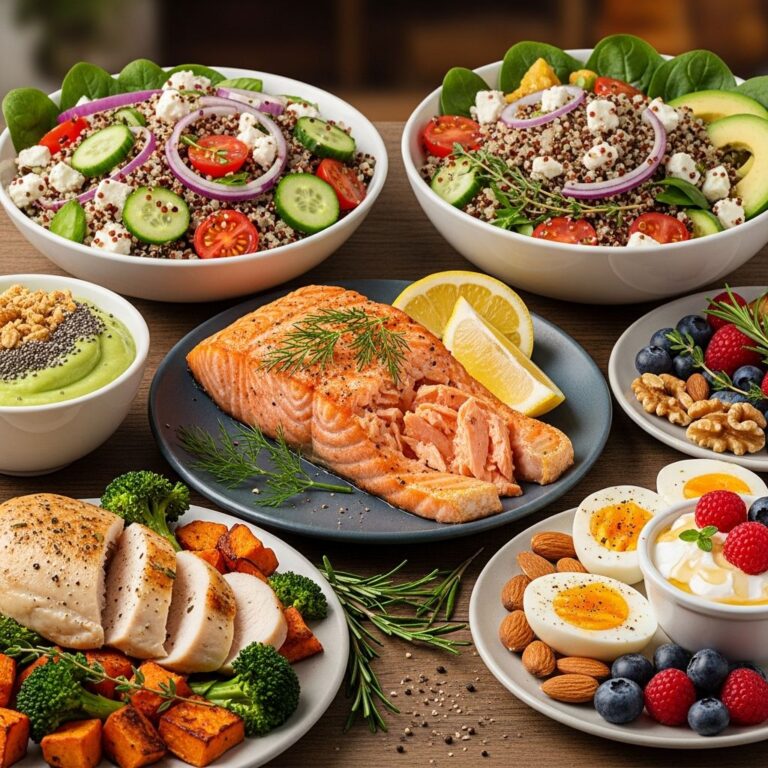
Cooking at home offers numerous benefits, including better health outcomes, cost savings, and the joy of creating personalized dishes. Since flavor often drives food choices more than nutrition alone, prioritizing taste ensures you enjoy and stick to nutritious meals. To achieve this, begin with high-quality ingredients such as tender meats, unblemished fresh produce, and properly stored frozen items free of ice crystals. Proper handling and storage preserve both flavor and nutritional value, as poor practices can degrade quality over time.
Overcooking is a common pitfall that diminishes flavor, nutrients, color, and texture. Opt for gentler methods like steaming to retain these qualities, while high-heat techniques can enhance flavors when applied correctly. Quality ingredients respond best to cooking—poor ones cannot be salvaged, but excellent ones shine with the right approach. Experimenting with flavor combinations not only makes meals exciting but also encourages variety in nutrient intake.
Try These Seven Simple Techniques to Enhance the Flavors of Food
Here are seven evidence-based strategies from registered dietitians to transform ordinary ingredients into extraordinary dishes. These methods emphasize balance, boldness, and technique to maximize taste without excess calories or sodium.
1. Intensify the Flavors of Meat, Poultry and Fish with High-Heat Cooking Techniques
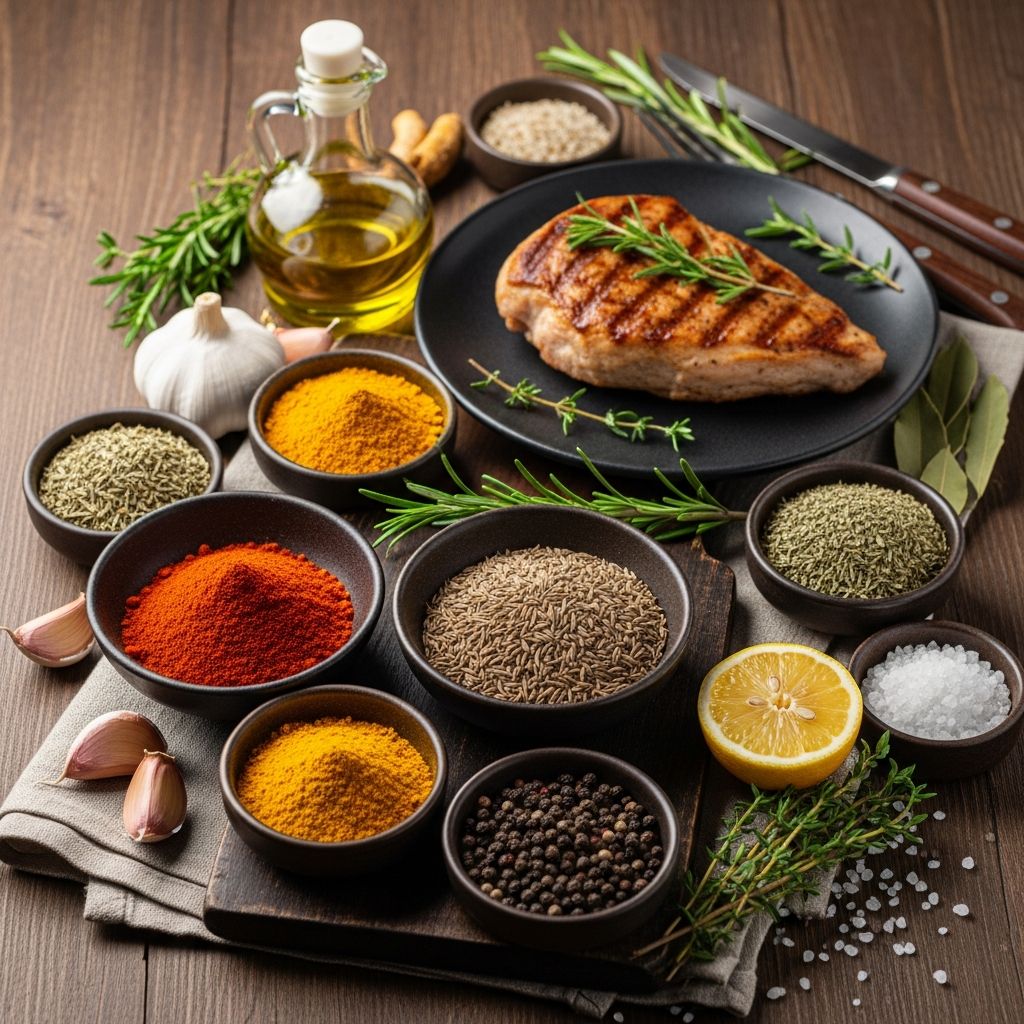
High-heat methods like pan-searing, grilling, or broiling create the Maillard reaction—a chemical process where amino acids and sugars react under heat to produce complex, savory flavors and appealing browning. This technique works wonders on steaks, chicken breasts, fish fillets, and even tofu. For best results, pat proteins dry, season simply with salt and pepper, and use a hot surface. Sear for 3-5 minutes per side depending on thickness, aiming for an internal temperature of 145°F for fish or 165°F for poultry to avoid overcooking.
Avoid burning or charring, as this introduces bitter compounds and potential carcinogens. Instead, finish thicker cuts in a 400°F oven if needed. This method not only boosts umami but also reduces moisture loss, concentrating natural flavors. Pair seared meats with fresh herbs post-cooking to lock in aroma.
2. Roast Veggies in a Very Hot (450°F) Oven or Grill for a Sweet, Smoky Flavor
Roasting vegetables at high temperatures caramelizes their natural sugars, yielding sweet, smoky notes far superior to boiling or steaming alone. Preheat your oven to 450°F or heat a grill to medium-high. Cut sturdy veggies like broccoli, cauliflower, Brussels sprouts, carrots, potatoes, or zucchini into even pieces. Toss lightly with a high smoke point oil such as avocado or grapeseed (1-2 teaspoons per pound), and season with salt, pepper, and herbs like rosemary, thyme, or garlic powder.
Spread in a single layer on a baking sheet or grill basket, roasting for 20-30 minutes, flipping halfway. The edges should crisp and brown, intensifying flavors. This technique preserves vitamins better than prolonged boiling and adds dietary fiber appeal. Experiment with root vegetables in winter or zucchini in summer for seasonal variety.
3. Caramelize Sliced Onions to Bring Out Their Natural Sweetness
Caramelization transforms humble onions into a rich, sweet base for sauces, toppings, or sides. Thinly slice 2-3 large onions and cook slowly over low-medium heat in 1-2 tablespoons of oil or butter for 30-45 minutes. Stir occasionally, allowing them to soften, turn golden, and develop deep flavors as sugars break down. Patience is key—rushing with high heat leads to burning.
Related Stories



Deglaze the pan with balsamic vinegar, broth, or wine for a luxurious sauce perfect over grilled meats or poultry. Caramelized onions add depth to burgers, pizzas, salads, or grain bowls, providing antioxidants and prebiotic fiber. Store extras in the fridge for up to a week to elevate quick meals.
4. Pep It Up with Peppers! Use Red, Green and Yellow Peppers of All Varieties
Peppers deliver vibrant color, crunch, and heat levels from sweet bell varieties to fiery habaneros or dried chilies. Capsaicin in hot peppers stimulates endorphin release, enhancing enjoyment, while all types provide vitamin C—more per serving than oranges. Sauté sliced bells with garlic for fajitas, roast for salads, or blend dried ones into rubs and sauces.
A dash of hot sauce like sriracha or Tabasco adds punch without bulk. Start mild and build heat to suit preferences. Peppers balance richness in fatty meats or creamy dishes, cutting through with acidity and spice.
5. Add a Tangy Taste with Citrus Juice or Grated Citrus Peel
Citrus introduces brightness and acidity that lifts heavy flavors, tenderizes proteins, and balances sweetness or fat. Squeeze fresh lemon, lime, or orange juice over finished dishes, or grate zest for concentrated oils without excess liquid. Marinades with citrus, oil, and herbs tenderize chicken or fish in 15-30 minutes.
Incorporate into dressings, salsas, or desserts. Vitamin C in citrus aids iron absorption from plant foods, boosting nutrition. Avoid prolonged cooking of zest to prevent bitterness.
6. Use Small Amounts of Ingredients with Bold Flavors
Bold ingredients like pomegranate seeds (tart-sweet crunch), chipotle (smoky heat), cilantro (fresh earthiness), or preserved lemon pack intense flavor in pinches. These global accents diversify palates without overpowering. Sprinkle pomegranate arils on salads, blend chipotle into beans, or chop cilantro into guacamole. Use sparingly to complement, not dominate.
They introduce antioxidants and unique nutrients, encouraging culinary exploration.
7. Give a Flavor Burst with Good-Quality Condiments
Condiments like horseradish (pungent kick), flavored mustards (herbed or fruity), chutneys (sweet-savory), wasabi (sinus-clearing heat), bean purees (creamy earthiness), tapenade (briny olive punch), and diverse salsas elevate simply prepared foods. A dollop on proteins or veggies adds complexity instantly. Choose low-sugar, minimal-additive versions for health.
These provide sodium alternatives and probiotics in fermented types.
Additional Tips for Flavorful, Nutritious Cooking
Beyond the core seven, stock herbs, spices, vinegars, and oils. Use fresh herbs at end-of-cooking; dried earlier. Layer flavors: salt early, acids late. Taste iteratively. MyPlate guidelines recommend half plates fruits/veggies for built-in flavor and nutrition.
| Technique | Best For | Flavor Profile | Nutritional Bonus |
|---|---|---|---|
| High-Heat Sear | Meats, Fish | Savory, Browned | Retains Protein |
| Roasting | Veggies | Sweet, Smoky | Vitamin Preservation |
| Citrus | All Dishes | Tangy, Bright | Vitamin C Boost |
Frequently Asked Questions (FAQs)
What are the best high smoke point oils for roasting?
Avocado, grapeseed, or refined canola oils withstand 450°F without smoking, preserving clean flavors.
Can these tips work for plant-based diets?
Yes, sear tofu, roast veggies, and use bold flavors like chipotle for vegan umami.
How do I avoid overcooking proteins?
Use a meat thermometer: 145°F for medium-rare beef, 165°F for poultry.
Are bold condiments healthy?
In moderation, yes—opt for low-sodium, no-added-sugar varieties rich in probiotics.
How to store leftovers without losing flavor?
Cool quickly, portion into airtight containers, refrigerate within 2 hours.
References
- 7 Tips to Enhance the Flavor of Your Meals — AZ Dietitians. 2023-10-15. https://azdietitians.com/blog/tips-to-enhance-the-flavor-of-your-meals-2/
- Enhancing the Flavor of Your Meals — Academy of Nutrition and Dietetics. 2024-05-20. https://www.eatright.org/food/food-preparation/cooking-tips/enhancing-the-flavor-of-your-meals
- Weekly Dietitian Tip: Create Tasty Foods at Home — Carle Health Fitness. 2022-03-22. https://www.carlehealthfitness.com/2022/03/22/weekly-dietitian-tip-create-tasty-foods-at-home/
- 20 Tips to Eat Right and Feel Right — Venice Family Clinic. 2023-03-01. https://venicefamilyclinic.org/news/stories/20-tips-to-eat-right-and-feel-right-this-national-nutrition-month/
- Eat Right 20 Health Tips — St. Mary’s Health Care System. 2023-01-10. https://www.stmaryshealthcaresystem.org/blog-articles/eat-right-20-health-tip
Similar Articles








Read full bio of Sneha Tete