Enlarged Heart Causes: 9 Primary Factors Explained
Understand the diverse causes of an enlarged heart, from high blood pressure to cardiomyopathy, and learn how to manage this serious condition effectively.
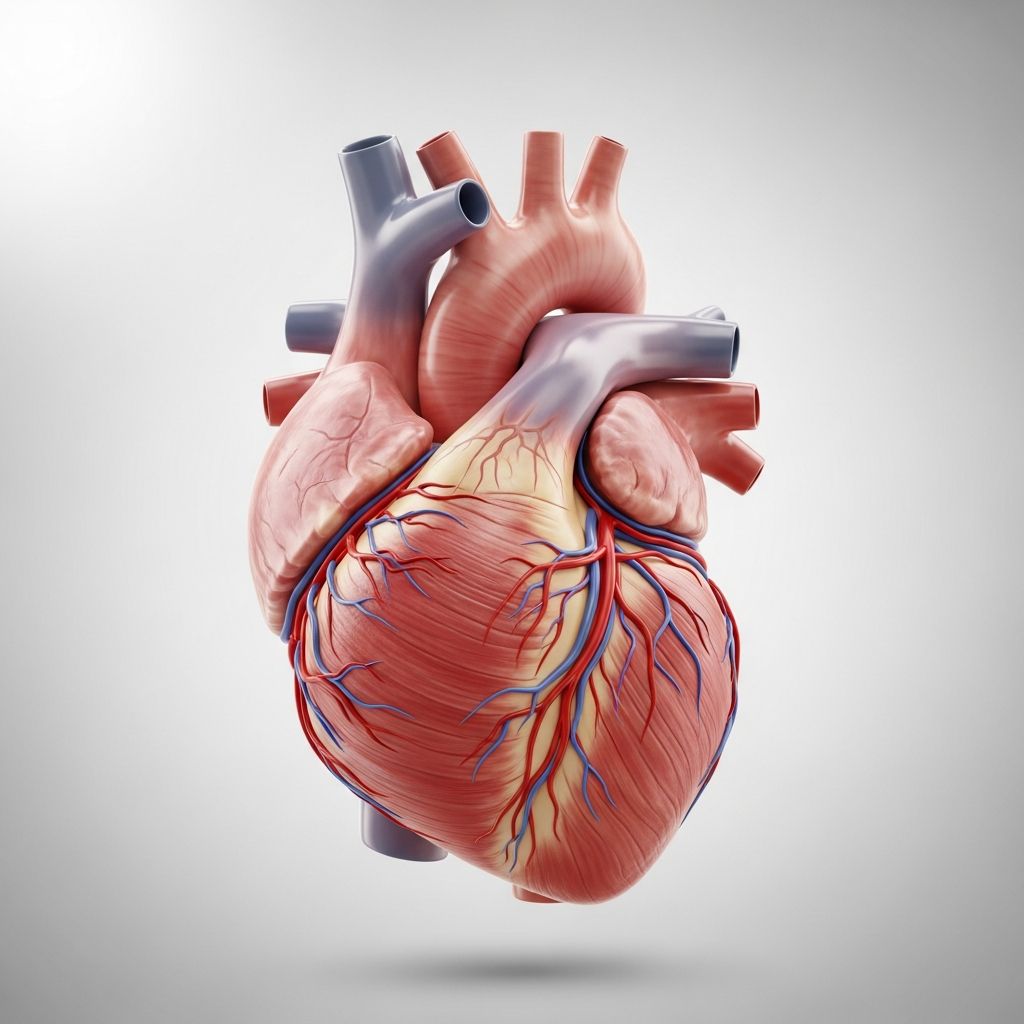
An
enlarged heart
, medically known ascardiomegaly
, is not a disease itself but a sign that the heart is working harder than normal due to an underlying condition. This enlargement can affect the entire heart or specific chambers, often leading to weakened pumping efficiency and potential complications like heart failure. While it can be temporary, such as during pregnancy or intense athletic training, persistent cardiomegaly requires medical attention to address root causes.What Is an Enlarged Heart?
The heart is a fist-sized muscular organ that pumps blood throughout the body. In cardiomegaly, it increases in size, which may involve thickening of the walls (hypertrophy) or dilation of the chambers. This adaptation helps compensate for increased workload initially, but over time, it can impair function. Older adults are at higher risk, and it can be pathological (due to heart muscle disease) or physiological (from external stressors like hypertension).
Cardiomegaly often develops silently but can progress to serious issues if untreated. Early detection through imaging like chest X-rays or echocardiograms is crucial.
Symptoms of an Enlarged Heart
Many people with an enlarged heart experience no symptoms initially, especially if the condition is mild. However, as it worsens, common signs include:
- Shortness of breath, particularly during activity or when lying down
- Fatigue and weakness
- Swelling (edema) in the legs, ankles, feet, or abdomen
- Irregular heartbeats (arrhythmias) or palpitations
- Persistent cough or wheezing, sometimes with pink, foamy mucus
- Chest pain or discomfort
- Dizziness or fainting
These symptoms overlap with heart failure, which frequently accompanies advanced cardiomegaly.
Causes of an Enlarged Heart
Cardiomegaly results from any condition forcing the heart to pump harder or damaging its muscle. Here are the primary causes, categorized for clarity:
High Blood Pressure (Hypertension)
Chronic high blood pressure makes the heart work overtime to push blood through narrowed arteries, leading to left ventricular hypertrophy. Over time, the muscle thickens and weakens. Hypertension affects millions and is a leading modifiable risk factor.
Coronary Artery Disease and Heart Attack
Fatty plaques (atherosclerosis) narrow coronary arteries, reducing oxygen supply to the heart muscle. A heart attack causes scarring, weakening the affected areas and forcing the heart to enlarge to maintain output. This is the most common cause in many populations.
Heart Valve Disease
Damaged or faulty valves (e.g., aortic stenosis or mitral regurgitation) disrupt blood flow, causing chambers to dilate or hypertrophy as the heart compensates. Four heart valves must function properly for efficient circulation.
Cardiomyopathy
This group of diseases directly affects heart muscle, causing it to thicken, stiffen, or dilate. Types include dilated (most common, leading to enlargement), hypertrophic (thick walls), and restrictive (stiff muscle). Causes range from genetic to idiopathic.
Congenital Heart Defects
Structural birth defects, like septal holes or malformed valves, strain the heart from infancy, potentially causing lifelong enlargement if uncorrected.
Arrhythmias
Irregular rhythms, such as atrial fibrillation, reduce pumping efficiency, leading to dilation over time.
Related Stories



Other Medical Conditions
- Anemia: Low red blood cells force the heart to pump faster for oxygen delivery.
- Thyroid Disorders: Hyper- or hypothyroidism alters metabolism, raising blood pressure and heart rate.
- Pulmonary Hypertension: High lung artery pressure enlarges the right heart side.
- Pulmonary Embolism or COPD: Lung issues increase right heart workload.
- Kidney Failure: Fluid overload and hypertension contribute.
- Hemochromatosis or Amyloidosis: Iron or protein buildup damages heart tissue.
Lifestyle and Physiological Factors
Obesity, sedentary lifestyle, and old age stiffen arteries, promoting hypertension. Elite athletes may develop a benign ‘athlete’s heart’ from rigorous training, which reverses with rest and doesn’t impair function.
Pregnancy and Pericardial Conditions
Pregnancy temporarily enlarges the heart due to increased blood volume. Pericardial effusion (fluid around the heart) can mimic enlargement on X-rays.
| Category | Examples | Mechanism |
|---|---|---|
| Pressure Overload | Hypertension, Valve Stenosis | Heart pumps against resistance, hypertrophying |
| Volume Overload | Valve Regurgitation, Anemia | Excess blood volume dilates chambers |
| Muscle Damage | Heart Attack, Cardiomyopathy | Scarring weakens and enlarges heart |
| Other | Thyroid Disease, Athlete’s Heart | Metabolic or adaptive changes |
Risk Factors for an Enlarged Heart
Beyond direct causes, certain factors heighten susceptibility:
- Family history of cardiomyopathy or heart disease
- Age (risk rises after 65)
- Obesity and lack of physical activity
- Smoking, excessive alcohol, or drug use
- Chronic conditions like diabetes or sleep apnea
- Racial/ethnic predispositions (e.g., higher hypertension rates in some groups)
Managing these through lifestyle can prevent progression.
Diagnosis of an Enlarged Heart
Diagnosis starts with a physical exam, medical history, and symptoms review. Key tests include:
- Chest X-ray: First-line imaging showing heart silhouette enlargement.
- Echocardiogram: Ultrasound assessing size, structure, and function.
- ECG/EKG: Detects arrhythmias or hypertrophy patterns.
- Cardiac MRI/CT: Detailed imaging for tissue characterization.
- Blood Tests: Check for anemia, thyroid function, or biomarkers like BNP for heart failure.
- Stress Test or Catheterization: Evaluate coronary arteries or blood flow.
These pinpoint the cause for targeted treatment.
Treatment for an Enlarged Heart
Treatment focuses on the underlying cause, symptom relief, and preventing complications:
- Lifestyle Changes: Heart-healthy diet (low salt, DASH), regular exercise, weight loss, smoking cessation.
- Medications: ACE inhibitors, beta-blockers, diuretics for blood pressure and fluid; anticoagulants for clots.
- Devices: Pacemakers, ICDs for arrhythmias; CRT for heart failure.
- Surgery: Valve repair/replacement, coronary bypass, or transplant for end-stage cases.
Prognosis varies; early intervention improves outcomes significantly.
Prevention of an Enlarged Heart
Preventive strategies mirror heart disease risk reduction:
- Maintain healthy blood pressure (<120/80 mmHg)
- Exercise 150 minutes weekly
- Eat balanced, low-sodium diet
- Monitor cholesterol and diabetes
- Limit alcohol; avoid illicit drugs
- Regular checkups, especially with family history
These steps can halt or reverse early cardiomegaly.
Frequently Asked Questions (FAQs)
Can an enlarged heart be reversed?
Yes, if caught early and the cause (e.g., hypertension) is treated, the heart may shrink back to normal size through lifestyle and medications.
Is an enlarged heart always serious?
Not always; athlete’s heart is benign. However, most cases signal underlying disease needing evaluation.
How is an enlarged heart different from heart failure?
Enlargement can lead to heart failure, where the heart can’t pump effectively, causing fluid backup and symptoms.
Does stress cause an enlarged heart?
Chronic stress raises blood pressure, indirectly contributing, but it’s not a direct cause.
Can you live a normal life with an enlarged heart?
Many do with proper management, but monitoring and treatment are essential to avoid complications.
References
- Heart disease – enlarged heart — Better Health Channel, Victoria Government. 2023. https://www.betterhealth.vic.gov.au/health/conditionsandtreatments/heart-disease-enlarged-heart
- Enlarged heart – Symptoms & causes — Mayo Clinic. 2023-10-29. https://www.mayoclinic.org/diseases-conditions/enlarged-heart/symptoms-causes/syc-20355436
- Enlarged Heart (Cardiomegaly): What It Is, Symptoms & Treatment — Cleveland Clinic. 2023-08-21. https://my.clevelandclinic.org/health/diseases/21490-enlarged-heart-cardiomegaly
- Cardiomegaly (Enlarged Heart) — The Cardiology Advisor. 2024. https://www.thecardiologyadvisor.com/ddi/cardiomegaly-enlarged-heart/
- Cardiomyopathy (Enlarged Heart) — Jefferson Health. 2023. https://www.jeffersonhealth.org/conditions-and-treatments/cardiomyopathy
Similar Articles








Read full bio of medha deb