Enlarged Heart Symptoms: 8 Key Signs, Causes & Treatments
Recognize the signs of an enlarged heart (cardiomegaly), understand causes, diagnosis, and treatments for better heart health management.
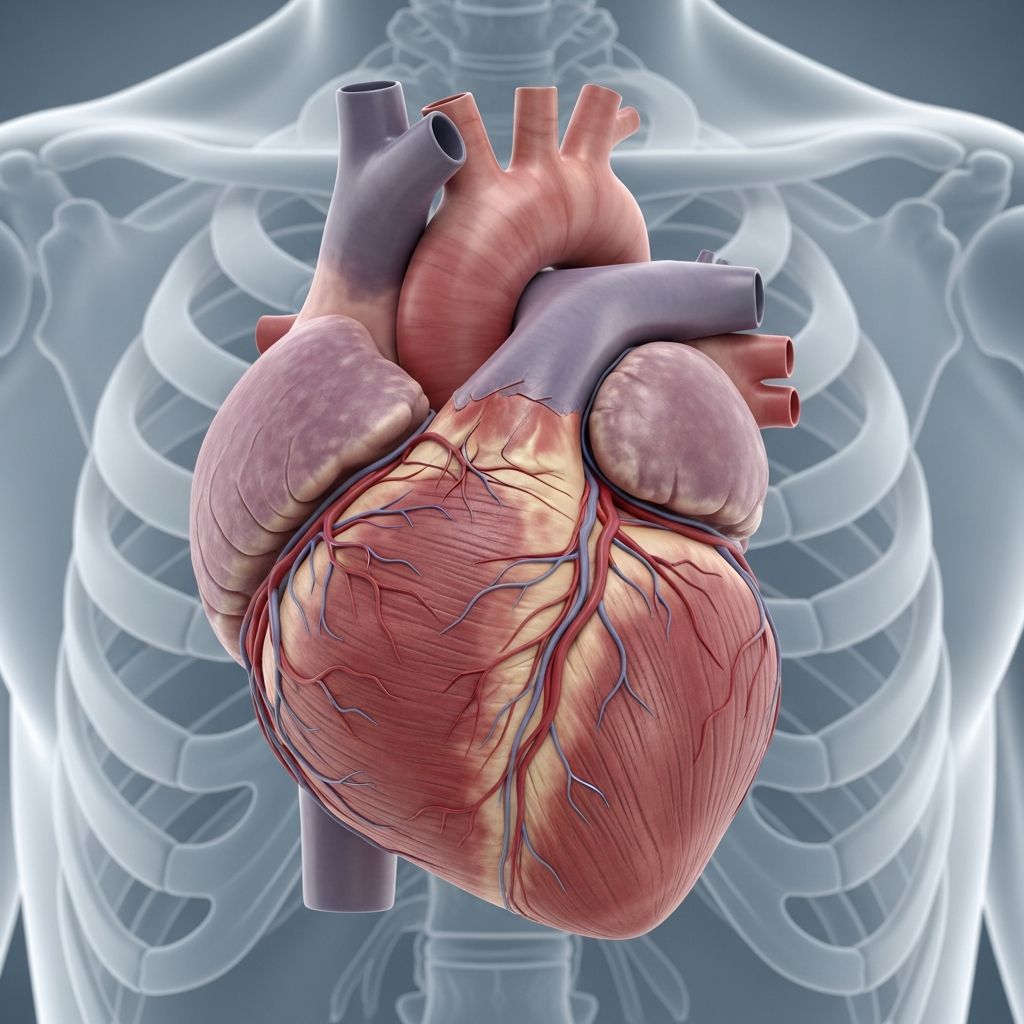
An
enlarged heart
, medically termedcardiomegaly
, occurs when the heart is larger than normal, often signaling an underlying condition straining the organ. This enlargement can affect the whole heart or specific chambers and may be temporary or permanent, typically due to increased workload from diseases like hypertension or coronary artery disease (CAD).What Is an Enlarged Heart?
Cardiomegaly describes a heart that has grown larger than typical, either through thickening of the heart muscle (hypertrophy) or dilation (stretching of chambers). Unlike skeletal muscles that strengthen with exercise, an enlarged heart often indicates reduced pumping efficiency, raising risks for heart failure or stroke. It serves as a symptom rather than a standalone disease, demanding identification and management of root causes.
The heart enlarges as a compensatory response to conditions forcing it to work harder, such as high blood pressure or valve issues. In elite athletes, mild enlargement may occur without impairment, but in most cases, it signals pathology.
Symptoms of an Enlarged Heart
Early
cardiomegaly
is frequently asymptomatic, but as it advances, symptoms emerge indicating impaired cardiac function. Common signs include:- **Shortness of breath**, especially during exertion or when lying flat (orthopnea);
- **Chest pain** or discomfort;
- **Fatigue** and
weakness
; - **Reduced exercise tolerance**;
- **Swelling** (edema) in legs, ankles, or abdomen;
- **Palpitations** or irregular heartbeats;
- **Lightheadedness**, dizziness, or
syncope
(fainting); - **Abdominal swelling**,
nausea
, orloss of appetite
.
These symptoms overlap with heart failure, a frequent complication. Prompt medical evaluation is crucial if noticed, particularly with risk factors like family history of heart disease.
Causes of an Enlarged Heart
Numerous conditions overwork the heart, leading to enlargement. Primary causes include:
- **High blood pressure (hypertension)**: Forces the left ventricle to thicken.
- **Coronary artery disease (CAD)**: Most common, often post-heart attack.
- **Heart valve disease**: Leaky or narrowed valves increase workload.
- **Cardiomyopathy**: Diseases of heart muscle (dilated, hypertrophic, restrictive).
- **Myocarditis**: Inflammation from infections.
- **Arrhythmias**: Chronic irregular rhythms strain the heart.
- **Congenital heart defects**: Present from birth.
- Other factors: Thyroid disease, anemia, obesity, alcohol abuse, or pregnancy (temporary).
In athletes, physiological enlargement differs, maintaining or enhancing function.
Risk Factors for Cardiomegaly
Certain factors elevate susceptibility:
- Family history of cardiomyopathy or heart disease;
- Heavy alcohol use or substance abuse;
- History of myocardial infarction (MI);
- Sedentary lifestyle, obesity, or diabetes;
- Chronic conditions like hypertension or lung disease.
Managing these through lifestyle reduces risk.
Complications of an Enlarged Heart
Untreated cardiomegaly leads to severe issues:
- **Heart failure**: Reduced pumping efficiency causes fluid buildup.
- **Blood clots**: Leading to stroke, MI, or pulmonary embolism.
- **Valve dysfunction**: Improper closure from enlargement.
- **Arrhythmias**: Risk of sudden cardiac death.
Prognosis varies; temporary causes like pregnancy resolve post-treatment, while chronic ones like CAD require ongoing care.
Related Stories



How Is an Enlarged Heart Diagnosed?
Diagnosis begins with history and physical exam, noting symptoms, family history, and heart failure signs like murmurs or edema. Imaging confirms enlargement:
Key diagnostic tests:
| Test | Purpose |
|---|---|
| Chest X-ray | Measures cardiothoracic ratio (>50% indicates enlargement). |
| Electrocardiogram (ECG) | Detects hypertrophy, prior MI, or arrhythmias. |
| Echocardiogram | Assesses chamber size, function, wall motion, valves (gold standard). |
| Cardiac MRI/CT | Detailed heart structure, vessels, thorax view. |
| Stress test | Evaluates CAD risk. |
Blood tests check for underlying issues like thyroid function or infection.
Treatment for an Enlarged Heart
Treatment targets the cause, aiming to shrink the heart and improve function:
- Medications: ACE inhibitors, beta-blockers, diuretics, anticoagulants, antiarrhythmics.
- Lifestyle changes: Low-sodium diet, exercise, weight loss, quitting smoking/alcohol.
- Procedures/Surgery: Valve repair/replacement, angioplasty, ICD implantation, heart transplant for advanced cases.
Regular monitoring prevents progression.
Prevention and Management
Prevent through blood pressure control, healthy weight, exercise, and avoiding toxins. Routine checkups for at-risk individuals aid early detection.
When to See a Doctor
Seek immediate care for chest pain, severe shortness of breath, fainting, or sudden swelling. Routine visits if high-risk.
Frequently Asked Questions (FAQs)
Is an enlarged heart serious?
Yes, it signals underlying issues and raises risks for heart failure or stroke, but manageability depends on cause and treatment.
Can an enlarged heart be reversed?
Temporary cases (e.g., pregnancy) resolve; chronic ones improve with treatment but may not fully reverse.
Does exercise cause an enlarged heart?
In athletes, it’s often benign (athlete’s heart); otherwise, it indicates disease.
How is cardiomegaly different from heart failure?
Cardiomegaly is enlargement; heart failure is impaired pumping, often a complication.
Can lifestyle changes treat an enlarged heart?
Yes, diet, exercise, and quitting smoking help manage causes like hypertension.
References
- Cardiomegaly (Enlarged Heart) — The Cardiology Advisor. 2023. https://www.thecardiologyadvisor.com/ddi/cardiomegaly-enlarged-heart/
- Enlarged Heart (Cardiomegaly): What It Is, Symptoms & Treatment — Cleveland Clinic. 2024-01-15. https://my.clevelandclinic.org/health/diseases/21490-enlarged-heart-cardiomegaly
Similar Articles








Read full bio of Sneha Tete