Enlarged Pores: Causes, Prevention, And 12 Effective Treatments
Understanding the causes, risk factors, and effective treatments for enlarged facial pores to achieve smoother skin.
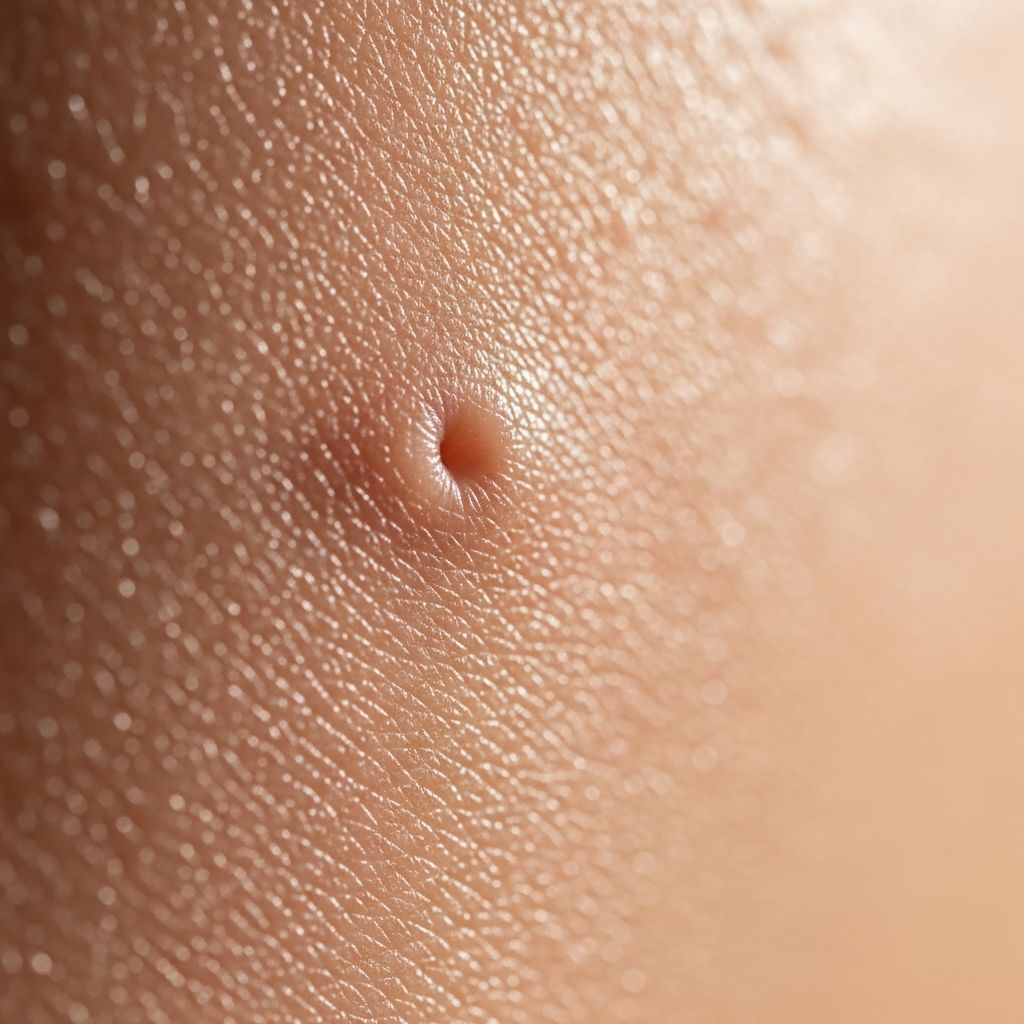
Enlarged pores are a common skin concern characterised by visible widening of the hair follicle openings on the skin surface, particularly on the face. These pores appear larger due to factors like excess oil production, loss of skin elasticity, and clogging with debris, affecting skin texture and aesthetic appearance.
What are enlarged pores?
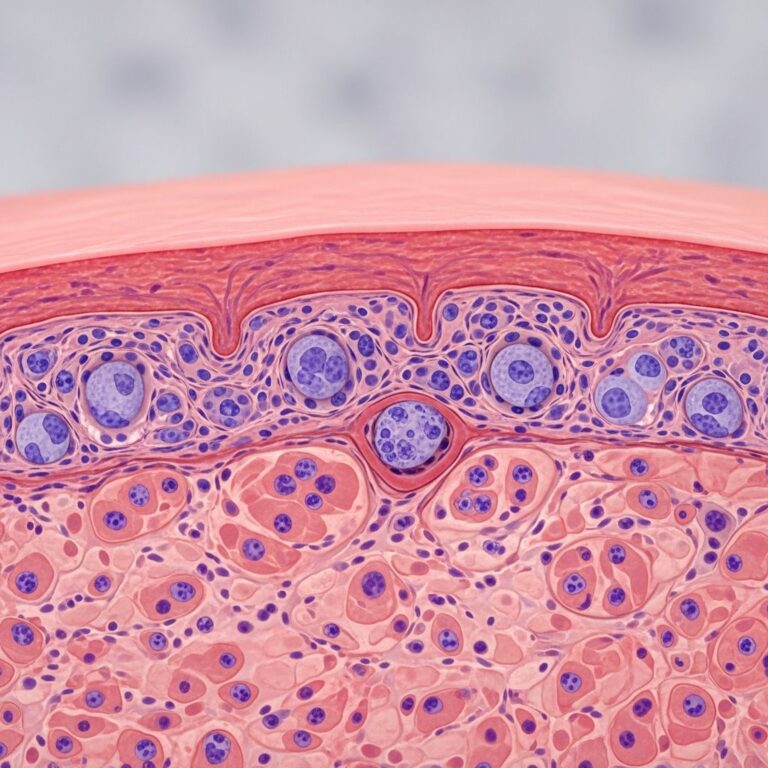
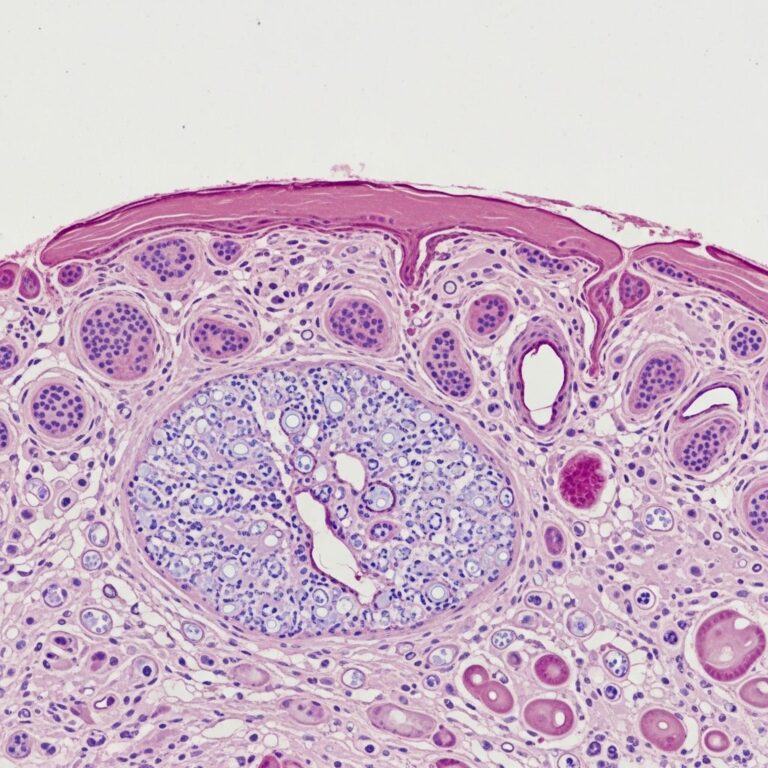
Enlarged pores refer to the dilated openings of hair follicles and sebaceous glands, most noticeable on the nose, cheeks, and forehead. Unlike tiny pores in youthful skin, enlarged ones create an uneven texture, often exacerbated by oiliness or aging. They are not a disease but can contribute to acne and premature aging perceptions. Pores regulate oil and sweat, but when stretched, they trap dirt, making them appear bigger.
Who gets enlarged pores?
Enlarged pores affect both men and women, with conflicting data on prevalence; some studies note larger pores in men due to thicker skin and higher oil production, while women may experience fluctuations during the menstrual cycle, peaking at ovulation. They are common in oily skin types and increase with age as collagen declines. Individuals with acne history, including cystic acne, are prone, as inflammation weakens follicle walls. Genetics play a primary role, with environmental factors like sun exposure worsening the condition.
What causes enlarged pores?
Several factors contribute to pore enlargement:
- Genetics: Pore size is largely hereditary, determining sebaceous gland activity and skin thickness.
- Oily skin: Excess sebum stretches pores, especially on the nose where glands are largest.
- Sun damage: UV rays degrade collagen and elastin, causing skin laxity and sagging that exposes pores.
- Aging: Loss of elasticity and collagen leads to drooping skin, making pores more prominent.
- Clogging: Buildup of oil, dead cells, dirt, and keratin dilates pores, as in dilated pore of Winer, a giant blackhead.
- Acne and inflammation: Open comedones and scarring weaken pore structures.
- Hormonal factors: Puberty, pregnancy, or diet (high sugar/dairy) boosts sebum.
These elements interact; for instance, oily skin clogs pores, and sun damage prevents recovery.
Clinical features of enlarged pores
Enlarged pores present as visible pits or craters, often in the T-zone (forehead, nose, chin). They may contain blackheads or appear shiny from oil. Unlike fine wrinkles, pores create a stippled texture. In severe cases like dilated pore of Winer, a single large blackhead forms on the face or trunk. Skin feels coarse, and pores dilate further post-cleansing if stretched chronically.
Diagnosis
Diagnosis is clinical via visual inspection under good lighting; no tests are needed. Dermatologists assess skin type, oiliness, and associated acne. Magnification may reveal blackheads or fibrosis. History of sun exposure or acne helps identify causes.
Related Stories



What is the treatment for enlarged pores?
Treatments aim to reduce oil, exfoliate, stimulate collagen, and target glands. No cure exists, but appearance improves significantly.
Prevention
Avoid triggers:
- Daily sunscreen (SPF 30+ broad-spectrum) to protect collagen.
- Gentle cleansing twice daily to remove oil/debris without stripping skin.
- Non-comedogenic products to prevent clogging.
- Balanced diet limiting sugar/dairy to control sebum.
Topical treatments
Focus on exfoliation and oil control, though not highly effective alone.
- Retinoids (retinol, tretinoin): Promote cell turnover, collagen production, and unclog pores; start low strength.
- Beta hydroxy acids (salicylic acid 1-2%): Penetrate oil to exfoliate and reduce blackheads.
- Alpha hydroxy acids (glycolic/lactic acid): Surface exfoliation smooths texture.
- Niacinamide: Reduces oil and inflammation.
- Clay masks: Absorb excess sebum temporarily.
Consistent use (3-6 months) yields gradual improvement; moisturise to avoid irritation.
Oral treatments
For acne-associated pores:
- Isotretinoin (Accutane): Shrinks sebaceous glands long-term; for severe cases.
- Antibiotics: If inflammation present.
Physical treatments
Target glands and collagen; most effective.
- Laser therapy (fractional CO2, non-ablative): Stimulates collagen, reduces oil glands.
- Microneedling/RF microneedling: Induces tightening; results in 1-3 weeks, series needed.
- Chemical peels (glycolic, TCA): Exfoliate deeply, improve texture.
- Microdermabrasion: Removes dead cells safely.
- Photodynamic therapy: For oily/acneic skin.
Multiple sessions required; downtime varies. Consult dermatologists for personalised plans.
How can enlarged pores be minimised?
Combine approaches: daily routine with retinoids/salicylic acid, sunscreen, plus professional treatments like RF microneedling or lasers for optimal results. Genetics limit full reversal, but 50-70% improvement possible. Maintain hydration and avoid picking.
References
References
- Enlarged Pores? No Problem — Davie Dermatology. 2023. https://www.daviedermatology.com/enlarged-pores-no-problem/
- Dilated Pore of Winer: What Is It, Causes, Symptoms & Treatment — Cleveland Clinic. 2023-10-25. https://my.clevelandclinic.org/health/diseases/21796-dilated-pore-of-winer
- What are My Treatment Options for Enlarged Pores? — Plymouth Meeting Dermatology. 2024. https://plymouthmeetingdermatology.com/what-are-my-treatment-options-for-enlarged-pores/
- What can treat large facial pores? — Warrington Dermatology. 2023. https://www.warringtonderm.com/blog/918391-what-can-treat-large-facial-pores/
- What to Do About Enlarged Pores — Southeast Dermatology Specialists. 2024. https://sedermatologyspecialists.com/what-to-do-about-enlarged-pores/
- LET’S TALK ABOUT PORES — DermChicago. 2023. https://www.dermchicago.com/blog/lets-talk-about-pores
- Enlarged pores — DermNet NZ. 2024-01-15. https://dermnetnz.org/topics/enlarged-pores
Frequently Asked Questions
What causes enlarged pores?
Genetics, oily skin, sun damage, aging, and clogging from oil/dead cells are primary causes.
Can enlarged pores be permanent?
Pore size is partly genetic, but treatments and prevention can minimise appearance significantly.
Do retinoids shrink pores?
Yes, by boosting collagen and exfoliating; results take months.
Is laser treatment effective for pores?
Highly, as it targets glands and tightens skin; multiple sessions needed.
How to prevent enlarged pores?
Use sunscreen daily, cleanse gently, and incorporate exfoliants.
Similar Articles








Read full bio of Sneha Tete