The Growing Problem of an Enlarged Prostate Gland
Understanding BPH: Causes, symptoms, and treatment options for enlarged prostate.
As men age, they face numerous health challenges, and one of the most common issues affecting older men is an enlarged prostate gland, medically known as benign prostatic hyperplasia (BPH). This condition has become increasingly prevalent in recent decades, affecting millions of men worldwide, particularly those over the age of 50. The prostate is a small gland that plays a crucial role in the male reproductive system, and when it enlarges, it can significantly impact urinary function and quality of life. Understanding this condition, its causes, symptoms, and available treatment options is essential for men to make informed decisions about their health and seek appropriate medical care.
Understanding the Prostate and BPH
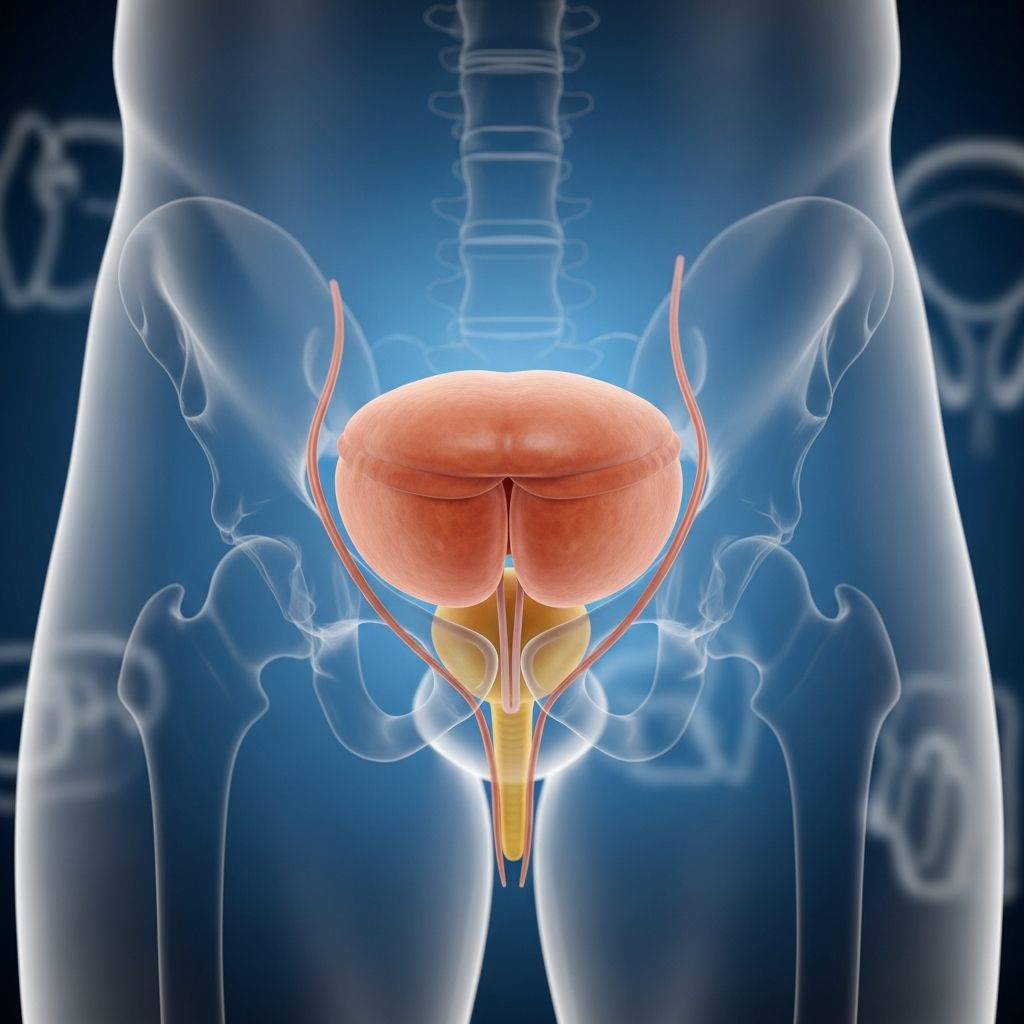
The prostate is a walnut-sized gland located between the penis and the bladder, forming an important part of the male reproductive system. The gland produces fluid that helps nourish and transport sperm. The urethra, which is the tube that carries urine from the bladder through the penis, passes directly through the center of the prostate. When the prostate becomes enlarged, it can obstruct this urinary passage, leading to a variety of urinary symptoms and complications.
Benign prostatic hyperplasia occurs when the cells of the prostate gland begin to multiply abnormally, causing the gland to grow larger. This growth is not cancerous and is not related to prostate cancer, though the two conditions can coexist. The exact cause of BPH is not fully understood, but research suggests that hormonal changes related to aging play a significant role in its development.
Prevalence and Risk Factors
The prevalence of enlarged prostate increases significantly with age. Studies show that approximately 50 percent of men in their 60s and up to 90 percent of men in their 80s experience some symptoms of BPH. Several risk factors contribute to the development of this condition:
- Age: The primary risk factor, with incidence increasing significantly after age 50
- Family history: Men with a family history of prostate problems are at higher risk
- Hormonal changes: Increased levels of dihydrotestosterone (DHT) are associated with prostate growth
- Obesity: Overweight men may have higher rates of BPH
- Lack of physical activity: Sedentary lifestyle may increase risk
- Certain medical conditions: Diabetes and heart disease may increase susceptibility
Recognizing the Symptoms
An enlarged prostate can manifest in various ways, and symptoms can range from mild to severe. Men experiencing BPH often report a significant impact on their daily activities and sleep patterns. Common symptoms include:
- Frequent urination, particularly at night (nocturia)
- Urgency to urinate that may be difficult to postpone
- Difficulty starting urination or a weak urine stream
- Difficulty stopping urination or dribbling after urination
- Inability to completely empty the bladder
- Interrupted or split urinary stream
- Straining during urination
- Blood in the urine in some cases
It is important to note that the severity of symptoms does not necessarily correlate with the size of the prostate. Some men with significantly enlarged prostates may experience minimal symptoms, while others with smaller enlargements may suffer considerable discomfort and disruption to their daily lives.
Complications of Untreated BPH
Related Stories



When benign prostatic hyperplasia remains untreated or inadequately managed, it can lead to serious complications. These complications can significantly affect a man’s overall health and well-being:
- Urinary tract infections: The incomplete emptying of the bladder can increase infection risk
- Bladder stones: Stagnant urine in the bladder can lead to stone formation
- Kidney damage: Prolonged urinary retention can cause damage to the kidneys
- Acute urinary retention: Sudden inability to urinate, requiring emergency medical attention
- Blood in the urine: May occur as a result of enlarged blood vessels in the prostate
Diagnostic Procedures for Enlarged Prostate
Accurate diagnosis is crucial for determining the appropriate treatment strategy. Healthcare providers use multiple diagnostic tools to assess the severity and characteristics of prostate enlargement:
Digital Rectal Examination (DRE)
The DRE is often the first diagnostic step. During this examination, a physician inserts a gloved, lubricated finger into the rectum to feel the back of the prostate. This allows the doctor to assess the size, shape, and consistency of the gland. While uncomfortable, this examination is quick and provides valuable information about prostate enlargement.
Prostate-Specific Antigen (PSA) Blood Test
The PSA test measures the levels of prostate-specific antigen in the bloodstream. Elevated PSA levels can indicate prostate enlargement, though they can also suggest other prostate conditions. This test helps establish a baseline for comparison during future evaluations.
Urinalysis
A urinalysis examines the urine sample under a microscope and through chemical analysis. This test can detect the presence of blood, protein, or signs of infection, which may suggest underlying urological problems related to prostate enlargement.
Ultrasound Imaging
Transrectal ultrasound uses sound waves to create detailed images of the prostate gland, allowing physicians to measure its size accurately. This imaging technique provides precise information about the degree of enlargement and can help identify other abnormalities.
Uroflowmetry
This test measures the speed and amount of urine flow. A reduced flow rate indicates obstruction caused by an enlarged prostate and helps doctors assess the severity of urinary obstruction.
Post-Void Residual Test
This examination determines how much urine remains in the bladder after urination. Significant residual urine indicates that the bladder is not emptying completely, suggesting significant obstruction from prostate enlargement.
Treatment Options for BPH
Treatment decisions depend on the severity of symptoms, the degree of prostate enlargement, and the patient’s overall health status. Treatment approaches range from conservative management to surgical intervention.
Watchful Waiting
For men with mild to moderate symptoms, watchful waiting is often the initial approach. This strategy involves regular monitoring without immediate pharmaceutical or surgical intervention. During this phase, men learn about their condition and make lifestyle modifications while their doctor monitors symptom progression. Many men remain stable with this approach for years.
Medication Management
When symptoms progress or become bothersome, medication is often the next treatment level.
Alpha-Blockers
These medications relax the smooth muscles in the prostate and bladder neck, improving urine flow and reducing urinary symptoms. Common alpha-blockers include tamsulosin, terazosin, and doxazosin. These drugs can provide symptom relief relatively quickly, often within days or weeks.
5-Alpha-Reductase Inhibitors
These medications, such as finasteride and dutasteride, work by reducing the production of DHT, the hormone responsible for prostate growth. These drugs may take several months to show effectiveness but can shrink the prostate and provide long-term symptom relief.
Phosphodiesterase-5 Inhibitors
Originally developed for erectile dysfunction, medications like tadalafil have been shown to improve BPH symptoms by relaxing muscles in the bladder and prostate.
Combination Therapy
Doctors may prescribe two or more medications concurrently to achieve better symptom control, such as combining an alpha-blocker with a 5-alpha-reductase inhibitor.
Minimally Invasive Procedures
When medications fail to provide adequate symptom relief, minimally invasive procedures offer alternatives to traditional surgery. These procedures are performed on an outpatient basis and typically require local anesthesia.
Transurethral Microwave Thermotherapy (TUMT)
This procedure uses microwave energy delivered through a catheter to heat and destroy excess prostate tissue. It can often be performed in an office setting and provides relatively quick symptom relief.
Transurethral Needle Ablation (TUNA)
TUNA uses radiofrequency energy delivered through needles to ablate prostate tissue. This technique offers precise tissue destruction with minimal damage to surrounding areas.
Prostate Artery Embolization
This newer procedure uses X-ray guidance to deliver embolic material to the blood vessels supplying the prostate, reducing blood flow and causing the gland to shrink. This technique shows promise as a minimally invasive alternative to surgery.
Surgical Interventions
When conservative measures and minimally invasive procedures are insufficient, surgical options may be necessary, particularly for men with severe symptoms or complications.
Transurethral Resection of the Prostate (TURP)
TURP is the most commonly performed surgical procedure for BPH, with approximately 150,000 procedures performed annually in the United States. During this procedure, an endoscope is inserted through the urethra to remove excess prostate tissue obstructing the urinary channel.
Transurethral Incision of the Prostate (TUIP)
TUIP is a less invasive surgical option suitable for men with smaller prostates. Instead of removing tissue, the surgeon makes one or two small incisions in the prostate to widen the urethra and improve urine flow.
Open Prostatectomy
For men with very large prostates, open prostatectomy may be necessary. This traditional surgical approach involves a larger incision and removal of the inner portion of the prostate through an open surgical technique.
Laser Surgery
Various laser techniques, including holmium laser enucleation of the prostate (HoLEP) and photoselective vaporization (PVP), offer alternatives to traditional TURP with potentially fewer complications.
Lifestyle Modifications and Natural Approaches
Beyond medical and surgical interventions, lifestyle changes can help manage BPH symptoms and potentially slow progression of the condition:
- Reduce fluid intake in the evening to minimize nighttime urination
- Limit caffeine and alcohol consumption, which can worsen symptoms
- Increase physical activity and maintain a healthy weight
- Practice bladder training techniques to improve urinary control
- Avoid medications that can worsen urinary symptoms, such as certain antihistamines and decongestants
- Maintain a healthy diet rich in fruits and vegetables
- Manage stress through relaxation techniques
Frequently Asked Questions About Enlarged Prostate
Q: Is an enlarged prostate the same as prostate cancer?
A: No, benign prostatic hyperplasia (BPH) and prostate cancer are distinct conditions. BPH is a non-cancerous enlargement of the prostate gland caused by natural aging processes. However, men can have both conditions simultaneously, so regular screening remains important.
Q: At what age should men start being concerned about prostate enlargement?
A: While BPH can occur at any age, it becomes increasingly common after age 50. Men with family histories of prostate problems or other risk factors may want to discuss screening with their doctors earlier.
Q: Can BPH symptoms improve without treatment?
A: Some men experience stable or even slightly improving symptoms without treatment, particularly during the watchful waiting phase. However, others experience progressive worsening of symptoms over time and may require medical intervention.
Q: What is the recovery time for TURP surgery?
A: Most men can return to normal activities within 2-4 weeks after TURP, though complete healing may take several weeks longer. Recovery times vary based on individual factors and the extent of the procedure.
Q: Are there any dietary supplements that help with BPH?
A: Some studies suggest that saw palmetto, beta-sitosterol, and other plant-based supplements may provide modest symptom relief, though evidence remains limited. Always consult with your healthcare provider before starting any supplements.
Q: Will treating BPH affect sexual function?
A: Some BPH medications, particularly 5-alpha-reductase inhibitors, may affect sexual function in some men. However, many men experience improvement in sexual function as urinary symptoms improve. Discuss potential side effects with your doctor.
When to Seek Medical Attention
Men should consult with a healthcare provider if they experience persistent urinary symptoms, difficulty urinating, or other signs of prostate problems. Seek immediate medical attention if experiencing acute urinary retention (inability to urinate), recurrent urinary tract infections, blood in the urine, or symptoms of kidney problems.
Conclusion
An enlarged prostate represents a significant health concern for aging men, but numerous effective treatment options are available. Through proper diagnosis, individualized treatment planning, and ongoing medical management, men with benign prostatic hyperplasia can maintain good quality of life and prevent serious complications. Whether through watchful waiting, medication management, minimally invasive procedures, or surgical intervention, urologists can tailor treatment approaches to meet each patient’s specific needs and preferences. Men experiencing urinary symptoms should not hesitate to discuss their concerns with healthcare providers to develop an appropriate management strategy.
References
- Benign Prostatic Hyperplasia (BPH) – Diagnosis and Treatment — Mayo Clinic. 2023-02-21. https://www.mayoclinic.org/diseases-conditions/benign-prostatic-hyperplasia/diagnosis-treatment/drc-20370093
- Exploring the Diagnosis of Enlarged Prostate — Advanced Urology Institute. 2023-04-03. https://www.advancedurologyinstitute.com/exploring-the-diagnosis-of-enlarged-prostate/
- Enlarged Prostate Treatment Options and Lifestyle Changes — Medical News Today. 2024. https://www.medicalnewstoday.com/articles/322436
- Treatment for Enlarged Prostate — Mayo Clinic Health System. 2021-12-15. https://www.mayoclinichealthsystem.org/hometown-health/speaking-of-health/treatment-for-enlarged-prostate
- The Growing Problem of an Enlarged Prostate Gland — Harvard Health Publishing. https://www.health.harvard.edu/mens-health/the-growing-problem-of-an-enlarged-prostate-gland
Similar Articles








Read full bio of medha deb