Enlarged Spleen: Causes, Symptoms & Treatment
Comprehensive guide to understanding splenomegaly: causes, symptoms, diagnosis, and treatment options.
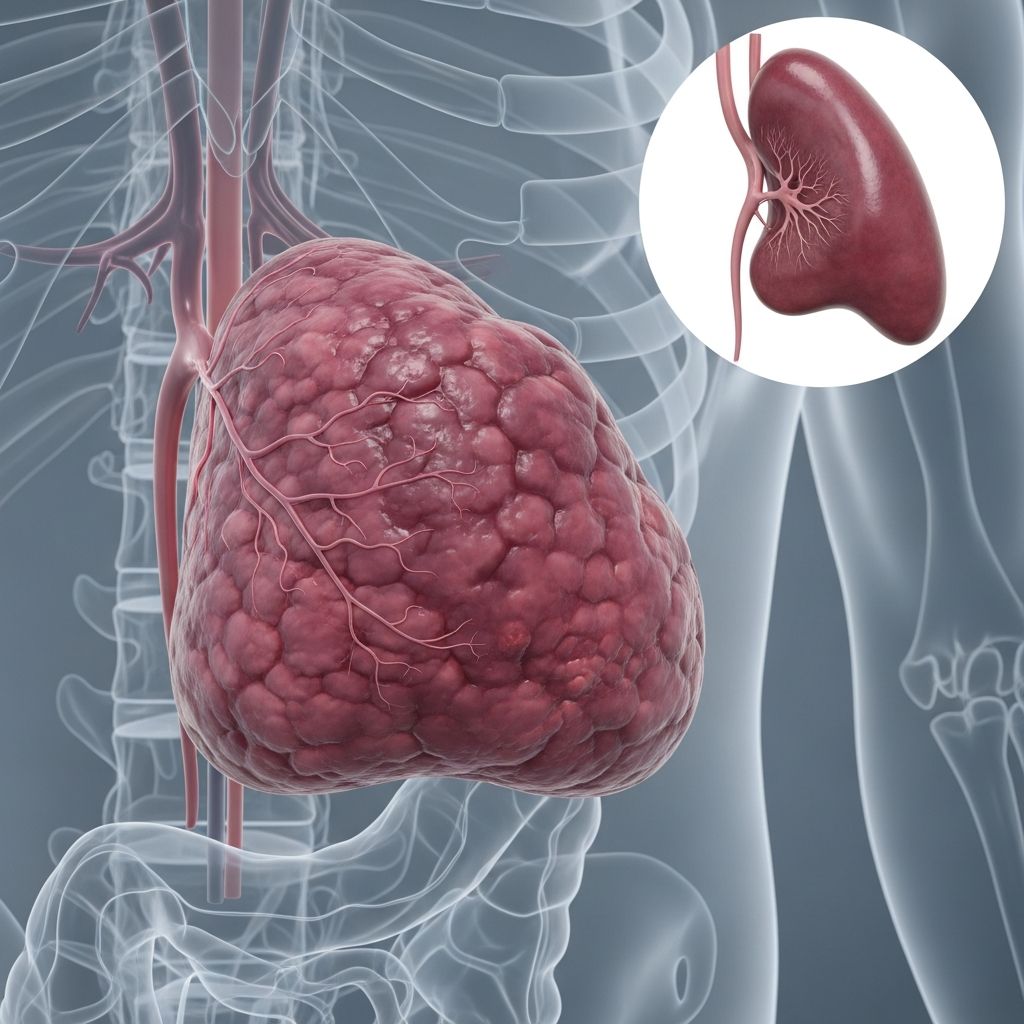
Understanding Enlarged Spleen: A Complete Medical Guide
An enlarged spleen, medically known as splenomegaly, is a condition where the spleen grows beyond its normal size. The spleen is a small organ typically about the size of your fist, located just below your left rib cage next to your stomach. Although many people may not realize they have an enlarged spleen, this condition can result from numerous underlying diseases and infections. Understanding what causes splenomegaly, recognizing its symptoms, and knowing when to seek medical attention are crucial steps in managing your health effectively.
What Is the Spleen and How Does It Function?
The spleen is a soft, spongy organ that plays several vital roles in maintaining your overall health. This organ performs multiple critical functions that are essential for your body’s defense and blood management systems.
Primary Functions of the Spleen
Your spleen performs several important jobs:
- Filtering out and destroying old, damaged, and worn-out blood cells to maintain healthy circulation
- Preventing infection by producing white blood cells (lymphocytes) that serve as your immune system’s first line of defense against disease-causing organisms
- Storing red blood cells and platelets, which are essential for proper blood clotting and oxygen transport throughout your body
- Supporting your immune response by identifying and destroying harmful pathogens before they spread
The size of your spleen generally relates to your height, weight, and sex, and it normally remains tucked behind your rib cage where it’s protected from injury. When the spleen becomes enlarged, it can affect how efficiently these critical functions are performed.
Recognizing Symptoms of Enlarged Spleen
One of the most important things to understand about splenomegaly is that an enlarged spleen typically causes no signs or symptoms. In fact, most people discover they have an enlarged spleen during a routine physical examination when their doctor detects the abnormal enlargement. However, when symptoms do occur, they can be quite noticeable and warrant medical attention.
Common Symptoms to Watch For
When an enlarged spleen does produce symptoms, patients may experience:
- Pain or fullness in the left upper belly that can spread to the left shoulder, often described as a dull ache or pressure sensation
- A feeling of fullness without eating or after consuming only a small amount of food, as the enlarged spleen presses on your stomach and reduces its capacity
- Low red blood cell count, resulting in anemia and associated fatigue or weakness
- Frequent infections due to compromised immune function from the enlarged spleen
- Easy bleeding or bruising, as the spleen may retain too many platelets, reducing those available for clotting
- General discomfort in the abdominal region, particularly on the left side
Causes of Splenomegaly
An enlarged spleen can result from numerous underlying conditions and diseases. Understanding these potential causes helps in proper diagnosis and treatment planning. The causes can be broadly categorized into several groups:
Infectious Causes
Various infections represent common causes of spleen enlargement. Viral infections such as mononucleosis frequently cause temporary splenomegaly. Bacterial infections, including syphilis and endocarditis (infection of the heart’s inner lining), can also lead to spleen enlargement. Additionally, parasitic infections like malaria are particularly common in individuals who have traveled to or live in affected regions.
Liver and Blood Disorders
Cirrhosis and other diseases affecting the liver commonly cause splenomegaly. Hemolytic anemias, characterized by early destruction of red blood cells, can also enlarge the spleen. Blood cancers present another serious category of causes, including leukemia, lymphomas such as Hodgkin’s disease, and myeloproliferative neoplasms.
Related Stories



Metabolic and Genetic Disorders
Inherited metabolic disorders like Gaucher disease and Niemann-Pick disease frequently cause spleen enlargement. These genetic conditions affect how your body processes certain substances, often resulting in spleen dysfunction.
Circulatory and Autoimmune Conditions
Increased pressure on the veins in the spleen or liver, or the presence of blood clots in these vessels, can cause splenomegaly. Autoimmune conditions such as lupus and sarcoidosis may also lead to spleen enlargement as the immune system attacks body tissues.
Risk Factors for Developing an Enlarged Spleen
While anyone can develop splenomegaly at any age, certain groups face higher risk:
- Children and young adults experiencing infections, particularly mononucleosis, which commonly affects this age group
- Individuals with inherited metabolic disorders such as Gaucher disease or Niemann-Pick disease
- People who live in or travel to regions where malaria and other parasitic infections are endemic
- Those with a family history of blood disorders or genetic conditions affecting the spleen
- Patients with pre-existing liver disease or cirrhosis
Diagnosis of Enlarged Spleen
Diagnosing splenomegaly typically begins with a physical examination. During a routine check-up, your doctor normally cannot feel the spleen in an adult unless it’s enlarged. When enlargement is suspected or detected, additional diagnostic tools become essential.
Diagnostic Methods
Several imaging and laboratory techniques help identify and understand splenomegaly:
- Physical examination by a healthcare provider who can palpate the spleen’s size
- Blood tests to identify infections, assess blood cell counts, and detect cancers or metabolic disorders
- Ultrasound imaging to visualize the spleen and measure its size
- CT or MRI scans to provide detailed images and identify the underlying cause
- Flow cytometry for evaluating blood cell abnormalities
- Bone marrow biopsy when massive splenomegaly requires thorough investigation
Understanding Massive Splenomegaly
In severe cases, doctors may diagnose massive splenomegaly, a particularly serious form of splenic enlargement. Most medical professionals define massive splenomegaly when the spleen reaches the iliac crest, crosses the midline of the body, or weighs more than 1500 grams. This severe enlargement often indicates serious underlying conditions and requires comprehensive investigation and aggressive treatment approaches.
Complications Associated with Enlarged Spleen
While many cases of splenomegaly resolve with treatment of the underlying condition, potential complications can be serious and require careful management:
Increased Infection Risk
An enlarged spleen can reduce the number of healthy red blood cells, platelets, and white blood cells in your bloodstream. This condition, known as hypersplenism, leads to more frequent infections. Additionally, anemia and increased bleeding become more likely as the spleen retains too many blood cells while filtering out more than necessary, even including healthy cells.
Ruptured Spleen
The spleen is inherently soft and easily damaged, particularly in traumatic events such as car crashes or blunt abdominal trauma. When enlarged, the risk of rupture increases significantly. A ruptured spleen can cause life-threatening bleeding in the abdominal cavity, constituting a medical emergency requiring immediate intervention.
Treatment Approaches for Enlarged Spleen
Treatment for an enlarged spleen depends entirely on the underlying condition causing the enlargement. The primary focus involves identifying and treating the root cause rather than treating the splenomegaly itself.
Non-Surgical Treatment Options
In most cases, managing the underlying condition effectively addresses splenomegaly:
- Treating infections with appropriate antibiotics, antivirals, or antimalarial medications
- Managing liver disease through lifestyle modifications and medical therapy
- Blood transfusions to restore blood cell counts when hypersplenism causes severe deficiencies
- Chemotherapy or radiation therapy for blood cancers causing spleen enlargement
- Medications to manage autoimmune conditions
Surgical Intervention
Surgery to remove an enlarged spleen, called splenectomy, is usually not necessary. However, in specific situations, surgical removal may be recommended. This decision typically occurs when the spleen’s complications outweigh its benefits or when the underlying condition cannot be adequately controlled through other means. Your healthcare provider will discuss whether splenectomy is appropriate for your particular situation.
When to See a Doctor
Prompt medical attention is essential if you experience concerning symptoms. See your doctor promptly if you have pain in your left upper belly, especially if it’s severe or the pain worsens when you take a deep breath. Additionally, seek immediate medical care if you experience sudden severe abdominal pain, as this could indicate a ruptured spleen requiring emergency intervention. Other symptoms warranting medical evaluation include unexplained bruising, frequent infections, or persistent fatigue.
Living with Splenomegaly
If you’ve been diagnosed with an enlarged spleen, working closely with your healthcare team is essential. Regular follow-up appointments allow your doctor to monitor the spleen’s size and your response to treatment. Most cases of splenomegaly improve as the underlying condition is successfully treated. Protecting yourself from trauma, maintaining good hygiene to prevent infections, and following your doctor’s treatment recommendations all contribute to better outcomes.
Frequently Asked Questions About Enlarged Spleen
Q: Can I live normally with an enlarged spleen?
A: Yes, many people with mild splenomegaly live normally without significant symptoms or complications. However, you should avoid contact sports and activities that could cause abdominal trauma, as this increases rupture risk. Regular medical monitoring and treatment of the underlying cause are important.
Q: How long does it take for an enlarged spleen to return to normal size?
A: The timeline depends on the underlying cause and treatment effectiveness. Infections may resolve within weeks to months with appropriate treatment, while chronic conditions may require longer. Your doctor can provide a more specific timeline based on your diagnosis.
Q: Will I need to have my spleen removed?
A: In most cases, splenectomy is not necessary. Surgery is typically considered only when complications are severe or when other treatments have failed. Your healthcare provider will discuss this option only if it becomes medically necessary.
Q: What activities should I avoid with an enlarged spleen?
A: You should avoid contact sports, heavy lifting, and activities that could cause abdominal trauma or impact to your left side. Consult with your doctor about specific activity restrictions based on your spleen size and underlying condition.
Q: Can diet affect splenomegaly?
A: Diet doesn’t directly cause or cure splenomegaly, but eating nutritious foods supports your immune system and overall health. If your enlargement is related to liver disease or metabolic disorders, your doctor may recommend specific dietary modifications as part of your treatment plan.
Q: Is an enlarged spleen contagious?
A: Splenomegaly itself is not contagious, but the underlying infectious causes (such as mononucleosis or malaria) may be transmissible. If your enlargement results from an infection, follow appropriate precautions to prevent spreading the illness to others.
References
- Enlarged Spleen (Splenomegaly) — Symptoms and Causes — Mayo Clinic. 2023-08-25. https://www.mayoclinic.org/diseases-conditions/enlarged-spleen/symptoms-causes/syc-20354326
- Massive Splenomegaly: A Case Report and Review of the Literature — Cleveland Clinic, Department of Hospital Medicine. 2013. https://pmc.ncbi.nlm.nih.gov/articles/PMC3736388/
- Hypersplenism: Symptoms, Causes & Treatment — Cleveland Clinic. 2022-10-25. https://my.clevelandclinic.org/health/diseases/24339-hypersplenism
- Spleen: Function, Location & Size, Possible Problems — Cleveland Clinic. https://my.clevelandclinic.org/health/body/21567-spleen
- Niemann-Pick Disease (NP) Information — Cleveland Clinic. https://my.clevelandclinic.org/health/articles/6059-niemann-pick-disease-np
Similar Articles








Read full bio of medha deb