Enophthalmos Treatment: Expert Guide To Diagnosis And Care
Comprehensive guide to understanding, diagnosing, and effectively treating sunken eye syndrome for optimal eye health and appearance.
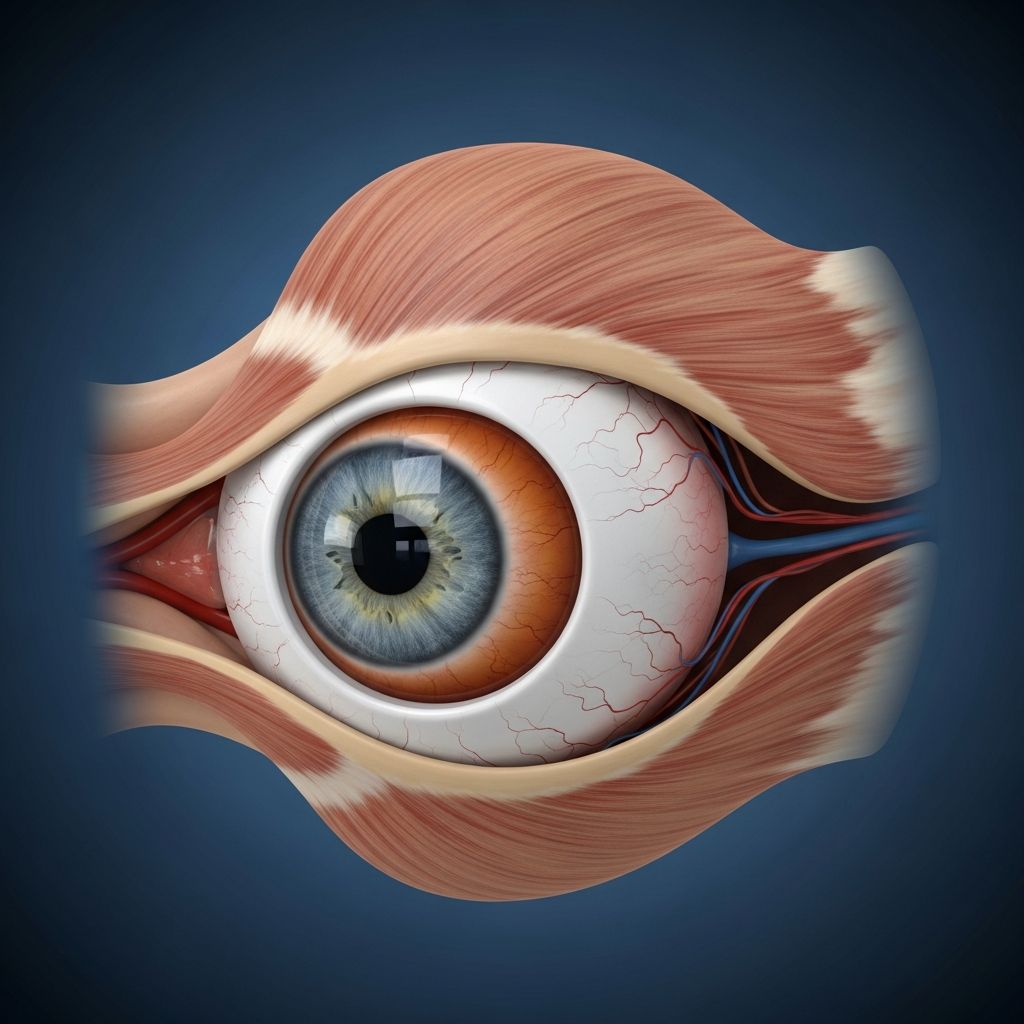
Enophthalmos refers to the backward displacement of the eyeball into the orbit, resulting in a sunken eye appearance that can affect both aesthetics and vision. Effective treatment depends on identifying and addressing the underlying cause, ranging from trauma-related fractures to rare spontaneous conditions.
Understanding the Basics of Enophthalmos
The orbit, or eye socket, houses the eyeball, muscles, fat, and nerves essential for vision and eye movement. When the volume of orbital contents decreases or the socket enlarges, the eye sinks posteriorly, often by 2 mm or more compared to the unaffected eye. This condition contrasts with proptosis, where the eye bulges forward.
Clinically, patients notice a deeper superior sulcus, upper eyelid ptosis or retraction, and potential lagophthalmos, where the eyelids do not fully close. These changes create facial asymmetry and can impair daily functions like focusing or blinking.
Primary Causes Leading to Sunken Eyes
Enophthalmos arises from diverse etiologies, broadly categorized into traumatic, post-surgical, congenital, and idiopathic origins. Recognizing the cause is crucial for tailoring treatment.
- Traumatic Origins: Orbital blowout fractures from blunt trauma, such as sports injuries or assaults, allow orbital fat and muscles to herniate into adjacent sinuses, reducing orbital volume. Retrobulbar hemorrhage further contributes by displacing tissues.
- Post-Surgical or Inflammatory: Scar tissue from orbital surgeries or chronic inflammations like thyroid eye disease causes fibrosis, pulling the eye backward.
- Silent Sinus Syndrome: A spontaneous maxillary sinus collapse creates negative pressure, drawing the orbital floor downward and enophthalmos without pain or infection signs.
- Congenital and Oncologic: Rare syndromes like congenital fibrosis feature fixed eyes in downgaze due to muscle fibrosis, while tumors erode orbital structures.
- Other Mimics: Horner syndrome or phthisis bulbi can simulate enophthalmos through nerve or globe atrophy.
Recognizing Symptoms and Clinical Signs
Symptoms vary by severity and cause but commonly include cosmetic concerns from facial asymmetry and functional issues like diplopia. Patients may report dry eyes from reduced tear film contact or blurred vision due to misalignment.
| Symptom | Description | Associated Causes |
|---|---|---|
| Sunken Appearance | Deep-set eye with prominent superior sulcus | Fractures, atrophy |
| Double Vision | Diplopia on gaze, especially vertical | Muscle entrapment, hypoglobus |
| Facial Asymmetry | Uneven features, chin-up posture in bilateral cases | Silent sinus, fibrosis |
| Dry Eye/Lagophthalmos | Exposure keratopathy from poor lid closure | Ptosis, retraction |
| Restricted Motility | Limited eye movements | Scarring, entrapment |
In pediatric cases, trapped tissues post-trauma may trigger oculocardiac reflex with vomiting and bradycardia, necessitating prompt intervention.
Diagnostic Approaches for Accurate Assessment
Diagnosis begins with a detailed history of trauma or surgery, followed by clinical exam using exophthalmometry (Hertel measurement) to quantify displacement. Asymmetry is evident in unilateral cases, with signs like hypoglobus or esotropia.
- Imaging: CT scans excel at visualizing bony fractures, sinus pathology, or hemorrhages; MRI assesses soft tissues and fibrosis.
- Functional Tests: Visual acuity, fields, motility assessments, and slit-lamp exams rule out corneal exposure or globe injury.
- Differential Diagnosis: Distinguish from ptosis, contralateral proptosis, or pseudoptosis via imaging and measurements.
Non-Surgical Treatment Options
For mild cases or as adjuncts, conservative measures manage symptoms without surgery. Observation suits minimal displacement without diplopia.
Related Stories



- Lubricants and Taping: Artificial tears and eyelid taping prevent dry eye and exposure.
- Fillers: Hyaluronic acid injections behind the globe (retrobulbar) or dermis expand volume cosmetically, ideal post-trauma.
- Keratopigmentation: Corneal tattooing improves appearance in scarred or post-surgical eyes.
These suit patients unfit for surgery or awaiting resolution of edema, typically 1-2 weeks post-injury.
Surgical Interventions for Correction
Surgery targets the root cause, restoring orbital volume and alignment. Timing is critical: acute fractures within 14 days post-edema resolution; delayed for chronic cases.
Orbital Fracture Repair
Blowout fractures require reduction of herniated contents and reconstruction with titanium mesh or grafts to support the floor/medial wall, preventing fat prolapse.
Sinus-Related Procedures
Silent sinus syndrome demands maxillary antrostomy to equalize pressure, followed by orbital floor reconstruction if enophthalmos exceeds 2 mm.
Volume Augmentation Techniques
Dermal-fat grafts, hydroxyapatite implants, or custom titanium implants fill deficits from atrophy or tumor resection.
Scar Release and Fibrosis Management
Meticulous dissection frees adhesions in post-inflammatory or surgical fibrosis, often combined with spacers.
Post-op, diplopia resolves in most, but severe entrapment risks compartment syndrome demand emergency decompression.
Management of Complications and Prognosis
Success rates are high with early intervention, but risks include infection, overcorrection, or persistent diplopia. Long-term monitoring addresses recurrence in progressive conditions like silent sinus.
Bilateral congenital fibrosis may not require intervention unless vision-impairing, managed with prisms or strabismus surgery.
Prevention Strategies in High-Risk Scenarios
Protective eyewear in sports, prompt fracture evaluation post-trauma, and sinus health maintenance reduce incidence. Men, prone to assault-related injuries, benefit from awareness.
Frequently Asked Questions (FAQs)
What is the first step if I notice a sunken eye?
Seek immediate ophthalmologic evaluation with imaging to identify causes like fractures.
Can enophthalmos resolve without surgery?
Mild cases may improve with time or fillers, but structural defects often need repair.
How long after injury should surgery occur?
Within 2 weeks for accurate assessment post-edema.
Is silent sinus syndrome dangerous?
It’s painless but progressive; treatment prevents worsening asymmetry and diplopia.
Does enophthalmos affect vision permanently?
Not if treated promptly; untreated entrapment risks vision loss.
References
- Enophthalmos: What is it? Causes and Treatment — Kaşkaloğlu Göz Hastanesi. 2023. https://www.kaskaloglu.com/en/what-is-enophthalmos-the-common-name-for-enophthalmos-is-sunken-eye-or-sunken-eyes/
- Enophthalmos: A Major Review — OphEd. 2009-07. https://www.ophed.com/system/files/2009/07/enophthalmos-article-1795-1795.pdf
- Enophthalmos – StatPearls — NCBI Bookshelf, NIH. 2023. https://www.ncbi.nlm.nih.gov/books/NBK563300/
- Sunken Eyes (Enophthalmos) — All About Vision. 2023. https://www.allaboutvision.com/conditions/symptoms/sunken-eyes-enophthalmos/
- Enophthalmos (Sunken Eyes): Causes, Symptoms & Treatment — Cleveland Clinic. 2023. https://my.clevelandclinic.org/health/diseases/24414-enophthalmos
- Sunken Eyes: Causes, Symptoms and Prevention — Dr. Sabrina. 2023. https://drsabrina.com/blogs/eye-care/sunken-eyes
- Understanding Silent Sinus Syndrome — Siloam Hospitals. 2023. https://www.siloamhospitals.com/en/informasi-siloam/artikel/understanding-silent-sinus-syndrome
Similar Articles








Read full bio of Sneha Tete