Enteritis: Inflammation of Small Intestine Causes & Treatment
Understanding enteritis: causes, symptoms, diagnosis and effective treatment options.
Understanding Enteritis: Inflammation of the Small Intestine
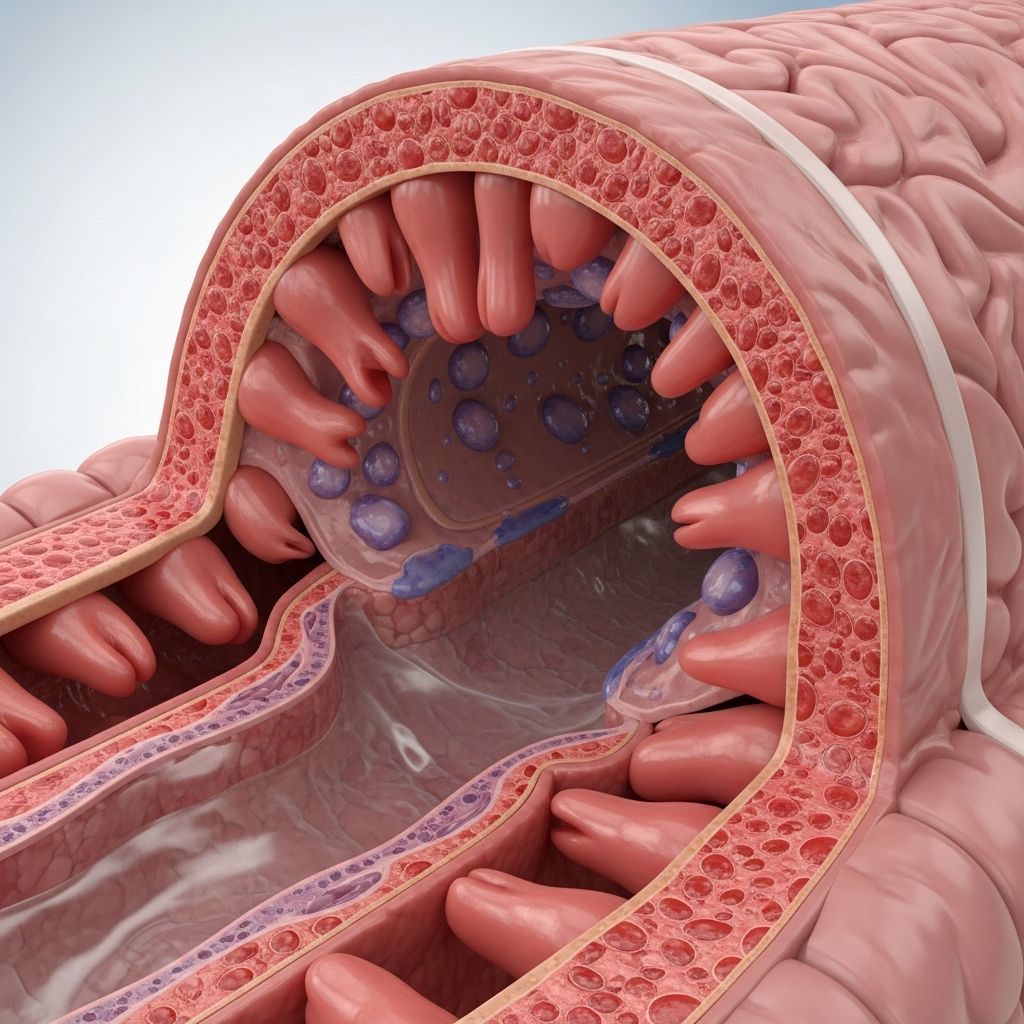
Enteritis is a medical condition characterized by inflammation of the small intestine, one of the critical organs in your digestive system. The small intestine plays a vital role in breaking down food and absorbing nutrients that your body needs to function properly. When inflammation occurs in this delicate organ, it can disrupt normal digestive processes and lead to uncomfortable symptoms that affect your daily life.
The inflammation primarily affects the inner lining of the small intestine, known as the mucosa. This lining is responsible for absorbing water and nutrients from the food you eat. When it becomes inflamed, the intestine experiences swelling and tenderness, which interferes with both digestion and nutrient absorption. Understanding what causes enteritis and how to recognize its symptoms is essential for seeking timely medical attention.
What Causes Enteritis?
Enteritis can develop from various causes, ranging from infectious agents to dietary factors and underlying medical conditions. The most common causes include bacterial and viral infections that irritate the intestinal lining. When you consume food or water contaminated with harmful bacteria or viruses, your immune system responds by triggering inflammation in the small intestine.
Infections from organisms such as Salmonella, Campylobacter, and various viral pathogens frequently lead to acute enteritis. These infections are often temporary and resolve within a few days to weeks as your immune system fights off the invading organisms. However, some cases can become more severe, requiring medical intervention.
Beyond infections, several other factors can trigger enteritis:
- Radiation therapy: Cancer patients undergoing abdominal or pelvic radiation may develop radiation enteritis, as the radiation damages healthy intestinal cells while targeting cancer cells.
- Autoimmune conditions: Diseases like Crohn’s disease cause chronic inflammation in the digestive tract, including the small intestine.
- Certain medications: Antibiotics and other medications can occasionally trigger intestinal inflammation.
- Food sensitivities: Some individuals experience intestinal inflammation as a reaction to specific foods or food components.
- Parasitic infections: Various parasites can infect the small intestine and cause inflammation.
- Alcohol consumption: Excessive alcohol use can irritate the intestinal lining.
Recognizing Symptoms of Enteritis
The symptoms of enteritis can vary depending on the severity of the condition and its underlying cause. Acute enteritis typically develops suddenly, while chronic enteritis symptoms develop gradually and persist over time.
Common acute symptoms include:
- Abdominal pain and cramping
- Diarrhea or loose stools
- Nausea and vomiting
- Loss of appetite
- Mild fever
- General malaise and fatigue
Chronic enteritis symptoms often include:
- Persistent abdominal discomfort
- Chronic diarrhea
- Weight loss and nutritional deficiencies
- Bloating and gas
- Vitamin and mineral deficiencies
- Fatty or greasy stools
In severe cases, enteritis can lead to dehydration, electrolyte imbalances, and complications such as intestinal obstruction or perforation. If you experience severe abdominal pain, bloody stools, persistent vomiting, or signs of dehydration, seek immediate medical attention.
Related Stories



How Enteritis Is Diagnosed
Diagnosing enteritis typically involves a combination of clinical evaluation and diagnostic testing. Your healthcare provider will start by reviewing your medical history and conducting a physical examination to assess your symptoms and overall condition.
To confirm enteritis and identify its underlying cause, your doctor may recommend:
- Stool samples: Laboratory analysis of stool samples can identify bacterial or parasitic infections causing intestinal inflammation.
- Blood tests: Blood work helps assess inflammation markers, nutritional status, and rule out systemic infections.
- Endoscopy: Upper endoscopy allows direct visualization of the small intestine and permits tissue biopsy if necessary.
- Imaging studies: CT scans or MRI may be used to assess the extent of inflammation and identify complications.
- Hydrogen breath test: This test can detect bacterial overgrowth or malabsorption issues.
The diagnostic approach depends on whether your enteritis is acute or chronic, and whether your healthcare provider suspects a specific underlying cause.
Treatment Approaches for Enteritis
Treatment for enteritis focuses on managing symptoms, addressing the underlying cause, and allowing your intestinal lining to heal. The specific treatment approach depends on whether your condition is acute or chronic and what triggered the inflammation.
For acute enteritis caused by infections:
- Rest and hydration: Allowing your digestive system to rest while maintaining proper hydration is fundamental to recovery.
- Dietary modifications: Eating bland, easily digestible foods helps reduce intestinal stress during the healing process.
- Antimicrobial medications: If bacterial infection is confirmed, your doctor may prescribe antibiotics or other antimicrobial agents.
- Antidiarrheal medications: Over-the-counter or prescription medications can help control diarrhea and associated discomfort.
For chronic enteritis:
- Nutritional supplementation: Since chronic enteritis impairs nutrient absorption, supplements become essential for maintaining proper nutrition.
- Long-term dietary management: Avoiding trigger foods and maintaining a diet rich in nutrients the body struggles to absorb becomes a lifestyle adjustment.
- Medication management: Anti-inflammatory medications or immunosuppressants may be necessary to control chronic inflammation.
- Probiotics: Beneficial bacteria supplements can help restore intestinal health and improve digestion.
Radiation enteritis management: For those who develop enteritis following cancer treatment, symptom management is crucial. This includes dietary adjustments to avoid foods that irritate the intestines, increased fluid intake to compensate for fluid loss through diarrhea, and nutritional counseling to address absorption difficulties. Emerging treatments such as fecal microbiota transplantation and amino acid-based oral rehydration solutions show promise in managing both acute and chronic radiation enteritis.
Dietary Considerations and Lifestyle Changes
Diet plays a crucial role in managing enteritis and supporting intestinal healing. During acute enteritis, following a bland diet helps minimize irritation to the inflamed intestinal lining. Foods to avoid during active inflammation include spicy, fatty, and high-fiber foods, as well as dairy products, alcohol, and caffeine.
Recommended foods during enteritis include:
- Plain rice and rice cereal
- Bananas and applesauce
- Broths and clear soups
- Plain chicken or turkey
- Toast and crackers
- Boiled potatoes
For chronic enteritis, working with a registered dietitian can help create a personalized nutrition plan that accommodates your body’s reduced absorption capacity while ensuring adequate caloric and nutrient intake. Additionally, staying well-hydrated, managing stress, and getting adequate sleep all support intestinal healing and overall digestive health.
Potential Complications of Enteritis
While most cases of acute enteritis resolve without complications, severe or chronic enteritis can lead to serious health issues if left untreated. Potential complications include:
- Dehydration: Severe diarrhea and vomiting can lead to dangerous dehydration and electrolyte imbalances.
- Malnutrition: Chronic enteritis impairs nutrient absorption, leading to deficiencies in vitamins, minerals, and proteins.
- Intestinal obstruction: Severe inflammation or scarring can partially or completely block intestinal passage.
- Intestinal perforation: In rare severe cases, the inflamed intestinal wall can develop holes, allowing contents to leak into the abdominal cavity.
- Sepsis: If bacteria from the intestine enter the bloodstream, a life-threatening infection called sepsis can develop.
- Anemia: Chronic bleeding or poor nutrient absorption can lead to iron deficiency anemia.
When to Seek Medical Attention
Most cases of acute enteritis improve with home care and supportive treatment within a few days to a week. However, certain symptoms warrant immediate medical evaluation. Contact your healthcare provider if you experience severe abdominal pain that doesn’t improve with rest, blood in your stool or vomit, signs of severe dehydration such as dizziness or extreme thirst, persistent vomiting that prevents you from taking fluids, fever above 102°F (39°C), or symptoms lasting more than a few days.
Seek emergency medical care if you experience severe dehydration, signs of peritonitis such as sudden severe abdominal pain with rigidity, signs of sepsis including high fever with chills, or inability to keep any fluids down for several hours.
Prevention Strategies
While you cannot always prevent enteritis, certain measures can reduce your risk of developing this condition. Practice good food safety by washing hands before eating, cooking foods thoroughly, and refrigerating perishables promptly. Drink only clean water, especially when traveling to areas with questionable water safety. Avoid consuming raw or undercooked meat, unpasteurized dairy products, and unwashed produce. When taking antibiotics, take the full course as prescribed to reduce the risk of developing antibiotic-associated enteritis. Maintain good personal hygiene and practice proper handwashing, especially after using the bathroom and before preparing food.
Frequently Asked Questions About Enteritis
Q: How long does enteritis typically last?
A: Acute enteritis usually resolves within a few days to a week with proper home care and hydration. Chronic enteritis, however, persists for extended periods and requires ongoing management. Recovery time depends on the underlying cause and individual factors.
Q: Is enteritis contagious?
A: If enteritis is caused by an infectious agent such as bacteria or virus, it can be contagious to others. Practice good hygiene, including frequent handwashing and avoiding sharing eating utensils, to prevent spreading the infection to family members.
Q: Can I use over-the-counter antidiarrheal medications for enteritis?
A: While some over-the-counter antidiarrheal medications can provide symptom relief, it’s important to consult your healthcare provider before using them. In some cases, particularly with bacterial infections, these medications may worsen the condition or prolong illness.
Q: What’s the difference between enteritis and gastroenteritis?
A: Enteritis specifically refers to inflammation of the small intestine, while gastroenteritis involves inflammation of both the stomach and intestines. Enterocolitis occurs when both the small and large intestines are inflamed simultaneously.
Q: Can stress cause enteritis?
A: While stress doesn’t directly cause enteritis, it can aggravate existing intestinal conditions and weaken immune function, making you more susceptible to infections that trigger enteritis. Stress management is an important component of treatment for chronic enteritis.
Q: Are there any long-term effects of enteritis?
A: Most cases of acute enteritis resolve completely without long-term effects. However, severe or repeated episodes, or chronic enteritis, can lead to permanent intestinal damage, chronic malabsorption, and nutritional deficiencies requiring ongoing management.
References
- Enterocolitis: Symptoms, Causes & Treatment — Cleveland Clinic. Accessed December 1, 2025. https://my.clevelandclinic.org/health/diseases/24633-enterocolitis
- Enteritis and Cancer — EBSCO Health. Accessed December 1, 2025. https://www.ebsco.com/research-starters/health-and-medicine/enteritis-and-cancer
- Gastroenteritis: What It Is, Symptoms, Causes & Treatment — Cleveland Clinic. Accessed December 1, 2025. https://my.clevelandclinic.org/health/diseases/gastroenteritis
- Inflammatory Bowel Disease (IBD): Symptoms, Causes, Treatment — Cleveland Clinic. Accessed December 1, 2025. https://my.clevelandclinic.org/health/diseases/15587-inflammatory-bowel-disease
- Crohn’s Disease: What It Is, Symptoms, Causes & Treatment — Cleveland Clinic. Accessed December 1, 2025. https://my.clevelandclinic.org/health/diseases/9357-crohns-disease
Similar Articles








Read full bio of medha deb