Enterocolitis: Causes, Symptoms, Diagnosis, and Treatment
Comprehensive guide on enterocolitis: symptoms, causes, diagnosis, treatments, and prevention strategies.
What Is Enterocolitis?
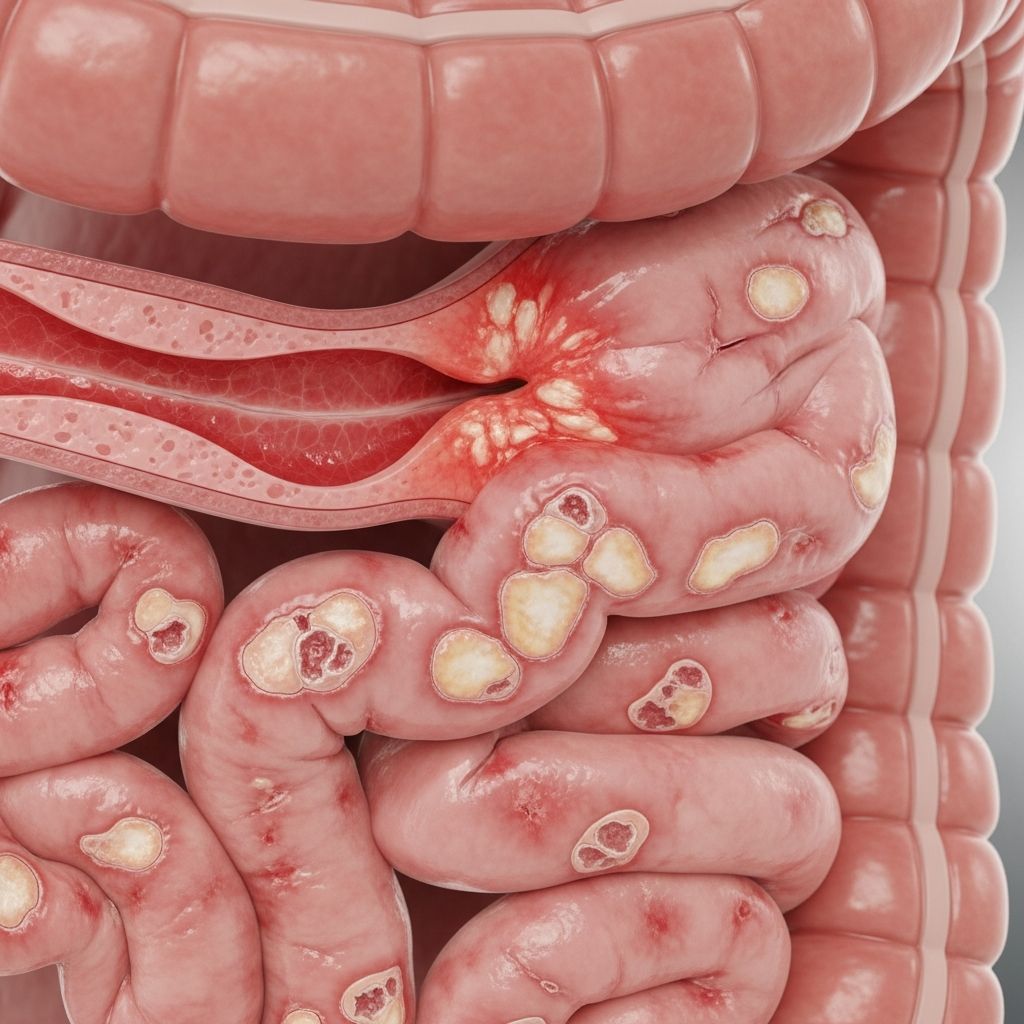
Enterocolitis is an inflammation that affects both the small intestine and large intestine. This medical condition can cause irritation, swelling, and damage to the bowel lining, leading to symptoms such as diarrhea, abdominal pain, and bleeding. Enterocolitis is more frequently observed in people with weakened immune systems, making these patients potentially more vulnerable to severe complications.
Understanding the Types of Enterocolitis
Enterocolitis encompasses various forms depending on underlying causes and the population affected. Some of the most recognized types include:
- Infectious enterocolitis, due to bacterial, viral, or parasitic infections.
- Inflammatory enterocolitis, such as those associated with inflammatory bowel disease (IBD).
- Necrotizing enterocolitis (NEC), primarily seen in premature and newborn infants, involving intestinal tissue death.
- Neutropenic enterocolitis, a severe form seen mostly in patients with neutropenia due to chemotherapy or immunosuppression.
Causes of Enterocolitis
Inflammation in both small and large intestines can result from various triggering factors:
- Infections: The most common cause, including bacteria such as Escherichia coli (particularly the enterohemorrhagic strain producing Shiga toxins), Clostridium difficile, viruses, and parasites.
- Immune response: Autoimmune mechanisms or an overactive immune system causing conditions like Crohn’s disease or ulcerative colitis.
- Chemotherapy-induced: Medications that damage the mucosal lining by reducing the immune cell count, especially neutrophils (neutropenic enterocolitis).
- Infant-related conditions: Prematurity and gastrointestinal immaturity increase risk for necrotizing enterocolitis.
Signs and Symptoms
Symptoms of enterocolitis vary depending on the severity and cause but often include:
- Frequent, watery diarrhea sometimes containing blood or mucus
- Abdominal pain and cramping
- Fever and chills, especially with infection
- Nausea and vomiting
- Fatigue and weakness due to dehydration
- In severe cases, abdominal distension, severe bleeding, or signs of shock
In infants with necrotizing enterocolitis, symptoms can escalate rapidly, including feeding intolerance, abdominal swelling, lethargy, and bloody stools.
How Is Enterocolitis Diagnosed?
Diagnosis typically involves a combination of clinical evaluation and diagnostic testing:
- History and physical exam: Careful symptom history and abdominal examination to assess tenderness, distension, or peritoneal signs.
- Laboratory tests: Blood tests to look for signs of infection, neutropenia, electrolyte imbalances, and inflammation markers.
- Stool studies: Identifying infectious organisms such as bacteria, viruses, or parasites.
- Imaging:
| Imaging Modality | Purpose and Findings |
|---|---|
| Ultrasound (US) | Non-invasive and radiation-free; detects bowel wall thickening and fluid collections, especially useful in children and infants |
| Computed Tomography (CT) | High accuracy to visualize bowel wall edema, dilation, pneumatosis intestinalis (air within bowel wall), and inflammation severity |
Common Types of Enterocolitis and Their Features
1. Necrotizing Enterocolitis (NEC)
NEC is a serious gastrointestinal emergency affecting premature newborns. It involves inflammation leading to intestinal tissue death and potential perforation.
- Risk factors: Prematurity, formula feeding, intestinal immaturity.
- Symptoms: Feeding intolerance, abdominal distension, bloody stools, lethargy.
- Treatment: Intensive medical care with bowel rest, antibiotics, and sometimes surgery to remove dead bowel.
Related Stories



2. Neutropenic Enterocolitis (Typhlitis)
Occurs primarily in immunocompromised patients, especially those undergoing chemotherapy. Neutropenia (low white blood cell count) undermines defense against intestinal bacteria, allowing inflammation and necrosis.
- Fever, severe right lower quadrant abdominal pain, and neutropenia form the clinical triad.
- Ultrasound or CT shows ileocecal wall thickening and inflammation.
- Treatment involves bowel rest, broad-spectrum intravenous antibiotics, and supportive care. Surgery is reserved for complications such as perforation.
3. Infectious Enterocolitis
Caused by pathogens like E. coli (including enterohemorrhagic strains), Clostridium difficile, Salmonella, and viral agents.
- Symptoms include diarrhea which may be bloody, abdominal cramps, and fever.
- Treatment targets the causative organism with specific antibiotics or supportive care.
Treatment Approaches
Treatment for enterocolitis depends on the underlying cause and severity. Core components of treatment include:
- Rehydration: Replacement of fluids and electrolytes to counter dehydration due to diarrhea and vomiting.
- Bowel rest: Avoiding oral intake temporarily in severe cases to reduce intestinal workload.
- Antibiotics: Broad-spectrum intravenous antibiotics are used, especially in neutropenic enterocolitis or infectious cases. For example, combinations such as cefepime or ceftazidime plus metronidazole are common. Treatment may be adjusted to cover resistant or fungal infections if patient response is poor.
- Surgery: Reserved for life-threatening complications such as bowel necrosis or perforation, particularly in NEC and neutropenic enterocolitis.
- Specific therapies: Include treatment of underlying conditions like inflammatory bowel disease or Clostridium difficile infection with specialized antibiotics such as vancomycin or fidaxomicin.
Potential Complications of Enterocolitis
- Severe bowel necrosis requiring surgical removal
- Perforation of the intestine leading to peritonitis and sepsis
- Long-term bowel damage and malabsorption
- Recurrence of infection or inflammation, particularly in infants recovering from NEC
- Hemorrhage causing hemodynamic instability
Prevention and Monitoring
While not all cases can be prevented, especially in newborns or immunocompromised individuals, some measures reduce risk:
- Timely hygiene and infection control to limit spread of infectious enterocolitis.
- Careful monitoring and early treatment of infections in vulnerable patients.
- Close observation and supportive care in premature infants.
- Nutritional support and possibly probiotics to support intestinal health.
Frequently Asked Questions (FAQs)
Q: What is the difference between enteritis and enterocolitis?
A: Enteritis refers to inflammation localized to the small intestine, while enterocolitis involves both the small and large intestines.
Q: Can enterocolitis be life-threatening?
A: Yes, especially forms like necrotizing enterocolitis in infants or neutropenic enterocolitis in immunocompromised adults, which can cause bowel necrosis and sepsis.
Q: How is enterocolitis treated in infants?
A: Treatment includes bowel rest, antibiotics, and supportive care. Severe cases may require surgery or placement of abdominal drains until the infant is strong enough for surgery.
Q: Are antibiotics always necessary for enterocolitis?
A: Antibiotics are essential for bacterial causes, neutropenic enterocolitis, and suspected infections like Clostridium difficile. Viral enterocolitis is typically managed supportively.
Q: Can enterocolitis be prevented?
A: Good hygiene, proper food handling, and prompt treatment of infections reduce risk. Premature infants and immunocompromised patients require vigilant monitoring.
Conclusion
Enterocolitis is a serious inflammatory condition of the intestines with multiple causes ranging from infections to medical therapies and immune dysfunction. Prompt diagnosis through clinical assessment and imaging, along with appropriate treatment including antibiotics, supportive care, and sometimes surgery, is critical—particularly for vulnerable populations like premature infants and immunocompromised adults. Awareness of symptoms and early medical attention can help reduce complications and improve outcomes.
References
- Enterocolitis: Symptoms, Causes & Treatment — Cleveland Clinic. 2023-03-02. https://my.clevelandclinic.org/health/diseases/24633-enterocolitis
- Neutropenic enterocolitis — NIH, PMC. 2017-01-12. https://pmc.ncbi.nlm.nih.gov/articles/PMC5221285/
- Necrotizing Enterocolitis (NEC): What is it, Causes & Treatment — Cleveland Clinic. 2023-04-15. https://my.clevelandclinic.org/health/diseases/10026-necrotizing-enterocolitis
- Enteritis (Inflammation of the Small Intestine) — Cleveland Clinic. 2023-01-20. https://my.clevelandclinic.org/health/diseases/23049-enteritis-inflammation-small-intestine
- Inflammatory Bowel Disease (IBD) Treatment — Cleveland Clinic. 2024-01-05. https://my.clevelandclinic.org/services/inflammatory-bowel-disease-treatment
Similar Articles








Read full bio of Sneha Tete