Enthesitis And Psoriatic Arthritis: Signs, Diagnosis, Treatment
Understanding enthesitis in psoriatic arthritis: symptoms, common sites, diagnosis, and effective treatment strategies for better management.
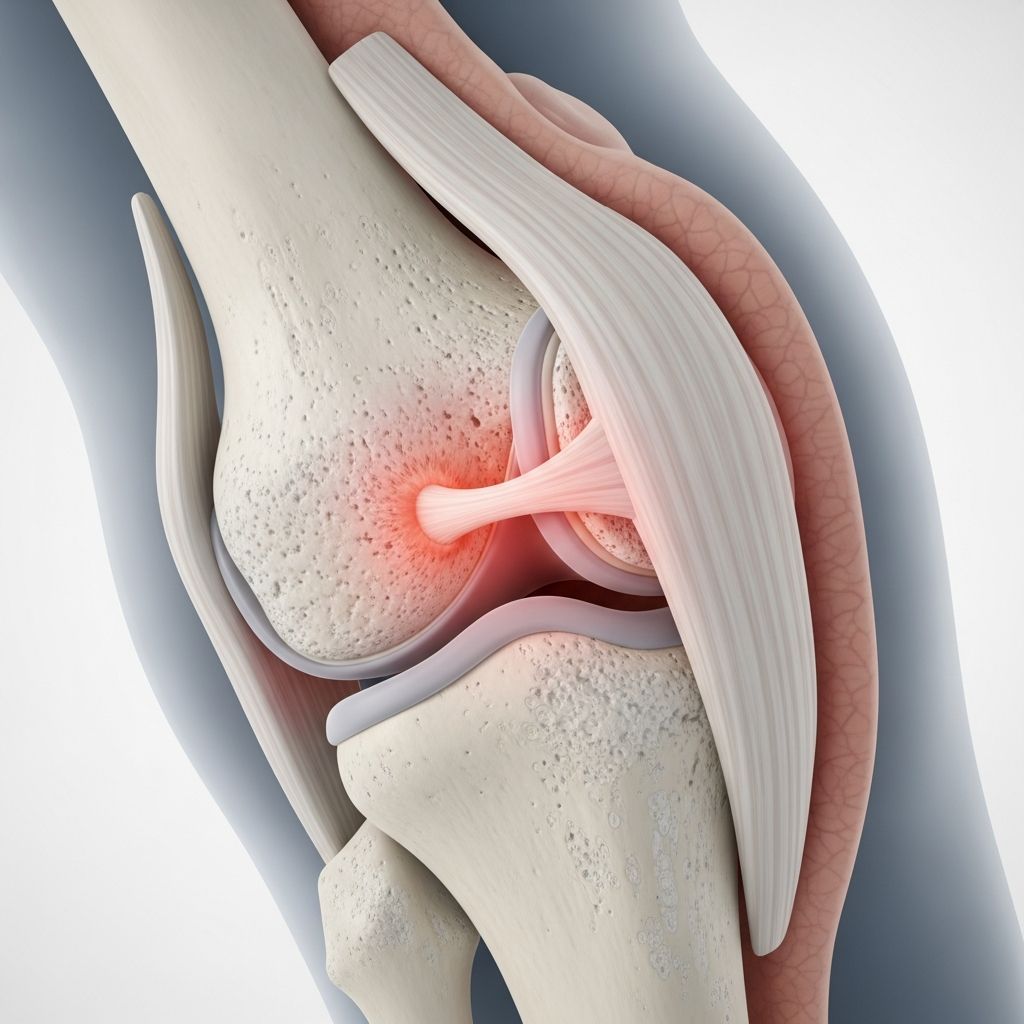
Enthesitis is a hallmark feature of psoriatic arthritis (PsA), characterized by inflammation at the entheses—sites where tendons, ligaments, or joint capsules insert into bone. Affecting up to one in three people with PsA, enthesitis signals higher disease activity, increased pain, fatigue, and potential joint damage if untreated.
What Is Enthesitis?
The enthesis serves as a critical transition zone between soft connective tissues and rigid bone, absorbing mechanical stress to enable smooth movement. There are over 100 entheses in the human body, making enthesitis a widespread potential issue in inflammatory conditions like PsA.
In PsA, the same immune-mediated inflammation that targets joints extends to these insertion points, leading to tenderness, swelling, and pain exacerbated by movement or pressure. Unlike mechanical enthesitis from overuse (e.g., tennis elbow), PsA-related enthesitis becomes chronic due to impaired healing from persistent cytokine production, including IL-17, IL-23, and TNF.
Biomechanical stress in genetically susceptible individuals triggers this process: micro-damage at the enthesis prompts inflammatory cytokine release, which spreads to nearby synovium, amplifying PsA symptoms. Chronic cases may result in bone spurs (enthesophytes), further restricting mobility and intensifying discomfort.
Enthesitis in Psoriatic Arthritis
PsA impacts about 30% of people with psoriasis, manifesting as peripheral arthritis, dactylitis (sausage-like finger/toe swelling), spondylitis, and enthesitis. Enthesitis occurs in roughly 35% of PsA patients and correlates with moderate-to-severe disease, radiographic joint damage, poorer quality of life, and higher disability rates.
Studies show PsA patients with enthesitis experience more inflammation, nail psoriasis, fatigue, and functional impairment than those without. It’s a diagnostic clue distinguishing PsA from rheumatoid arthritis, often appearing early in disease course. Risk factors include younger age, high BMI, severe psoriasis, and family history of spondyloarthritis.
| PsA Feature | Prevalence with Enthesitis | Impact |
|---|---|---|
| Dactylitis | Higher incidence | Increased joint damage |
| Nail Pitting/Onycholysis | Common comorbidity | Worsens prognosis |
| Fatigue & Pain | Moderate-severe | Reduces productivity |
| Radiographic Damage | Axial/peripheral | Long-term disability |
Symptoms of Enthesitis
Primary symptoms include localized pain and tenderness at the enthesis, worsening with palpation, stretching, or weight-bearing activities. Stiffness in adjacent joints is frequent, alongside swelling and warmth.
- Pain patterns: Aching or sharp, activity-dependent, often nocturnal.
- Functional limits: Difficulty walking, gripping, or overhead reaching.
- Associated signs: Bone spurs in chronic cases; nail changes like pitting in PsA-linked enthesitis.
Unlike joint pain, enthesitis pain is precise to insertion sites and resists rest alone, signaling inflammatory etiology.
Common Sites of Enthesitis in PsA
Enthesitis favors lower limbs due to higher stress loads, but upper body sites occur too.
- Heel (most common): Achilles tendon insertion (posterior heel pain) or plantar fascia (arch/sole pain, mimicking plantar fasciitis).
- Elbow: Common extensor/flexor tendons (tennis/golfer’s elbow-like).
- Knee: Patellar tendon, quadriceps, or pes anserine insertions.
- Hip/Pelvis: Iliac crest, ischial tuberosity, or trochanters.
- Other: Shoulders (rotator cuff), spine (costosternal junctions), hands/feet.
Related Stories



Feet are affected in over 50% of cases, contributing to gait issues and falls risk.
Causes and Risk Factors
PsA enthesitis stems from dysregulated immunity: genetic factors (HLA-B27 in some), psoriasis-driven cytokines, and mechanical overload converge at entheses.
- Triggers: Injury, infection, obesity-induced stress, repetitive strain.
- PsA-specific: Lower inflammation threshold; failure of normal repair (ice/rest suffices for non-PsA cases).
- Differences from mechanical: Acute overuse heals; PsA version persists, leading to enthesophytes and damage.
High BMI elevates risk by amplifying enthesis loading; young males with PsA show higher prevalence.
Diagnosis
Diagnosis combines history, exam, and imaging, as symptoms overlap with fibromyalgia or tendinopathy.
- Clinical exam: Palpation of 10-15 key sites (MASE index scores 0-136; ≥18 indicates enthesitis).
- Imaging: Ultrasound (power Doppler for inflammation), MRI (bone marrow edema), X-ray (spurs in chronic).
- Classification criteria: CASPAR for PsA; enthesitis presence boosts specificity.
Rheumatologists use tender enthesis count alongside CRP/ESR, psoriasis extent, and dactylitis for holistic assessment.
Treatment
Treatment targets PsA inflammation to resolve enthesitis, often requiring rheumatologist input.
- First-line: NSAIDs (ibuprofen) for pain; ice, rest, orthotics for heels.
- DMARDs: Methotrexate, sulfasalazine for mild-moderate.
- Biologics: TNF inhibitors (etanercept), IL-17 (secukinumab), IL-23 (guselkumab)—highly effective for enthesitis.
- Local: Corticoid injections; shockwave therapy for refractory cases.
- Lifestyle: Weight loss, PT, stretching to reduce stress.
Early intervention prevents progression; biologics show 50-70% enthesitis resolution in trials.
Management and Living with Enthesitis
Holistic management improves outcomes: track flares via apps, adhere to meds, incorporate low-impact exercise (swimming, yoga).
- Supportive shoes/heel cups for plantar pain.
- Monitor nails/joints for PsA progression.
- Multidisciplinary: PT, podiatry, nutrition.
Patient education empowers; support groups like MyPsoriasisTeam aid coping.
Frequently Asked Questions
What is the difference between enthesitis and tendinitis?
Enthesitis inflames the bone-tendon junction; tendinitis affects the tendon mid-body. PsA enthesitis is inflammatory, not just mechanical.
Does enthesitis always mean I have PsA?
No, but in psoriasis patients, it’s a strong PsA indicator. Mechanical causes occur in others.
Can enthesitis go away on its own?
Mechanical yes; PsA-related requires treatment to prevent chronicity and damage.
How is enthesitis diagnosed in PsA?
Via clinical tenderness scores (e.g., MASE), ultrasound/MRI, and PsA criteria.
What are the best treatments for heel enthesitis?
Orthotics, NSAIDs, biologics; PT for strengthening.
References
- Enthesitis | Psoriatic Arthritis (PsA) support program — mypsoriaticarthritis.org.au. 2023. https://mypsoriaticarthritis.org.au/article/your-psa-ways-psa-affects-you/enthesitis
- Enthesitis and Dactylitis in Psoriatic Disease — PubMed Central/NIH. 2018-11-29. https://pmc.ncbi.nlm.nih.gov/articles/PMC6267546/
- Enthesitis and Psoriatic Arthritis: Elbow Pain, Hip Pain, and More — MyPsoriasisTeam. 2023. https://www.mypsoriasisteam.com/resources/enthesitis-and-psoriatic-arthritis
- Enthesitis | Diagnosis & Disease Information — Rheumatology Advisor. 2023. https://www.rheumatologyadvisor.com/ddi/enthesitis/
- Psoriatic Arthritis Signs and Symptoms — Johns Hopkins Arthritis Center. 2023. https://www.hopkinsarthritis.org/arthritis-info/psoriatic-arthritis/clinical-manifestation/
Similar Articles








Read full bio of Sneha Tete