Eosinophilia: Symptoms, Causes, and Treatment Options
Understanding eosinophilia: Learn about this blood condition, its causes, symptoms, and effective treatment strategies.
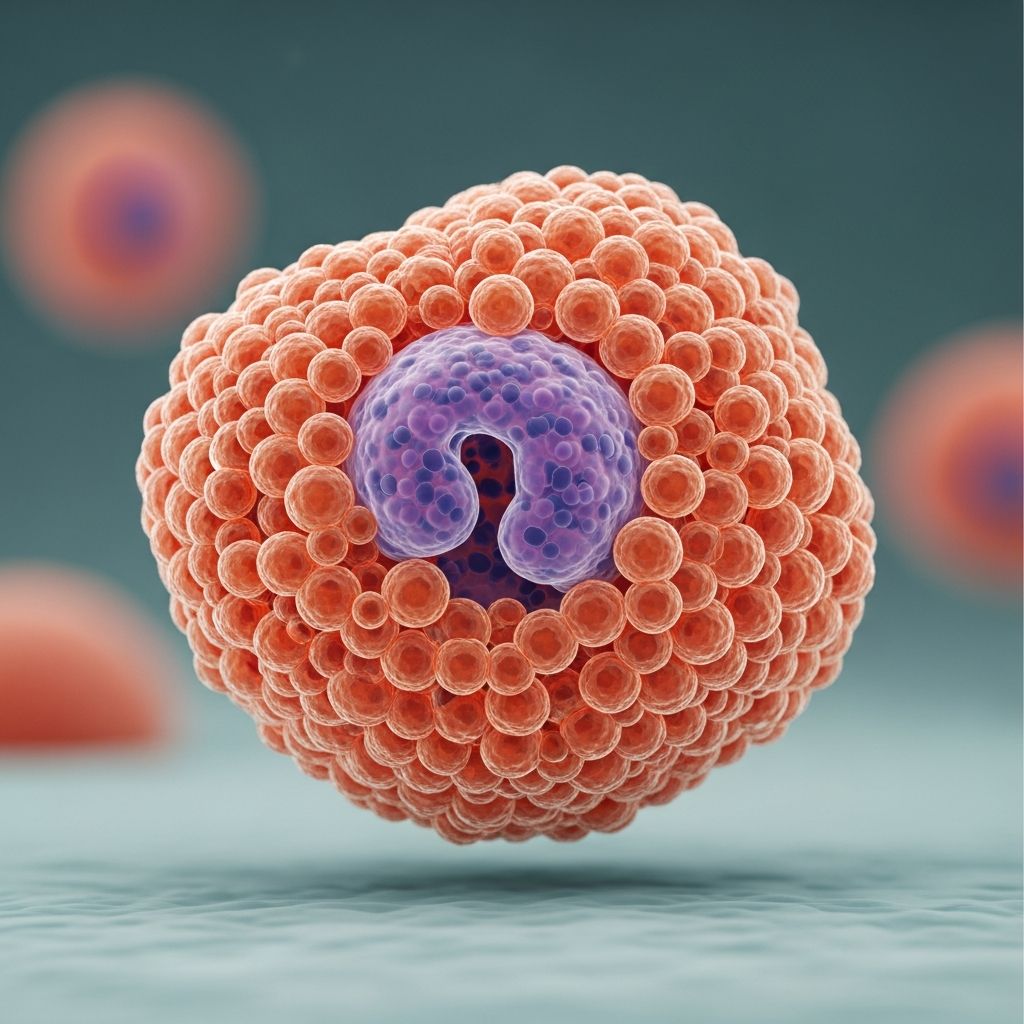
What is Eosinophilia?
Eosinophilia occurs when your body produces an unusually high number of eosinophils, a type of white blood cell that plays a crucial role in supporting your immune system. Eosinophils are specialized cells designed to protect your body from parasites, allergens, foreign bacteria, and other outside organisms that could potentially harm you. While these cells are essential for maintaining a healthy immune response, an excessive number of them can lead to inflammation and organ damage.
Normally, eosinophils make up only a small percentage of your total white blood cell count, typically comprising between 1% and 4% of all white blood cells in your bloodstream. When this percentage increases beyond normal ranges, it triggers a condition known as eosinophilia. This overproduction of eosinophils can affect various parts of your body, from the gastrointestinal tract to the heart and lungs.
Understanding Eosinophils and Their Normal Function
Eosinophils are a type of granulocyte, a subclass of white blood cells filled with granules containing various proteins and enzymes. These cells are produced in your bone marrow and travel through your bloodstream to tissues where they help fight infection and manage immune responses. Under normal circumstances, eosinophils help your body respond to allergic reactions, parasitic infections, and certain infections.
The normal eosinophil range in your blood is typically measured as an absolute count or as a percentage of your total white blood cell differential. Most laboratories consider a normal eosinophil count to be fewer than 500 cells per microliter of blood, or less than 5% of your total white blood cell count. When your eosinophil count exceeds these thresholds, your doctor may diagnose you with eosinophilia.
Types and Causes of Eosinophilia
Eosinophilia can be classified into several categories based on its underlying cause. Understanding what triggers your eosinophil production is essential for determining the right treatment approach.
Allergic Reactions and Asthma
Allergic reactions represent one of the most common causes of eosinophilia. When you encounter an allergen—such as pollen, dust mites, pet dander, or certain foods—your immune system may overreact by producing excessive eosinophils. This response frequently occurs in individuals with asthma, particularly those with allergic asthma. The elevated eosinophil count helps facilitate the allergic inflammatory response in your airways and lungs.
Parasitic Infections
Parasitic infections represent a significant cause of eosinophilia worldwide, particularly in tropical and subtropical regions. Parasites such as hookworms, roundworms, and other helminths trigger your immune system to produce more eosinophils as a defensive mechanism. If you have traveled to areas with endemic parasitic diseases or consumed contaminated food or water, parasitic infection may explain your elevated eosinophil count.
Medications and Drug Reactions
Certain medications can trigger eosinophilia as a side effect or adverse reaction. Antibiotics, particularly penicillins and sulfonamides, are among the most commonly implicated drugs. Nonsteroidal anti-inflammatory drugs (NSAIDs), anticonvulsants, and other medications may also cause drug-induced eosinophilia in susceptible individuals.
Autoimmune and Inflammatory Conditions
Various autoimmune disorders can result in elevated eosinophil counts. Conditions such as rheumatoid arthritis, systemic lupus erythematosus, and other connective tissue diseases frequently present with eosinophilia. These conditions cause chronic inflammation that prompts your bone marrow to increase eosinophil production.
Malignant and Hematologic Conditions
In some cases, eosinophilia may indicate an underlying blood disorder or malignancy. Leukemias, lymphomas, and other hematologic cancers can cause abnormal eosinophil proliferation. Additionally, certain genetic mutations and clonal eosinophil disorders can lead to persistent, severe eosinophilia.
Related Stories



Other Medical Conditions
Eosinophilia can also result from hypereosinophilic syndrome (HES), a group of serious medical conditions characterized by sustained elevated eosinophil counts and eosinophil-mediated organ damage. Additionally, certain infections, endocrine disorders, and metabolic conditions may trigger eosinophilia.
Symptoms and Clinical Presentation
The symptoms of eosinophilia vary widely depending on the underlying cause and the degree of organ involvement. Many individuals with mild eosinophilia may experience no symptoms at all and discover their elevated eosinophil count only during routine blood work.
Respiratory Symptoms
When eosinophilia affects your lungs and airways, you may experience persistent coughing, wheezing, shortness of breath, and chest pain or tightness. These symptoms often worsen at night or with physical exertion and may resemble asthma symptoms.
Gastrointestinal Symptoms
Eosinophilic gastrointestinal disease can cause abdominal pain, nausea, vomiting, diarrhea, and difficulty swallowing. You may experience bloating, constipation, or loss of appetite. In severe cases, gastrointestinal eosinophilia can lead to malabsorption and nutritional deficiencies.
Skin Manifestations
Eosinophilia can present with various skin symptoms, including rashes, itching, hives, and eczema-like lesions. In some cases, you may develop angioedema, characterized by swelling of deeper skin layers.
Systemic Symptoms
More severe cases of eosinophilia may cause systemic symptoms such as fever, weight loss, fatigue, and muscle aches. If eosinophilia affects your heart, you may experience chest pain, palpitations, or signs of heart failure.
Diagnosis of Eosinophilia
Your doctor diagnoses eosinophilia through blood tests and additional diagnostic procedures. The diagnosis begins with a complete blood count (CBC) with differential, which measures the absolute number of eosinophils and calculates their percentage of total white blood cells.
Initial Blood Tests
A CBC with differential reveals your eosinophil count and helps classify the severity of your eosinophilia. Mild eosinophilia typically ranges from 500 to 1,500 cells per microliter, moderate eosinophilia ranges from 1,500 to 5,000 cells per microliter, and severe eosinophilia exceeds 5,000 cells per microliter.
Additional Diagnostic Testing
Depending on your symptoms and initial findings, your doctor may order additional tests to identify the underlying cause. These may include allergy testing, stool samples to check for parasites, chest X-rays or CT scans, echocardiograms to assess heart function, and blood cultures. In some cases, tissue biopsy may be necessary to confirm organ involvement.
Bone Marrow Biopsy
If your eosinophilia is severe or persistent without an obvious cause, your doctor may recommend a bone marrow biopsy. This procedure allows examination of your bone marrow cells and can help identify clonal disorders or malignancies responsible for excessive eosinophil production.
Treatment Options for Eosinophilia
Treatment for eosinophilia depends on its underlying cause, severity, and the organs involved. Your doctor will develop an individualized treatment plan tailored to your specific situation.
Identifying and Addressing the Underlying Cause
The first step in treating eosinophilia involves identifying and addressing its root cause. If your eosinophilia results from allergies, your doctor may recommend allergen avoidance and allergy medications. If parasitic infection is responsible, antiparasitic medications can effectively eliminate the infection and normalize eosinophil counts. If a medication is causing eosinophilia, your doctor may adjust or discontinue the offending drug.
Corticosteroids
Corticosteroid medications effectively reduce eosinophil production and suppress immune-mediated inflammation. Your doctor may prescribe oral corticosteroids like prednisone or inhaled corticosteroids depending on the organs affected. These medications work by suppressing your immune system’s response and reducing eosinophil activation.
Antihistamines and Leukotriene Inhibitors
For allergic-related eosinophilia, antihistamines can help control symptoms associated with allergic reactions. Leukotriene inhibitors, which block inflammatory molecules involved in allergic responses, may also prove beneficial in certain cases.
Targeted Biologic Therapies
For patients with hypereosinophilic syndrome or other severe forms of eosinophilia, biologic medications targeting specific immune pathways have shown remarkable effectiveness. These medications work by blocking specific cytokines or cell surface receptors involved in eosinophil production and activation.
Immunosuppressive Medications
In cases of severe eosinophilia with significant organ damage, immunosuppressive medications may be necessary. These medications suppress your immune system more broadly and help prevent progressive organ involvement.
When to Seek Medical Attention
Contact your healthcare provider if you develop persistent symptoms such as unexplained coughing, chronic gastrointestinal complaints, recurrent rashes, or systemic symptoms like fever and weight loss. Seek emergency care immediately if you experience severe chest pain, difficulty breathing, or signs of stroke, as these may indicate serious complications of eosinophilia.
Frequently Asked Questions
Q: What is the normal eosinophil count?
A: Normal eosinophil counts typically range from 1% to 4% of your total white blood cell count, or fewer than 500 cells per microliter of blood. Counts above 500 cells per microliter may indicate eosinophilia.
Q: Can eosinophilia go away on its own?
A: This depends on the underlying cause. If eosinophilia results from an acute allergic reaction or infection, it may resolve once the trigger is removed or treated. However, chronic conditions causing eosinophilia typically require ongoing management.
Q: Is eosinophilia contagious?
A: Eosinophilia itself is not contagious. However, if it results from a parasitic infection, the parasite could potentially be transmitted to others under certain circumstances.
Q: What complications can develop from untreated eosinophilia?
A: Severe untreated eosinophilia can lead to organ damage, including heart problems, gastrointestinal complications, and respiratory failure. Hypereosinophilic syndrome can be life-threatening if not properly managed.
Q: How often should I have my eosinophil count monitored?
A: The frequency of monitoring depends on your condition’s severity and treatment type. Your doctor will determine the appropriate monitoring schedule based on your individual circumstances.
References
- Eosinophilia: Definition, Symptoms, Causes & Treatment — Cleveland Clinic. Accessed 2025-12-01. https://my.clevelandclinic.org/health/diseases/17710-eosinophilia
- Eosinophils: Function, Range & Related Disorders — Cleveland Clinic. Accessed 2025-12-01. https://my.clevelandclinic.org/health/body/23402-eosinophils
- Hypereosinophilic Syndrome: Symptoms, Causes & Treatment — Cleveland Clinic. Accessed 2025-12-01. https://my.clevelandclinic.org/health/diseases/22541-hypereosinophilic-syndrome
- The Cleveland Clinic experience of eosinophilic myocarditis in the setting of hypereosinophilic syndrome: demographics, cardiac imaging, and outcomes — National Center for Biotechnology Information, PMC. 2024. https://pmc.ncbi.nlm.nih.gov/articles/PMC11707478/
- What is Eosinophilia? — Cleveland Clinic Podcast: Respiratory Inspirations. Accessed 2025-12-01. https://my.clevelandclinic.org/podcasts/respiratory-inspirations/what-is-eosinophilia
Similar Articles








Read full bio of medha deb