Eosinophilic Esophagitis: 3 Proven Treatments And Diagnosis
Discover the essentials of eosinophilic esophagitis, from symptoms and causes to proven treatments for lasting relief.
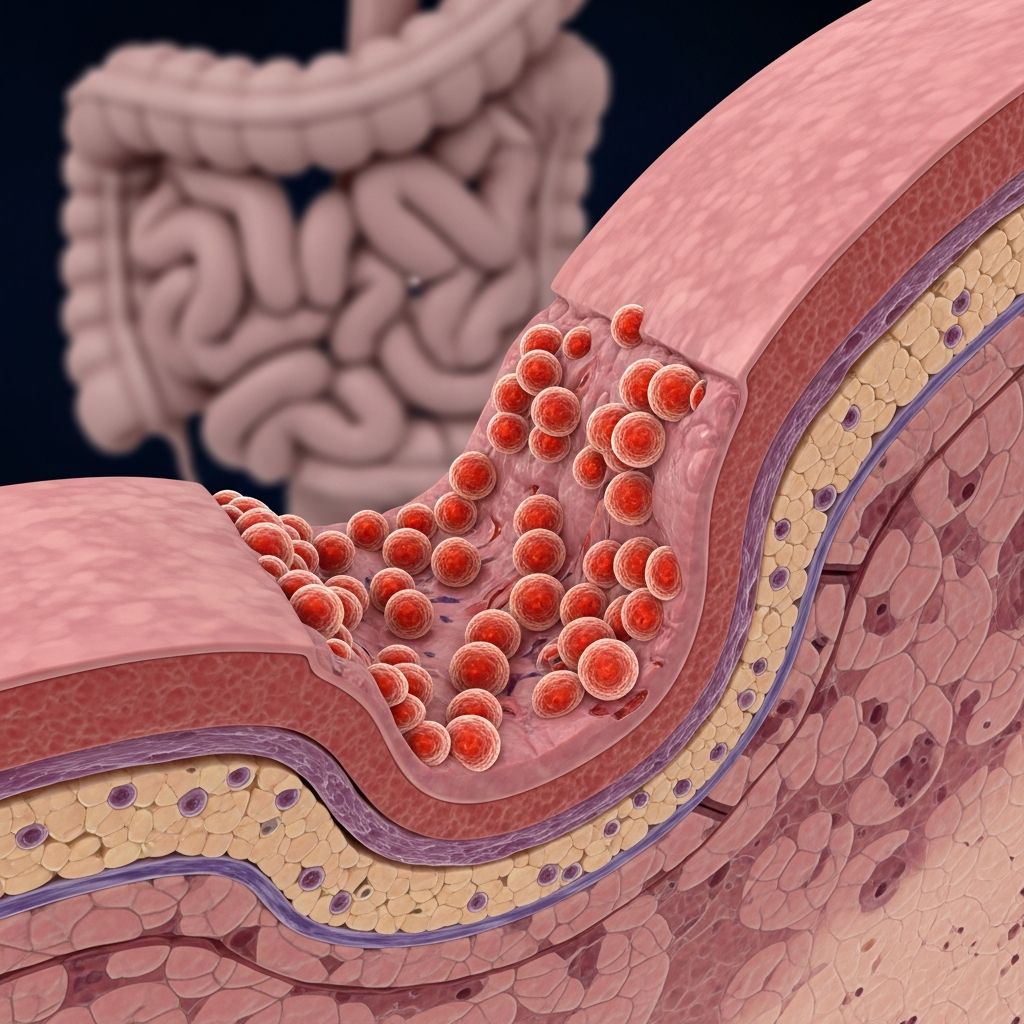
Eosinophilic esophagitis (EoE) represents a chronic immune-mediated disorder where eosinophils, a type of white blood cell, build up in the esophagus, leading to inflammation and potential structural changes. This condition often stems from food allergies or environmental triggers and requires ongoing management to prevent complications like strictures.
Understanding the Nature of EoE
EoE primarily affects the esophagus, distinguishing it from other gastrointestinal eosinophilic disorders. It manifests as an allergic response causing esophageal dysfunction, with symptoms varying by age. In adults and older children, common issues include difficulty swallowing solids, food getting stuck, and chest pain unrelated to swallowing. Younger children may experience vomiting, feeding difficulties, abdominal discomfort, or poor growth.
Without intervention, EoE can progress to fibrosis and narrowing of the esophagus, heightening risks of food impactions and reduced quality of life. Its incidence is increasing, likely due to improved recognition and diagnostic tools.
Root Causes and Risk Factors
The precise etiology of EoE involves a mix of genetic predisposition and environmental factors, predominantly food allergens triggering an immune overreaction. Unlike typical reflux, EoE features eosinophil-dominant inflammation resistant to standard acid suppression alone.
- Genetic links: Family history increases susceptibility, with certain gene variants associated with allergic responses.
- Allergic profile: Up to 50-80% of patients have concurrent allergies like asthma, rhinitis, or atopic dermatitis.
- Triggers: Common culprits include dairy, wheat, eggs, soy, nuts, and seafood, though not always identifiable via standard allergy tests.
Seasonal aeroallergens may exacerbate symptoms in some cases, underscoring the Th2-mediated immune pathway central to EoE pathogenesis.
Recognizing Symptoms Across Age Groups
| Age Group | Common Symptoms | Potential Complications |
|---|---|---|
| Infants/Toddlers | Reflux-like spitting up, feeding refusal, failure to thrive | Growth delays, nutritional deficits |
| Children | Vomiting, abdominal pain, dysphagia to solids | Food aversion, weight loss |
| Adults | Solid food dysphagia, food impaction, heartburn-like pain | Esophageal rings, strictures |
Symptoms often mimic gastroesophageal reflux disease (GERD), delaying diagnosis. Persistent dysphagia despite PPI therapy signals possible EoE.
Diagnostic Approaches for Confirmation
Diagnosis hinges on clinical history, endoscopy, and biopsy. Upper endoscopy reveals characteristic findings like trachealization (ringed esophagus), furrows, exudates, or edema (crepe-paper appearance). Biopsies from multiple esophageal levels must show at least 15 eosinophils per high-power field (eos/hpf) after ruling out other causes.
- Patient history assessment for allergic and swallowing issues.
- Esophagogastroduodenoscopy (EGD) with biopsies.
- Exclusion of GERD via PPI trial (8-12 weeks).
- Allergy testing (skin prick or patch), though not definitive for triggers.
Advanced imaging like barium esophagogram can highlight strictures pre-endoscopy.
Primary Treatment Strategies
Guidelines endorse three first-line therapies: proton pump inhibitors (PPIs), swallowed topical corticosteroids (STCs), and empirical elimination diets. Selection depends on patient age, preferences, and disease severity. Combination approaches or maintenance therapy sustain remission.
Proton Pump Inhibitors (PPIs)
PPIs serve as initial therapy due to ease, cost, and safety. Double-dose regimens for 8-12 weeks yield histological remission in about 40-50% of cases, higher in inflammatory phenotypes. Responders often maintain control on standard doses.
Related Stories



Swallowed Topical Corticosteroids (STCs)
STCs like budesonide oral suspension (Eohilia, FDA-approved for ages 11+) or fluticasone deliver anti-inflammatory effects directly to the esophagus. Remission rates reach 60-80%, though recurrence is common upon cessation, necessitating maintenance.
Dietary Elimination Therapies
Targeting allergic triggers, these diets induce remission in 70-90% with elemental formulas or 40-60% with empirical food removal. Step-up protocols start with 2-food elimination (milk, wheat), adding others if needed, minimizing endoscopies.
- Elemental diet: Amino acid formulas; 90%+ efficacy, ideal for children but challenging long-term.
- Empirical 6-FED: Eliminates milk, wheat, egg, soy, nuts, fish/shellfish.
- Step-up: 2-FED or 4-FED first for efficiency.
Addressing Complications: Esophageal Dilation
For fibrostenotic disease with strictures or persistent dysphagia despite inflammation control, endoscopic dilation stretches the esophagus safely. It relieves symptoms but does not treat underlying inflammation, so pairing with medical/dietary therapy reduces repeat needs.
Procedure risks include perforation (rare, <1%), managed by experienced gastroenterologists.
Long-Term Management and Monitoring
EoE demands lifelong vigilance as a relapsing condition. Maintenance with low-dose PPIs, STCs, or diets prevents progression. Regular follow-ups include symptom reviews, endoscopies every 1-3 years or as needed.
Patient education on trigger avoidance, medication adherence, and impaction response (seek ER for lodged food) is crucial. Multidisciplinary care involving allergists, gastroenterologists, and dietitians optimizes outcomes.
Lifestyle Adjustments for Better Control
- Eat slowly, chew thoroughly to minimize impactions.
- Avoid high-risk foods during flares.
- Manage comorbidities like asthma or eczema.
- Track symptoms via food/symptom diaries.
Emerging therapies like biologics (e.g., dupilumab) show promise for refractory cases, targeting IL-4/IL-13 pathways.
Frequently Asked Questions (FAQs)
What is the difference between EoE and GERD?
GERD involves acid reflux damaging the esophagus, responsive to PPIs; EoE is allergy-driven with eosinophilic infiltration, often PPI-resistant.
Can EoE be cured?
No, but sustained remission is achievable with ongoing therapy tailored to triggers.
Is EoE hereditary?
Genetic factors contribute, with familial clustering observed.
How effective are elimination diets?
Highly effective; elemental diets near 91%, empirical diets 50-70%.
Are there new FDA-approved treatments?
Yes, budesonide oral suspension (Eohilia) for ages 11+.
References
- Evidence-based treatments for eosinophilic esophagitis — Lucendo AJ et al. Therapeutic Advances in Gastroenterology. 2022-01-18. https://pmc.ncbi.nlm.nih.gov/articles/PMC8777364/
- Eosinophilic Esophagitis: Symptoms, Diagnosis & Treatment — American Academy of Allergy, Asthma & Immunology (AAAAI). Accessed 2026. https://www.aaaai.org/conditions-treatments/related-conditions/eosinophilic-esophagitis
- Diagnosis and management of eosinophilic esophagitis — ASGE Standards of Practice Committee. VideoGIE. 2024. https://pmc.ncbi.nlm.nih.gov/articles/PMC10843442/
- Eosinophilic esophagitis – Diagnosis and treatment — Mayo Clinic. Accessed 2026. https://www.mayoclinic.org/diseases-conditions/eosinophilic-esophagitis/diagnosis-treatment/drc-20372203
- Eosinophilic Esophagitis (EoE) — American Partnership for Eosinophilic Disorders (APFED). Accessed 2026. https://apfed.org/about-ead/egids/eoe/
- Eosinophilic Esophagitis (EoE) Treatment — Children’s Hospital Colorado. Accessed 2026. https://www.childrenscolorado.org/doctors-and-departments/departments/digestive-health/programs/eosinophilic-gastrointestinal-diseases/eoe-treatment/
Similar Articles








Read full bio of Sneha Tete