Eosinophilic Esophagitis: Symptoms, Causes & Treatment
Comprehensive guide to understanding eosinophilic esophagitis, its causes, symptoms, diagnosis and effective treatment options.
Eosinophilic Esophagitis: Understanding This Chronic Inflammatory Condition
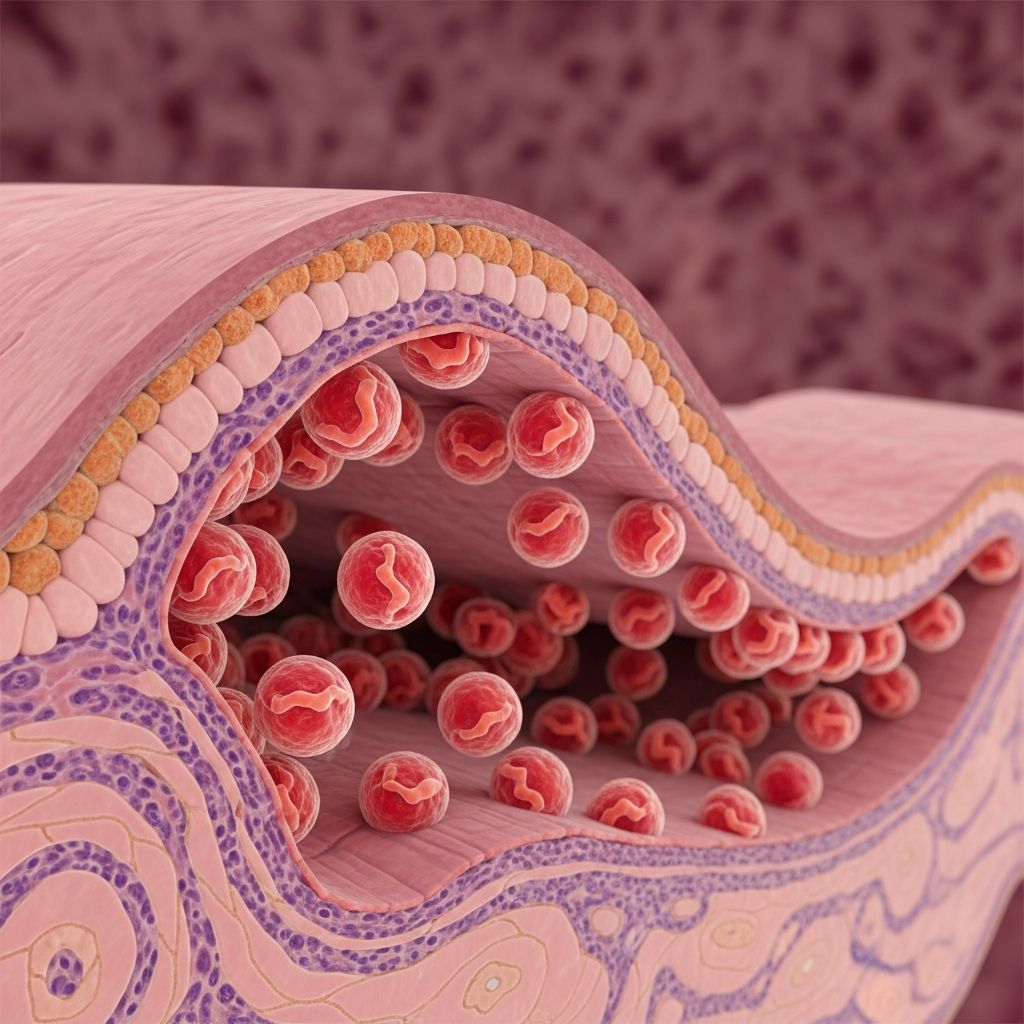
Eosinophilic esophagitis, pronounced “e-o-sin-o-FILL-ik” esophagitis, is a chronic inflammatory disease affecting the esophagus, the muscular tube that connects your mouth to your stomach. This condition develops when white blood cells called eosinophils accumulate abnormally within the esophageal tissue, triggering inflammation and potentially causing significant complications if left untreated. Unlike typical heartburn or acid reflux, eosinophilic esophagitis is an immune-mediated disorder that requires specialized diagnosis and long-term management. While there is currently no cure for this condition, various evidence-based treatments can effectively control inflammation and manage symptoms, allowing individuals to maintain quality of life and prevent serious complications such as scarring and esophageal narrowing.
What is Eosinophilic Esophagitis?
Eosinophilic esophagitis occurs when your immune system reacts abnormally to allergens present in your esophagus. Rather than responding appropriately to genuine threats, your immune system treats certain substances as dangerous invaders. This reaction causes your body to fill the esophagus with inflammatory cells, including elevated numbers of eosinophils and cytokines, which are signaling molecules that promote inflammation. When eosinophil levels become excessive, they accumulate in the esophageal lining, creating chronic inflammation that damages the delicate tissue.
The condition is considered a chronic disease, meaning it develops gradually and persists over time. Without appropriate treatment, the persistent inflammation can lead to serious complications including scar tissue formation and esophageal strictures—abnormal narrowing of the esophagus that makes swallowing progressively more difficult. For example, when you swallow food, it may become stuck or move extremely slowly through your esophagus toward your stomach, causing discomfort and potential food impaction.
Symptoms of Eosinophilic Esophagitis
The symptoms of eosinophilic esophagitis vary in intensity and presentation, sometimes mimicking other esophageal conditions. Recognizing these symptoms is crucial for seeking appropriate medical evaluation and diagnosis.
Primary symptoms include:
– Heartburn and acid reflux sensations- Chest discomfort or chest pain- Difficulty swallowing (dysphagia)- Sensation of food being stuck in your esophagus- Regurgitation or spitting up of food
Less common symptoms may include:
– Abdominal pain- Nausea- Vomiting
The severity and type of symptoms can differ significantly between individuals. Some people experience severe difficulty swallowing that significantly impacts their daily eating patterns, while others may have relatively mild symptoms that develop gradually. In many cases, symptoms may be intermittent, with periods of relative comfort followed by symptom flare-ups.
Understanding the Causes and Risk Factors
Eosinophilic esophagitis develops when allergens—either environmental or food-related—trigger an abnormal immune response in your esophagus. Understanding these triggers and risk factors is essential for effective management of the condition.
Common Food Triggers
Research has identified six primary food groups that most commonly trigger eosinophilic esophagitis. These foods are responsible for the majority of cases where dietary factors contribute to disease development and symptom flare-ups:
– Dairy products (milk, cheese, yogurt, butter)- Eggs- Peanuts and tree nuts- Seafood and shellfish- Soy and soy-containing products- Wheat and wheat-based products
It’s important to note that most individuals with eosinophilic esophagitis have sensitivity to only one to three of these food groups rather than all six. Dairy and wheat are statistically the most common triggers among affected individuals. Other potential triggers may include corn, beef, and processed foods containing these major allergens.
Related Stories



Risk Factors
Several factors increase the likelihood of developing eosinophilic esophagitis. Many people diagnosed with this condition also have a personal or family history of allergic diseases, including:
– Atopic dermatitis (eczema)- Allergic rhinitis (hay fever)- Asthma- Food allergies- Environmental allergies
A significant risk factor is having a family history of eosinophilic esophagitis. If members of your immediate family have been diagnosed with this condition, your risk of developing it increases substantially. Additionally, demographic data suggests that eosinophilic esophagitis is more common in males and may occur across all age groups, though it’s frequently diagnosed in children and young adults.
Potential Complications Without Treatment
When eosinophilic esophagitis remains undiagnosed or untreated, the chronic inflammation can cause progressive damage to esophageal tissue, potentially leading to serious complications:
–
Esophageal strictures:
Permanent scarring and narrowing of the esophagus, requiring dilation procedures-Food impaction:
Food becoming lodged in the esophagus, requiring emergency endoscopic removal-Severe dysphagia:
Progressive difficulty swallowing that significantly impacts nutritional intake-Nutritional deficiencies:
Difficulty eating causing inadequate nutrient absorption-Esophageal perforation:
Rare but serious tearing of the esophageal wallDiagnosis of Eosinophilic Esophagitis
Proper diagnosis of eosinophilic esophagitis requires a combination of clinical evaluation and specialized diagnostic procedures. A healthcare provider will typically begin with a thorough physical examination and detailed symptom history.
Initial Evaluation
During your initial consultation, your healthcare provider will ask detailed questions about your symptoms, including:
– When symptoms began and how they’ve progressed- Specific foods that seem to trigger symptoms- Presence of other allergic conditions- Family history of eosinophilic esophagitis or other allergic diseases- Impact of symptoms on your daily life and eating patterns
Diagnostic Procedures
If eosinophilic esophagitis is suspected, your provider will refer you to a gastroenterologist who can perform specialized procedures:
Upper Endoscopy (Esophagogastroduodenoscopy or EGD): This procedure involves inserting a long, narrow tube with a lighted camera on its tip through your mouth into your esophagus. The gastroenterologist can directly visualize the esophageal lining and look for signs of inflammation such as whitish spots, concentric rings, furrows, or other abnormalities characteristic of eosinophilic esophagitis.
Esophageal Biopsy: During the upper endoscopy, your doctor will use specialized instruments to collect small tissue samples from the esophageal lining. These samples are sent to a laboratory where pathologists examine them under a microscope. The definitive diagnosis of eosinophilic esophagitis requires identification of elevated eosinophil counts. The current consensus diagnostic criterion is a peak value of 15 or more eosinophils per high-power microscopic field.
Additional Testing Considerations: Your gastroenterologist may recommend additional tests to evaluate overall esophageal function and rule out other conditions. These may include esophageal manometry to measure muscle contractions, pH monitoring to assess acid reflux, or barium imaging studies to visualize esophageal structure.
Treatment Approaches for Eosinophilic Esophagitis
Treatment of eosinophilic esophagitis focuses on managing inflammation in your esophagus and preventing complications. You and your gastroenterologist will work together to determine the most appropriate treatment strategy, which may involve medication, dietary modification, or a combination of approaches.
Medication-Based Treatments
Several classes of medications can effectively reduce inflammation in eosinophilic esophagitis:
Proton Pump Inhibitors (PPIs): These medications reduce stomach acid production and are often tried first as initial therapy. PPIs can help reduce inflammation and are effective in some patients, though they work through multiple mechanisms beyond simple acid reduction.
Topical Corticosteroids: These anti-inflammatory medications are administered as swallowed liquids or sprays that coat the esophagus directly. Common options include fluticasone and budesonide. These medications have become increasingly popular as first-line therapy because they deliver medication directly to the inflamed tissue with minimal systemic absorption.
Systemic Corticosteroids: For more severe cases, systemic corticosteroids taken orally may be prescribed, though these are typically reserved for acute flare-ups or refractory disease due to potential long-term side effects.
Your healthcare provider will order periodic upper endoscopies with biopsies to monitor treatment effectiveness. If initial therapy isn’t controlling inflammation adequately, your provider will recommend alternative treatment options.
Dietary Management
The six-food elimination diet represents one of the most effective non-medication approaches for managing eosinophilic esophagitis. Research indicates that approximately 70 to 80 percent of patients achieve disease control through this dietary approach.
How the Six-Food Elimination Diet Works:
The traditional approach involves temporarily eliminating all six common food trigger groups for a minimum of six weeks. During this elimination period, you completely avoid dairy, eggs, peanuts and tree nuts, seafood and shellfish, soy, and wheat. This comprehensive elimination allows esophageal inflammation to subside and gives your healthcare team a baseline assessment of your response to dietary intervention.
After six weeks of strict elimination, you will undergo an upper endoscopy with biopsy to assess whether inflammation has improved. If your eosinophilic esophagitis is well managed, your provider will begin systematically reintroducing foods. Typically, one to two food groups are added back every four to six weeks. With each food reintroduction, you’ll have another upper endoscopy with biopsy to determine whether that food group triggers eosinophil accumulation. This systematic approach helps identify which specific foods are your individual triggers rather than unnecessarily restricting all six food groups long-term.
Working with Specialists: An elimination diet should be followed under the guidance of qualified healthcare providers, ideally including your gastroenterologist and a dietitian experienced with eosinophilic esophagitis. They can ensure adequate nutrition during elimination phases and help you interpret biopsy results during the reintroduction process.
Elemental Diet
For select patients, your provider may recommend an elemental diet for short-term use. This specialized diet consists of amino acids, fats, and carbohydrates in their most basic forms, eliminating potential allergens entirely. While effective at controlling inflammation, this diet is challenging to follow long-term and is typically used as a temporary therapeutic option.
Endoscopic Dilation
If your esophagus has become significantly narrowed due to strictures and scarring, your gastroenterologist may perform endoscopic dilation. During this procedure, an endoscope is used to carefully stretch the narrowed section of your esophagus, improving your ability to swallow. If food becomes impacted in your esophagus, dilation may also be used to relieve this emergency situation and safely remove the trapped food.
Managing Eosinophilic Esophagitis Long-Term
Eosinophilic esophagitis is a chronic condition that most people will manage for the rest of their lives. However, proper management allows many individuals to control symptoms effectively and prevent serious complications.
Follow-Up Care: You should maintain regular contact with your gastroenterologist, ideally with follow-up visits at least once annually. These regular appointments allow your provider to monitor your condition, assess treatment effectiveness, and make adjustments as needed. You should contact your gastroenterologist immediately if your symptoms return, worsen, or if you experience new issues with swallowing or food impaction.
Self-Care Recommendations:
– Maintain detailed food diaries to identify personal trigger foods- Work closely with your healthcare team to develop a sustainable long-term management plan- Take medications consistently as prescribed- Avoid your identified food triggers- Report any symptom changes promptly to your healthcare provider- Maintain regular follow-up appointments and endoscopies as recommended- Educate yourself about your condition to make informed decisions about your care
Important Perspective: While eosinophilic esophagitis is a chronic and serious illness requiring ongoing management, it is not life-threatening. With appropriate treatment and adherence to your management plan, you can maintain quality of life and enjoy meals with family and friends.
Eosinophilic Esophagitis vs. Other Eosinophilic Gastrointestinal Diseases
Eosinophilic esophagitis is one type of eosinophilic gastrointestinal disease (EGID). These conditions share the characteristic feature of abnormally elevated eosinophils in various parts of the digestive system but affect different locations:
Eosinophilic gastritis involves high eosinophil counts in the stomach, while eosinophilic esophagitis specifically affects the esophagus. Other eosinophilic gastrointestinal diseases include eosinophilic gastroenteritis and eosinophilic colitis, affecting the small intestine and colon respectively. All of these conditions require similar diagnostic approaches and share common treatment principles, though specific management may vary based on the affected location.
Frequently Asked Questions About Eosinophilic Esophagitis
Q: Is eosinophilic esophagitis curable?
A: Currently, there is no cure for eosinophilic esophagitis. However, it is a manageable chronic condition. Many people achieve excellent symptom control and maintain healthy esophageal function through appropriate medication and dietary management.
Q: Can children develop eosinophilic esophagitis?
A: Yes, eosinophilic esophagitis affects children of all ages. Pediatric gastroenterologists and allergists can diagnose and treat this condition in children, often working with dietitians and other specialists to provide comprehensive care.
Q: How long does the six-food elimination diet take?
A: The initial elimination phase lasts at least six weeks. The complete reintroduction process, where foods are added back one to two groups every four to six weeks, typically takes several months.
Q: What happens if medication doesn’t work?
A: If initial treatment with proton pump inhibitors or topical corticosteroids doesn’t adequately control inflammation, your gastroenterologist will recommend alternative approaches, which may include trying different medications, attempting an elimination diet, or combining multiple treatment strategies.
Q: How often do I need upper endoscopies?
A: Your gastroenterologist will recommend an appropriate endoscopy schedule based on your individual treatment plan. During elimination diet reintroduction, endoscopies typically occur every four to six weeks. Once you achieve stable disease management, the frequency may decrease, but regular monitoring remains important.
References
- Eosinophilic Esophagitis: What it Is, Symptoms & Treatment — Cleveland Clinic. 2024-05-29. https://my.clevelandclinic.org/health/diseases/14321-eosinophilic-esophagitis
- Should You Try an Elimination Diet for Eosinophilic Esophagitis? — Cleveland Clinic Health. 2025. https://health.clevelandclinic.org/eosinophilic-esophagitis-elimination-diet
- Eosinophilic Esophagitis — American College of Gastroenterology. 2025. https://gi.org/topics/eosinophilic-esophagitis/
- The ‘skinny’ on eosinophilic esophagitis — Cleveland Clinic Journal of Medicine, 2015. https://www.ccjm.org/content/ccjom/82/2/83.full.pdf
- Get Eosinophilic Esophagitis Treatment — Cleveland Clinic Children’s. 2025. https://my.clevelandclinic.org/pediatrics/services/eosinophilic-esophagitis-treatment
- Esophageal & Swallowing Disorders — Cleveland Clinic. 2025. https://my.clevelandclinic.org/departments/digestive/depts/swallowing
Similar Articles








Read full bio of medha deb