Eosinophilic Esophagitis Symptoms: Quick Recognition Guide
Recognizing the signs of eosinophilic esophagitis: From difficulty swallowing to food impaction, learn how this allergic condition affects the esophagus across all ages.
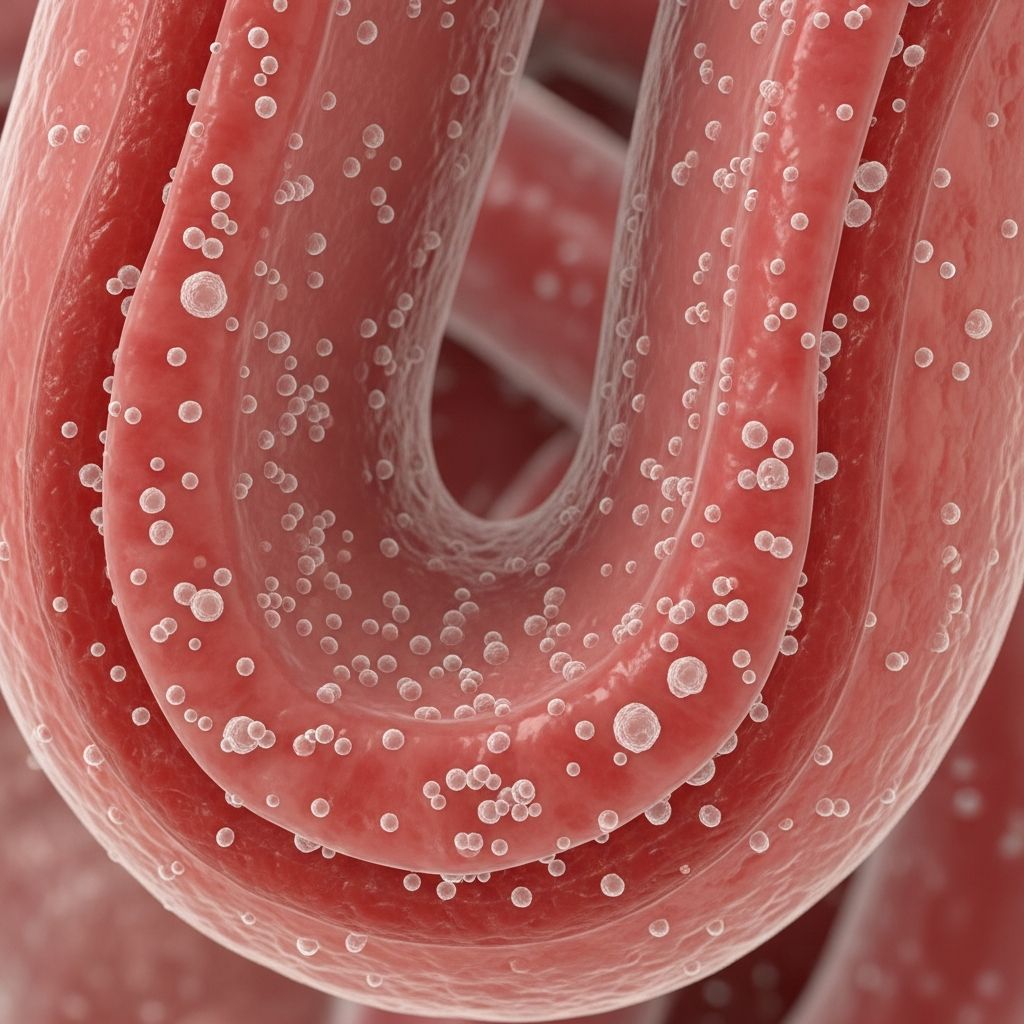
Eosinophilic esophagitis (EoE) is a chronic allergic condition characterized by excessive eosinophils—a type of white blood cell—in the esophagus, leading to inflammation, swelling, and various digestive symptoms. This immune response often triggers from food allergens or environmental factors, causing the esophagus to narrow and making swallowing difficult. Symptoms vary by age, with children experiencing feeding difficulties and poor growth, while adults face food impaction and chest pain. Early recognition is crucial to prevent complications like scarring.
What Is Eosinophilic Esophagitis?
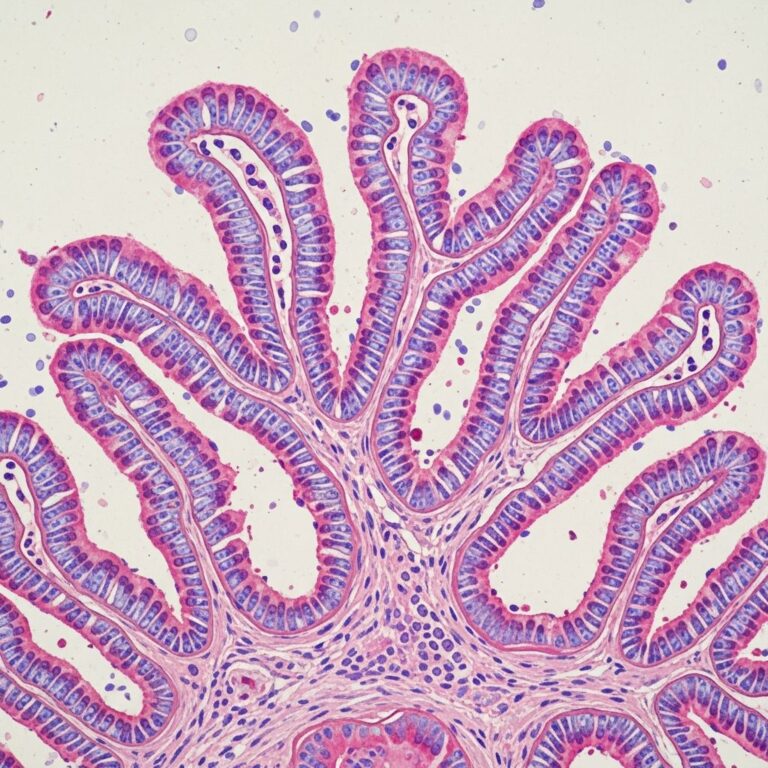
EoE involves the buildup of eosinophils in the esophageal lining, releasing substances that inflame tissues and impair function. Unlike gastroesophageal reflux disease (GERD), which it mimics, EoE does not respond to acid-suppressing medications and requires specific diagnosis. The condition has risen in prevalence alongside allergies and asthma, affecting all ages but diagnosed more frequently in males. The esophagus, the tube connecting the throat to the stomach, becomes inflamed, leading to structural changes over time.
Diagnosis typically involves an upper endoscopy with biopsy, confirming ≥15 eosinophils per high-power field. Untreated EoE can cause malnutrition, esophageal strictures, and tears.
Symptoms of Eosinophilic Esophagitis
Symptoms of EoE stem from esophageal inflammation and narrowing (dysphagia), impacting eating and nutrition. Common across ages include difficulty swallowing, food getting stuck, nausea, and reflux-like pain, but manifestations differ.
Symptoms in Adults
Adults primarily experience dysphagia, where swallowing solids becomes painful or effortful due to esophageal swelling. Food impaction—bolus obstruction—occurs when food lodges in the narrowed esophagus, often requiring emergency removal. Other signs:
- Chest pain, central and unresponsive to antacids
- Regurgitation of undigested food
- Heartburn or acid reflux mimicking GERD
- Weight loss from poor intake
Chronic irritation leads to scarring, worsening impaction risk.
Symptoms in Children
Children show age-specific symptoms tied to feeding and growth. Infants and toddlers exhibit:
- Feeding difficulties or refusal
- Frequent vomiting or spitting up
- Failure to thrive: poor weight gain and stunted growth
School-age children and teens report abdominal pain, vomiting, dysphagia, and food impaction. Overall pediatric issues include malnutrition and sleep disturbances from pain or reflux.
Symptoms in Infants and Toddlers
Young children often present with feeding aversion, projectile vomiting, and poor appetite, leading to growth delays. Unlike adults, abdominal pain predominates over dysphagia.
Causes and Risk Factors
EoE arises from an allergic reaction where eosinophils infiltrate the esophagus in response to triggers like foods (milk, wheat, eggs, soy) or aeroallergens. Genetic predisposition, atopy (asthma, eczema), and male sex increase risk. Rising diagnoses parallel allergy epidemics, suggesting environmental influences. Unlike GERD, acid reflux is not primary, though symptoms overlap.
Complications of Eosinophilic Esophagitis
Unchecked inflammation causes esophageal fibrosis, strictures, and narrowing, heightening food impaction and dysphagia. Endoscopy risks perforation from fragile tissues; retching during impaction can tear the lining. Long-term: malnutrition, weight loss, and resistance to therapies. In children, persistent symptoms link to sleep issues like snoring and arousals.
Related Stories



Diagnosis
Diagnosis starts with symptom review and ruling out GERD via proton pump inhibitor trial. Key is endoscopy with biopsy showing eosinophilic infiltration. Barium swallow may reveal narrowing.
| Method | Purpose | Findings in EoE |
|---|---|---|
| Upper Endoscopy | Visualize and biopsy esophagus | Rings, furrows, white exudates; ≥15 eosinophils/hpf |
| Biopsy Histology | Count eosinophils | Eosinophilic predominance |
| PPI Trial | Differentiate from GERD | No symptom resolution |
Treatment and Management
Treatment targets inflammation via diet, medications, or dilation.
- Dietary Elimination: Remove top allergens (e.g., six-food elimination diet: milk, wheat, egg, soy, nuts, fish/shellfish)
- Medications: Topical corticosteroids (swallowed budesonide/fluticasone), proton pump inhibitors for overlap, biologics like dupilumab
- Dilation: For strictures, to widen esophagus
Multidisciplinary care improves outcomes; maintenance therapy prevents relapse.
When to See a Doctor
Seek care for persistent dysphagia, recurrent impaction, unexplained vomiting, growth failure, or reflux unresponsive to antacids. Early intervention averts complications.
Frequently Asked Questions (FAQs)
What are the first signs of eosinophilic esophagitis?
Initial symptoms include difficulty swallowing solids, food feeling stuck, vomiting, or abdominal pain in children.
Can EoE be cured?
EoE is chronic but manageable with diet and meds; remission is possible, but triggers require ongoing avoidance.
Is EoE the same as GERD?
No, EoE is allergic and PPI-resistant; endoscopy distinguishes via eosinophils.
How common is food impaction in EoE?
Very common in adults (up to 30-50% at diagnosis), less in young children.
Does EoE affect sleep?
Yes, children may have snoring, arousals, and daytime sleepiness from pain/reflux.
References
- Eosinophilic esophagitis: Symptoms and causes — Mayo Clinic. 2024-07-02. https://www.mayoclinic.org/diseases-conditions/eosinophilic-esophagitis/symptoms-causes/syc-20372197
- What are the symptoms of eosinophilic esophagitis? — Medical News Today. N/A. https://www.medicalnewstoday.com/articles/eosinophilic-esophagitis-symptoms
- Eosinophilic esophagitis: Examining the impact of disease — PMC – NIH. N/A. https://pmc.ncbi.nlm.nih.gov/articles/PMC12680313/
- What to Know About Eosinophilic Esophagitis (EoE) — Banner Health. N/A. https://www.bannerhealth.com/healthcareblog/better-me/what-to-know-about-eosinophilic-esophagitis
- Life with Eosinophilic Esophagitis (EoE) — Asthma and Allergy Foundation of America (AAFA). N/A. https://aafa.org/asthma-allergy-research/our-research/life-with-eosinophilic-esophagitis-eoe/
- Eosinophilic Esophagitis (EoE) — American Partnership for Eosinophilic Disorders (APFED). N/A. https://apfed.org/about-ead/egids/eoe/
Similar Articles








Read full bio of medha deb