Eosinophils: Function, Range & Related Disorders
Understanding eosinophils: white blood cells that protect against parasites and allergens.
Understanding Eosinophils: Function, Range & Related Disorders
Eosinophils are specialized white blood cells that play a crucial role in your immune system’s defense mechanisms. These cells are specifically designed to protect your body from parasites, allergens, foreign bacteria, and other outside organisms. Understanding what eosinophils are, how they function, and when their levels become abnormal is essential for recognizing and managing various health conditions. This comprehensive guide explores the function of eosinophils, normal ranges, and the disorders associated with abnormal eosinophil levels.
What Are Eosinophils?
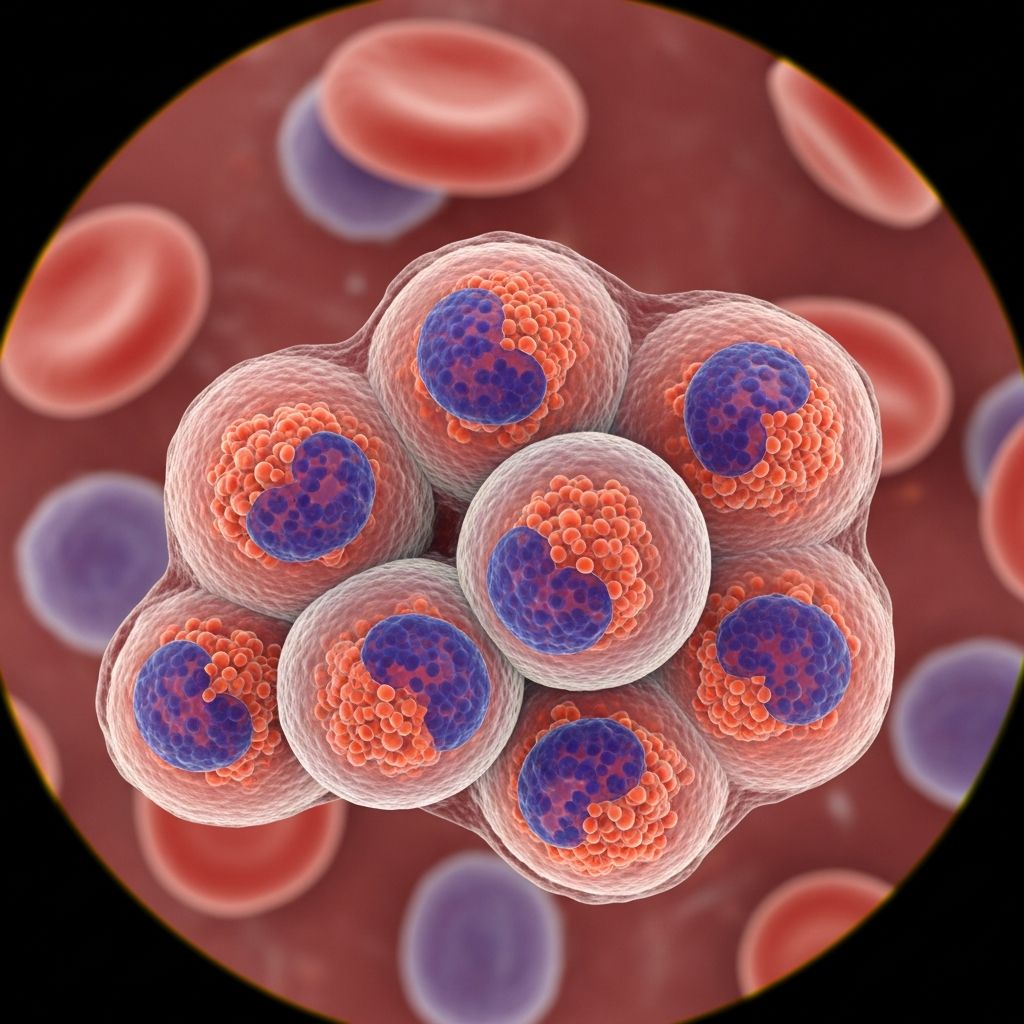
Eosinophils are a type of white blood cell (leukocyte) that comprise a small percentage of your total white blood cell count. These cells are part of your body’s innate immune system and are produced in the bone marrow before being released into the bloodstream. Eosinophils get their name from the acidic dye eosin, which stains them a reddish-pink color under a microscope, distinguishing them from other white blood cells.
These specialized immune cells contain granules filled with powerful proteins and chemicals that enable them to fight off infections and manage inflammatory responses. When activated, eosinophils release these granule contents to combat threats to your body. The lifespan of an eosinophil is relatively short, typically lasting between 12 to 14 days in the bloodstream, though they can persist longer in tissues.
Primary Functions of Eosinophils
Eosinophils serve several vital functions within your immune system:
Parasite Defense
One of the primary roles of eosinophils is to identify and destroy parasitic organisms that enter your body. When parasites invade, eosinophils release toxic proteins from their granules that damage the parasite’s cell membrane, leading to its destruction. This function is particularly important in regions where parasitic infections are common.
Allergic Response Management
Eosinophils work alongside basophils to produce and regulate allergic responses. During an allergic reaction, these cells release mediators such as histamine and leukotrienes that cause inflammation, itching, and swelling. While this response is designed to protect against harmful substances, excessive eosinophil activity can lead to allergy symptoms and tissue damage.
Cancer Cell Identification
Eosinophils possess the ability to recognize and destroy certain cancer cells through a process called antibody-dependent cellular cytotoxicity. This surveillance function helps your body eliminate potentially malignant cells before they can develop into serious cancers.
Inflammation Regulation
These cells contribute to inflammatory responses by releasing inflammatory mediators that recruit other immune cells to sites of infection or injury. However, they also help resolve inflammation and promote tissue repair, making them important for both initiating and terminating immune responses.
Normal Eosinophil Range
Eosinophils typically make up a small portion of your total white blood cell count. The normal range for eosinophils in the blood is generally between 1 to 4 percent of your total white blood cell count, or approximately 50 to 400 cells per microliter of blood. This range can vary slightly depending on the laboratory performing the test and the reference values they use.
Several factors can influence your eosinophil count, including time of day, stress levels, medications, and seasonal changes. Some people naturally have slightly higher or lower counts without having any medical condition. However, consistently elevated or decreased levels warrant further investigation.
Related Stories



Elevated Eosinophil Count: Eosinophilia
Eosinophilia occurs when your body produces too many eosinophils, resulting in an absolute eosinophil count exceeding 500 cells per microliter of blood. This condition can indicate various underlying health issues and may be mild, moderate, or severe depending on the eosinophil count.
Causes of Eosinophilia
Eosinophilia can result from numerous causes, including:
- Parasitic infections, particularly those common in tropical regions
- Allergic reactions and allergic diseases
- Asthma and other respiratory conditions
- Food allergies
- Atopic dermatitis and other skin conditions
- Certain medications, including some antibiotics and antifungals
- Leukemia and other blood cancers
- Autoimmune diseases
- Inflammatory bowel disease
- Immunodeficiency disorders
Symptoms of Eosinophilia
Symptoms associated with elevated eosinophil counts depend on the underlying cause and severity of the condition. Some individuals with mild eosinophilia may have no symptoms at all. However, moderate to severe eosinophilia may produce symptoms such as:
- Shortness of breath and wheezing
- Chest pain or discomfort
- Persistent cough
- Skin rashes and itching
- Abdominal pain and digestive issues
- Fatigue and weakness
- Swollen lymph nodes
- Fever
Hypereosinophilic Syndrome
Hypereosinophilic syndrome (HES) represents a group of rare disorders characterized by sustained peripheral or tissue hypereosinophilia with concurrent evidence of eosinophil-mediated organ damage. This serious condition occurs when eosinophil counts remain persistently elevated and cause damage to various organs in the body.
Diagnostic Criteria for HES
According to the 2021 Working Conference on Eosinophil Disorders and Syndromes, HES can be diagnosed when an absolute eosinophil count (AEC) exceeds 1.5 × 10⁴/µL on two separate examinations at least 2 weeks apart, with evidence of organ damage attributed to hypereosinophilia. Additionally, tissue hypereosinophilia can be diagnosed when the percentage of eosinophils exceeds 20 percent of all nucleated cells in bone marrow sections, or when pathologists observe extensive tissue infiltration by eosinophils compared to normal physiologic ranges.
Eosinophilic Myocarditis
One of the most serious manifestations of HES is eosinophilic myocarditis (EM), a rare cardiac condition in which activated eosinophils infiltrate into the myocardium (heart muscle) and cause damage. This condition has been divided into three progressive stages: an acute necrotic stage, a thrombotic stage, and a fibrotic stage.
Loeffler’s endocarditis, characterized by chronic progressive disease with lesions in the endocardium, represents the thrombotic and fibrotic stages of eosinophilic myocarditis. Diagnosis of EM is definitively made through endomyocardial biopsy (EMB), though clinicians can often diagnose the condition based on laboratory parameters and cardiac imaging findings in the appropriate clinical context.
Laboratory Findings in HES
Clinical laboratory findings in patients with eosinophilic myocarditis include elevated troponin, NT-pro BNP, and C-reactive protein (CRP), which are markers of cardiac injury and inflammation. Echocardiography serves as the first-line imaging modality for diagnostic workup, while cardiac magnetic resonance (CMR) functions as an important adjunct imaging modality. The most common advanced cardiac imaging finding in EM is a subendocardial pattern of late gadolinium enhancement on CMR.
Patients with eosinophilic myocarditis demonstrate significantly more thromboembolic events compared to HES patients without cardiac involvement, though mortality rates are not significantly different between these groups.
Eosinophilic Esophagitis
Eosinophilic esophagitis is a chronic inflammatory condition characterized by abnormal eosinophil infiltration in the esophagus. This condition has increased significantly in prevalence over the past decade and represents an important eosinophil-mediated disorder affecting the gastrointestinal system. The condition is often associated with food allergies, and management typically involves identifying and avoiding trigger foods.[10]
Eosinophilic Granulomatosis with Polyangiitis
Eosinophilic granulomatosis with polyangiitis (EGPA), formerly known as Churg-Strauss syndrome, is a rare immune disorder involving the respiratory system. This condition combines features of eosinophilia with vasculitis (inflammation of blood vessels) and can affect multiple organ systems including the heart, lungs, nerves, and skin.
Low Eosinophil Count: Eosinopenia
While much attention focuses on elevated eosinophil counts, abnormally low eosinophil counts can also indicate health problems. Eosinopenia, defined as a count below 50 cells per microliter of blood, may result from bone marrow disorders, corticosteroid use, stress, certain infections, or immune system deficiencies. Low eosinophil counts are typically less clinically significant than elevated counts but may warrant investigation if they persist.
Diagnosis and Testing
Eosinophil levels are typically measured through a complete blood count (CBC) with differential, which identifies the percentage and absolute number of eosinophils in your blood. A peripheral blood smear may be performed to visualize eosinophils under a microscope. For suspected organ-specific eosinophilic diseases, additional testing such as tissue biopsy, imaging studies, and allergy testing may be necessary.
Treatment Approaches
Treatment for elevated eosinophil counts depends on the underlying cause. For allergic conditions, allergen avoidance and antihistamines are first-line treatments. Corticosteroids effectively reduce eosinophil counts and are commonly prescribed for various eosinophilic disorders. For severe or refractory cases, immunosuppressive therapy may be necessary. Specific conditions like parasitic infections require antiparasitic medications, while eosinophilic myocarditis may require aggressive immunosuppression to prevent cardiac damage.
Frequently Asked Questions
Q: What is a normal eosinophil count?
A: Normal eosinophil counts typically range from 1 to 4 percent of total white blood cells, or approximately 50 to 400 cells per microliter of blood. This range can vary slightly between laboratories.
Q: What does it mean if my eosinophil count is high?
A: Elevated eosinophil counts can indicate parasitic infections, allergic reactions, asthma, autoimmune diseases, or in rare cases, blood cancers. Further testing is needed to determine the underlying cause.
Q: Can medication cause high eosinophil counts?
A: Yes, certain medications including antibiotics, antifungals, and some other drugs can cause elevated eosinophil counts as a side effect.
Q: How is eosinophilic myocarditis diagnosed?
A: Eosinophilic myocarditis is definitively diagnosed through endomyocardial biopsy, though echocardiography and cardiac magnetic resonance imaging serve as important diagnostic tools.
Q: Is hypereosinophilic syndrome life-threatening?
A: Hypereosinophilic syndrome can be serious, especially when it affects the heart (eosinophilic myocarditis). Prompt diagnosis and treatment are essential to prevent organ damage.
Q: Can eosinophilia be cured?
A: Treatment depends on the underlying cause. If eosinophilia results from allergies or parasites, it can often be effectively managed or cured by treating the underlying condition.
Q: What should I do if my eosinophil count is abnormal?
A: Consult with your healthcare provider, who can determine whether further testing is needed and identify any underlying conditions requiring treatment.
References
- The Cleveland Clinic experience of eosinophilic myocarditis in the setting of hypereosinophilic syndrome: demographics, cardiac imaging, and outcomes — National Center for Biotechnology Information (NIH). 2024-12-01. https://pmc.ncbi.nlm.nih.gov/articles/PMC11707478/
- The Cleveland Clinic experience of eosinophilic myocarditis in the setting of hypereosinophilic syndrome — Cardiovascular Diagnosis and Therapy. 2024-12-01. https://cdt.amegroups.org/article/view/131805/html
- Eosinophils: Function, Range & Related Disorders — Cleveland Clinic. 2024-12-01. https://my.clevelandclinic.org/health/body/23402-eosinophils
- Eosinophilia: Definition, Symptoms, Causes & Treatment — Cleveland Clinic. 2024-12-01. https://my.clevelandclinic.org/health/diseases/17710-eosinophilia
- The ‘skinny’ on eosinophilic esophagitis — Cleveland Clinic Journal of Medicine. 2024-12-01. https://www.ccjm.org/content/ccjom/82/2/83.full.pdf
- White Blood Cells: Types, Function & Normal Ranges — Cleveland Clinic. 2024-12-01. https://my.clevelandclinic.org/health/body/21871-white-blood-cells
- EGPA (Formerly Churg-Strauss Syndrome): Symptoms & Treatment — Cleveland Clinic. 2024-12-01. https://my.clevelandclinic.org/health/diseases/churg-strauss-syndrome-eosinophilic-granulomatosis-with-polyangiitis-egpa
Similar Articles








Read full bio of medha deb