Ephedra: Uses, Safety Concerns, and FDA Regulations
Understanding ephedra's therapeutic applications, risks, and why the FDA banned this herbal supplement.
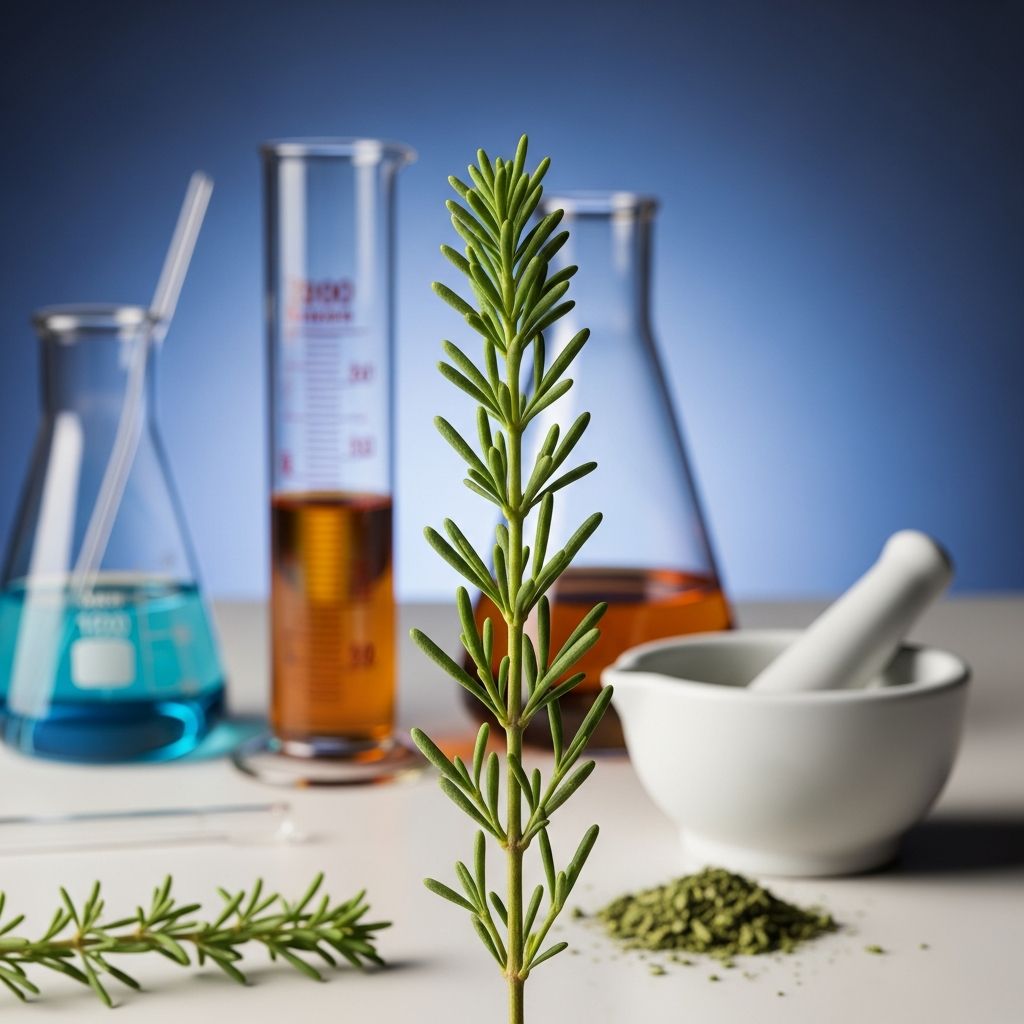
Understanding Ephedra: History, Uses, and Safety
Ephedra, commonly known by its traditional Chinese name ma huang, is a plant-based substance that has been utilized in herbal medicine for centuries. The herb gained significant attention in modern medicine during the early twentieth century when Japanese chemists successfully isolated its primary active compounds: ephedrine and pseudoephedrine. These alkaloids became the foundation for numerous pharmaceutical and dietary supplement products marketed for weight loss, athletic performance enhancement, and respiratory relief. However, decades of medical research have revealed that ephedra poses substantial health risks, leading the U.S. Food and Drug Administration (FDA) to implement a comprehensive ban on ephedra-containing dietary supplements in 2004.
Historical and Traditional Uses of Ephedra
In traditional Chinese medicine, ma huang was primarily employed by herbalists to address respiratory conditions and inflammatory disorders. The herb was historically used during the early stages of respiratory infections and represented a cornerstone of respiratory care in ancient Chinese medical practice. Beyond respiratory applications, ephedra was also utilized for the short-term treatment of several conditions including asthma, eczema, hay fever, narcolepsy, and edema. When ephedrine was isolated at the turn of the twentieth century, it quickly became recognized as an effective treatment for asthma in the United States and throughout the international medical community. This discovery transformed ephedra from a traditional herbal remedy into a mainstream pharmaceutical ingredient.
Pseudoephedrine, the other major alkaloid found in ephedra, became the active ingredient in the widely used decongestant medication Sudafed. This compound proved effective in relieving nasal congestion and sinus pressure, making it a staple in over-the-counter cold and allergy medications. The success of ephedrine and pseudoephedrine in conventional medicine led manufacturers to incorporate these compounds into numerous dietary supplements and weight loss products marketed directly to consumers.
Active Compounds and Mechanism of Action
The therapeutic effects of ephedra are primarily attributed to two alkaloid compounds: ephedrine and pseudoephedrine. Both substances function as sympathomimetic agents, meaning they stimulate the sympathetic nervous system and produce effects similar to adrenaline. These compounds work by increasing heart rate and blood pressure, dilating air passages in the lungs, and enhancing overall metabolic activity.
Ephedrine, in particular, has legitimate medical applications when administered under proper medical supervision. In clinical settings such as operating rooms and intensive care units, ephedrine is used to manage blood pressure and support respiratory function in patients with compromised airways. However, the unmonitored and unregulated use of ephedra in dietary supplements—where dosages are often inconsistent and contaminants may be present—creates significantly different risk profiles than controlled medical administration.
Principal Therapeutic Applications
Asthma and Respiratory Conditions
The primary proposed use for ephedra has historically been the treatment of asthma and related respiratory disorders. The herb’s bronchodilating properties made it an effective option for patients experiencing airway constriction and breathing difficulties. Before the development of modern asthma medications, ephedra preparations were among the most reliable treatments available for acute asthma symptoms. However, with the introduction of safer and more targeted bronchodilators and corticosteroid inhalers, ephedra’s role in asthma management has become obsolete from a medical perspective.
Weight Loss and Metabolic Enhancement
Beginning in the 1990s, ephedra gained popularity as a weight loss supplement, often combined with caffeine-containing herbs such as guarana. Research studies examining the efficacy of ephedrine and caffeine combinations for weight management produced notable results. In one significant clinical trial, participants taking the ephedrine/caffeine treatment experienced weight loss of more than thirty-six pounds over six months, compared with twenty-nine pounds in the placebo group—a seven-pound difference attributable to the supplement. Notably, neither ephedrine nor caffeine alone produced any meaningful weight loss benefit; the combination appeared necessary for efficacy.
Despite these findings, regulatory agencies and medical professionals discourage the use of ephedra for weight loss due to the substantial health risks associated with its use. The minimal weight loss advantage does not justify the documented cardiovascular and neurological dangers, particularly when safer alternatives exist.
Related Stories



Therapeutic Dosages and Administration
When ephedra-containing products were still legal, recommended dosing guidelines emphasized careful dosage control. For adults, the maximum single dose was limited to twenty-five milligrams (mg) of ephedrine, with a total daily intake not to exceed 100 mg. These conservative dosage recommendations reflected the serious side effects associated with even modest overdoses.
A critical problem undermining the safety of ephedra supplements involved labeling accuracy and product consistency. Surveys of ephedra-containing dietary supplements revealed that the ephedrine content listed on product labels frequently did not match the actual amount contained in the product. Additionally, many supplements contained unlisted chemicals and contaminants that could amplify safety risks beyond those from ephedrine alone. These inconsistencies rendered it virtually impossible for consumers to determine their actual ephedrine intake, creating unpredictable and potentially dangerous exposure levels.
Comprehensive Safety Concerns and Adverse Effects
Documented Cardiovascular and Neurological Effects
Ephedra use has been associated with an extensive list of serious adverse health effects. The most commonly reported cardiovascular complications include elevated blood pressure, heart palpitations, heart attack, and stroke. Beyond cardiovascular issues, documented neurological effects include headache, agitation, restlessness, psychiatric disturbances, and in severe cases, temporary psychosis. Additionally, there are indications that certain ephedra preparations may be toxic to the nervous system, causing permanent neurological damage.
Hepatic and Renal Complications
Beyond the well-documented cardiovascular effects, ephedra has been associated with severe inflammation of the liver, with at least one documented case requiring liver transplantation. Researchers theorize that ephedra or unidentified contaminants in the herb may trigger autoimmune reactions targeting liver tissue. Similarly, ephedra use has been linked to the development of unusual kidney stones containing ephedrine crystalline material, suggesting renal accumulation and crystallization of the compound.
Statistical Comparison of Risk
The relative risk profile of ephedra compared to other herbal products is striking. Ephedra-containing products were responsible for approximately 64 percent of all reported adverse effects from herbs in the United States, despite representing less than 1 percent of all herbal products sold in the country. On a per-use basis, ephedra carries approximately 720 times greater risk of causing harm compared to ginkgo biloba, one of the safest herbal supplements available. This comparison quantifies the exceptional danger profile associated with ephedra use.
High-Risk Populations and Drug Interactions
Certain populations face substantially elevated risks from ephedra exposure and should avoid the substance entirely. These vulnerable groups include:
- Children under eighteen years of age
- Pregnant or nursing women
- Individuals with pre-existing high blood pressure or heart disease
- People with seizure disorders
- Those with depression or other psychiatric conditions
- Individuals with diabetes or thyroid disorders
- People with kidney or liver disease
- Individuals taking prescription medications
A particularly dangerous interaction occurs when ephedra or ephedrine is combined with monoamine oxidase (MAO) inhibitors such as the antidepressant Nardil (phenelzine). This combination can trigger fatal reactions and must be absolutely avoided.
FDA Regulatory Action and Public Health Response
The 2003 FDA Alert and 2004 Ban
On December 30, 2003, the FDA issued a formal consumer alert regarding the safety of dietary supplements containing ephedra. The FDA concluded that consuming these supplements poses an unnecessary risk of illness or injury and advised consumers to discontinue purchasing and using all ephedra products immediately. The FDA determined that the documented risks substantially outweighed any potential benefits from the supplements.
Following this alert, the FDA implemented a ban on the sale of all products containing ephedra in the United States, effective March 2004—sixty days after the publication of the final regulatory ruling. This represented one of the most significant regulatory actions taken against a dietary supplement in FDA history and reflected the serious nature of the public health threat posed by ephedra products.
Why Herbal Does Not Mean Safe
A critical principle underlying the FDA’s regulatory action was the recognition that products derived from natural or plant-based sources are not automatically safe simply because of their natural origin. Plants produce a diverse array of chemical compounds, many of which are inherently dangerous and can interact with other medications and health conditions in unpredictable ways. The assumption that “natural” automatically equates to “safe” represents a fundamental misconception that has contributed to numerous health crises.
Reporting Adverse Events and Consumer Protection
For individuals who believe they have experienced adverse health effects from ephedra or ephedrine products, the FDA provides a dedicated reporting mechanism called MEDWATCH. Consumers or healthcare providers can report suspected adverse effects by calling the MEDWATCH hotline at 1-800-FDA-1088. The FDA also maintains an online reporting system for those preferring digital submission. All reports are maintained confidentially, and the information gathered helps regulatory agencies monitor the safety profile of supplements and medications in the marketplace.
Frequently Asked Questions About Ephedra
Is ephedra still sold in the United States?
No. The FDA banned all dietary supplements containing ephedra in March 2004. It is illegal for companies to manufacture, distribute, or sell ephedra-containing dietary supplements in the United States. However, some products may illegally contain ephedra under alternative names, so consumers should be cautious when purchasing herbal supplements.
Is ephedrine different from ephedra?
Ephedrine is the active compound found in the ephedra plant. Pharmaceutical-grade ephedrine used under medical supervision in hospitals and clinical settings is different from the unregulated ephedrine in herbal supplements. Medical-grade ephedrine is safe when properly administered by healthcare professionals, but herbal ephedra products are not regulated with the same standards.
Can I still use prescription ephedrine medications?
Yes. The FDA ban applies specifically to dietary supplements containing ephedra. Prescription medications containing ephedrine that are approved for specific medical purposes remain available through licensed healthcare providers. These medications are used under strict medical supervision with proper dosing and monitoring.
What are safer alternatives for weight loss?
Rather than relying on herbal supplements like ephedra, individuals seeking weight loss should consult with healthcare providers about evidence-based approaches including dietary modification, regular physical exercise, behavioral therapy, and when appropriate, FDA-approved medications specifically designed for weight management under medical supervision.
What should I do if I find ephedra products for sale?
If you encounter dietary supplements labeled as containing ephedra or ma huang for sale, you can report this illegal product to the FDA through MEDWATCH (1-800-FDA-1088) or via the FDA’s online reporting system. Reporting helps the FDA take action against companies violating the supplement ban.
Conclusion
Ephedra represents a cautionary example of how traditional herbal remedies, despite historical use and legitimate therapeutic applications in specific medical contexts, can pose unacceptable risks when commercialized as unregulated dietary supplements for mass consumption. While ephedrine and pseudoephedrine continue to serve important roles in controlled medical settings, the unregulated ephedra supplements that proliferated in the consumer market caused documented harm to thousands of users. The FDA’s 2004 ban on ephedra-containing dietary supplements represents an important public health protection measure based on extensive scientific evidence of harm. Consumers seeking relief from asthma, respiratory conditions, weight management, or other health concerns should consult with qualified healthcare providers who can recommend safe, evidence-based treatment options rather than relying on unregulated herbal supplements with established risk profiles.
References
- Ephedra’s Therapeutic Uses — EBSCO Research Starters. 2024. https://www.ebsco.com/research-starters/complementary-and-alternative-medicine/ephedras-therapeutic-uses
- The Relative Safety of Ephedra Compared with Other Herbal Products — Bent, S., Tiedt, T.N., Odden, M.C., et al. Annals of Internal Medicine. 2003-03-18. https://www.acpjournals.org/doi/10.7326/0003-4819-138-6-200303180-00010
- Ephedra and Ephedrine — JAMA Network. 2003-03-26. https://jamanetwork.com/journals/jama/fullarticle/196244
- Ephedra in Perspective – A Current Review — Wiley Online Library. 2024. https://onlinelibrary.wiley.com/doi/10.1002/ptr.1337
- Ephedra – LiverTox — National Center for Biotechnology Information (NCBI). U.S. National Library of Medicine. https://www.ncbi.nlm.nih.gov/books/NBK548711/
Similar Articles








Read full bio of Sneha Tete