Ephedrine For Nasal Congestion: Safe Use, Dosage, Risks
Learn about using ephedrine nasal drops to relieve congestion from colds, hay fever, and sinusitis safely and effectively.
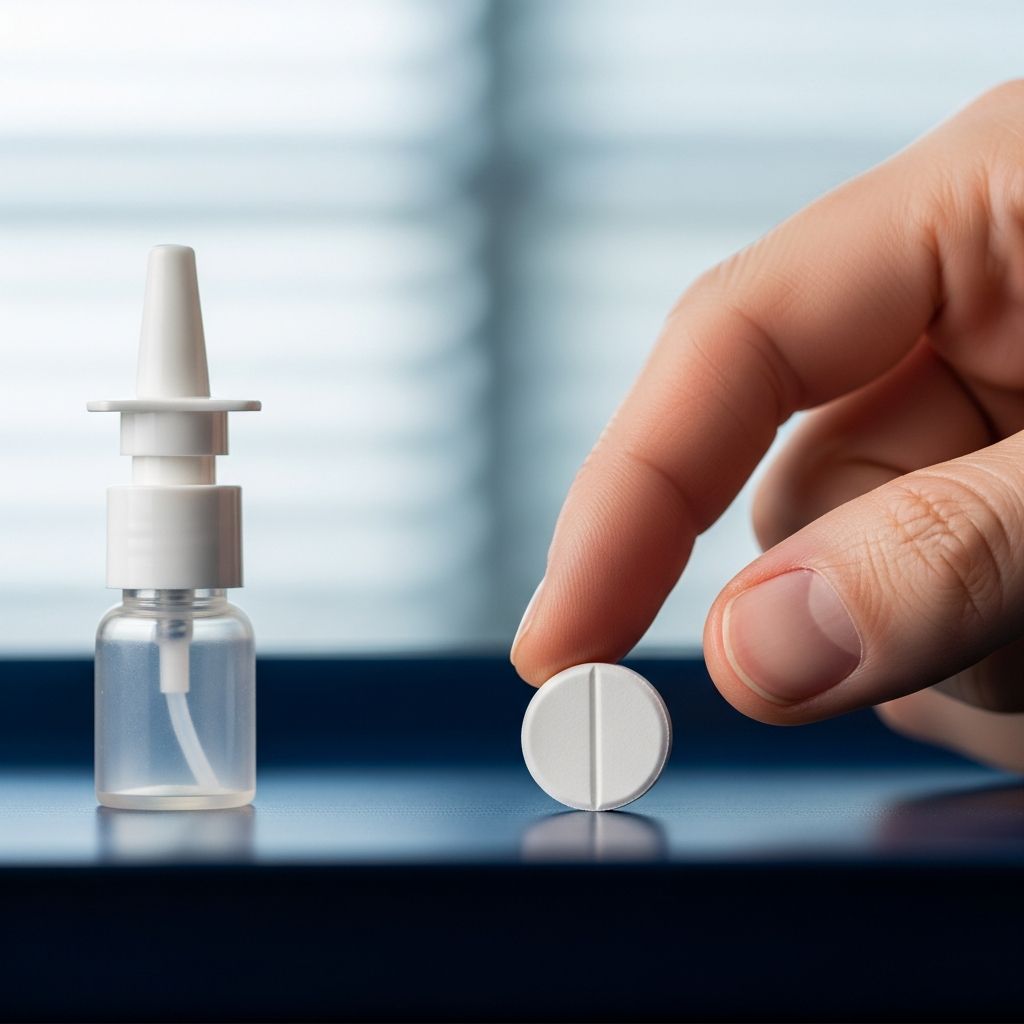
Ephedrine nasal drops are a sympathomimetic decongestant used to relieve nasal congestion associated with the common cold, hay fever (allergic rhinitis), and sinusitis. By constricting blood vessels in the nasal passages, ephedrine reduces swelling and opens airways for easier breathing.
About ephedrine nasal drops
Ephedrine belongs to a group of medicines called sympathomimetics, which mimic the effects of the sympathetic nervous system to narrow blood vessels in the lining of the nose. This action decreases mucus production and swelling, providing rapid relief from a blocked nose. Unlike oral decongestants, nasal drops act directly on the nasal mucosa for faster onset, typically within minutes.
Available over-the-counter in the UK as 0.5% or 1% solutions (e.g., under brands like Ephedrine Nasal Drops), they are suitable for short-term use in adults and children over 12 years unless specified otherwise. Ephedrine has been used historically for nasal decongestion and even asthma due to its bronchodilatory effects, though modern use focuses on topical nasal application to minimize systemic side effects.
Before using ephedrine nasal drops
Ensure ephedrine is appropriate for your condition. It treats symptomatic relief of nasal congestion but does not cure underlying infections or allergies.
Who can and cannot use ephedrine nasal drops
Most adults and children aged 12 years and over can use ephedrine nasal drops.
- Do not use if you are allergic to ephedrine or any ingredients in the drops.
- Avoid if you have glaucoma (especially angle-closure type), as it may increase eye pressure.
- Do not use if you have high blood pressure (hypertension), heart disease, diabetes, hyperthyroidism, or prostate problems, due to sympathomimetic effects that can raise blood pressure and heart rate.
- Not recommended during pregnancy or breastfeeding without medical advice, as it may affect the fetus or infant.
- Children under 12 years should not use without doctor supervision; nasal decongestants are contraindicated under 6 years due to risks like respiratory depression.
Other medicines, foods, and ephedrine nasal drops
Ephedrine may interact with:
- Monoamine oxidase inhibitors (MAOIs) or other antidepressants – risk of hypertensive crisis.
- Beta-blockers, other decongestants, or stimulants – enhanced cardiovascular effects.
- Guanethidine or reserpine – reduced efficacy.
Inform your doctor or pharmacist of all medications. Avoid combining with alcohol or caffeine, which may amplify stimulation.
Pregnancy, breastfeeding, and fertility while using ephedrine nasal drops
Safety data is limited. Topical use minimizes systemic absorption compared to oral forms, but consult a healthcare provider. Animal studies suggest potential fetal risks at high doses; human data is insufficient.
How and when to use ephedrine nasal drops
Dosage
Use the lowest effective dose for the shortest time (maximum 5-7 days to avoid rebound congestion).
| Age Group | Recommended Dosage | Frequency |
|---|---|---|
| Adults and children 12 years+ | 2-3 drops per nostril | Up to 4 times daily |
| Children 6-12 years (under medical advice) | 1-2 drops per nostril | Up to 3 times daily |
| Under 6 years | Not recommended | – |
Shake bottle well. Tilt head back, apply drops, and gently sniff without sniffing hard to avoid swallowing. Wipe nozzle and replace cap.
Important information about all medicines
- Never use someone else’s drops.
- Do not use after expiry date.
- Keep out of reach of children.
- Store below 25°C.
Side effects of ephedrine nasal drops
Related Stories



Topical use reduces systemic effects, but possible side effects include:
- Common: Nasal irritation, dryness, burning, sneezing, or rebound congestion if overused.
- Serious (rare): Headache, restlessness, insomnia, increased heart rate, palpitations, hypertension, tremors.
- Overdose signs: Severe hypertension, convulsions – seek emergency care. Antidote may include phentolamine for hypertension.
Report persistent side effects to your doctor. Discontinue if worsening congestion occurs.
What to do if you forget to use ephedrine nasal drops
Use the next dose when remembered. Do not double dose. Consistent use is key for relief, but overuse risks rebound.
What to do if you use too much ephedrine nasal drops
Overuse can cause systemic sympathomimetic toxicity: nausea, vomiting, anxiety, hypertension. For severe symptoms (convulsions, chest pain), call emergency services immediately. Supportive care includes airway management if needed.
Stops working
If congestion persists beyond 7 days or worsens, rebound congestion (rhinitis medicamentosa) may occur from prolonged vasoconstriction leading to compensatory vasodilation upon cessation. Consult a doctor for alternative treatments like steroid sprays.
Common questions about ephedrine nasal drops
How long do ephedrine nasal drops take to work?
Effects begin within 5-10 minutes, lasting 3-6 hours. Faster than oral decongestants due to direct application.
Can I use ephedrine nasal drops on children?
Not under 6 years; caution in 6-12 years. Risk of adverse effects higher in young children.
Can I use other nasal drops at the same time?
No – combining decongestants increases risks. Alternate with saline if needed.
Are ephedrine nasal drops better than sprays?
Drops allow precise dosing and may reach deeper; sprays are more convenient. Both effective short-term.
Alternatives to ephedrine
- Steroid nasal sprays (e.g., fluticasone) for allergies – longer-term use.
- Oral pseudoephedrine (short-term only, avoid in hypertension).
- Xylometazoline/oxymetazoline sprays (3-5 days max).
- Non-drug: Saline rinses, steam inhalation, humidifiers.
For chronic issues, see an ENT specialist. Evidence shows nasal decongestants provide symptomatic relief but do not shorten cold duration.
References
- Ephedrine – StatPearls — NCBI Bookshelf / National Center for Biotechnology Information. 2023-07-10. https://www.ncbi.nlm.nih.gov/books/NBK547661/
- Decongestant treatments – what are the options and what works best? — Patient.info. 2024-02-21. https://patient.info/doctor/ear-nose-throat/decongestant-treatments-what-are-the-options-and-what-works-best
- Nasal Congestion: Causes and Treatment — Patient.info. 2024-02-21. https://patient.info/ears-nose-throat-mouth/nasal-congestion
- Decongestants: Types, Uses, and Side-Effects — Patient.info. 2024-02-21. https://patient.info/treatment-medication/decongestants
- Ephedrine: Uses, Interactions, Mechanism of Action — DrugBank Online. 2023. https://go.drugbank.com/drugs/DB01364
- Topical Ephedrine Administration and Nasal Chemosensory — JAMA Otolaryngology. 2000. https://jamanetwork.com/journals/jamaotolaryngology/fullarticle/509768
Similar Articles








Read full bio of Sneha Tete