Ephelis: Understanding Freckles and Sun-Induced Skin Marks
Learn about ephelis (freckles): causes, characteristics, diagnosis, and effective prevention strategies.
Introduction to Ephelis
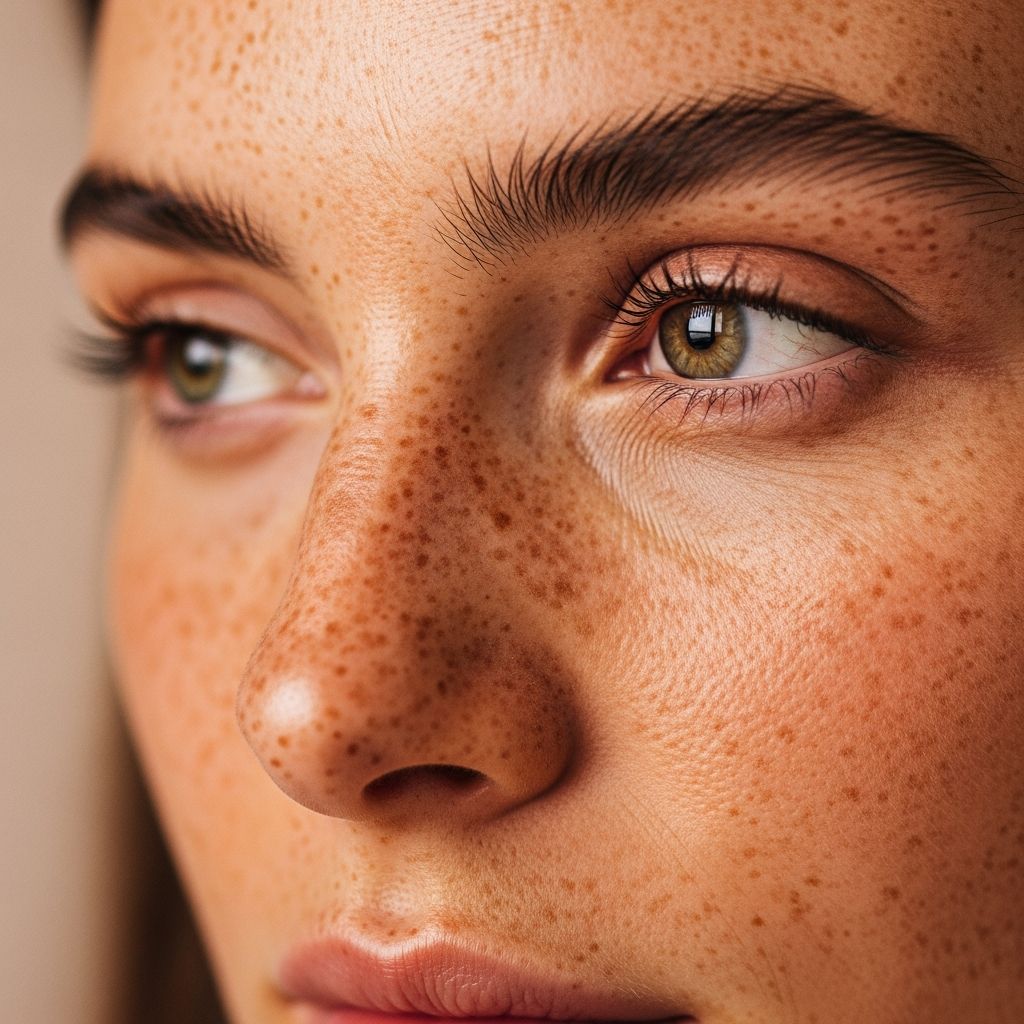
An ephelis is a freckle—a small, light brown or tan mark that appears on the skin. The plural form of ephelis is ephelides. These common skin lesions can appear in hundreds or thousands on sun-exposed areas of the body. Ephelides are distinct from other pigmented lesions and represent a benign melanocytic condition that is particularly prevalent in fair-skinned individuals with Celtic ancestry. Unlike some other pigmented lesions, ephelides are not present at birth and develop over time with cumulative sun exposure.
Demographics and Prevalence
Ephelides are particularly common in fair-skinned Celtic children and individuals who cannot tan easily. People with white skin classified as Fitzpatrick skin phototype 1—those with very pale skin that burns easily and cannot tan—often have red hair and numerous ephelides. However, ephelides can also occur in other races that have dark brown or black hair, though they are less common in these populations.
These freckles are an inherited characteristic, and people with many ephelides typically have at least one copy of a variant MC1R gene, which is the same genetic variant that causes red hair. In non-Caucasian individuals, freckles are associated with different variants of the MC1R gene. The presence of multiple ephelides in a family often indicates shared genetic predisposition to develop these marks.
Causes and Pathophysiology
Ephelides develop due to a combination of genetic factors and environmental influences. The primary mechanism involves melanin production and distribution:
- Melanocyte Activity: In ephelides, melanocytes—the pigment-forming cells in the skin—produce more pigment than usual compared to surrounding skin. The number of melanocytes is actually normal, but their activity level is elevated.
- Melanin Distribution: The pigment produced is packaged as melanosomes and distributed to surrounding keratinocytes (the main type of skin cell). This results in increased pigmentation concentrated in specific areas.
- Solar Stimulus: Ephelides increase in number and darkness following exposure to ultraviolet (UV) radiation in sunlight. Sun exposure acts as a trigger that activates existing genetic predisposition and stimulates the development of new freckles.
- Genetic Predisposition: As an inherited characteristic, ephelides cannot be entirely prevented, though their appearance and intensity can be modified through sun protection.
Clinical Features and Appearance
Ephelides present with characteristic clinical features that help distinguish them from other pigmented lesions:
Location: Ephelides are found on sun-exposed sites, particularly the nose and cheeks, though they can appear on any area exposed to regular sunlight, including the shoulders, arms, and chest.
Appearance: These lesions are small, flat macules with light brown or tan coloration. They typically have a uniform appearance within individual lesions, though the color can vary from person to person based on skin tone and genetic factors.
Dermoscopy Findings: When examined under dermoscopy (a specialized magnified examination technique), ephelides generally show uniform pigmentation with a characteristic moth-eaten edge. This distinctive border pattern helps differentiate ephelides from similar lesions such as solar lentigines.
Related Stories



Seasonal Variation: One notable characteristic of ephelides is their tendency to darken and become more prominent during summer months with increased sun exposure, and often fade slightly during winter when sun exposure is reduced. This seasonal variation distinguishes them from other pigmented lesions that remain stable year-round.
Skin Type Considerations
People with ephelides often have fair skin that is prone to sun damage. This fair skin phenotype carries increased risk for developing larger, sun-damage freckles called lentigines, as well as other signs of skin aging including solar elastosis, wrinkles, and importantly, skin cancer. Individuals with numerous ephelides should be particularly vigilant about sun protection and skin cancer screening, as their skin type indicates significant UV sensitivity and cumulative sun damage risk.
Diagnosis
Ephelides are usually diagnosed clinically based on their characteristic appearance, location on sun-exposed sites, and patient history. A dermatologist can typically identify ephelides during a routine skin examination without additional testing.
However, from time to time, diagnosis may be confirmed by a histopathologist after skin biopsy of a pigmented lesion. This is particularly important when the clinical diagnosis is uncertain or when a lesion shows atypical features that might suggest a more serious condition such as melanoma. Histopathological examination reveals the normal number of melanocytes with increased melanin production and distribution to keratinocytes, confirming the benign nature of the lesion.
When evaluating pigmented lesions, healthcare providers apply the ABCDE criteria (Asymmetry, Border irregularity, Color variation, Diameter greater than 6mm, and Evolution or change) to distinguish benign lesions from potentially malignant melanoma. Ephelides typically show none of these warning signs and remain stable over time.
Comparison with Similar Lesions
Several pigmented lesions can resemble ephelides, and distinguishing between them is important for appropriate management:
| Lesion Type | Key Characteristics | Distinguishing Features |
|---|---|---|
| Ephelis | Light brown or tan, small macule | Uniform pigmentation, moth-eaten edge, fades in winter, normal melanocyte number |
| Solar Lentigo | Brown to dark brown, slightly larger | Dark uniform network on dermoscopy, does not fade seasonally, increased melanocytes |
| Lentigo Simplex | Brown macule, any location | Present from birth or early childhood, dark uniform network on dermoscopy, increased melanocytes |
| Melanocytic Naevus | Brown to flesh-colored, raised | May have sharp or gradual border, three-dimensional structure, stable |
Complications
Ephelides themselves are benign lesions and do not pose direct health risks. However, their presence indicates significant UV exposure and fair skin susceptibility, which carries implications for overall skin health. The main concerns associated with ephelides include:
- Increased Skin Cancer Risk: Individuals with numerous ephelides have received substantial cumulative UV exposure and have skin phenotypes associated with higher melanoma and non-melanoma skin cancer risk.
- Accelerated Skin Aging: The same UV exposure causing ephelides contributes to photoaging, including wrinkles, solar elastosis, and irregular pigmentation.
- Cosmetic Concerns: Some individuals seek treatment for ephelides for aesthetic reasons, though they are generally considered harmless.
Treatment Options
No treatment is necessary for ephelides, as they are benign lesions with no malignant potential. However, people who wish to address them for cosmetic reasons have several options available.
Sun Protection: The most important intervention is prevention and limiting progression. Affected areas should be protected using broad-spectrum sunscreen with sun protection factor (SPF) 50 or higher. Daily sunscreen application, protective clothing, hats, and limiting sun exposure during peak UV hours (10 AM to 4 PM) can help prevent new ephelides from forming and reduce the darkening of existing lesions.
Cosmetic Treatments: Various dermatological procedures can reduce the appearance of ephelides, including laser therapy, chemical peels, and cryotherapy. These treatments work by breaking down excess melanin or removing the superficial skin layers containing pigmented cells. Results may be temporary, and lesions can recur with future sun exposure.
Prevention
As ephelides are an inherited characteristic determined by genetics, they cannot be completely prevented. However, the summer darkening and progression of existing freckles can be significantly reduced through careful sun protection:
- Apply broad-spectrum sunscreen with SPF 50+ daily, even on cloudy days
- Reapply sunscreen every two hours and after swimming or sweating
- Wear protective clothing, including long sleeves and hats when possible
- Avoid direct sun exposure during peak UV hours (10 AM to 4 PM)
- Use protective eyewear that blocks UV radiation
- Seek shade when outdoors for extended periods
- Consider using iron oxide-containing sunscreens for additional protection against visible light
Prognosis and Outlook
Ephelides are particularly prominent in children, especially during summer months. Interestingly, many individuals find that their freckles become less obvious in adult life, though this is not universal. Some people maintain prominent ephelides throughout adulthood, while others experience significant fading.
The natural history of ephelides is benign, with no risk of malignant transformation. However, individuals with ephelides should maintain vigilant skin surveillance, as their skin phenotype indicates increased vulnerability to UV damage and skin cancer. Regular self-examination using the ABCDE criteria and annual dermatological screening are recommended for those with extensive sun exposure history or multiple pigmented lesions.
Frequently Asked Questions
Q: Are ephelides the same as moles?
A: No. Ephelides are flat macules with normal melanocyte numbers, while moles (melanocytic naevi) are typically raised, three-dimensional lesions with either increased melanocytes or different distribution patterns. Moles may be present at birth or develop later, and they do not necessarily fade seasonally.
Q: Can ephelides turn into melanoma?
A: No. Ephelides themselves do not transform into melanoma. However, individuals with many ephelides have received significant UV exposure and have skin phenotypes associated with higher melanoma risk overall. Regular skin checks and sun protection are important for cancer prevention.
Q: Why do ephelides fade in winter?
A: Ephelides fade in winter because they respond to UV exposure. With reduced sun exposure during winter months, melanin production decreases and existing pigment may fade slightly. When sun exposure increases again in summer, freckles typically darken and become more prominent.
Q: Are ephelides more common in certain ethnicities?
A: Ephelides are particularly common in individuals of Celtic ancestry with fair skin, red or blonde hair, and blue or green eyes. However, they can occur in individuals of any ethnicity who have the appropriate genetic variants and sun exposure.
Q: Is there a genetic test to determine if I’ll develop ephelides?
A: While MC1R gene variants are associated with ephelides and red hair, genetic testing is not routinely performed for this benign condition. If you have a family history of freckles, you are more likely to develop them.
Q: Can ephelides be permanently removed?
A: While various treatments can reduce the appearance of ephelides, permanent removal is challenging because new freckles can develop with continued sun exposure. Maintaining strict sun protection is essential to prevent recurrence after treatment.
References
- Ephelis — DermNet New Zealand, Dermatological Society of New Zealand. 2016. https://dermnetnz.org/topics/ephelis
- Dermoscopy of Benign Melanocytic Lesions — DermNet New Zealand. https://dermnetnz.org/cme/dermoscopy-course/dermoscopy-of-benign-melanocytic-lesions
- Freckles: What They Are, vs. Moles, Causes & Removal — Cleveland Clinic. https://my.clevelandclinic.org/health/articles/23091-freckles
- Melanoma Skin Cancer: Images, Diagnosis, and Treatment — DermNet New Zealand. https://dermnetnz.org/topics/melanoma
- Introduction to Dermatopathology — DermNet New Zealand. https://dermnetnz.org/topics/introduction-to-dermatopathology
Similar Articles








Read full bio of Sneha Tete