Epidermal Naevi: Guide To Causes, Symptoms, And Treatment
Benign skin overgrowths from birth: types, causes, diagnosis, and management options for epidermal naevi and associated syndromes.
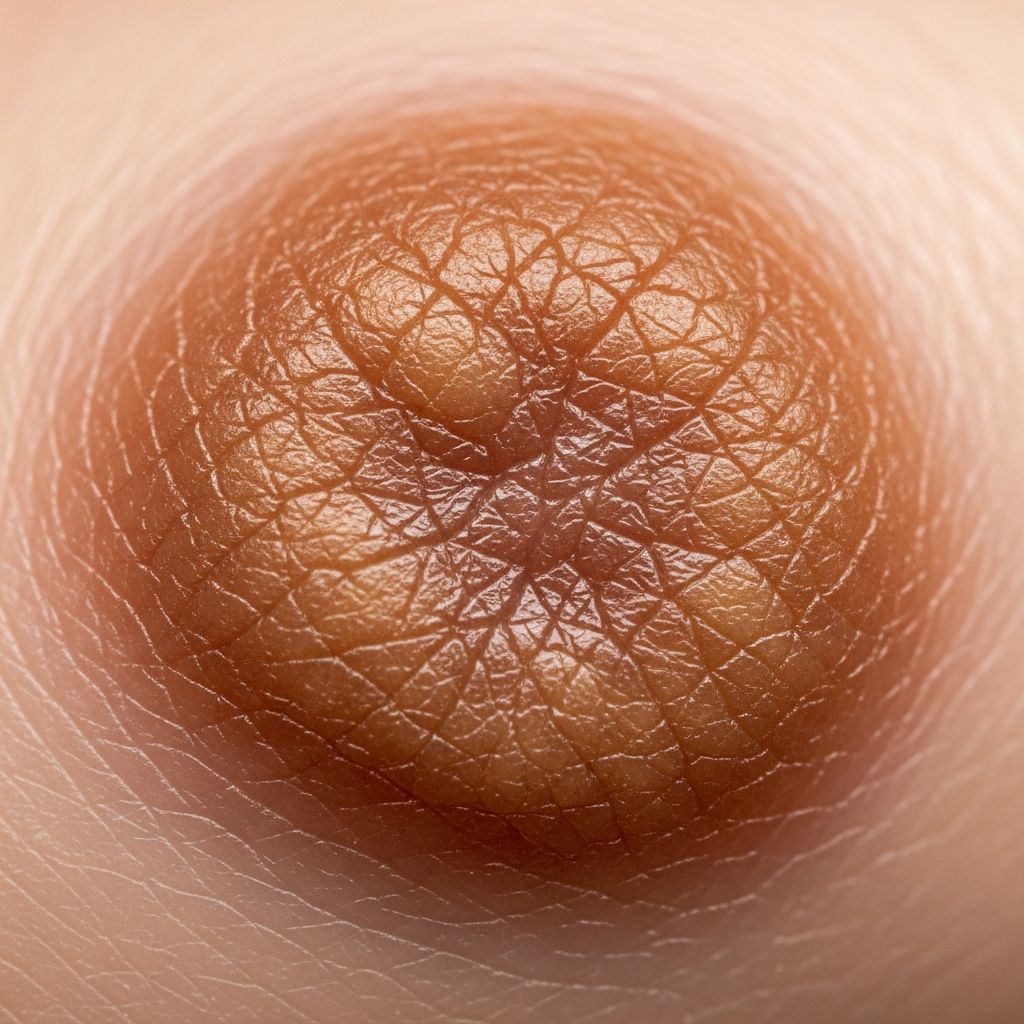
An
epidermal naevus
is a benign overgrowth of the epidermis, the outermost layer of the skin. These lesions arise from a developmental abnormality in the ectoderm and are typically present at birth (50% of cases) or appear during early childhood, mostly within the first year of life.What is an epidermal naevus?
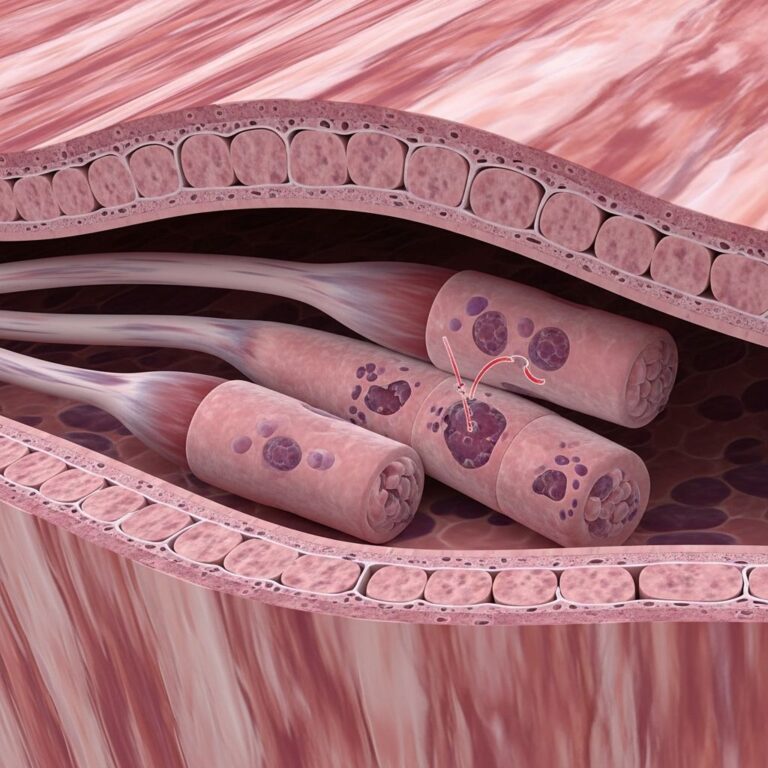
Epidermal naevi result from hyperplasia (overgrowth) of keratinocytes, the primary cells in the epidermis responsible for producing the horny layer of skin. When other skin structures predominate, such as sebaceous glands or hair follicles, the lesion is termed an
organoid naevus
(e.g., sebaceous naevus or naevus comedonicus). These are distinct from melanocytic naevi, which involve proliferation of melanocytes rather than epidermal cells.The condition stems from genetic mosaicism, where a post-zygotic mutation affects a subset of skin cells during embryonic development. This leads to two populations of cells: normal ones and those with the mutation, causing localised epidermal thickening. Mutations identified include those in
FGFR3
,PIK3CA
,HRAS
, and keratin genes (e.g., keratin 1 and 10). These are not inherited in a classical Mendelian pattern and rarely affect multiple family members. Epidermolytic epidermal naevi represent a mosaic form of bullous ichthyosiform erythroderma, a severe ichthyosis.Who gets epidermal naevi?
Epidermal naevi can occur in anyone but are more noticeable in fair-skinned individuals due to contrast with surrounding skin. They affect males and females equally and are not linked to ethnicity, family history, or environmental factors. Most cases are sporadic, arising from somatic mutations rather than germline inheritance.
What causes epidermal naevi?
The primary cause is
genetic mosaicism
from post-zygotic mutations in genes regulating keratinocyte growth and differentiation. For instance:- Point mutations in keratin genes lead to epidermolytic subtypes.
- FGFR3 and HRAS mutations are implicated in keratinocytic naevi.
- PIK3CA mutations contribute to overgrowth in some organoid forms.
These mutations occur after fertilization, resulting in a mosaic pattern where only affected cell lines proliferate abnormally. Environmental triggers are not established, and the naevi are neither contagious nor preventable. In rare cases, they form part of broader syndromes due to ectodermal defects affecting multiple organs.
What are the clinical features of epidermal naevus?
Epidermal naevi most commonly appear on the trunk and limbs, rarely on the face or scalp. They evolve over time:
- At birth/infancy: Flat, tan or brown macules (50% present at birth).
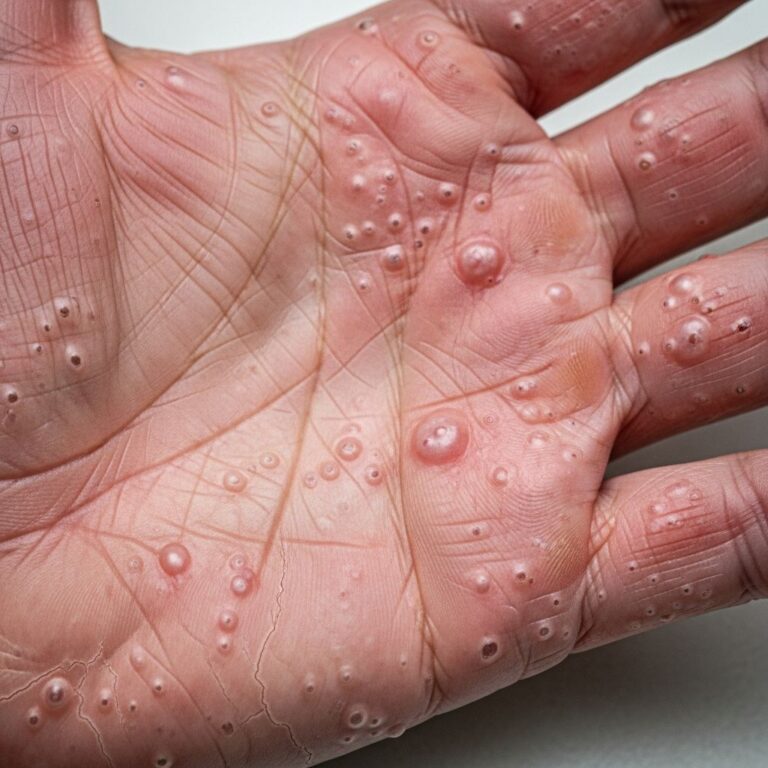
- Childhood: Become raised, thickened, and warty (verrucous).
- Adulthood: Stabilise but may enlarge proportionally with body growth.
Related Stories



Types of epidermal naevi
Linear epidermal naevi (most common): Form a unilateral line (naevus unius lateris), often along Blaschko lines—embryonic skin migration patterns. They start flat and develop a verrucous surface.
Systematised epidermal naevi (ichthyosis hystrix): Multiple lesions in swirled, extensive patterns on one or both body sides. May involve large areas and associate with skeletal or neurological issues.
Inflammatory linear verrucous epidermal naevus (ILVEN): Often classified separately; presents as pruritic, erythematous, hyperkeratotic papules in a linear distribution, usually on a limb. Itching is severe and persistent, starting in infancy.
Organoid naevi:
- Sebaceous naevus: Salmon-yellow, hairless plaques on scalp/face, thickening at puberty.
- Naevus comedonicus: Dilated follicular openings plugged with keratin, forming ‘comodones’, on head/trunk/limbs.
Epidermal naevus syndromes (ENS)
ENS comprise epidermal/organoid naevi plus ectoderm-derived organ involvement (brain, eyes, skeleton). Mutations causing skin lesions also affect these systems. Key syndromes include:
| Syndrome | Skin Features | Associated Abnormalities |
|---|---|---|
| Schimmelpenning (most common) | Sebaceous naevi (scalp/face) | Brain (seizures, asymmetry), eyes (coloboma), bones (scoliosis) |
| CHILD syndrome | Ichthyosiform naevus (unilateral) | Hemidysplasia, limb defects (mostly females, right side) |
| Proteus syndrome | Connective tissue naevi, epidermal overgrowth | Asymmetric overgrowth, lymphangiomas, cerebriform palms/soles |
| Phakomatosis pigmentokeratotica | Speckled lentiginous naevus + organoid naevus | Neurological issues |
Symptoms vary; many patients have seizures, developmental delay, or ocular defects. Diagnosis requires multidisciplinary evaluation.
Diagnosis
Diagnosis is clinical, based on history and appearance. Dermoscopy shows mosaic patterns or verrucous surfaces. Confirmation via
skin biopsy
reveals epidermal acanthosis (thickening), hyperkeratosis, and papillomatosis. Molecular testing detects specific mutations (e.g., FGFR3) in lesional tissue. Imaging (MRI/CT) and ophthalmology review screen for ENS. Differential includes linear psoriasis, lichen striatus, or naevus sebaceus.What is the treatment for epidermal naevi?
Most naevi are asymptomatic and require no treatment beyond reassurance. Management targets cosmetics, irritation, or syndrome complications:
- Topical: Calcipotriol (vitamin D analogue) reduces thickness in some keratinocytic naevi. Keratolytics (urea, salicylic acid) for hyperkeratosis.
- Laser: CO2, Er:YAG, or pulsed dye for superficial lesions; effective for linear/ILVEN but multiple sessions needed.
- Surgery: Excision for small, localised naevi or symptomatic scalp lesions.
- For ILVEN: Topical steroids, calcineurin inhibitors; phototherapy.
- ENS: Multidisciplinary—antiepileptics, orthopaedic surgery.
Treatment is challenging due to recurrence and scarring risks. Early intervention in childhood maximises outcomes.
Related topics
- Blaschko lines
- Bullous ichthyosiform erythroderma
- Ichthyosis hystrix
- Inflammatory linear verrucous epidermal naevus (ILVEN)
- Naevus comedonicus
- Naevus sebaceus
- Sebaceous naevus syndrome
Frequently Asked Questions
Are epidermal naevi cancerous?
No, they are benign. Rare basal cell carcinoma risk in sebaceous naevi (<1%), warranting monitoring.
Do epidermal naevi grow?
They may expand with body growth in childhood but stabilise in adulthood.
Can epidermal naevi be removed completely?
Large lesions often recur post-treatment; laser/surgery offers improvement, not always cure.
Is ILVEN the same as epidermal naevus?
ILVEN is a pruritic inflammatory variant, sometimes separated clinically.
Should children with epidermal naevi see a specialist?
Yes, for extensive/systematised lesions or syndromic features.
References
- Epidermal Naevus Diagnosis London | Consultant Skin Specialist — Skin Horizon. 2023. https://skinhorizon.co.uk/conditions/epidermal-naevus/
- Epidermal naevi (nevi) — DermNet NZ. 2024-01-15. https://dermnetnz.org/topics/epidermal-naevi
- Epidermal Nevus Syndromes — National Organization for Rare Disorders (NORD). 2023-11-20. https://rarediseases.org/rare-diseases/epidermal-nevus-syndromes/
- Epidermal nevus syndromes: neurologic phenotypes — MedLink Neurology. 2024. https://www.medlink.com/articles/epidermal-nevus-syndromes-neurologic-phenotypes
Similar Articles








Read full bio of Sneha Tete