Epidermal Naevus Syndromes: Rare Disorders Guide
Understanding epidermal naevus syndromes: rare skin disorders with systemic complications.
Introduction to Epidermal Naevus Syndromes
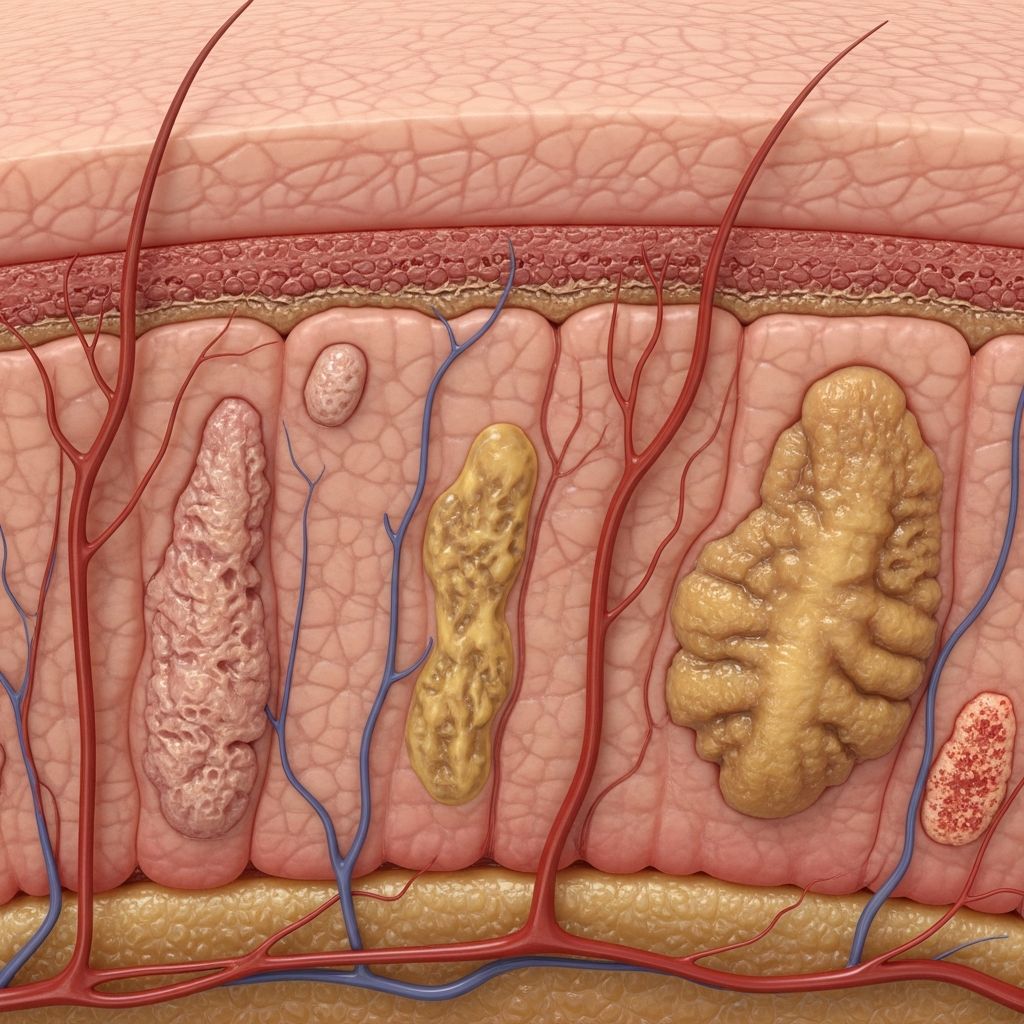
Epidermal naevus syndromes (ENS) are a group of rare, complex disorders characterized by the presence of epidermal naevi—benign overgrowths of the epidermis—alongside abnormalities in other organ systems. These conditions represent a significant challenge in clinical dermatology due to their diverse presentations and potential for multi-system involvement. ENS are classified as hamartomatous tumors that arise from abnormal ectodermal cells during embryonic development. The defining feature of ENS is the coexistence of one or more congenital epidermal naevi with extradermal abnormalities, most commonly affecting the brain, eyes, and musculoskeletal system.
Several subtypes of ENS have been identified and described based on their distinctive phenotypic characteristics, including the type and distribution of cutaneous lesions and their associated systemic manifestations. Understanding these syndromes is essential for healthcare providers to ensure early recognition, appropriate investigation, and comprehensive management.
Demographics and Epidemiology
Epidermal naevus syndromes are rare conditions with variable prevalence across different populations. While exact epidemiological data remains limited due to their rarity, these disorders can manifest at birth or during early childhood. The majority of patients present with noticeable skin lesions in infancy or early childhood, with some conditions appearing within the first six months of life. ENS affects both males and females, with no clear gender predilection documented for most subtypes. The distribution patterns of epidermal naevi often follow the lines of Blaschko, reflecting the underlying genetic mosaicism characteristic of these conditions.
Causes and Genetic Basis
The etiology of epidermal naevus syndromes is rooted in genetic mosaicism, a condition where an individual harbors genetically distinct cell lines derived from different ancestral cells. Epidermal naevi arise from abnormal ectodermal cells present during embryonic development. Ectodermal tissue gives rise to both the skin epidermis and neural tissue, explaining the frequent association between cutaneous and neurological involvement observed in ENS.
Several specific genetic mutations have been implicated in different ENS subtypes. These include:
- HRAS and KRAS gene mutations in Schimmelpenning syndrome
- FGFR3 gene mutations (R248C) in certain keratinocytic epidermal naevus syndromes
- PTEN gene mutations in segmental Cowden disease
- FGFR2 mutations in naevus comedonicus syndrome
- RASopathy pathways in phakomatosis pigmentokeratotica
The mosaic nature of these mutations means that the genetic abnormality is present only in a subset of the body’s cells, typically those that gave rise to the affected tissues, rather than in all cells throughout the body.
Classification and Subtypes
Epidermal naevus syndromes are classified based on the morphology and histopathological characteristics of the primary epidermal naevus, which can be categorized as either keratinocytic (linear) or organoid in nature. Several well-recognized subtypes have been identified and characterized:
Schimmelpenning Syndrome (Nevus Sebaceous Syndrome)
Also known as Schimmelpenning-Feuerstein-Mims syndrome, Jadassohn naevus phakomatosis, or linear sebaceous naevus syndrome, this condition is characterized by the presence of sebaceous naevi accompanied by abnormalities of the cardiac, ocular, skeletal, and central nervous systems. The cutaneous lesions are typically yellow or salmon-colored, waxy plaques most commonly found on the scalp, face, or neck. Systemic features may include seizures, intellectual disability, facial asymmetry, cardiac abnormalities, and ocular manifestations. Mutations in HRAS and KRAS genes are known to cause this syndrome.
Keratinocytic Epidermal Naevus Syndromes
These syndromes are characterized by soft, velvety pink or hyperpigmented plaques that follow a linear distribution, typically on the trunk and limbs. Associated systemic features may include seizures, intellectual impairment, structural brain abnormalities, skeletal abnormalities, and strabismus. Neurological manifestations can include cortical atrophy and underdevelopment of the corpus callosum.
Related Stories



Inflammatory Linear Verrucous Epidermal Naevus (ILVEN)
ILVEN is characterized by linear, pruritic, reddened, and hyperkeratotic papules or plaques, usually appearing unilaterally on the lower half of the body, particularly the buttocks. The condition typically presents before six months of age and often resembles psoriasis. Associated skeletal abnormalities have been reported in some cases, though this association remains controversial in the literature. The severe pruritus associated with ILVEN can significantly impact quality of life.
Naevus Comedonicus Syndrome
This rare syndromic condition features naevus comedonicus (comedo naevus), presenting as localized collections of dilated follicles containing keratin. These lesions may become infected or inflamed. Variable extracutaneous abnormalities may accompany the cutaneous manifestations, with fibroblast growth factor receptor-2 (FGFR2) mutations implicated in the pathogenesis. Associated systemic features include electroencephalogram abnormalities, cataracts, and skeletal abnormalities.
Segmental Cowden Disease (SOLAMEN Syndrome)
When Cowden syndrome, a hereditary cancer predisposition syndrome, is associated with a Cowden nevus, it is termed type 2 segmental Cowden disease. This represents a mosaic form of Cowden syndrome associated with germline and post-zygotic mutations of the PTEN gene, which is involved in tumor suppression. The condition presents with localized skin features and systemic manifestations.
Other ENS Subtypes
Additional recognized subtypes include phakomatosis pigmentokeratotica (a RASopathy-related condition featuring two genetically distinct naevus types), SCALP syndrome (sebaceous naevus, CNS abnormalities, aplasia cutis, limbal dermoid, and pigmented naevus), didymosis aplasicocebacea (sebaceous naevus with aplasia cutis congenita), angora hair naevus syndrome, and Becker naevus syndrome.
Clinical Features and Manifestations
The clinical presentation of epidermal naevus syndromes is highly variable and depends on the specific subtype and extent of systemic involvement. Cutaneous features are diverse but typically include distinctive naevi that may be present at birth or develop during early childhood.
Cutaneous Manifestations
The appearance of epidermal naevi varies significantly depending on the subtype:
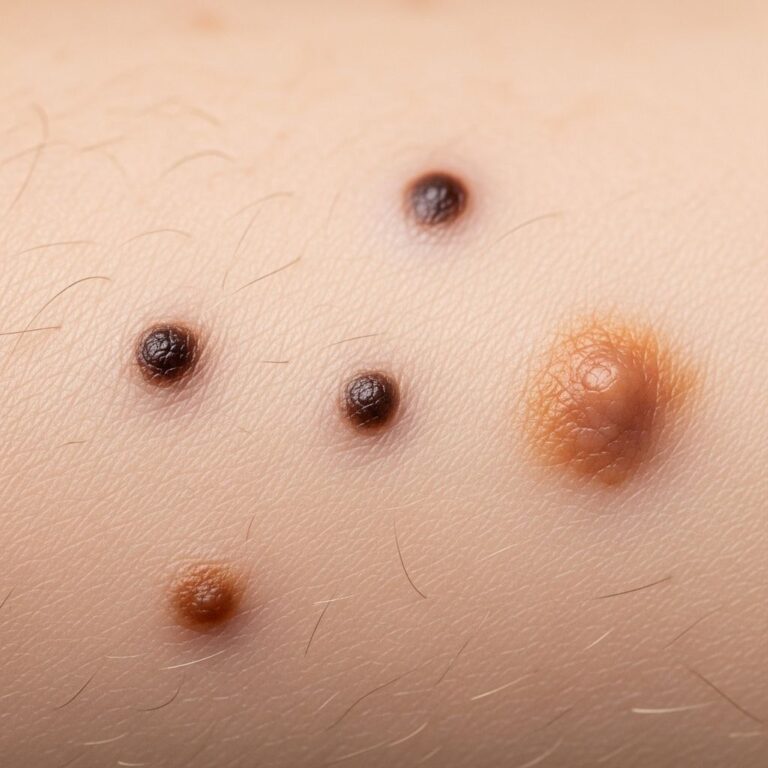
- Sebaceous naevi appear as salmon or yellow, waxy plaques
- Keratinocytic naevi are pink or hyperpigmented plaques with a soft, velvety texture
- ILVEN presents as linear, pruritic, reddened, hyperkeratotic lesions
- Naevus comedonicus appears as collections of dilated follicles
- Angora hair naevi are soft, long-haired lesions resembling Angora wool
Most epidermal naevi initially appear as flat tan or brown marks and tend to thicken and become warty as the child ages. They typically arise on the trunk and limbs, though some forms (particularly sebaceous naevi) may affect the scalp. The majority follow a linear, unilateral distribution along the lines of Blaschko, known as naevus unis lateralis.
Neurological Features
Neurological involvement is among the most significant systemic manifestations of ENS. Common neurological findings include:
- Seizures and epilepsy
- Intellectual disability or impairment
- Structural brain abnormalities including cortical atrophy
- Corpus callosum underdevelopment
- Electroencephalogram abnormalities
- Hemimegalencephaly in some cases
Skeletal Manifestations
Musculoskeletal abnormalities are frequently associated with ENS and may include:
- Skeletal asymmetry and limb hypoplasia
- Axial skeleton involvement
- Spontaneous fractures
- Rickets and hypophosphataemic vitamin D-resistant rickets
- Ipsilateral limb underdevelopment
Ocular Features
Ophthalmological involvement may include various manifestations:
- Strabismus
- Colobomas
- Ptosis
- Nystagmus
- Cataracts
- Corneal opacities
- Retinal changes
- Limbal dermoids
Cardiac Features
Some ENS subtypes, particularly Schimmelpenning syndrome, may present with cardiac abnormalities that require monitoring and management.
Endocrine Manifestations
Endocrine features have been reported in certain ENS cases, including hypophosphataemic vitamin D-resistant rickets, precocious puberty, and syndrome of inappropriate antidiuretic hormone secretion.
Differential Diagnosis
Several dermatological and syndromic conditions can resemble epidermal naevus syndromes and should be considered in the differential diagnosis. These include various phakomatoses, other neurocutaneous syndromes, linear inflammatory dermatoses resembling psoriasis, and congenital vascular malformations. A thorough clinical assessment and appropriate investigations help distinguish ENS from these mimics.
Diagnosis
Diagnosis of epidermal naevus syndromes is primarily clinical, based on a detailed history and comprehensive physical examination. Key diagnostic steps include:
- Clinical evaluation of cutaneous lesions and their distribution pattern
- Careful assessment for systemic involvement
- Detailed family history and genetic counseling
- Skin biopsy for histopathological confirmation when diagnosis is unclear
In patients with suspected systemic involvement, supportive investigations may include neuroimaging (MRI or CT), electroencephalography, ophthalmologic evaluation, skeletal surveys, and cardiac assessment. Genetic testing may be considered for specific subtypes where mutations are identified, particularly when germline mutations are suspected.
Management and Treatment
There is currently no cure for epidermal naevus syndromes. Management focuses on optimizing the treatment of individual features and complications. A multidisciplinary approach is often necessary and may involve collaboration between dermatologists, neurologists, ophthalmologists, orthopedic surgeons, cardiologists, and other specialists depending on systemic involvement.
Treatment strategies include:
- Management of seizures with appropriate antiepileptic medications
- Symptomatic treatment of pruritus in ILVEN and other inflammatory variants
- Ophthalmologic management of visual abnormalities
- Orthopedic management of skeletal abnormalities and fracture prevention
- Cosmetic considerations and dermatological interventions for cutaneous lesions
- Endocrine management of associated abnormalities
- Surveillance for secondary malignancies in applicable subtypes
Monitoring for malignant transformation is important, particularly in sebaceous naevi, where secondary tumors occur in approximately 25% of cases, mostly benign but potentially malignant.
Prognosis
The prognosis of epidermal naevus syndromes depends significantly on the severity and extent of extracutaneous involvement. Individuals with isolated epidermal naevi without systemic manifestations generally have an excellent prognosis, with primary concerns being cosmetic. However, syndromic cases with significant neurological or organ involvement may face more complex challenges requiring long-term management and multidisciplinary care. Early recognition and appropriate intervention can help optimize outcomes and minimize complications.
Frequently Asked Questions
Q: What is the difference between an epidermal naevus and epidermal naevus syndrome?
A: An epidermal naevus is a benign skin lesion alone, while epidermal naevus syndrome involves an epidermal naevus in combination with abnormalities of other organ systems, most commonly the brain, eyes, and skeleton.
Q: Are epidermal naevus syndromes inherited?
A: Most ENS result from sporadic genetic mutations occurring during embryonic development (genetic mosaicism) rather than inherited patterns. However, some subtypes like segmental Cowden disease may involve germline mutations.
Q: Can epidermal naevi become cancerous?
A: While most epidermal naevi remain benign, secondary tumors can develop in approximately 25% of sebaceous naevi. Most are benign, though malignant transformation is possible in rare cases.
Q: What is the prognosis for children with epidermal naevus syndrome?
A: Prognosis depends on systemic involvement severity. Isolated naevi have good cosmetic prognosis, while syndromic cases with neurological involvement require long-term multidisciplinary management.
Q: How are epidermal naevus syndromes diagnosed?
A: Diagnosis is primarily clinical based on physical examination and history. Skin biopsy confirms histopathology, and imaging studies assess systemic involvement in suspected cases.
References
- Epidermal Naevus Syndromes (ENS) — DermNet New Zealand. 2024. https://dermnetnz.org/topics/epidermal-naevus-syndromes
- Epidermal Nevus Syndromes — National Organization for Rare Disorders (NORD). 2023. https://rarediseases.org/rare-diseases/epidermal-nevus-syndromes/
- Epidermal Nevus Syndromes — NIH National Center for Biotechnology Information. 2024. https://www.ncbi.nlm.nih.gov/books/NBK559003/
- Epidermal Nevus and its Syndromes — Patient.info. 2023. https://patient.info/doctor/dermatology/epidermal-naevus-and-its-syndromes
- Epidermal nevus: Genetics — National Library of Medicine MedlinePlus. 2024. https://medlineplus.gov/genetics/condition/epidermal-nevus/
- Epidermal Nevus Syndromes: Neurologic Phenotypes — MedLink. 2024. https://www.medlink.com/articles/epidermal-nevus-syndromes-neurologic-phenotypes
Similar Articles








Read full bio of Sneha Tete