Epidermodysplasia Verruciformis: Causes, Symptoms & Treatments
Rare genetic skin disorder causing wart-like lesions and high skin cancer risk due to HPV susceptibility.
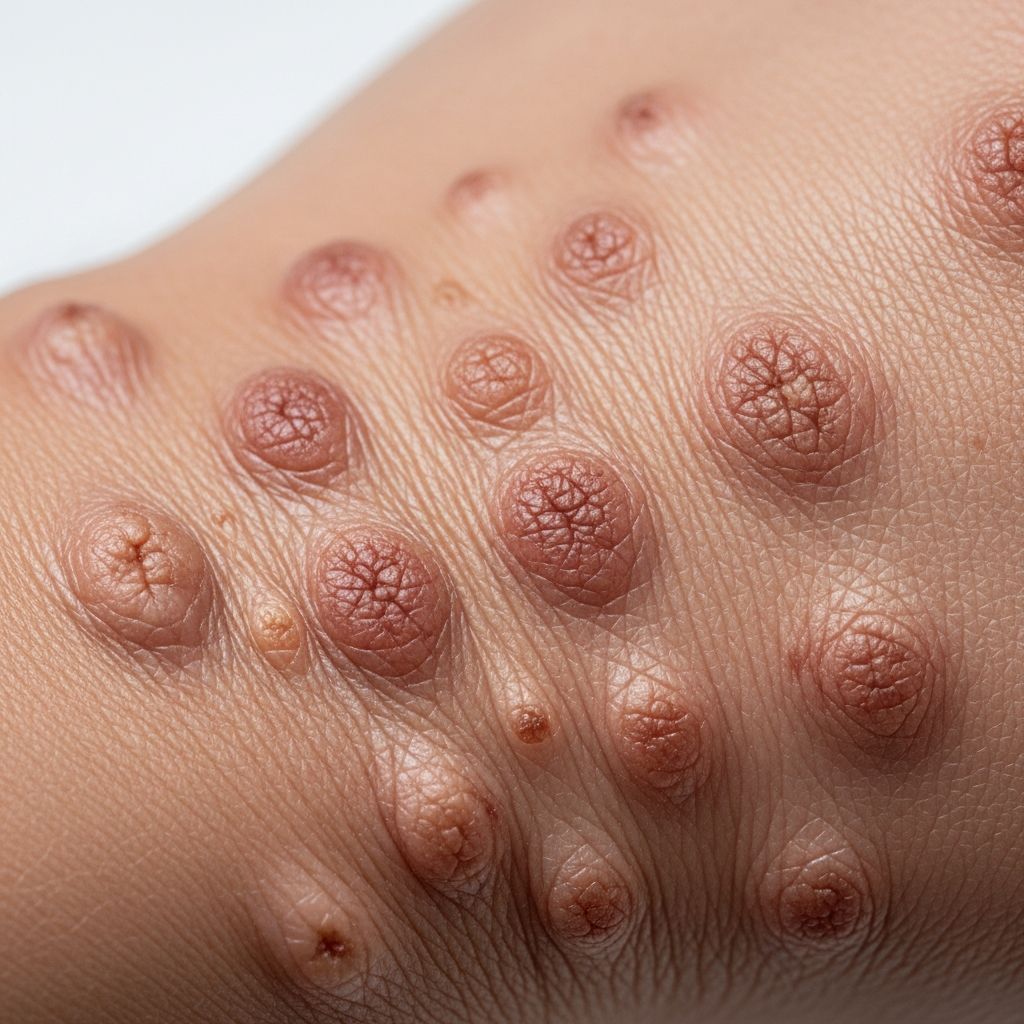
Epidermodysplasia verruciformis (EV), also known as tree man syndrome, is a rare, lifelong genodermatosis characterized by an abnormal susceptibility to specific human papillomavirus (HPV) types, leading to persistent warty skin lesions and a high risk of cutaneous squamous cell carcinoma (SCC). First described in 1922 by Lewandowsky and Lutz, EV typically manifests in childhood with flat, scaly macules and papules on sun-exposed areas, progressing to polymorphic lesions over time.
What is epidermodysplasia verruciformis?
EV is an inherited skin disorder where patients develop chronic infections with beta-HPV subtypes (e.g., HPV-5, HPV-8), resulting in widespread lesions resembling flat warts, pityriasis versicolor-like patches, or bark-like growths. Unlike common warts, EV lesions are refractory to standard treatments and carry a 30-60% lifetime risk of malignant transformation to SCC, particularly in sun-exposed sites. The condition affects cell-mediated immunity in keratinocytes, allowing viral persistence and uncontrolled epidermal proliferation. Globally rare, with fewer than 600 cases reported, EV is more aggressive in sunnier climates and less common in darker-skinned individuals.
Who gets epidermodysplasia verruciformis?
EV primarily affects children, with over 75% of cases onset between ages 5-11 or during puberty. It is autosomal recessive, often in consanguineous families, though sporadic cases occur. Both sexes are equally impacted. Acquired EV-like syndromes can develop in immunocompromised patients (e.g., HIV, transplant recipients) without genetic mutations.
- Classic EV: Biallelic mutations in EVER1 (TMC6) or EVER2 (TMC8) genes on chromosome 17q25, encoding membrane proteins that regulate zinc homeostasis in keratinocytes, impairing HPV clearance.
- EV variants: Mutations in RHOH, MST1, or LCK genes affecting T-cell immunity.
What causes epidermodysplasia verruciformis?
Pathogenesis stems from genetic defects disrupting keratinocyte intrinsic immunity against beta-HPVs. EVER1/EVER2 proteins form a complex restricting viral replication by controlling zinc transporter ZIP10 activity. Mutations lead to unchecked HPV infection, hyperproliferation, and dysplastic changes exacerbated by UV radiation. Lesions favor sun-exposed areas (face, neck, dorsum of hands) due to synergistic HPV-UV effects promoting oncogenesis.
What are the clinical features of epidermodysplasia verruciformis?
EV presents with lifelong, polymorphic lesions evolving from subtle macules to tumoral growths. Early lesions are asymptomatic, progressing slowly over decades.
Lesion types
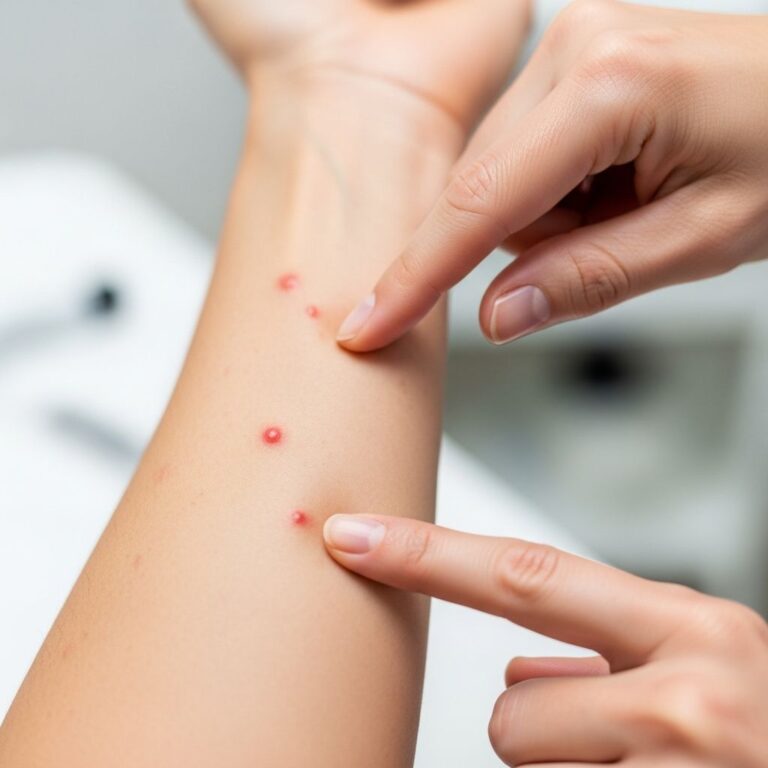
- Pityriasis versicolor-like macules: Flat, hypopigmented or red-brown scaly patches on cheeks, forehead, neck.
- Flat wart-like papules: Small, polygonal, red-gray plaques on face, hands, extremities; symmetrical on sun-exposed sites.
- Seborrhoeic keratosis-like: Stuck-on, warty plaques, often on trunk.
- Cutaneous horns: Elongated, hyperkeratotic spikes on hands/feet.
- Bark-like plaques: Thick, verrucous, tree-bark growths on extremities in advanced cases.
Malignant transformation to Bowen disease or invasive SCC occurs in 30-60% by adulthood, multifocal on sun-exposed skin. Genital lesions and mucous membrane involvement are rare.
Progression stages
| Stage | Features | Locations |
|---|---|---|
| Early (childhood) | Symmetrical flat macules/papules | Face, neck, hands |
| Intermediate (adolescence) | Polymorphic plaques, keratosis | Extremities, trunk |
| Advanced (adulthood) | Tumors, SCC, bark-like growths | Sun-exposed areas |
Diagnosis of epidermodysplasia verruciformis
Diagnosis combines clinical, histopathological, and molecular findings.
- Clinical: Chronic, disseminated flat warts unresponsive to therapy + family history.
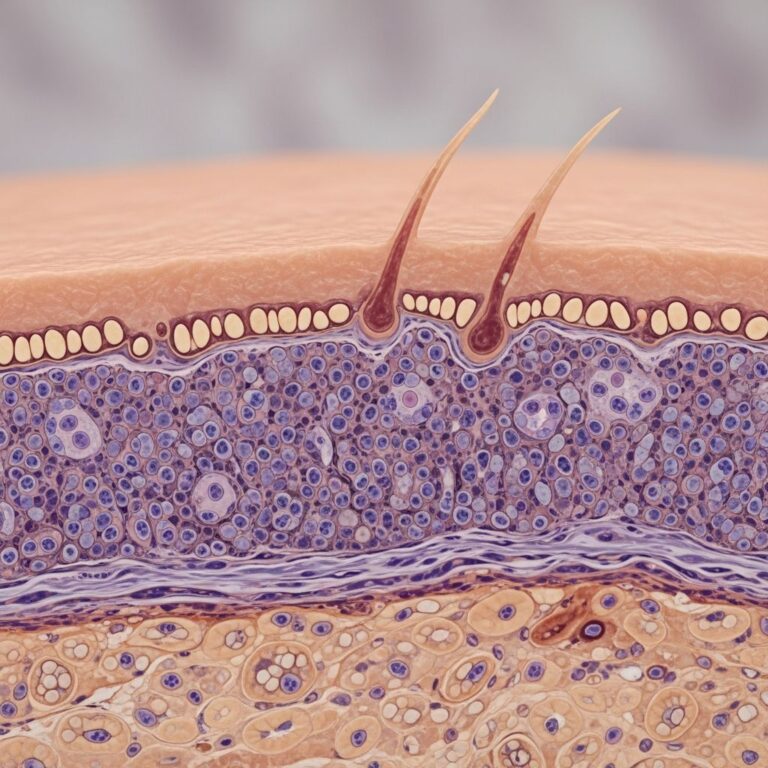
- Skin biopsy: Acanthosis, papillomatosis, large keratohyalin granules, koilocytes; absence of marked cytopathic effect distinguishes from common warts.
- HPV typing: PCR detects beta-HPV (HPV-5/8/20) in lesions.
- Genetics: Sequencing EVER1/EVER2; negative in 10-20%.
Related Stories



Differential includes common warts, actinic keratoses, porokeratosis, and EV-like syndromes in immunosuppression.
Treatment of epidermodysplasia verruciformis
No cure exists; management is symptomatic, aiming to reduce lesions, prevent recurrence, and excise malignancies. Multidisciplinary approach essential.
Medical therapies
- Topical: Imiquimod (immune modulator), 5-fluorouracil (cytotoxic), tretinoin/salicylic acid (keratolytics), calcipotriol.
- Systemic retinoids: Acitretin (0.5-1 mg/kg/day) most effective for antiproliferative effects; maintenance dosing.
- Other: Interferon-alpha (intralesional/systemic), cimetidine (variable efficacy).
Physical/surgical
- Cryotherapy, curettage/electrodesiccation, CO2 laser, photodynamic therapy (ALA-PDT).
- Surgical excision for tumors/SCC, with grafting if needed.
Lesions recur post-treatment; lifelong therapy required.
What is the outcome for epidermodysplasia verruciformis?
EV is lifelong; lesions persist despite treatment. Skin cancer risk demands vigilant surveillance. With sun protection and early intervention, prognosis improves, but SCC can be aggressive and metastatic. Patient education on self-monitoring is crucial.
Prevention for epidermodysplasia verruciformis
Strict UV avoidance is paramount:
- Broad-spectrum SPF50+ sunscreen daily.
- Protective clothing, hats, gloves.
- Avoid midday sun; regular dermatology reviews.
No HPV vaccine prevents beta-types implicated in EV.
Frequently Asked Questions (FAQs)
Q: Is epidermodysplasia verruciformis contagious?
A: No, EV is genetic, not contagious. However, HPV transmission to others is possible from lesions.
Q: Can EV be cured?
A: No curative treatment exists; management controls symptoms and cancer risk lifelong.
Q: Why is it called tree man disease?
A: Advanced bark-like, verrucous growths on extremities resemble tree bark.
Q: Does sun exposure worsen EV?
A: Yes, UV synergizes with HPV, accelerating lesions and oncogenesis.
Q: How is skin cancer prevented in EV?
A: Rigorous sun protection, regular biopsies of suspicious lesions, systemic retinoids.
References
- Epidermodysplasia Verruciformis: Complete Guide to Symptoms — Clinikally. 2023. https://www.clinikally.com/blogs/news/epidermodysplasia-verruciformis-causes-treatment
- Epidermodysplasia verruciformis — Wikipedia. 2024-01-15. https://en.wikipedia.org/wiki/Epidermodysplasia_verruciformis
- Epidermodysplasia Verruciformis: Symptoms, Treatment, and More — Healthline. 2023-06-20. https://www.healthline.com/health/epidermodysplasia-verruciformis
- Epidermodysplasia verruciformis — DermNet NZ. 2024. https://dermnetnz.org/topics/epidermodysplasia-verruciformis
- Epidermodysplasia verruciformis — Genetic and Rare Diseases Information Center (GARD), NIH. 2023. https://rarediseases.info.nih.gov/diseases/6357/epidermodysplasia-verruciformis
- Human Tree Disease: Learn About Epidermodysplasia Verruciformis — WebMD. 2023. https://www.webmd.com/skin-problems-and-treatments/what-is-human-tree-disease
Similar Articles








Read full bio of Sneha Tete