Epidermolysis Bullosa Acquisita: What You Need To Know
Rare autoimmune blistering disorder causing fragile skin, tense blisters, and scarring from type VII collagen autoantibodies.
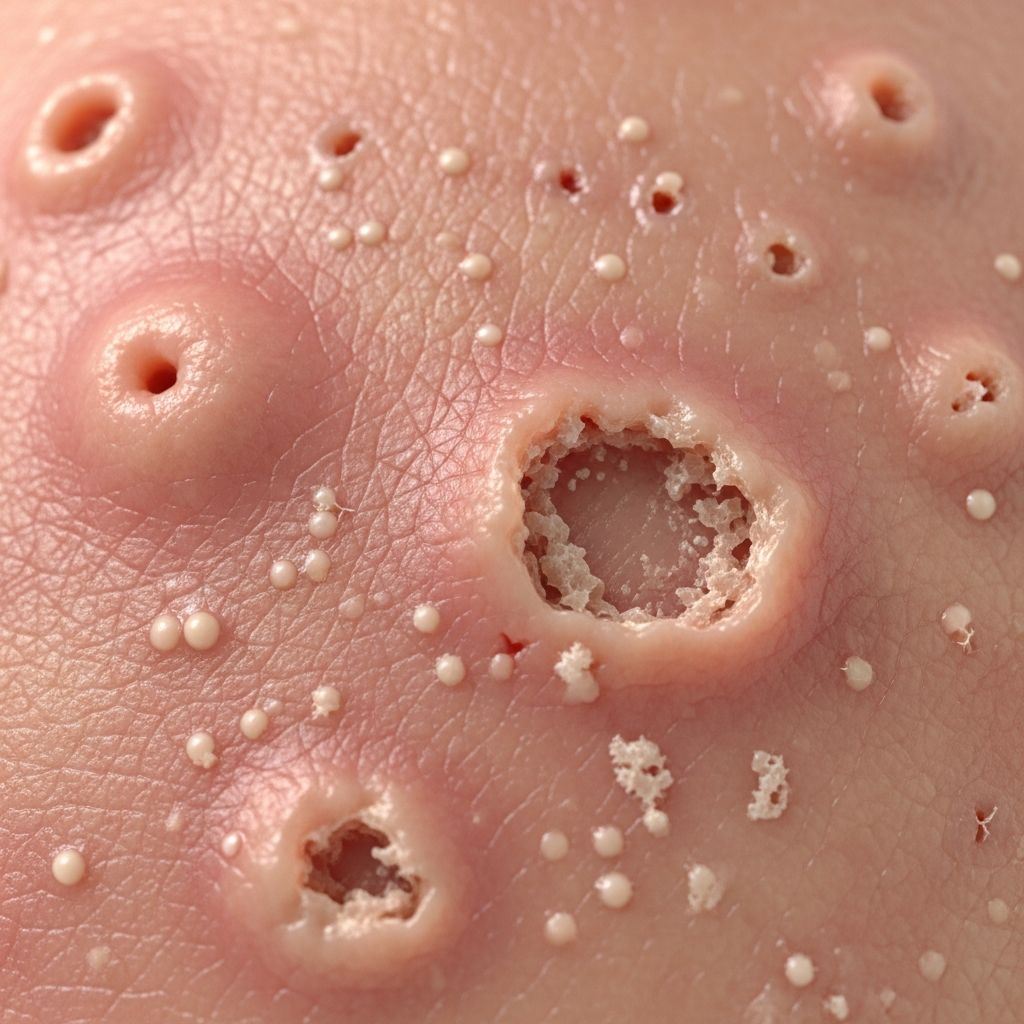
Epidermolysis bullosa acquisita (EBA) is a rare
autoimmune blistering disease
characterized by tense subepithelial blisters that develop at sites of trauma, typically presenting in adulthood unlike inherited forms of epidermolysis bullosa.Introduction
Epidermolysis bullosa (EB) refers to a group of blistering disorders, but
EBA
is distinguished as an acquired, non-hereditary condition caused by autoantibodies targeting structural skin components. It leads to fragile skin prone to blistering, scarring, and milia formation, primarily affecting trauma-exposed areas. EBA differs from congenital EB by its adult onset and autoimmune mechanism, where immunoglobulin G (IgG) autoantibodies attack the NC1 domain oftype VII collagen (Col7)
, disrupting anchoring fibrils that secure the epidermis to the dermis within the lamina densa.This disruption results in subepidermal separation, causing blisters just beneath the epidermis. EBA’s rarity and variable presentations make early diagnosis challenging, but understanding its pathophysiology aids targeted management.
Demographics
EBA predominantly affects
adults
, with onset typically between ages 40 and 60, though cases in children and elderly have been reported. It occurs worldwide with no strong racial or gender predilection, though some studies note a slight female predominance. Incidence is estimated at 0.2–0.5 per million per year, underscoring its rarity. Associations with inflammatory bowel disease, particularly Crohn’s disease, are noted in up to 20–30% of cases, suggesting shared autoimmune pathways.In pediatric cases, EBA is exceptionally rare and may mimic inherited EB, complicating diagnosis. Prognosis varies by subtype, with inflammatory variants responding better to immunosuppression than mechanobullous forms.
Causes
The primary cause of EBA is an
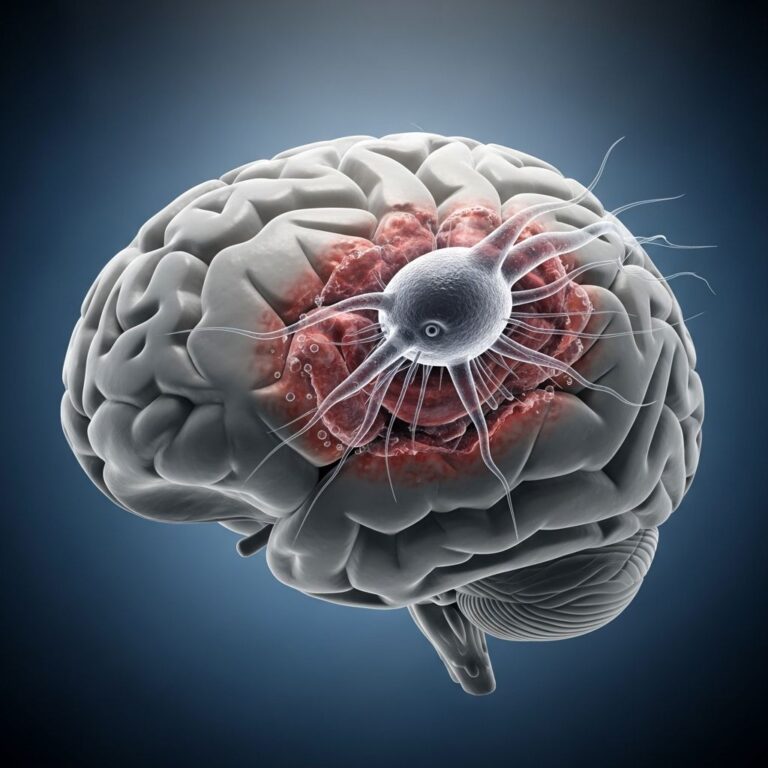
autoimmune response
where circulating and tissue-bound IgG autoantibodies target the non-collagenous NC1 domain of type VII collagen in the basement membrane zone. Type VII collagen forms anchoring fibrils essential for dermo-epidermal adhesion. Autoantibody binding disrupts fibril assembly, impairs interactions with other matrix proteins like type IV collagen, and triggers inflammatory cascades leading to subepidermal blistering.Experimental models in mice confirm that anti-type VII collagen antibodies induce skin fragility and blister formation, mirroring human EBA. Genetic predispositions, such as HLA-DR2 alleles, may increase susceptibility, but EBA is not directly inherited. Triggers include drugs, infections, or malignancies, though often idiopathic. Unlike bullous pemphigoid, EBA antibodies bind lower in the sublamina densa, explaining its scarring tendency.
Clinical Features
EBA manifests in diverse clinical variants, unified by skin fragility and trauma-induced blisters. Key features include:
- Mechanobullous (classical) EBA: Tense blisters, erosions, scars, and milia on trauma-prone sites like knees, elbows, dorsa of hands/feet, and knuckles. Healing leads to atrophic scars and nail dystrophy; scalp involvement causes scarring alopecia.
- Bullous pemphigoid (BP)-like EBA: Widespread urticarial plaques and tense blisters resembling BP, often on trunk and flexures, healing without scarring or milia.
- Mucous membrane pemphigoid (MMP)-like EBA: Predominantly mucosal scarring in mouth, esophagus, conjunctiva, anus, and vagina; ocular involvement risks symblepharon and blindness.
- Linear IgA bullous dermatosis (LABD)-like EBA: Annular or herpetiform vesicles with IgA deposits, affecting skin and mucosa.
- Brunsting-Perry cicatricial pemphigoid-like EBA: Vesicles on head/neck with scarring alopecia, minimal mucosal involvement.
Oral mucosa is affected in ~50% of cases, causing painful erosions. Extracutaneous involvement includes esophagus (dysphagia), eyes (corneal scarring), and larynx (hoarseness). Severe scarring leads to pseudosyndactyly (fused digits), joint contractures, and esophageal strictures.
Diagnosis
Diagnosis combines clinical suspicion, histopathology, immunofluorescence, and serology:
- Skin biopsy: Subepidermal blisters with minimal inflammation (mechanobullous) or eosinophils (BP-like); fibrin and neutrophils in lamina lucida/densa.
- Direct immunofluorescence (DIF): Linear IgG/C3 at dermal-epidermal junction (DEJ), U-serrated pattern on salt-split skin.
- Indirect immunofluorescence (IIF): Circulating IgG binding epidermal side of salt-split skin.
- ELISA/immunoblot: Anti-type VII collagen NC1 antibodies; high specificity.
Salt-split skin biopsy differentiates EBA (dermal staining) from BP (roof staining). Electron microscopy reveals anchoring fibril loss.
Related Stories



Differential Diagnoses
| Condition | Key Distinguishing Features |
|---|---|
| Bullous pemphigoid | Elderly onset, widespread itchy blisters, no scarring, roof staining on salt-split skin. |
| Porphyria cutanea tarda | Photosensitivity, hypertrichosis, liver disease, IgG negative. |
| Herpes gestationis | Pregnancy-associated, complements activation. |
| Mucous membrane pemphigoid | Predominant mucosal scarring, varied autoantigens. |
| Inherited EB | Childhood onset, family history, ultrastructural defects. |
Treatment
Treatment focuses on
wound care
, blister prevention, and immunosuppression to halt autoantibody production. Primary aims: protect skin, promote healing, prevent complications.- Local care: Non-adherent dressings, silicone gels, topical corticosteroids/antibiotics for erosions.
- Systemic immunosuppression: Prednisone (0.5–1 mg/kg/day) + azathioprine or mycophenolate mofetil as steroid-sparing; rituximab (anti-CD20) for refractory cases, inducing remission in 70–80%.
- Other therapies: Dapsone, IVIG, colchicine, anti-TNF (infliximab); plasma exchange for severe disease.
- Surgical: Esophageal dilation, hand reconstruction for contractures.
Multidisciplinary approach involves dermatologists, ophthalmologists, gastroenterologists. Patient education on trauma avoidance is crucial.
Prognosis
EBA is chronic with exacerbations/remissions; classical forms scar more than inflammatory variants. With immunosuppression, ~33% achieve remission at 1 year, ~50% at 6 years; long-term therapy often needed. Complications like infections, squamous cell carcinoma (in chronic wounds), and mucosal strictures impact quality of life. Normal lifespan possible with proper management, though severe MMP-like cases risk blindness/dysphagia.
Frequently Asked Questions (FAQs)
What is epidermolysis bullosa acquisita?
EBA is a rare autoimmune disease causing fragile skin and blisters due to antibodies against type VII collagen.
Who gets EBA?
Mostly adults aged 40–60; associated with IBD.
How is EBA diagnosed?
Via biopsy, DIF (linear IgG at DEJ), and anti-Col7 ELISA.
What are EBA treatments?
Immunosuppressants like steroids, rituximab; wound care.
Does EBA go away?
Chronic but manageable; remission possible with therapy.
References
- Epidermolysis Bullosa Acquisita – MD Searchlight — MD Searchlight. 2023. https://mdsearchlight.com/skin-problems-and-treatments/epidermolysis-bullosa-acquisita/
- Epidermolysis bullosa – Symptoms and causes – Mayo Clinic — Mayo Clinic. 2023-10-25. https://www.mayoclinic.org/diseases-conditions/epidermolysis-bullosa/symptoms-causes/syc-20361062
- Epidermolysis Bullosa: Symptoms, Causes, Types & Treatment — Cleveland Clinic. 2023-06-13. https://my.clevelandclinic.org/health/diseases/17792-epidermolysis-bullosa
- Epidermolysis Bullosa Acquisita – Delphine Lee MD — Delphine Lee MD. 2023. https://www.delphineleemd.com/epidermolysis-bullosa-acquisita
- Epidermolysis bullosa acquisita – DermNet — DermNet NZ. 2023. https://dermnetnz.org/topics/epidermolysis-bullosa-acquisita
- Epidermolysis Bullosa Acquisita – StatPearls — NCBI Bookshelf (NIH). 2023-08-08. https://www.ncbi.nlm.nih.gov/books/NBK554512/
Similar Articles








Read full bio of medha deb