Epidermolysis Bullosa: 4 Types, Causes, And Treatments
Rare genetic skin disorders causing fragile skin that blisters easily from minor friction or trauma.
What is epidermolysis bullosa?
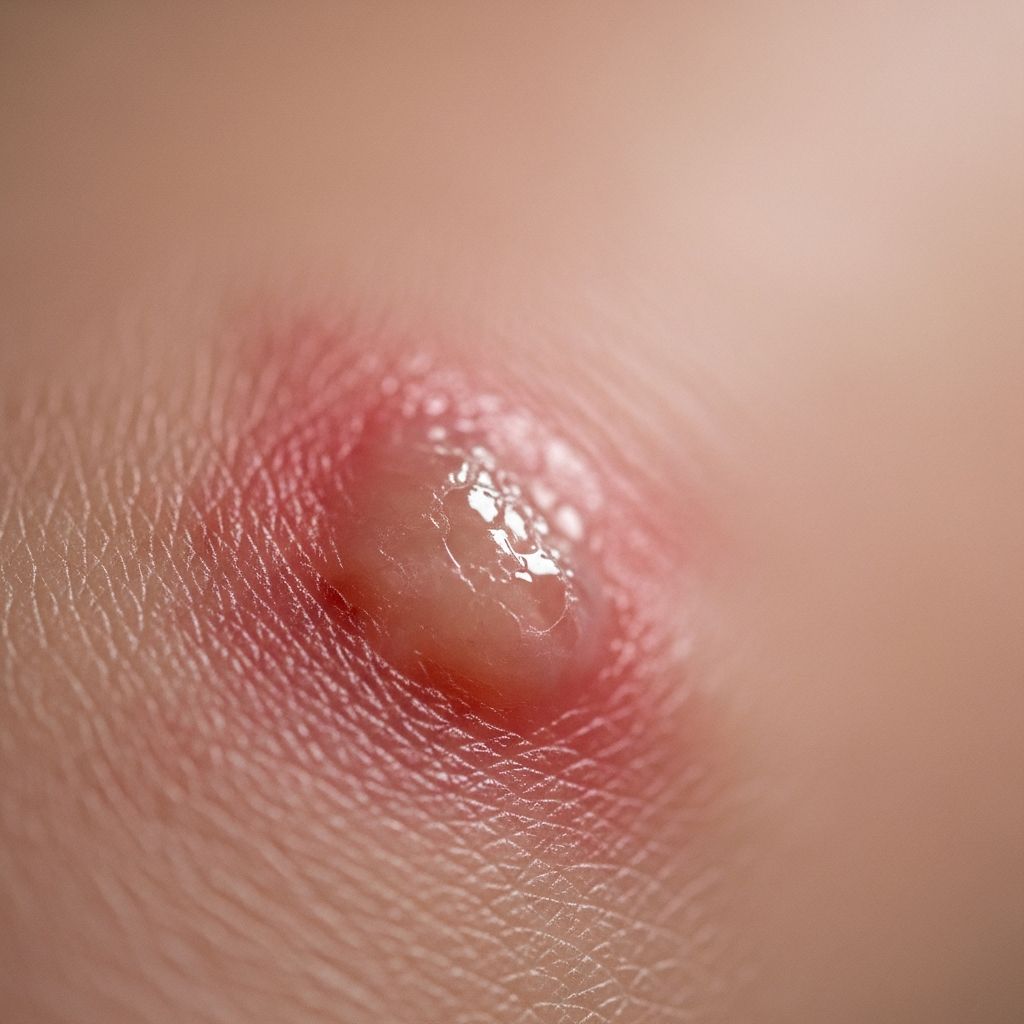
Epidermolysis bullosa (EB) refers to a group of rare, inherited skin disorders characterized by extreme skin fragility. The skin and mucous membranes blister and erode in response to minor friction or trauma, a phenomenon known as mechanobullous disease. EB affects approximately 1 in 20,000 to 50,000 live births worldwide, with phenotypes ranging from mild localized blistering to severe, life-threatening generalized forms.
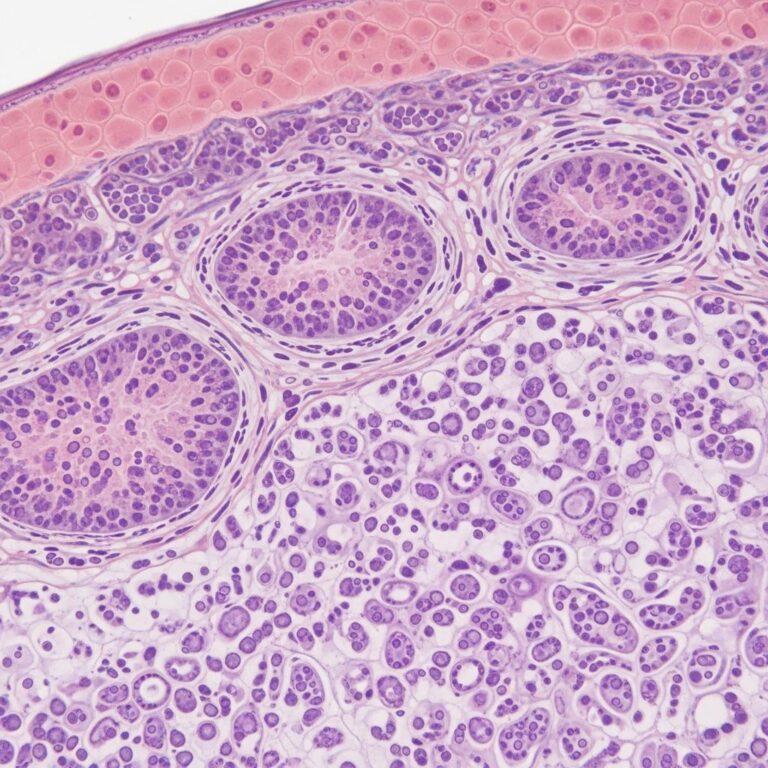
The primary defect lies in the dermo-epidermal junction, where structural proteins essential for skin integrity are mutated. These mutations impair adhesion between epidermal keratinocytes, hemidesmosomes, or dermal anchoring fibrils, leading to separation at specific levels within the skin layers. While all types feature blistering, the level of cleavage determines scarring potential: superficial intraepidermal blisters heal without scars, whereas deeper subepidermal ones cause atrophic scarring, milia formation, and complications like contractures.
EB is classified into four main types based on the ultrastructural level of blister formation: EB simplex (intraepidermal), junctional EB (lamina lucida), dystrophic EB (sublamina densa), and Kindler EB (mixed levels). Inheritance patterns include autosomal dominant, autosomal recessive, or compound heterozygous, with over 30 genes implicated.
Who gets epidermolysis bullosa?
EB manifests at birth or early infancy, often evident from the ‘fall-off’ phenomenon where skin sloughs during delivery in severe cases. All ethnic groups are affected equally, with no gender predilection. Family history is common in dominant forms like EB simplex, while recessive types like severe junctional or dystrophic EB may appear sporadically due to carrier parents.
Risk correlates with specific gene mutations; for instance, mutations in KRT5 and KRT14 cause EB simplex, while LAMB3 defects underlie lethal junctional EB. Prenatal genetic testing is available for at-risk families.
What causes epidermolysis bullosa?
EB arises from pathogenic variants in genes encoding structural proteins of the cutaneous basement membrane zone. These proteins maintain dermo-epidermal cohesion:
- EB simplex: Keratins 5 and 14 (KRT5, KRT14), plectin (PLEC), and others in basal keratinocytes.
- Junctional EB: Laminin-332 (LAMA3, LAMB3, LAMC2), type XVII collagen (COL17A1), and integrin subunits (ITGA6, ITGB4).
- Dystrophic EB: Type VII collagen (COL7A1), forming anchoring fibrils below the basement membrane.
- Kindler EB: Fermitin family member 1 (FERMT1/kindlin-1), affecting integrin activation.
Mutations disrupt protein function proportionally to phenotypic severity; residual functional protein mitigates symptoms. Bi-allelic null mutations cause severe recessive forms, while dominant-negative effects predominate in milder variants.
What are the clinical features of epidermolysis bullosa?
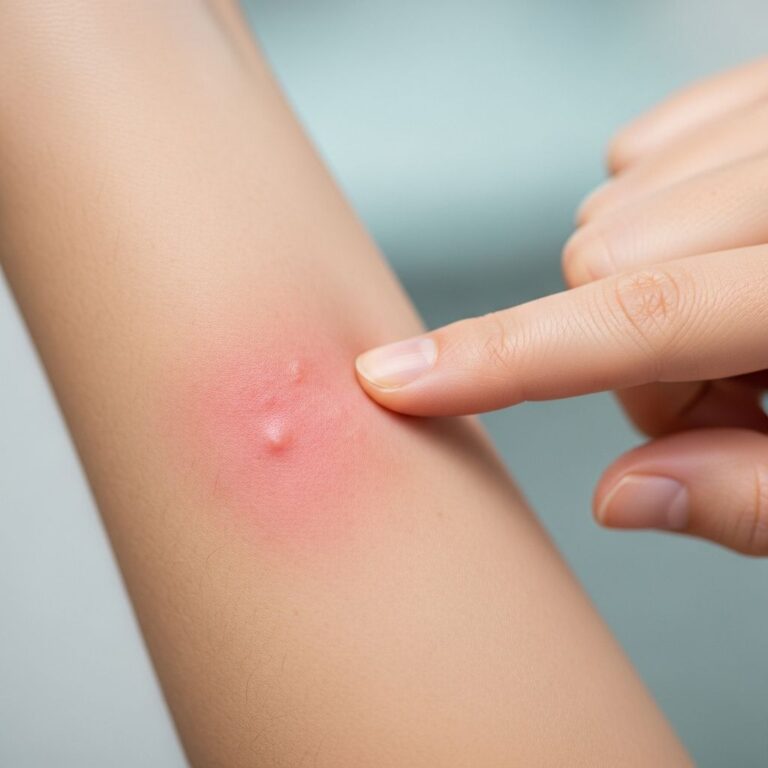
Core features include mechanical-induced blisters, erosions, and wounds prone to infection, pain, pruritus, and delayed healing. Severity varies by type and subtype:
Epidermolysis bullosa simplex
The most common type (70-80% of cases), with blisters forming intraepidermally. Localized forms (e.g., Weber-Cockayne) affect palms/soles, healing without scarring but causing hyperkeratosis. Generalized severe forms (Dowling-Meara) involve widespread blistering, milia, and oral involvement, with healing typically non-scarring.
Junctional epidermolysis bullosa
Related Stories



Rare and often lethal, blisters form in the lamina lucida. Herlitz type features granulation tissue (e.g., periorificial plaques), nail loss, enamel defects, and fatal airway/GI involvement by age 1-2. Non-Herlitz variants are milder but cause dental anomalies and scarring.
Dystrophic epidermolysis bullosa
Scarring blisters sub-lamina densa due to COL7A1 mutations. Mild dominant forms affect acral sites; severe recessive forms cause extensive denudation at birth, pseudosyndactyly (‘mitten deformities’), contractures, esophageal strictures, and aggressive squamous cell carcinomas (SCC) in chronic wounds (cumulative risk >90% by age 45).
Kindler epidermolysis bullosa
Mixed cleavage with photosensitivity, poikiloderma, gingival fragility, and early SCC risk. Blisters evolve to atrophy and scarring.
Extracutaneous features: Ocular (symblepharon), dental (enamel hypoplasia), GI (anemia, strictures), musculoskeletal (osteopenia), and oncologic (SCC).
How is epidermolysis bullosa diagnosed?
Diagnosis combines clinical exam, family history, and confirmatory tests:
- Skin biopsy: Immunofluorescence antigen mapping (IFM) and transmission electron microscopy (TEM) identify cleavage plane and protein defects.
- Genetic testing: Next-generation sequencing confirms mutations, aiding counseling.
Table 1: Diagnostic levels of blister formation
| Type | Cleavage Level | Key Proteins |
|---|---|---|
| EB Simplex | Intraepidermal | K5, K14, PLEC |
| Junctional EB | Lamina lucida | Laminin-332, COL17 |
| Dystrophic EB | Sublamina densa | Collagen VII |
| Kindler EB | Variable | FERMT1 |
What is the treatment for epidermolysis bullosa?
No cure exists; management is multidisciplinary and supportive, focusing on wound care, pain control, nutrition, and complication prevention.
- Wound care: Non-adherent dressings, infection surveillance, surgical releases for contractures.
- Pain/symptom management: Opioids, gabapentinoids, nutritional support (e.g., gastrostomy).
- Emerging therapies: Gene therapy (e.g., topical COL7A1 for dystrophic EB), cell therapy, protein replacement.
What is the outcome for epidermolysis bullosa?
Prognosis varies: mild EB simplex allows normal lifespan; severe forms reduce life expectancy due to infections, malnutrition, or SCC (median survival ~30-50 years in recessive dystrophic EB). Quality of life improves with specialized care.
Frequently Asked Questions (FAQs)
What is epidermolysis bullosa?
A group of rare genetic disorders causing fragile skin that blisters easily from minor trauma.
How many types of EB are there?
Four main types: simplex, junctional, dystrophic, and Kindler, with multiple subtypes.
Is EB curable?
No, but supportive care and emerging therapies improve outcomes.
Can EB be inherited?
Yes, autosomal dominant or recessive patterns.
What causes death in severe EB?
Infections, respiratory failure, or squamous cell carcinoma.
References
- Epidermolysis Bullosa – Dermatologic Disorders — Merck Manuals Professional Edition. 2024. https://www.merckmanuals.com/professional/dermatologic-disorders/bullous-diseases/epidermolysis-bullosa
- Epidermolysis Bullosa – StatPearls — NCBI Bookshelf, NIH. 2023-10-16. https://www.ncbi.nlm.nih.gov/books/NBK599531/
- Epidermolysis Bullosa: Diagnosis, Treatment, and Steps to Take — NIAMS, NIH. 2024. https://www.niams.nih.gov/health-topics/epidermolysis-bullosa/diagnosis-treatment-and-steps-to-take
Similar Articles








Read full bio of Sneha Tete