Epididymo-orchitis: Inflammation and Infection Guide
Understanding testicular inflammation: causes, symptoms, and treatment options
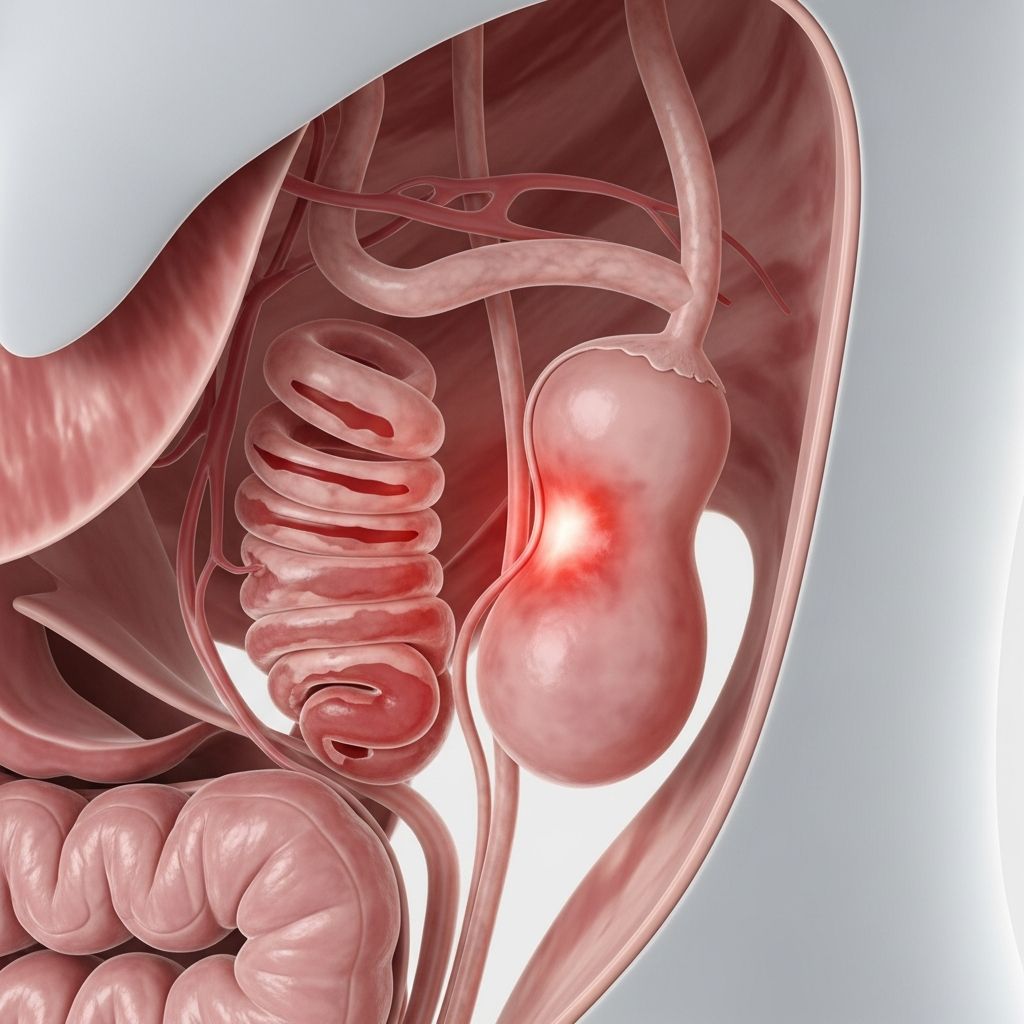
Epididymo-orchitis represents a medical condition characterized by inflammation affecting the epididymis and testicle, often resulting from bacterial or viral infection. This dual-site inflammation typically develops rapidly and requires prompt medical evaluation to prevent complications and preserve reproductive function. Understanding the mechanisms, presentation, and treatment of this condition is essential for men experiencing scrotal symptoms.
What Is Epididymo-orchitis?
Epididymo-orchitis occurs when the epididymis—a coiled tubular structure responsible for storing and transporting sperm—becomes inflamed alongside the testicle itself. The epididymis sits at the back and side of each testicle, making it particularly vulnerable to infection when pathogens enter the genitourinary tract. When inflammation spreads from the epididymis to the adjacent testicle, the combined condition is termed epididymo-orchitis.
The inflammation can develop as a consequence of bacterial colonization from various sources, including retrograde flow of infected urine through the vas deferens, or through direct sexual transmission of pathogens. While epididymitis alone refers to isolated inflammation of the epididymis, the progression to involve the testicle represents a more extensive inflammatory process that demands urgent intervention.
Primary Causes and Risk Factors
The underlying causes of epididymo-orchitis fall into two primary categories: infectious and non-infectious origins. Infectious causes account for the majority of cases in adult populations.
Infectious Origins
- Urinary tract infections (UTIs): Bacterial organisms including Escherichia coli and other gram-negative bacilli ascending through the urethra represent the most frequent infectious source, particularly in men aged 50 and older.
- Sexually transmitted infections: Chlamydia trachomatis and Neisseria gonorrhoeae represent the predominant STI pathogens causing epididymo-orchitis, especially in younger, sexually active men.
- Viral infections: The mumps virus classically causes orchitis with rapid symptom onset, typically appearing four to seven days after parotid gland swelling develops.
- Other bacterial pathogens: Mycobacterium tuberculosis and various gram-positive organisms can occasionally precipitate inflammation in immunocompromised individuals.
Risk Factors and Predisposing Conditions
- Urinary catheterization or recent urological instrumentation
- Benign prostatic hyperplasia obstructing normal urinary flow
- History of urinary retention or incomplete bladder emptying
- Immunosuppression or compromised immune function
- Absence of mumps vaccination
- Recent urinary tract surgery or diagnostic procedures
Recognizing Symptoms and Clinical Presentation
The symptomatic manifestations of epididymo-orchitis typically emerge suddenly over the course of hours to days, though some cases develop more gradually. Symptom severity ranges from mild discomfort to debilitating pain that significantly impacts daily functioning.
Primary Symptoms
| Symptom Category | Characteristics | Timeline |
|---|---|---|
| Scrotal pain | Localized pain in affected testis, may radiate to lower abdomen; severity ranges from mild to severe | Rapid onset, within 24-48 hours |
| Swelling | Enlarged, discolored scrotum; epididymis becomes swollen and tender; testicle may become indurated | Develops progressively over days |
| Skin changes | Erythema, warmth, and tenderness of overlying scrotal skin | Present in acute phase |
| Fluid accumulation | Hydrocele formation—fluid collection surrounding testicle causing lumpiness or sensation of swelling | May develop during infection course |
| Systemic manifestations | Fever, malaise, general feeling of unwellness, occasional nausea | Accompanying local symptoms |
Related Stories



Associated Urinary and Genital Symptoms
When epididymo-orchitis results from urinary tract infection, patients frequently experience dysuria (painful urination), urinary frequency, urgency, and hematuria. Sexually transmitted infection origins often present with urethral discharge appearing white, yellow, or green. Some patients report blood in semen or discomfort in the lower abdomen and pelvic region.
One important clinical observation involves the Prehn sign—pain relief experienced with testicular elevation—which helps differentiate epididymitis from testicular torsion, a surgical emergency with opposite findings.
Diagnostic Evaluation and Testing
Proper diagnosis combines clinical history, physical examination findings, and confirmatory testing to identify the causative organism and guide treatment selection.
Physical Examination Approach
Healthcare providers perform systematic palpation of the scrotum, noting the location and extent of tenderness. Epididymitis classically presents with posterior and superior epididymal tenderness, while orchitis involves the testicle itself. The cremasteric reflex—a normal upward movement of the testicle when the inner thigh is stroked—remains intact in epididymo-orchitis but is characteristically absent in testicular torsion.
Examination may reveal tender inguinal lymph nodes, costovertebral angle tenderness suggesting kidney involvement, and suprapubic tenderness indicating bladder inflammation. Urethral discharge, if present, should be noted.
Imaging and Laboratory Assessment
Scrotal ultrasonography with color Doppler imaging serves as the primary imaging modality, revealing enlarged and thickened epididymis with increased blood flow, testicular swelling, and hydrocele formation. Normal or decreased blood flow on Doppler helps exclude testicular torsion.
Laboratory testing includes urinalysis to detect pyuria and bacteriuria, urine culture identifying bacterial species and antibiotic sensitivities, nucleic acid amplification tests for chlamydia and gonorrhea, and blood cultures if sepsis is suspected. Serum inflammatory markers such as elevated white blood cell count and C-reactive protein support infectious etiology.
Treatment Strategies and Management Approach
Successful management of epididymo-orchitis centers on antimicrobial therapy targeting the identified or suspected pathogen, combined with supportive care measures.
Antibiotic Therapy Selection
Treatment selection depends on age, sexual activity status, and likely pathogen identification. Younger, sexually active men warrant empiric coverage for chlamydia and gonorrhea using ceftriaxone combined with azithromycin or doxycycline. Men over 35 or those with urinary symptoms benefit from fluoroquinolone therapy targeting gram-negative bacteria causing UTIs. Treatment duration typically spans 7-14 days, with symptom improvement expected within 72 hours of appropriate antibiotic initiation.
Supportive Care Measures
- Rest and elevation: Scrotal elevation using athletic supporters reduces discomfort and edema through gravitational drainage
- Ice application: Cold packs during acute phase decrease inflammation and pain
- Analgesic management: Non-steroidal anti-inflammatory drugs address pain and inflammation simultaneously
- Sexual abstinence: Avoiding intercourse until complete symptom resolution prevents pathogen transmission and reduces mechanical irritation
- Fluid intake: Adequate hydration supports immune function and promotes urinary output
Infectious Disease-Specific Considerations
When sexually transmitted infections are identified, partner notification and treatment become essential to prevent reinfection and reduce disease transmission. Patients with mumps-related orchitis require supportive care only, as antivirals provide limited benefit in established disease. Severe infections with abscess formation may necessitate surgical drainage through a small scrotal incision.
Potential Complications and Long-Term Outcomes
Most cases of epididymo-orchitis resolve completely with appropriate treatment and minimal lasting effects. However, specific complications warrant consideration.
Short-Term and Intermediate Complications
Ongoing pain and swelling persisting beyond initial infection resolution occurs in some patients, though this typically settles within three months in over 80 percent of men. Abscess formation—a localized collection of pus within the scrotum—develops rarely but requires drainage intervention. Testicular atrophy may occur following severe infection, particularly with mumps-related orchitis.
Fertility Implications
Reduced fertility in the affected testicle represents a significant concern, particularly with mumps-associated orchitis. While unilateral epididymo-orchitis from other causes typically preserves overall fertility due to the contralateral testis remaining functional, bilateral infection carries greater reproductive consequences. Sperm parameters may show temporary abnormalities during acute infection, with recovery expected after inflammation resolves.
Differential Diagnosis Considerations
Distinguishing epididymo-orchitis from other acute scrotal conditions proves essential for appropriate management. Testicular torsion—a surgical emergency—typically presents with sudden, severe pain, abnormal cremasteric reflex, and lack of pain relief with elevation. Appendix testis torsion produces localized tenderness at the superior pole and may show the characteristic “blue dot” sign. Inguinal hernias may present with scrotal swelling but auscultation reveals bowel sounds.
Prevention Strategies
Reducing epididymo-orchitis risk involves addressing known etiologic factors through vaccination against mumps and practicing safe sexual behaviors. Prompt treatment of urinary tract infections and complete symptom resolution prevents ascending infection to the epididymis. Men with recurrent UTIs benefit from urological evaluation to identify anatomic or functional abnormalities requiring intervention.
When to Seek Medical Attention
Any man experiencing acute scrotal pain, swelling, or discomfort warrants prompt medical evaluation. Symptoms developing over hours rather than days, particularly with fever or systemic symptoms, require urgent assessment. Inability to urinate, severe pain unresponsive to analgesics, or scrotal skin changes indicating abscess formation necessitate immediate healthcare consultation.
Frequently Asked Questions
Can epididymo-orchitis be transmitted to sexual partners?
If epididymo-orchitis results from sexually transmitted infections such as chlamydia or gonorrhea, transmission to partners remains possible. Appropriate antibiotic therapy and partner notification are essential components of management.
How long does recovery typically require?
Most acute infections show symptom improvement within 3-7 days of appropriate antibiotic initiation. Complete resolution usually occurs within 2-4 weeks, though some men experience persistent mild discomfort for several weeks beyond apparent cure.
Will epididymo-orchitis affect sexual function?
Acute epididymo-orchitis may temporarily affect sexual function due to pain and discomfort. Following complete infection resolution, normal sexual function typically returns without lasting impairment, though temporary fertility effects may occur during acute infection.
Is hospitalization necessary?
Most epididymo-orchitis cases respond to outpatient oral antibiotic therapy without hospitalization. Severe infections, immunocompromised patients, or those with complications such as abscess formation may require hospital admission and intravenous antibiotics.
Can epididymo-orchitis recur?
Recurrence is possible, particularly if underlying urinary tract abnormalities remain unaddressed or if sexually transmitted infections are inadequately treated. Urological investigation may be warranted following recurrent episodes.
References
- Epididymitis and Orchitis: An Overview — American Academy of Family Physicians. 2009-04-01. https://www.aafp.org/pubs/afp/issues/2009/0401/p583.html
- Epididymitis – Symptoms and causes — Mayo Clinic. https://www.mayoclinic.org/diseases-conditions/epididymitis/symptoms-causes/syc-20363853
- Orchitis – Symptoms and causes — Mayo Clinic. https://www.mayoclinic.org/diseases-conditions/orchitis/symptoms-causes/syc-20375860
- Epididymitis — National Center for Biotechnology Information, National Library of Medicine. https://www.ncbi.nlm.nih.gov/books/NBK430814/
- Epididymitis — NHS. https://www.nhs.uk/conditions/epididymitis/
- Epididymitis and Epididymo-orchitis – Men’s Health Issues — Merck Manuals. https://www.merckmanuals.com/home/men-s-health-issues/penile-and-testicular-disorders/epididymitis-and-epididymo-orchitis
- Epididymo-orchitis: Causes, Symptoms, and Treatment — Patient.info. https://patient.info/mens-health/scrotal-lumps-pain-and-swelling/epididymo-orchitis
Similar Articles








Read full bio of medha deb