Epidural Side Effects And Risks: Key Facts Moms Should Know
Understanding the common and rare side effects of epidurals during labor to make informed pain relief decisions.
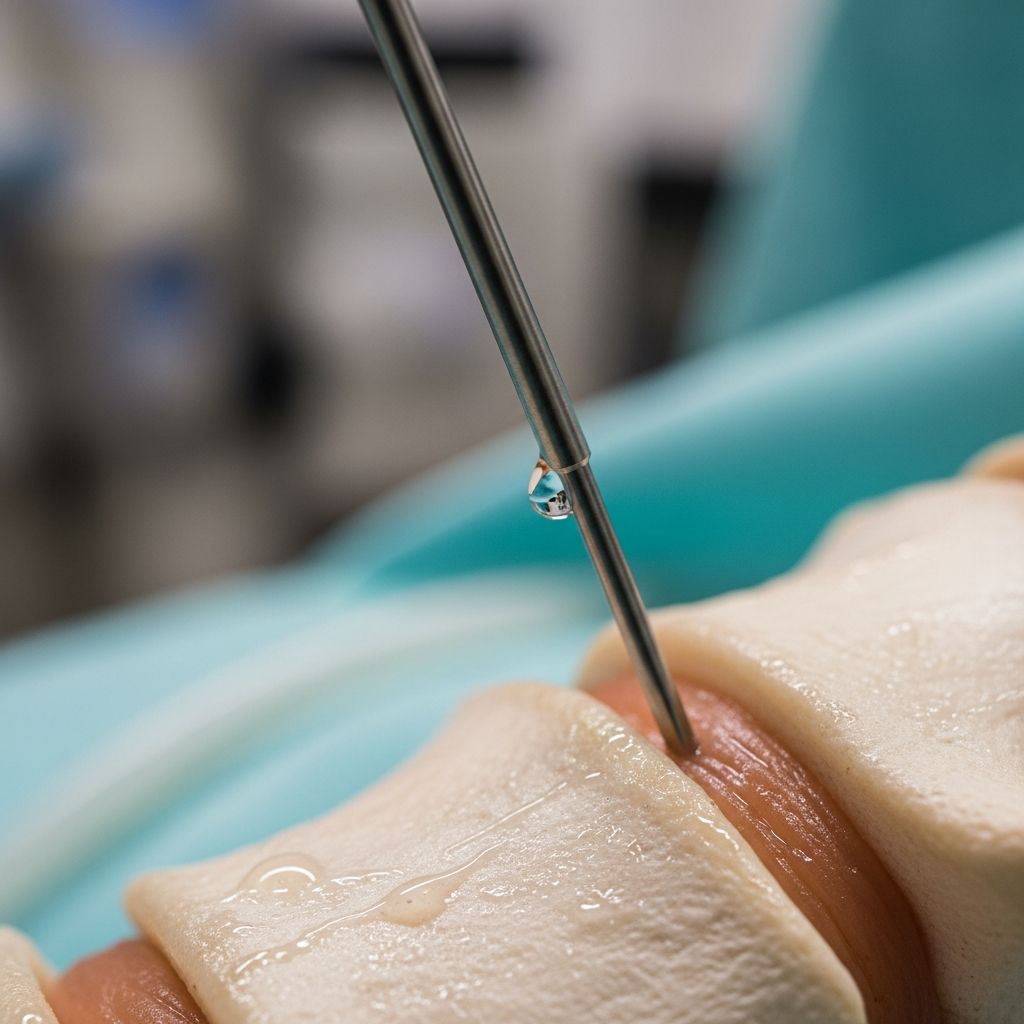
Epidurals are a popular choice for pain relief during labor, offering significant comfort to many women. However, like any medical intervention, they carry potential side effects and risks that expectant mothers should understand. This article examines the common and rare complications associated with epidural analgesia, drawing from clinical studies and expert insights to help you weigh the benefits against the drawbacks.
What Is an Epidural?
An epidural is a regional anesthesia technique where medication is injected into the epidural space around the spinal cord to block pain signals from the lower body. During labor, it provides continuous pain relief through a catheter, allowing women to remain awake and participate in the birthing process. Administered by an anesthesiologist, the procedure involves numbing a small area of the back and inserting a thin tube to deliver anesthetic and opioid medications.
While highly effective—relieving pain for up to 90% of women—epidurals do not eliminate all sensations, such as pressure during contractions. They typically take 10-20 minutes to onset and last throughout labor, with adjustments made as needed.
Common Side Effects of Epidurals
Most side effects of epidurals are mild, temporary, and manageable. They occur due to the medications used or the procedure itself. Here’s a breakdown:
- Low Blood Pressure (Hypotension): The most frequent side effect, affecting up to 36% of women. It happens because the anesthetic relaxes blood vessels, reducing maternal blood pressure, which can temporarily affect fetal heart rate. IV fluids and medications like ephedrine are routinely given to prevent or correct this.
- Itching (Pruritus): Caused by opioids in the epidural mix, this affects many women, often on the face, neck, or body. It’s usually mild and treated with antihistamines or naloxone.
- Nausea and Vomiting: Opioids can irritate the stomach, leading to queasiness in some cases. Anti-nausea medications provide quick relief.
- Fever: About 23% of women with epidurals develop a low-grade fever, compared to 7% without. The cause is unclear but may relate to reduced inflammation response. It typically resolves post-delivery without harm to the baby.
- Soreness at Injection Site: Temporary back tenderness lasts a few days, often indistinguishable from pregnancy-related back pain.
- Shivering or Leg Heaviness: Common due to spinal cord temperature changes or medication spread.
These effects are monitored closely in labor and delivery units, with protocols to mitigate them effectively.
Risks to Mother and Baby
Maternal Risks
Beyond common side effects, epidurals pose some risks to the mother:
- Difficulty Urinating: The epidural can temporarily impair bladder sensation, requiring a catheter.
- Inadequate Pain Relief: In 5-10% of cases, the epidural fails or provides one-sided relief, necessitating repositioning or replacement.
Fetal and Neonatal Risks
Changes in maternal blood pressure can lead to fetal heart rate (FHR) abnormalities. A study of 439 laboring women found 11.4% experienced worsening FHR category post-epidural, independently linked to higher cesarean delivery (CD) rates (OR 3.8 for nonreassuring status). Despite this, neonatal outcomes like Apgar scores and NICU admissions remain unaffected.
| Risk Factor | Incidence | Impact on Delivery |
|————-|———–|——————-|
| Maternal Hypotension | 36.2% | Often leads to FHR changes |
| Worsening FHR | 11.4% | Increases CD risk (P=.01) |
| Fever | 23% | No neonatal impact |
Rare but Serious Complications
Serious issues are uncommon, occurring in less than 1% of cases, but awareness is crucial:
- Post-Dural Puncture Headache (PDPH): If the needle punctures the dura, spinal fluid leaks, causing severe headache in 1% of cases. Treated with bed rest, fluids, caffeine, or an epidural blood patch.
- Infection or Hematoma: Rare spinal infections or blood clots from bleeding disorders. Contraindicated in women with coagulopathies.
- Nerve Damage: Occurs in 1 in 4,000-200,000 cases, causing temporary or permanent numbness/weakness. Usually resolves spontaneously.
- Respiratory Issues or Seizures: Extremely rare if medication enters spinal fluid, leading to high spinal block.
- Failed Epidural: Complete failure requires alternatives like general anesthesia.
Related Stories



Overall, serious complications are minimized by skilled administration and monitoring.
Does Epidural Increase C-Section Risk?
Historically debated, recent evidence clarifies: Epidurals do not inherently raise cesarean rates. A large cohort showed FHR changes post-epidural increase CD risk specifically for fetal distress (P=.015), but not overall. Logistic regression confirmed cervical dilation at epidural (P=.03) and labor duration (P<.001) as key factors. RCTs and cohort studies align that epidurals neither prolong labor nor boost CDs when managed properly.
Who Should Avoid Epidurals?
Epidurals are contraindicated for:
- Women with bleeding disorders or on anticoagulants.
- Local skin infections at insertion site.
- Severe neurological conditions like multiple sclerosis (risk of exacerbation).
- Allergy to local anesthetics.
Discuss personal history with your provider.
Managing and Minimizing Risks
To reduce side effects:
- Pre-hydrate with IV fluids.
- Monitor BP and FHR continuously.
- Use low-dose protocols or combined spinal-epidural (CSE) for faster onset, though CSE may increase itching/FHR risks slightly.
- Early epidural placement at <4cm dilation may lower CD odds.
- Postpartum: Hydrate, rest, and report persistent symptoms.
Benefits vs. Risks: Is It Worth It?
Epidurals excel in pain control, reducing stress hormones, improving pushing efficiency, and lowering severe tear risks compared to opioids. No links to postpartum depression, backache, or infant issues. For high-risk labors or prolonged inductions, benefits often outweigh risks. Ultimately, it’s a personal choice—discuss with your OB-GYN and anesthesiologist.
Frequently Asked Questions (FAQs)
What is the most common epidural side effect?
Low blood pressure, affecting over a third of women, but it’s routinely managed with fluids and meds.
Can epidurals harm my baby?
Temporary FHR changes occur, but Apgar scores and NICU rates are unaffected. Serious harm is exceedingly rare.
How long do epidural side effects last?
Most resolve within hours post-delivery; soreness may linger days.
Will an epidural make labor longer?
No, it doesn’t prolong labor or increase CD rates overall when properly timed.
Can I still push with an epidural?
Yes, many women effectively push; sensation adjustments allow participation.
References
- Side effects from epidural analgesia in laboring women and risk of cesarean delivery — Gizzo S, et al. PMC. 2024. https://pmc.ncbi.nlm.nih.gov/articles/PMC10820310/
- Epidural block – pregnancy — MedlinePlus. 2023-10-15. https://medlineplus.gov/ency/patientinstructions/000484.htm
- Thinking about an epidural? Here’s what you should know — Texas Children’s Hospital. 2023. https://www.texaschildrens.org/content/wellness/thinking-about-epidural-heres-what-you-should-know
- 11 Risks of Epidurals During Delivery: Itching, Fever, and More — Healthline. 2024. https://www.healthline.com/health/pregnancy/pain-risks-epidurals
- Epidural during Labor for Pain Management — Evidence Based Birth. 2024-01-10. https://evidencebasedbirth.com/epidural-during-labor-pain-management/
- Epidurals During Childbirth: What Women Should Know — Yale Medicine. 2023-08-20. https://www.yalemedicine.org/news/epidural-anesthesia
Similar Articles








Read full bio of Sneha Tete