Epilation: 5 Proven Methods For Lasting Smooth Skin
Comprehensive guide to mechanical hair removal methods including waxing, plucking, threading, and sugaring for effective temporary epilation.
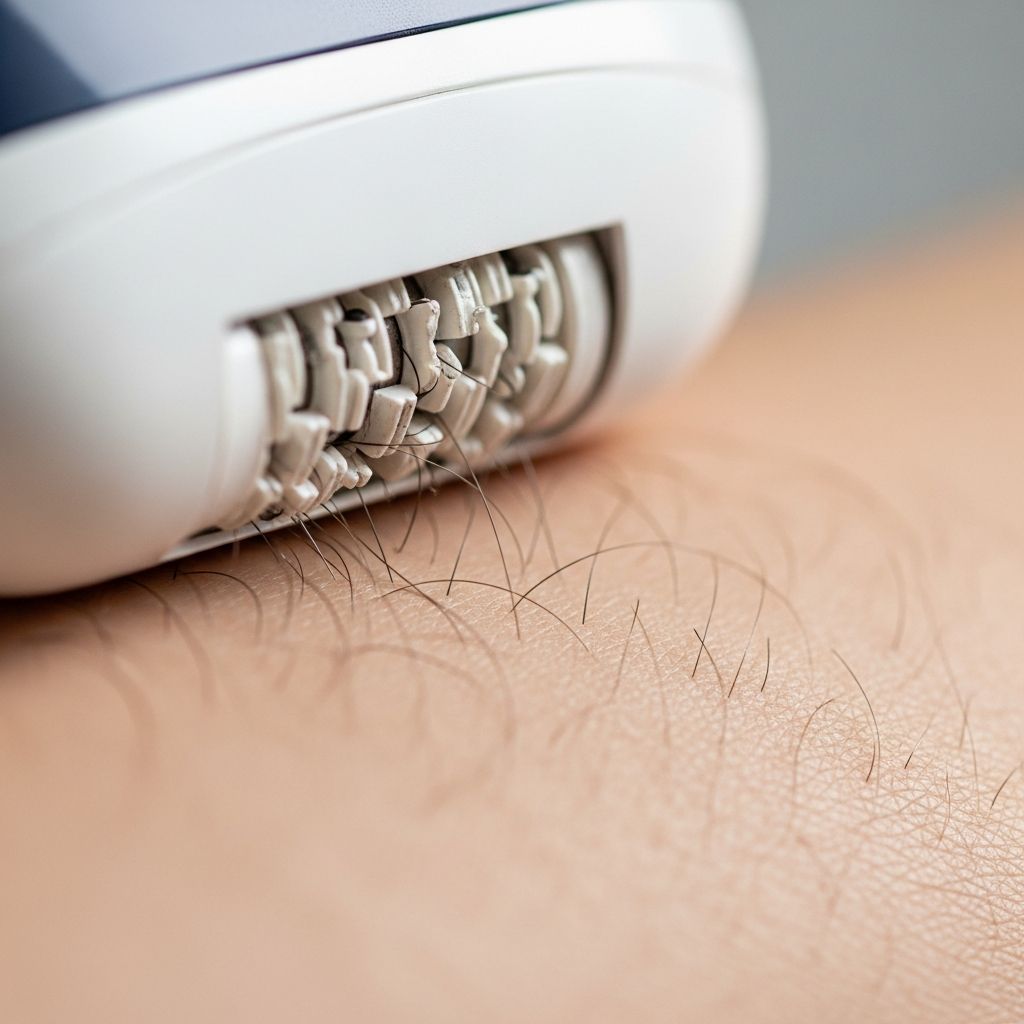
Epilation refers to the removal of body hair, including the entire hair shaft and root, using mechanical devices, tweezers, wax, or similar methods. Unlike depilation, which only cuts hair at the skin surface, epilation provides longer-lasting results by extracting hair from the follicle.
What is epilation?
Epilation is a highly effective temporary hair removal technique that targets the hair root, delaying regrowth for weeks. It contrasts with shaving (depilation), which leaves the root intact, leading to faster hair return. Common epilation methods include plucking, waxing, threading, abrasives, and sugaring, each suited to different body areas and hair types.
These methods mechanically pull hair out, making them ideal for achieving smooth skin on legs, arms, face, bikini line, and underarms. Waxing stands out as the most efficient for large areas due to its ability to remove multiple hairs simultaneously.
Plucking
Plucking uses handheld or electrical tweezers to grasp and extract individual hairs from the root. Handheld tweezers excel for sparse, coarse hairs on eyebrows, chin, or nipples, offering precision for shaping.
Electrical tweezers, such as Epilady® devices, handle both small and large areas. Some models combine plucking with shaving for dual action. While effective for occasional use, plucking larger areas is time-consuming and may cause skin irritation if overdone.
Threading
Threading is an ancient technique originating from the Middle East and India, using a twisted cotton thread rolled across the skin to trap and uproot hairs. It provides clean, precise lines, making it popular for eyebrows, upper lip, and facial hair removal.
Considered less painful than waxing or plucking, threading minimizes skin trauma as it avoids direct contact with adhesives. It’s a skill often learned young in cultural contexts and widely available in salons worldwide. Ideal for sensitive facial skin, it suits fine to medium hairs.
Abrasives
Abrasive methods physically rub away hair from the skin surface using pumice stones or sandpaper-like gloves/devices. This epilation variant is rough and irritating, rarely recommended today due to high risk of abrasions and folliculitis.
While accessible, abrasives are outdated compared to gentler options like waxing. They work best on very fine leg hair but can exacerbate dryness or sensitivity in most skin types.
Sugaring
Sugaring mirrors waxing but uses a natural paste of sugar, lemon juice, and water, heated into a thick caramel-like substance. Applied against hair growth and pulled in the direction of growth, it removes hair cleanly with less skin stripping.
A superior alternative for wax-sensitive individuals, sugaring is gentler, water-soluble (easier cleanup), and less likely to cause ingrown hairs. It’s effective for all body areas, with results lasting 2-4 weeks, and suits sensitive skin well.
Waxing
Waxing is the premier epilation method for large areas, pulling multiple hairs from the root via warm or cold wax applied to the skin. Warm waxing involves heating wax, spreading it thinly, applying a cloth strip, and ripping it off against hair growth.
Related Stories



Cold wax strips are pre-made and ready-to-use, convenient for home application but less effective on coarse hair. Professional warm waxing yields smoother results, with regrowth taking 2-3 weeks. Repeated sessions may thin hair over time due to follicle weakening.
| Method | Description | Best For | Pain Level |
|---|---|---|---|
| Warm Waxing | Heated wax + strip | Legs, arms, bikini | Moderate-High |
| Cold Waxing | Pre-made strips | Small areas, home use | Moderate |
Side effects of epilation
Epilation can cause temporary redness, sensitivity, and pain, varying by method and individual tolerance. Common issues include ingrown hairs, folliculitis (inflamed follicles), and minor bleeding from short, brittle hairs.
- Pain: Peaks during hair extraction; apply pressure post-removal to soothe.
- Redness/Swelling: Lasts hours to days; use cool compresses or aloe vera.
- Ingrown Hairs: Prevent with exfoliation; treat with topical retinoids if persistent.
- Infection Risk: Rare but possible if skin is broken; avoid in active herpes areas.
For facial epilation, side effects are milder but watch for hyperpigmentation in darker skin tones.
Suitability
Most people are candidates for epilation, barring active skin infections, sunburn, or conditions like eczema. Hair should be 1/4-1/2 inch long for effective grasping; too short snaps off, too long increases pain.
Contraindications include recent retinol use (weakens skin), varicose veins (for leg waxing), and pacemakers (avoid electrical devices). Pregnant individuals may opt for gentler methods like sugaring due to heightened sensitivity.
Frequently Asked Questions (FAQs)
What is the difference between epilation and depilation?
Epilation removes the entire hair including the root for longer-lasting smoothness (2-6 weeks), while depilation (e.g., shaving) cuts at skin level with regrowth in days.
Which epilation method hurts the least?
Threading and sugaring are often least painful, especially on the face, as they pull with hair growth direction and use natural ingredients.
How often can I epilate?
Every 2-4 weeks as hair regrows to 1/4 inch. Over-epilation risks follicle damage or skin thinning.
Does epilation make hair grow back thicker?
No; blunt regrowth from epilation appears coarser initially but repeated use may thin hair permanently.
Can I epilate at home?
Yes, with kits for waxing, sugaring, or electrical epilators. Start small; professionals recommended for bikini/brows.
Related Topics
References
- Epilation — DermNet NZ. 2005. https://dermnetnz.org/topics/epilation
- Electrolysis — DermNet NZ. 2003. https://dermnetnz.org/topics/electrolysis
- Waxing — DermNet NZ. 2005. https://dermnetnz.org/topics/waxing
- Hirsutism — StatPearls, NCBI Bookshelf. 2023. https://www.ncbi.nlm.nih.gov/books/NBK470417/
Similar Articles








Read full bio of medha deb