Epilepsy: Understanding Causes, Symptoms, and Treatment Options
Comprehensive guide to epilepsy: Learn about causes, symptoms, diagnosis, and advanced treatment options available.
Epilepsy: What It Is, Causes, Symptoms & Treatment
Epilepsy is a chronic neurological disorder characterized by a predisposition to generate seizures spontaneously and recurrently. It represents one of the most common neurological conditions, affecting millions of individuals worldwide across all age groups, backgrounds, and demographics. Understanding epilepsy is crucial for patients, families, and caregivers as it impacts daily life, work, relationships, and overall well-being. This comprehensive guide explores what epilepsy is, its underlying causes, how it manifests through various symptoms, and the multiple treatment approaches available to manage this complex condition.
Understanding Epilepsy Fundamentals
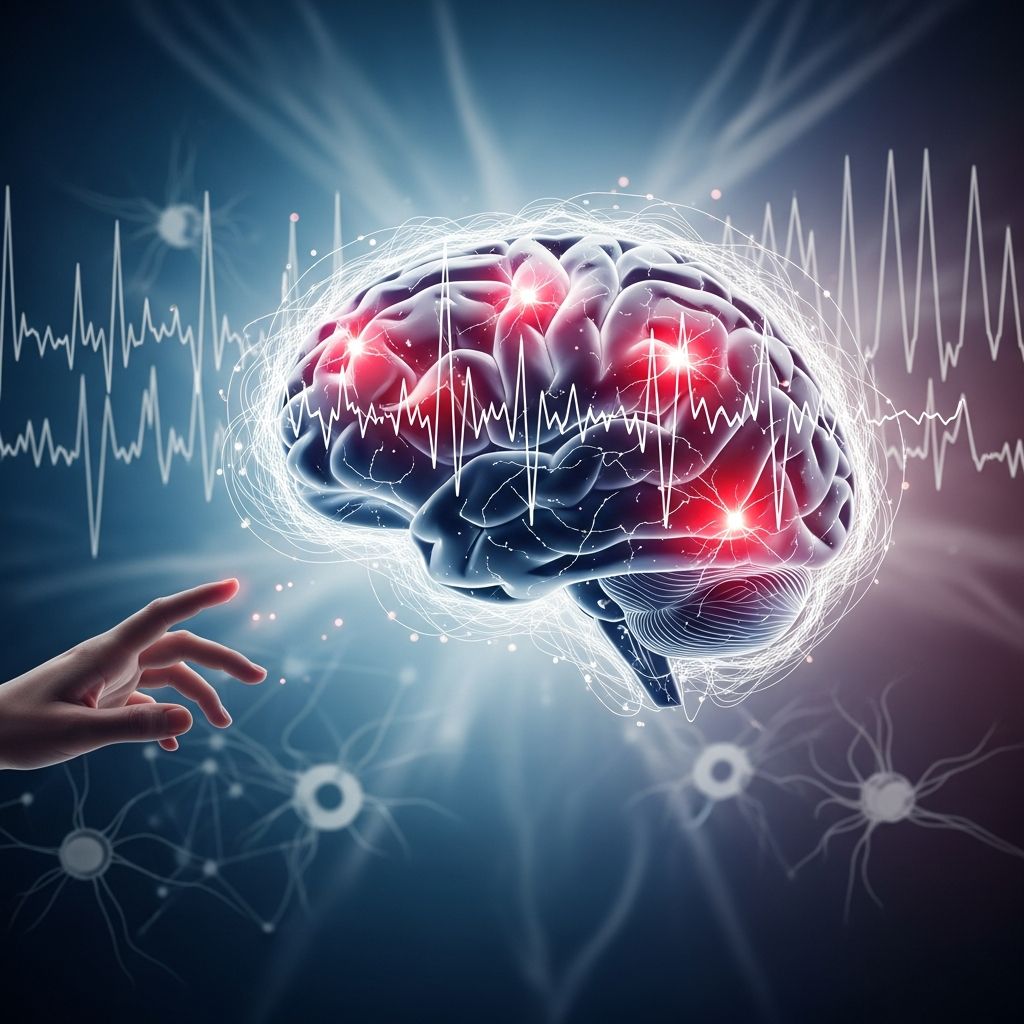
Epilepsy occurs when abnormal electrical signals in the brain trigger recurrent seizures. The human brain operates through electrical signals that allow neurons to communicate with each other and coordinate body functions. In individuals with epilepsy, these electrical signals become disrupted, leading to excessive and hypersynchronous neuronal activity. This abnormal electrical activity can originate in different brain regions and spread throughout the brain, resulting in seizures ranging from brief lapses in awareness to severe convulsions.
A key distinction exists between having a single seizure and having epilepsy. A single seizure may occur due to temporary circumstances such as high fever, infection, or head injury. However, epilepsy is diagnosed when a person experiences recurrent seizures or has a strong predisposition to seizures due to structural or functional brain changes. The condition is typically defined by the occurrence of at least two unprovoked seizures more than 24 hours apart, or one unprovoked seizure with a strong likelihood of future seizures.
Causes and Risk Factors
Epilepsy can develop for numerous reasons, and identifying the underlying cause is essential for determining appropriate treatment. The causes of epilepsy vary significantly and may be structural, genetic, metabolic, immune-related, or idiopathic (of unknown origin).
Structural Causes
Structural abnormalities in the brain represent a significant category of epilepsy causes. Head injuries, particularly traumatic brain injuries with loss of consciousness, substantially increase seizure risk. Brain tumors, whether primary or metastatic, can generate abnormal electrical activity and trigger seizures. Stroke and cerebrovascular disease can damage brain tissue and create areas prone to seizure generation. Birth defects affecting brain development, cortical malformations, and hippocampal sclerosis (scarring of the hippocampus) are also common structural causes. Additionally, infections of the brain such as meningitis or encephalitis can cause lasting damage leading to post-infectious epilepsy.
Genetic and Developmental Factors
Numerous genetic mutations have been identified that predispose individuals to epilepsy. Some genetic forms of epilepsy follow predictable inheritance patterns, while others involve complex interactions between multiple genes and environmental factors. Developmental disorders affecting brain structure and function often include seizures as a component. Family history of epilepsy increases the risk of developing the condition, though having a family member with epilepsy does not guarantee inheritance.
Other Contributing Factors
Metabolic disorders affecting brain chemistry, chronic alcohol use and withdrawal, drug abuse, and certain medications can trigger seizures. Brain inflammation from autoimmune conditions represents an increasingly recognized cause of epilepsy. Advanced age increases seizure risk due to greater prevalence of stroke, dementia, and head injury.
Related Stories



Recognizing Seizure Symptoms
Seizure symptoms vary dramatically depending on the type of seizure, the brain region involved, and individual factors. Recognizing symptoms is crucial for obtaining appropriate medical care and managing the condition effectively.
Generalized Seizures
Generalized seizures involve widespread abnormal electrical activity throughout the brain from the onset. Tonic-clonic seizures (previously called grand mal seizures) involve loss of consciousness, body stiffness, and rhythmic jerking movements. These seizures can last several minutes and often result in confusion, fatigue, and muscle soreness afterward. Absence seizures (petit mal) cause brief episodes of staring and unresponsiveness lasting seconds, often unnoticed by observers. Tonic seizures involve muscle stiffness without jerking, while atonic seizures cause sudden muscle weakness or “drop attacks.” Myoclonic seizures consist of brief, jerking muscle movements.
Focal Seizures
Focal seizures begin in one area of the brain and may remain localized or spread to other regions. Focal aware seizures occur while consciousness remains intact, and symptoms depend on the affected brain area—motor symptoms, sensory changes, emotional experiences, or automatisms (repetitive purposeless movements). Focal impaired awareness seizures involve altered consciousness and may include behavioral changes, lip smacking, or hand movements. Secondary generalization can occur when focal seizures spread to involve the entire brain.
Other Symptoms
Between seizures, individuals with epilepsy may experience depression, anxiety, or cognitive difficulties. Sleep disturbances are common and can increase seizure frequency. Some patients experience auras—warning sensations or feelings that precede seizures, providing a window to seek safety.
Diagnosis and Evaluation
Accurate diagnosis requires comprehensive evaluation combining medical history, physical examination, and specialized testing.
Clinical Assessment
The evaluation begins with a detailed history of seizure episodes, including frequency, duration, triggers, and recovery patterns. A thorough account from someone who witnessed the seizure provides valuable information about seizure characteristics. Medical history, including family history of seizures, prior head injuries, infections, or developmental issues, informs diagnostic reasoning. Medication history helps identify potential seizure triggers or drug interactions.
Neurological Testing
Physical and neurological examinations assess brain function and identify abnormalities. Blood tests exclude metabolic, infectious, or toxic causes of seizures. Electroencephalography (EEG) remains the primary diagnostic tool, recording electrical brain activity and identifying epileptic patterns. Standard EEGs may miss epileptic activity, so prolonged monitoring or ambulatory EEG may be necessary.
Neuroimaging
Magnetic resonance imaging (MRI) provides detailed brain structure visualization and identifies abnormalities such as tumors, scarring, or malformations. Computed tomography (CT) may be used initially in acute situations. Positron emission tomography (PET) and single-photon emission computed tomography (SPECT) identify areas of abnormal brain metabolism or blood flow.
Treatment Approaches
Epilepsy management is highly individualized, focusing on seizure control while minimizing side effects and optimizing quality of life.
Antiseizure Medications
Medications represent the first-line treatment for most individuals with epilepsy. Numerous antiseizure drugs are available, each with different mechanisms of action, efficacy profiles, and side effects. The selection depends on seizure type, comorbid conditions, potential drug interactions, and individual tolerance. Common medications include levetiracetam, lamotrigine, valproic acid, carbamazepine, and others. Approximately 70% of individuals achieve seizure control with medication. However, about 30% develop drug-resistant epilepsy, requiring alternative or additional treatment strategies.
Surgical Treatment Options
For individuals not controlled by medications or those with identifiable focal epilepsy sources, surgical intervention offers potential for seizure freedom.
| Surgical Procedure | Description | Indication |
|---|---|---|
| Resective Surgery | Removal of the brain area where seizures originate | Focal epilepsy with identifiable abnormality |
| Disconnection Surgery | Severing fiber bundles connecting brain regions | Preventing seizure spread across hemispheres |
| Corpus Callosotomy | Cutting the corpus callosum connecting brain hemispheres | Generalized seizures with significant impairment |
| Hemispherectomy | Removing or disconnecting an entire brain hemisphere | Severe hemispheric dysfunction or malformation |
| Stereotactic Radiosurgery | Targeted radiation to destroy abnormal tissue | Deep-seated lesions or inoperable locations |
| Laser Interstitial Thermal Therapy | Laser ablation through minimal incisions | Focal lesions amenable to minimally invasive approach |
Neuromodulation Devices
For patients unable or unwilling to undergo surgery, neuromodulation devices offer alternatives. Vagus nerve stimulation involves implanting a device that sends electrical pulses to the vagus nerve, reducing seizure frequency by 20-50%. Deep brain stimulation targets specific brain areas generating seizures. Responsive neurostimulation systems detect abnormal brain electrical activity and deliver targeted stimulation to prevent seizures. These devices require surgical implantation but offer advantages of being less invasive than resective surgery.
Dietary Interventions
The ketogenic diet, a high-fat, low-carbohydrate, low-protein diet, has demonstrated efficacy in reducing seizure frequency, particularly in children with drug-resistant epilepsy. Modified Atkins diet and medium-chain triglyceride diet represent alternative dietary approaches. The mechanism involves metabolic changes and altered brain chemistry, though precise mechanisms remain incompletely understood. These dietary approaches require medical supervision and nutritional support.
Lifestyle Management
Comprehensive epilepsy management includes addressing lifestyle factors. Adequate sleep is essential, as sleep deprivation triggers seizures in many individuals. Stress management through relaxation techniques, exercise, and counseling helps control seizure frequency. Avoiding known triggers—whether alcohol, certain medications, flashing lights, or menstrual cycle-related factors—reduces seizure risk. Driving restrictions depend on seizure control and local regulations. Regular medication adherence is critical, as inconsistent dosing precipitates breakthrough seizures.
Frequently Asked Questions
Q: Can epilepsy be cured?
A: While epilepsy cannot be permanently cured, seizures can be controlled or eliminated entirely through appropriate treatment in most individuals. Approximately 70% achieve seizure control with medication. Some patients undergoing successful surgery may discontinue medication years later.
Q: Is epilepsy hereditary?
A: Some forms of epilepsy have genetic components, but having a family member with epilepsy does not guarantee inheritance. Risk varies depending on the specific epilepsy type and genetic factors involved.
Q: Can people with epilepsy work and attend school?
A: Most individuals with well-controlled epilepsy work and attend school successfully. Reasonable accommodations may be necessary, and certain occupations with safety-sensitive responsibilities require seizure freedom.
Q: Is it safe to exercise with epilepsy?
A: Physical activity is beneficial for individuals with epilepsy. Appropriate precautions—such as avoiding solitary swimming, using protective equipment, and choosing activities matching seizure control status—enable safe exercise participation.
Q: What should I do if someone experiences a seizure?
A: During a seizure, ensure the person is in a safe location, turn them on their side if possible, cushion their head, and do not restrain them. Time the seizure and remain present until consciousness returns. Seek emergency care if the seizure lasts over 5 minutes, is the first seizure, or occurs repeatedly without recovery.
Q: Can sudden unexpected nocturnal death in epilepsy (SUDEP) be prevented?
A: SUDEP risk is highest in individuals with poorly controlled seizures. Optimal seizure management, medication adherence, supervision during sleep, and using seizure alert devices may reduce risk.
Living with Epilepsy
Epilepsy significantly impacts quality of life beyond seizures. Many individuals experience psychological challenges including anxiety, depression, and reduced self-esteem. Social stigma and misconceptions about epilepsy create additional barriers. Comprehensive management addresses psychological well-being through counseling, support groups, and psychiatric treatment when needed. Family education and support are essential for understanding the condition and providing appropriate assistance.
Employment and educational accommodations under disability laws enable individuals with epilepsy to participate fully in society. Transportation options may require adjustment based on seizure control and driving restrictions. Reproductive concerns, medication effects on pregnancy, and teratogenic potential require specialized counseling before conception.
Prognosis and Outlook
Prognosis depends on epilepsy type, age of onset, seizure control, and underlying causes. Many individuals achieve seizure freedom through medication or surgery, enabling normal lifespans and activities. Early treatment optimizes outcomes, and multidisciplinary care addressing all aspects of the condition improves quality of life. Research continues advancing understanding and developing innovative treatments for drug-resistant epilepsy.
References
- Epilepsy Center Overview — Cleveland Clinic. 2025. https://my.clevelandclinic.org/departments/neurological/depts/epilepsy
- Epilepsy: What It Is, Causes, Symptoms & Treatment — Cleveland Clinic. 2025. https://my.clevelandclinic.org/health/diseases/17636-epilepsy
- Diagnosing and Treating Epilepsy — Cleveland Clinic London. 2025. https://clevelandcliniclondon.uk/clinical-institutes/neurosciences/epilepsy
- Seizure Classification and Epilepsy Diagnosis — International League Against Epilepsy. 2024. https://www.ilae.org/
- Drug-Resistant Epilepsy and Treatment Options — National Institute of Neurological Disorders and Stroke (NINDS), NIH. 2024. https://www.ninds.nih.gov/
- Ketogenic Diet and Epilepsy Management — Epilepsy Foundation. 2024. https://www.epilepsy.com/
Similar Articles








Read full bio of Sneha Tete