Epilepsy Causes: Understanding Risk Factors and Triggers
Discover the various causes, risk factors, and seizure triggers associated with epilepsy.
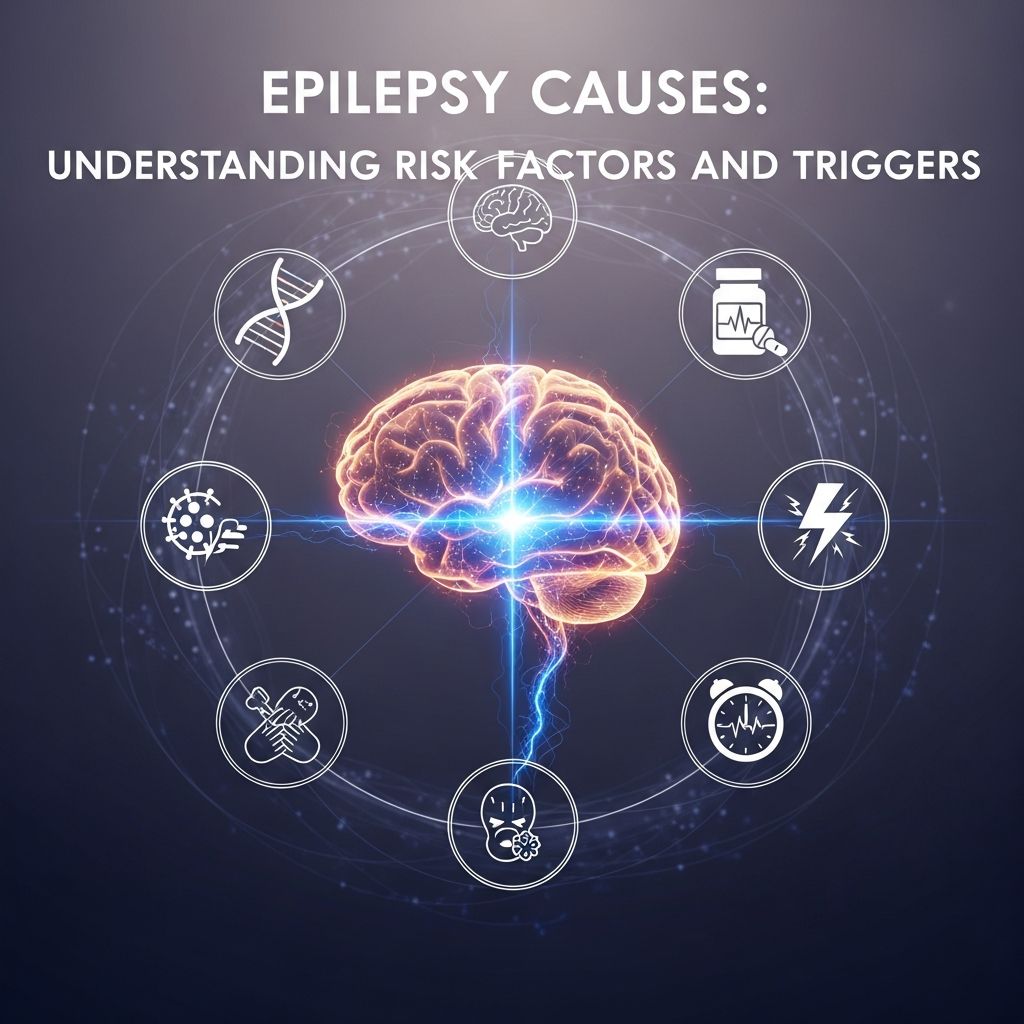
Understanding Epilepsy: Causes, Risk Factors, and Seizure Triggers
Epilepsy is a chronic neurological condition characterized by recurring seizures caused by abnormal electrical activity in the brain. While epilepsy affects millions of people worldwide, the underlying causes vary significantly from person to person. In approximately 50% of cases, the cause remains unknown, making epilepsy a complex condition to understand and manage. This comprehensive guide explores the various causes of epilepsy, identifies key risk factors, and examines common seizure triggers that can influence how this condition manifests in individuals.
What Is Epilepsy?
Epilepsy is a long-term brain disorder that causes repeated seizures due to abnormal electrical signals produced by damaged brain cells. Unlike a single seizure, which can occur in anyone under certain circumstances, epilepsy involves a predisposition to seizures that recur unpredictably or regularly. The electrical impulses that normally travel rhythmically between brain cells become disrupted, creating bursts of uncontrolled electrical energy similar to an unpredictable lightning storm.
Seizures resulting from epilepsy can vary dramatically in presentation and severity. They may range from brief lapses of attention or minor muscle jerks to severe and prolonged convulsions. The frequency of seizures also varies widely, from less than one seizure per year to several per day, depending on the individual and the type of epilepsy they have.
Primary Causes of Epilepsy
The causes of epilepsy are classified into several distinct categories: structural, genetic, infectious, metabolic, immune, and unknown. Understanding these categories helps healthcare providers identify potential treatment approaches and management strategies.
Genetic Factors
Some types of epilepsy have a hereditary component, running in families and suggesting a genetic influence. Researchers have identified links between certain types of epilepsy and specific genes. However, not all genetic epilepsy is inherited; genetic changes can occur spontaneously in a child without being passed down from a parent.
For most individuals, genes represent only part of the cause of epilepsy. Specific genes may increase a person’s sensitivity to environmental conditions that trigger seizures, but genetic predisposition alone does not guarantee that an individual will develop epilepsy. This relationship between genes and environmental factors makes epilepsy’s inheritance pattern complex and variable.
Head Trauma
Head trauma resulting from car accidents, falls, sports injuries, or other traumatic events can cause epilepsy. The severity of the injury and the specific brain regions affected influence whether epilepsy develops. Head trauma accounts for a notable portion of epilepsy cases, particularly in cases of severe injury.
Brain Structural Abnormalities
Various structural problems within the brain can lead to epilepsy development. Brain tumors represent one significant structural cause that can trigger seizures. Additionally, abnormalities in how blood vessels form in the brain contribute to epilepsy in some individuals. Specific vascular conditions warrant particular attention:
- Arteriovenous malformations (AVMs): Abnormal connections between arteries and veins in the brain can cause seizures
- Cavernous malformations: Clusters of abnormal blood vessels in the brain that may trigger seizures
- Stroke: In adults older than 35 years, stroke represents a leading cause of epilepsy, as it can damage brain tissue and disrupt normal electrical activity
Related Stories



Infections
Various infectious diseases can cause epilepsy by damaging brain tissue or triggering inflammatory responses. Common infectious causes include:
- Meningitis and encephalitis
- HIV infection
- Viral infections affecting the central nervous system
- Parasitic infections, particularly neurocysticercosis in tropical regions
In low- and middle-income countries, particularly in tropical areas, central nervous system infections remain common causes of epilepsy. Addressing these infections through prevention and treatment strategies represents an important public health approach to reducing epilepsy incidence globally.
Prenatal and Perinatal Factors
Brain damage occurring before or during birth can result in epilepsy. Factors that may cause prenatal injury include:
- Maternal infections during pregnancy
- Poor maternal nutrition
- Inadequate oxygen supply to the developing fetus
- Trauma during birth
- Low birth weight
- Complications during labor and delivery
These prenatal and perinatal complications can lead to permanent brain damage that manifests as epilepsy later in childhood or adulthood.
Developmental Conditions
Epilepsy frequently co-occurs with certain developmental disorders. People with autism spectrum disorder show higher rates of epilepsy compared to the general population. Research also indicates that individuals with epilepsy experience higher rates of attention-deficit/hyperactivity disorder (ADHD) and other developmental conditions. These associations may relate to shared genetic factors or similar underlying neurological mechanisms.
Risk Factors for Epilepsy
While causes directly lead to epilepsy development, risk factors increase the likelihood that an individual will develop the condition. Understanding these risk factors enables people to take preventive measures where possible.
Age
Epilepsy onset is most common in children and older adults, though the condition can develop at any age. This bimodal age distribution reflects different underlying causes: developmental factors in children and neurological diseases like stroke or dementia in older adults.
Family History
Individuals with a family history of epilepsy face increased risk of developing seizures themselves. This elevated risk reflects the genetic component of some epilepsy types, though inheritance patterns vary widely.
Head Injury Prevention
Since head injuries represent a modifiable risk factor, prevention strategies are crucial. Risk reduction approaches include:
- Wearing seat belts consistently while driving
- Using helmets during bicycling, motorcycling, skiing, and other high-risk activities
- Following safety protocols in sports and recreation
- Avoiding risky behaviors that could result in traumatic brain injury
Stroke and Vascular Disease
Stroke and other blood vessel diseases damage brain tissue and can trigger seizures and epilepsy. Controlling cardiovascular risk factors reduces epilepsy risk:
- Limiting alcohol consumption
- Avoiding tobacco use
- Maintaining a healthy diet
- Exercising regularly
- Managing blood pressure and diabetes
- Preventing obesity
Dementia
Dementia increases epilepsy risk in older adults, likely due to the progressive neurological changes characteristic of dementia disorders.
Brain Infections
Infections such as meningitis, which causes inflammation in the brain or spinal cord, increase epilepsy risk. Vaccination programs against meningitis and other preventable infections help reduce this risk factor.
Childhood Fevers
High fevers in childhood can sometimes cause seizures. However, children who experience fever-triggered seizures generally do not develop epilepsy. The risk of epilepsy increases if a child experiences a prolonged fever-triggered seizure, has another nervous system condition, or has a family history of epilepsy.
Seizure Triggers vs. Causes
An important distinction exists between causes and triggers. While causes directly lead to epilepsy development, seizure triggers are environmental or circumstantial factors that may provoke seizures in people already diagnosed with epilepsy. Triggers do not cause epilepsy itself; rather, they precipitate seizures in susceptible individuals.
Most people with epilepsy do not have reliable triggers that consistently provoke seizures. However, certain factors make seizures more likely to occur. Common seizure triggers include:
- Alcohol consumption: Both acute intoxication and alcohol withdrawal can trigger seizures
- Flashing lights: Photosensitivity affects some individuals, making rapidly flashing lights a seizure trigger
- Illicit drug use: Stimulants and other recreational drugs can lower seizure threshold
- Medication non-adherence: Skipping doses or taking more than prescribed anti-seizure medication significantly increases seizure risk
- Sleep deprivation: Lack of adequate sleep represents a common and potent trigger
- Hormonal changes: Fluctuations in hormones during the menstrual cycle can trigger seizures in some women
- Stress: Emotional or physical stress can precipitate seizures
- Dehydration: Inadequate fluid intake affects brain chemistry and seizure threshold
- Skipped meals: Low blood glucose levels can trigger seizures
- Illness: Infections or other illnesses can lower seizure threshold
Recognizing personal triggers enables individuals with epilepsy to implement avoidance strategies and better manage their condition. Keeping a seizure diary that tracks events preceding seizures helps identify patterns and individual trigger profiles.
Epilepsy in Different Life Stages
Childhood Epilepsy
Some forms of epilepsy occurring in childhood, such as childhood absence epilepsy characterized by recurrent brief lapses in consciousness, can be outgrown. Approximately 60% of children with this condition outgrow the disorder by their teenage years. Other children continue experiencing seizures into adulthood and require lifelong medication management.
Adult-Onset Epilepsy
When epilepsy is diagnosed in older adults, it often results from other neurological issues such as stroke or brain tumors. However, epilepsy can develop in adults of any age following traumatic brain injury, infections, or other neurological events.
Focal vs. Generalized Epilepsy
Focal epilepsy originates from abnormal electrical activity in one specific area of the brain, often resulting from structural abnormalities. Causes of focal seizures include head trauma, stroke, infection, cancer, or genetic disorders. Individuals with focal epilepsy are less likely to outgrow the condition.
Generalized epilepsy affects widespread networks of brain cells on both sides of the brain simultaneously, reflecting different underlying mechanisms than focal epilepsy.
Special Considerations
Sudden Unexpected Nocturnal Death in Epilepsy (SUDEP)
People with epilepsy face a small risk of sudden unexpected death in epilepsy. Although the precise cause remains unknown, research suggests involvement of heart or respiratory conditions. Individuals with frequent tonic-clonic seizures or poorly controlled seizures face higher SUDEP risk. Severe epilepsy that does not respond adequately to treatment increases SUDEP risk most significantly.
Co-occurring Conditions
Epilepsy frequently co-occurs with other neurological and developmental conditions. People with epilepsy show higher rates of ADHD, autism spectrum disorder, and other developmental conditions. These associations may reflect shared genetic factors or common neurological mechanisms underlying multiple conditions.
Frequently Asked Questions
Q: Can epilepsy be prevented?
A: While many epilepsy cases cannot be prevented due to genetic or unknown causes, preventing head injuries through safety measures, managing stroke risk through cardiovascular health, avoiding infections through vaccination, and preventing complications during pregnancy and birth can reduce epilepsy incidence in the population.
Q: Is epilepsy contagious?
A: No, epilepsy is not contagious. Although various underlying disease mechanisms can lead to epilepsy, the condition itself cannot be transmitted from one person to another.
Q: Can children outgrow epilepsy?
A: Some childhood epilepsy forms, particularly childhood absence epilepsy, can be outgrown. Approximately 60% of children with this type outgrow the disorder by their teenage years. However, others continue experiencing seizures into adulthood and require lifelong treatment.
Q: What should I do if I have a family history of epilepsy?
A: If epilepsy runs in your family, discuss this with your healthcare provider. While family history increases risk, it does not guarantee you will develop epilepsy. Your provider can discuss prevention strategies and monitoring approaches appropriate for your situation.
Q: How can I identify my personal seizure triggers?
A: Keep a detailed seizure diary recording the date, time, and circumstances surrounding each seizure, including sleep quality, stress levels, meals, alcohol consumption, and medication adherence. Over time, patterns may emerge revealing your personal triggers, which you can then work to avoid.
Q: Is medication the only treatment for epilepsy?
A: Anti-seizure medication represents the primary treatment for most people with epilepsy. However, some individuals benefit from surgery if seizures originate from a specific brain area that can be safely removed. Lifestyle modifications, trigger avoidance, and stress management also play important roles in seizure control.
References
- Epilepsy – Symptoms and Causes — Mayo Clinic. 2025-10-14. https://www.mayoclinic.org/diseases-conditions/epilepsy/symptoms-causes/syc-20350093
- Epilepsy — World Health Organization (WHO). https://www.who.int/news-room/fact-sheets/detail/epilepsy
- Epilepsy: What It Is, Causes, Symptoms & Treatment — Cleveland Clinic. https://my.clevelandclinic.org/health/diseases/17636-epilepsy
- Epilepsy: It’s Not the Same, Get Right Expert Treatment — Ohio State University. https://health.osu.edu/health/brain-and-spine/epilepsy-and-seizures
Similar Articles








Read full bio of medha deb