How Epilepsy Is Diagnosed: Tests and Medical Evaluation
Understanding epilepsy diagnosis: Key tests, evaluations, and what to expect.
Understanding Epilepsy Diagnosis: A Comprehensive Guide
Epilepsy is a chronic neurological disorder affecting approximately 50 million people worldwide, characterized by recurrent seizures that result from excessive electrical discharges in brain cells. Diagnosing epilepsy requires a systematic approach combining patient history, physical examination, and specialized diagnostic tests. Unlike a single seizure occurrence—which up to 10% of people experience during their lifetime—epilepsy is defined as having two or more unprovoked seizures. Understanding the diagnostic process helps patients and their families prepare for evaluation and recognize the importance of accurate identification for effective treatment.
The Initial Evaluation Process
The diagnosis of epilepsy begins with a thorough clinical evaluation by a healthcare professional. During this initial assessment, your doctor will review your complete medical history, including detailed descriptions of seizure episodes, family history of neurological conditions, and any previous head injuries or infections. This foundation is critical because it helps narrow the differential diagnosis and guides which tests are most appropriate for your specific situation.
Your healthcare provider will ask detailed questions about your seizures, such as when they began, how frequently they occur, what symptoms you experience before and after seizures, and whether you lose consciousness during episodes. They will also inquire about any triggers, such as sleep deprivation, stress, hormonal changes, or flashing lights. This information helps determine the type of seizure you are experiencing and whether secondary causes are involved.
Neurological Examination
A comprehensive neurological exam is a fundamental component of epilepsy diagnosis. This examination tests multiple neurological functions to assess your overall brain health and identify any focal abnormalities. The exam includes:
- Assessment of behavior and mental function, including memory and concentration
- Evaluation of movement coordination and muscle strength
- Sensory testing to check vision, hearing, and tactile sensation
- Reflex testing to identify abnormal neurological responses
- Assessment of speech and language capabilities
Results from the neurological exam help healthcare providers determine which type of epilepsy you may have and guide the selection of additional diagnostic tests. Abnormalities in specific areas can indicate where seizure activity originates in the brain.
Blood Tests and Genetic Screening
Blood tests serve multiple purposes in the epilepsy diagnostic workup. A comprehensive blood sample can detect signs of infections, metabolic disorders, or genetic conditions that may be linked with seizures. These tests help identify secondary causes of seizures, such as blood glucose abnormalities, kidney dysfunction, or electrolyte imbalances, that might require specific treatment approaches.
Genetic testing may be particularly valuable, especially in children and some adults with epilepsy, as it can provide important information about the condition and guide treatment decisions. Certain genetic syndromes are associated with specific seizure types, and identifying these conditions early allows for more personalized treatment strategies and helps predict prognosis and recurrence risk.
Electroencephalography (EEG): The Gold Standard Test
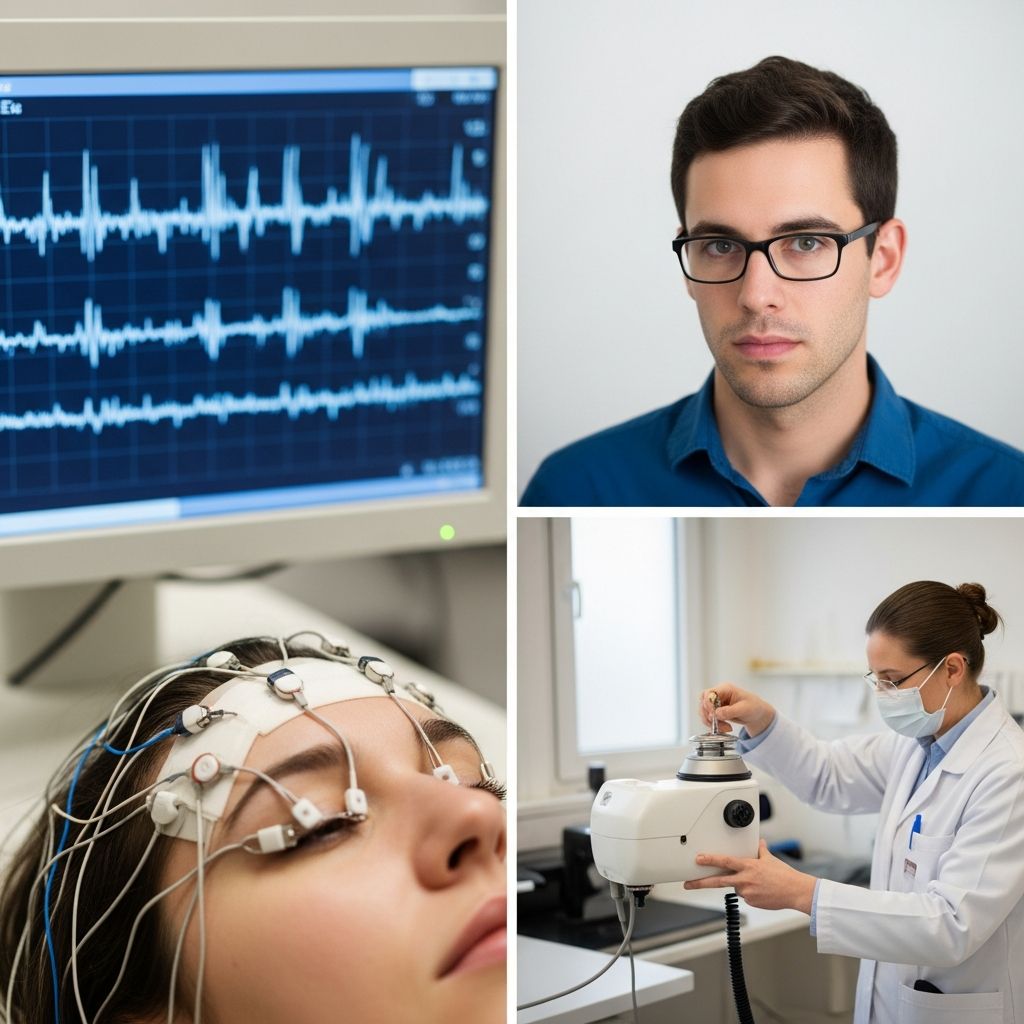
The electroencephalogram (EEG) is the most common and essential test for diagnosing epilepsy. During an EEG, small metal discs called electrodes are attached to your scalp using an adhesive or a cap. These electrodes record the electrical activity of your brain and display it as a series of wavy lines that can be analyzed by neurologists. EEG results show changes in brain activity patterns that help diagnose epilepsy and other seizure conditions.
Related Stories



In patients with epilepsy, characteristic changes in brain wave patterns typically appear even when the person is not actively experiencing a seizure. These interictal abnormalities are highly useful for confirming an epilepsy diagnosis. Healthcare providers may monitor you with video during an EEG to detect and record actual seizures, which can occur while you are awake or asleep. Recording seizures during the test provides invaluable information about seizure type and origin.
EEG testing can be performed in various settings. A standard EEG in an office or hospital typically lasts 20 to 60 minutes. For more extended monitoring, an ambulatory EEG allows you to record brain activity over several days at home using portable equipment, increasing the likelihood of capturing seizure activity. Some patients may receive specific instructions before the test to increase seizure likelihood, such as getting minimal sleep prior to testing.
High-Density EEG represents an advanced variation where electrodes are placed much closer together compared with conventional EEG. This enhanced spatial resolution may help more precisely determine which specific brain areas are affected by seizures, particularly useful for surgical planning in drug-resistant epilepsy cases.
Brain Imaging Studies
Brain imaging plays a crucial role in identifying structural abnormalities that may cause seizures. Multiple imaging modalities provide different information and are selected based on clinical presentation and available resources.
Magnetic Resonance Imaging (MRI)
Magnetic resonance imaging uses powerful magnets and radio waves to create highly detailed images of brain structure. MRI is superior to other imaging modalities for detecting structural causes of seizures, including brain tumors, areas of cortical malformation, scarring (mesial temporal sclerosis), vascular abnormalities, and other lesions. The exceptional resolution of MRI makes it particularly valuable for identifying subtle abnormalities that might not appear on other imaging studies. For patients with focal seizures or those being considered for epilepsy surgery, MRI is often the imaging study of choice.
Computerized Tomography (CT) Scan
Computerized tomography uses X-rays to obtain cross-sectional images of the brain. CT scans can effectively detect tumors, bleeding, cysts, or evidence of previous stroke that might be causing epilepsy. While CT scans expose patients to radiation and provide less detailed images than MRI, they are more readily available in emergency settings and are faster to perform, making them valuable for acute situations where seizures represent a medical emergency.
Functional MRI (fMRI)
Functional MRI measures changes in blood flow that occur when specific brain regions are actively working. This test is particularly valuable before epilepsy surgery because it helps surgeons identify the exact locations of critical brain functions, such as speech and motor control areas. By mapping these essential regions, surgeons can plan surgical approaches that avoid damaging vital functions while removing seizure-generating tissue.
Advanced Metabolic and Functional Studies
When standard tests do not identify the seizure source, advanced metabolic imaging may be employed to detect areas of abnormal brain activity.
Positron Emission Tomography (PET) scans use a small amount of low-dose radioactive material injected into a vein to help visualize the metabolic activity of the brain. Areas of the brain with low metabolism may indicate locations where seizures originate, as these regions often show reduced metabolic activity between seizure episodes.
Statistical Parametric Mapping (SPM) examines areas of the brain with increased blood flow during seizures and compares them to the same areas in people who do not have seizures. This comparison provides information about where seizure activity begins and helps localize the seizure focus.
Electrical Source Imaging (ESI) is a sophisticated technique that takes EEG data and projects it onto an MRI of the brain to show areas where seizures are occurring. This technique provides more precise detail than EEG alone and helps correlate electrical abnormalities with structural brain anatomy.
Neuropsychological Testing
Neuropsychological tests assess cognitive functions including thinking, memory, language, and attention skills. These tests help determine which brain areas are affected by seizures and are particularly valuable for patients being evaluated for epilepsy surgery. The results provide information about cognitive strengths and weaknesses, help predict post-surgical outcomes, and assist in rehabilitation planning.
Identifying Seizure Causes
Epilepsy diagnosis encompasses not only confirming the presence of recurrent seizures but also identifying underlying causes when possible. The World Health Organization recognizes six major categories of seizure causes: structural, genetic, infectious, metabolic, immune, and unknown. Known causes include:
- Brain damage from birth-related complications, including oxygen deprivation or trauma
- Congenital brain malformations or genetic conditions
- Severe head injuries from trauma
- Stroke or interrupted blood flow to the brain
- Brain infections such as meningitis, encephalitis, or neurocysticercosis
- Brain tumors
- Genetic syndromes associated with seizures
Importantly, despite thorough investigation, the underlying cause remains unknown in approximately 50% of epilepsy cases globally. This does not affect treatment effectiveness, as seizures can often be controlled regardless of whether an identified cause exists.
Timeline and Expectations for Diagnosis
The diagnostic process typically occurs over several weeks to months, depending on the complexity of your case and the availability of testing facilities. Initial evaluation and EEG testing may be scheduled within days to weeks of the first appointment. If initial tests are inconclusive, additional studies such as MRI or ambulatory EEG may be arranged. Some specialized tests require specific facilities and may involve waiting periods. Your healthcare team will prioritize testing based on the urgency of your clinical situation and the likelihood that different tests will provide diagnostic information.
Treatment After Diagnosis
Once epilepsy is confirmed through diagnostic testing, treatment can begin. Up to 70% of people with epilepsy could become seizure-free with appropriate use of antiseizure medications. For patients whose seizures do not respond adequately to medication, other options including surgery, neurostimulation devices, or specialized diets may be considered. The specific treatment approach is individualized based on seizure type, underlying cause, patient age, and other medical conditions.
Frequently Asked Questions About Epilepsy Diagnosis
Q: Does one seizure mean I have epilepsy?
A: No. A single seizure does not indicate epilepsy. Epilepsy is defined as having two or more unprovoked seizures. Up to 10% of people worldwide experience a single seizure during their lifetime without developing epilepsy. However, you should still seek medical evaluation after any seizure to determine the cause.
Q: Is an EEG painful or dangerous?
A: No. EEG is a safe, non-invasive test. The electrodes are only sensors that record your brain’s electrical activity; they do not deliver electrical current. You may feel mild discomfort from the adhesive when electrodes are removed, but the test itself is painless.
Q: What should I do to prepare for EEG testing?
A: Follow your neurologist’s specific instructions, which may include getting minimal sleep before the test to increase seizure likelihood. Continue taking your medications as prescribed unless directed otherwise. Wash your hair the night before but avoid using conditioner or hair products that may interfere with electrode placement.
Q: How long does the diagnostic process take?
A: The timeline varies depending on your specific case and test availability. Initial evaluation and standard EEG may occur within weeks, while more specialized testing may take additional time. Your healthcare team will prioritize testing and keep you informed of the timeline.
Q: Can epilepsy be cured?
A: While epilepsy cannot be cured, it can be effectively managed. Up to 70% of people become seizure-free with appropriate antiseizure medications. For others, multiple treatment options including surgery and devices can significantly reduce seizure frequency and improve quality of life.
Q: Will I need repeat diagnostic testing?
A: This depends on your situation. Routine EEGs may be repeated periodically to monitor treatment response. If seizures change in nature or frequency, additional testing may be needed. Your neurologist will recommend the appropriate testing schedule based on your individual needs.
References
- Epilepsy Fact Sheet — World Health Organization (WHO). 2023-07-13. https://www.who.int/news-room/fact-sheets/detail/epilepsy
- Epilepsy – Diagnosis and Treatment — Mayo Clinic. 2024. https://www.mayoclinic.org/diseases-conditions/epilepsy/diagnosis-treatment/drc-20350098
Similar Articles








Read full bio of medha deb