Epilepsy Symptoms: Key Signs And When To See A Doctor
Recognizing the signs of epilepsy: From seizures to emotional impacts and when to seek help for better management.
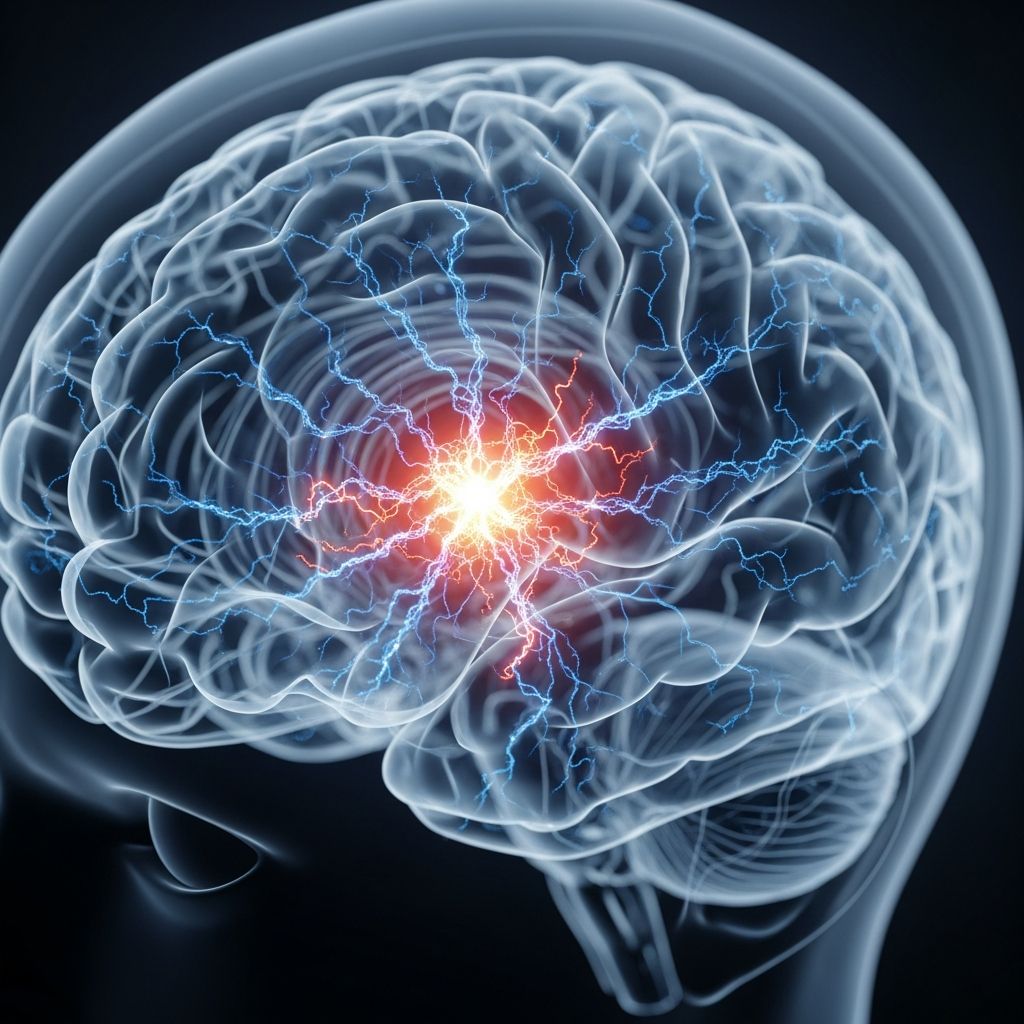
Epilepsy is a chronic neurological disorder characterized by recurrent, unprovoked seizures caused by abnormal electrical activity in the brain. These seizures can vary widely in presentation, affecting consciousness, movements, sensations, and emotions. Recognizing symptoms early is crucial for diagnosis and management, as they impact millions worldwide.
What Are the Symptoms of Epilepsy?
Seizure symptoms in epilepsy depend on the type and brain region involved, as seizures disrupt normal brain processes. Common signs include temporary confusion, staring spells, uncontrollable jerking movements, loss of consciousness, and psychological experiences like fear, anxiety, or déjà vu. Involuntary jerking of limbs, altered awareness leading to unresponsiveness, repetitive behaviors such as hand rubbing, chewing, or walking in circles may also occur. These overlap with conditions like migraines, heart issues, or psychiatric disorders, necessitating medical evaluation for accurate diagnosis.
Individuals with epilepsy often experience consistent seizure types, though some have multiple varieties. Memory issues are common, particularly with certain epilepsy forms, alongside heightened risks of mental health challenges due to the condition and medications.
Types of Seizures
Seizures are classified into focal (starting in one brain area) and generalized (involving both brain sides from onset). Understanding these distinctions guides treatment.
Focal Seizures
Focal seizures, once termed partial seizures, originate in a specific brain region. They are divided based on consciousness impact.
- Focal seizures with preserved consciousness (simple partial): Awareness remains intact. Symptoms may include emotional changes, altered perceptions of smell, taste, sound, or touch, déjà vu, or jerking in one body part like an arm or leg. Sensory effects such as tingling, dizziness, or visual flashes can occur.
- Focal seizures with impaired consciousness (complex partial): Awareness is altered, leading to staring, unresponsiveness, or automatisms like lip smacking, swallowing, or fumbling.
- Temporal lobe seizures: Originating in emotion- and memory-processing temporal lobes, these often feature auras—warning sensations like sudden fear, joy, odd tastes/smells, stomach rising, or déjà vu. Seizure activity may cause staring, repetitive oral movements, or finger gestures.
Generalized Seizures
Generalized seizures engage the entire brain, manifesting diversely:
- Absence seizures: Brief staring episodes with blinking or lip smacking, often mistaken for daydreaming.
- Tonic seizures: Muscle stiffening in back, arms, legs, potentially causing falls and consciousness loss.
- Atonic seizures (drop seizures): Sudden muscle tone loss, especially legs, leading to collapses.
- Clonic seizures: Rhythmic jerking, typically neck, face, arms.
- Myoclonic seizures: Quick jerks or twitches in arms, legs, upper body.
- Tonic-clonic seizures (grand mal): Dramatic sequence of stiffening (tonic), then shaking (clonic), with possible bladder control loss, tongue biting, consciousness loss.
Warning Signs Before a Seizure (Aura)
An aura serves as a focal seizure warning, perceived as a sensory, emotional, or autonomic signal. Common auras include unusual smells/tastes, visual flashes, tingling, déjà vu, fear, nausea, or rising stomach sensations. Recognizing auras allows safety measures like sitting or alerting others.
Related Stories



Other Symptoms of Epilepsy
Beyond seizures, epilepsy links to cognitive and emotional issues:
- Memory loss: Frequent in temporal lobe epilepsy, affecting short-term recall.
- Emotional health issues: Elevated depression, anxiety, and suicide risks, stemming from epilepsy, medications, or lifestyle impacts—even in controlled cases.
Epilepsy Symptoms in Children vs. Adults
| Aspect | Children | Adults |
|---|---|---|
| Common Types | Absence, myoclonic, tonic-clonic; febrile seizures precursors | Focal aware/impaired, temporal lobe, tonic-clonic |
| Presentations | Staring spells, drop attacks; harder to diagnose | Auras prominent; memory/emotional effects |
| Risks | Developmental delays, injury from falls | Driving limits, employment challenges, mental health |
Children may show subtle signs like behavioral changes, while adults report detailed auras. Both groups benefit from prompt intervention.
Complications of Epilepsy
Untreated or poorly managed epilepsy leads to:
- Status epilepticus: Prolonged seizures risking brain damage, requiring emergency care.
- Sudden Unexpected Death in Epilepsy (SUDEP): Rare but serious, linked to seizure-related breathing/heart issues.
- Injuries: Falls, burns, drowning from impaired awareness.
- Life impacts: Driving bans, job limitations, stigma.
- Medication side effects: Drowsiness, cognitive fog.
When to See a Doctor
Seek immediate care for first seizures, witnessed seizures, injury/post-seizure confusion, pregnancy, or fever-related seizures. Diagnosis involves EEG, MRI, blood tests to rule out mimics like strokes or infections.
How Is Epilepsy Diagnosed?
Diagnosis confirms recurrent unprovoked seizures via:
- Medical history and witness accounts.
- EEG: Detects abnormal brain waves.
- Imaging: MRI/CT for structural causes.
- Video-EEG: Monitors behavior and electrical activity.
- Blood/urine tests for metabolic triggers.
How Is Epilepsy Treated?
Treatment aims for seizure freedom:
- Medications (ASMs): 70% achieve control; options like levetiracetam, valproate tailored to type.
- Surgery: Removes seizure focus if medication-resistant.
- Devices: Vagus nerve stimulation (VNS), responsive neurostimulation (RNS).
- Diet: Ketogenic for children.
- Lifestyle: Sleep, stress management, avoiding triggers.
Frequently Asked Questions (FAQs)
What does an epilepsy seizure feel like?
Sensations vary: auras like odd smells or fear precede some; others involve jerking, confusion, or blank staring without recall.
Can epilepsy cause memory problems?
Yes, especially temporal lobe types disrupt memory; medications and frequent seizures compound this.
Are all staring spells epilepsy?
No, absence seizures cause brief lapses, but daydreaming or other issues mimic; EEG differentiates.
Does epilepsy shorten life expectancy?
Generally no with control, but SUDEP risk exists (1/1000 annually in refractory cases).
Can stress trigger seizures?
Yes, alongside sleep deprivation, alcohol, flashing lights as common triggers.
This comprehensive overview equips individuals to identify epilepsy symptoms, pursue timely care, and explore management strategies for improved quality of life.
References
- Epilepsy – Symptoms and causes — Mayo Clinic. 2023-11-05. https://www.mayoclinic.org/diseases-conditions/epilepsy/symptoms-causes/syc-20350093
- Epilepsy Data Briefs — Centers for Disease Control and Prevention (CDC). 2024-08-15. https://www.cdc.gov/epilepsy/data/index.html
- Epilepsy and Seizures — National Institute of Neurological Disorders and Stroke (NINDS). 2025-01-10. https://www.ninds.nih.gov/health-information/disorders/epilepsy-and-seizures
- Seizure Types and Epilepsy Syndromes — Epilepsy Foundation. 2024-06-20. https://www.epilepsy.com/what-is-epilepsy/seizure-types
- Guidelines for Epilepsies Diagnosis — American Academy of Neurology (AAN). 2023-12-01. https://www.aan.com/Guidelines/Home/GuidelineDetail/1197
Similar Articles








Read full bio of Sneha Tete