Epilepsy Treatment Options: 7 Ways To Control Seizures
Comprehensive guide to epilepsy treatments: medications, surgery, diets, devices, and emerging therapies for better seizure control.

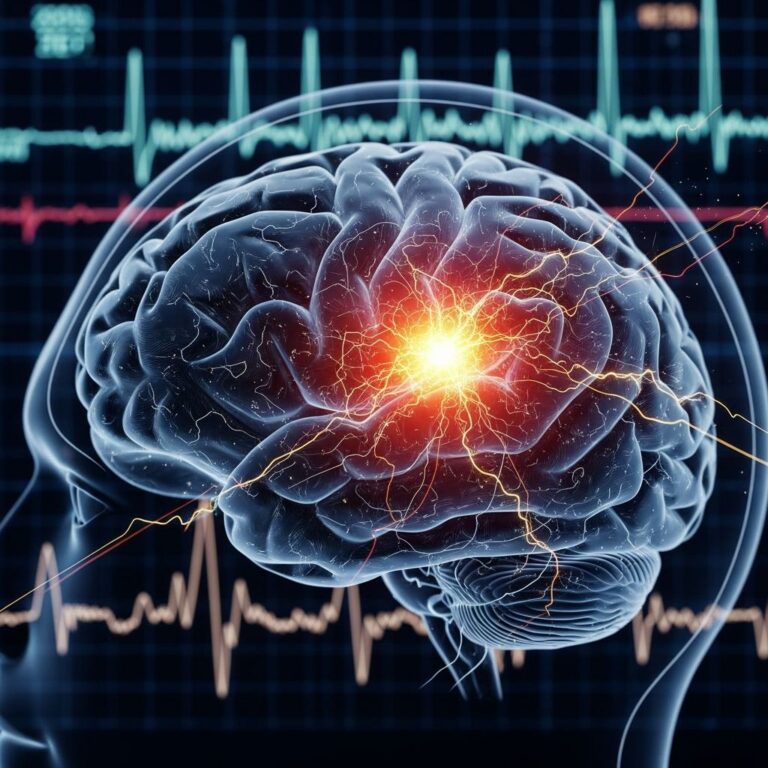
Epilepsy affects approximately 1 in 26 people in the U.S. over their lifetime, characterized by recurrent, unprovoked seizures due to abnormal electrical activity in the brain. While there is no cure, treatments can control seizures in up to 70% of cases, enabling many individuals to lead normal lives. Effective management begins with accurate diagnosis through medical history, EEG, MRI, and witness accounts of seizures, followed by personalized treatment plans that may include medications, diets, surgery, or devices.
What Is Epilepsy?
Epilepsy is a neurological disorder marked by unpredictable seizures, which are sudden surges of electrical activity in the brain. Seizures vary from brief lapses in awareness to convulsions and can stem from genetic factors, brain injury, infections, or unknown causes. About 70% of people achieve seizure freedom with proper treatment, but 30% develop drug-resistant epilepsy requiring advanced interventions.
Common symptoms include staring spells, jerking movements, loss of consciousness, or confusion. Diagnosis involves ruling out other conditions like fainting or migraines via tests such as electroencephalogram (EEG) to detect abnormal brain waves, magnetic resonance imaging (MRI) for structural issues, and blood tests. Early diagnosis at primary care or epilepsy centers improves outcomes, as WHO initiatives show training providers reduces treatment gaps.
Anti-Seizure Medications (ASMs)
The cornerstone of epilepsy treatment, anti-seizure medications (ASMs, formerly anti-epileptic drugs) control seizures in 60-70% of patients. Over 20 FDA-approved options exist, selected based on seizure type, age, side effects, and comorbidities. Treatment is individualized; providers may adjust doses, try monotherapies, or combine drugs.
Monotherapy is preferred initially, with add-on therapy for refractory cases. Blood levels guide dosing, varying by lab and patient factors like seizure frequency. Common ASMs include:
- Carbamazepine (Tegretol): Effective for focal seizures; common side effects include dizziness and nausea.
- Valproate (Depakote): Broad-spectrum for generalized and focal seizures; monitor for liver issues.
- Levetiracetam (Keppra): Minimal drug interactions; suitable for many seizure types.
- Lamotrigine (Lamictal): Good for absence and focal seizures; titrate slowly to avoid rash.
- Rufinamide (Banzel): Add-on for Lennox-Gastaut syndrome in ages 4+; targets drop and tonic seizures.
Discontinuation may be considered after 2 seizure-free years, weighing EEG, MRI, and recurrence risks. Lifestyle adherence—sleep, diet, avoiding triggers—enhances efficacy.
Epilepsy Surgery
For drug-resistant epilepsy (failing ≥2 ASMs), surgery offers seizure freedom in select candidates. Evaluation at accredited epilepsy centers is essential, involving video-EEG, PET scans, and neuropsychological testing. Surgery is safe and effective when medications fail.
| Surgery Type | Description | Indications | Success Rate |
|---|---|---|---|
| Surgical Resection | Removes seizure-causing brain tissue (e.g., temporal lobectomy) | Focal epilepsy with identifiable focus | 60-80% seizure-free |
| Disconnection | Cuts fiber bundles connecting seizure areas | Multifocal or hemispheric epilepsy | Varies; reduces seizure spread |
| Stereotactic Radiosurgery | Non-invasive radiation destroys abnormal tissue | Deep or hard-to-reach lesions | 50-70% improvement |
| Neuromodulation Devices | Implants stimulate brain to reduce seizures | Non-resectable foci | 50%+ reduction |
Centers emphasize patient-centered care, co-management with primary providers, and community links. The Epilepsy Care Network supports research and telemedicine for rural access.
Related Stories



Neuromodulation Devices
For non-surgical candidates, devices deliver electrical impulses to interrupt seizures:
- Vagus Nerve Stimulation (VNS): Implanted device stimulates vagus nerve; reduces seizures by 50%+ over time, fewer hospitalizations.
- Responsive Neurostimulation (RNS): Detects and responds to abnormal activity; ideal for focal epilepsy.
- Deep Brain Stimulation (DBS)**: Electrodes in thalamus modulate networks; FDA-approved for adults.
These are adjunctive to ASMs, with effects building over months. Complications are low, but require monitoring.
Dietary Therapies
Special diets, often with ASMs, benefit children and medication-resistant adults:
- Ketogenic Diet: High-fat, low-carb induces ketosis; 50% see >50% seizure reduction.
- Modified Atkins Diet: Less restrictive; effective for adolescents/adults.
- Low Glycemic Index Treatment: Stabilizes blood sugar to prevent seizures.
Supervised by dietitians; monitor for side effects like kidney stones. Success in 30-50% of refractory cases.
Lifestyle and Self-Management
Non-pharmacologic strategies optimize treatment:
- Adequate sleep (7-9 hours)
- Healthy diet, limit alcohol/caffeine
- Exercise regularly but safely
- Identify/avoid triggers (stress, flashing lights)
- Seizure action plans and medical IDs
Education improves self-management; IOM recommends clinician training and awareness campaigns.
When to See a Specialist
Seek epileptologist if seizures persist after 2 ASMs, frequent/debilitating, or comorbidities present. Epilepsy centers offer Level 3/4 care for complex cases, including surgery eval. Telemedicine expands access.
Emerging Treatments and Research
Gene therapies, new ASMs, and AI-driven seizure prediction are in trials. Prevention targets TBI, infections; reducing SUDEP via awareness. IOM urges surveillance, accredited centers, and stigma reduction.
Frequently Asked Questions (FAQs)
What percentage of people with epilepsy become seizure-free?
Up to 70% with appropriate ASMs; surgery/devices help many others.
Can epilepsy be cured?
No cure, but 70% achieve long-term control; some outgrow with treatment.
Is surgery safe for epilepsy?
Yes, when evaluated at centers; high success for focal types.
Do diets really work for epilepsy?
Yes, ketogenic etc., reduce seizures in 30-50% of refractory patients, especially kids.
When can I stop medications?
After 2+ seizure-free years, per provider, considering EEG/MRI.
References
- Epilepsy: What It Is, Causes, Symptoms & Treatment — Cleveland Clinic. 2023. https://my.clevelandclinic.org/health/diseases/17636-epilepsy
- Epilepsy Fact Sheet — World Health Organization. 2023-11-09. https://www.who.int/news-room/fact-sheets/detail/epilepsy
- A Summary of the Institute of Medicine Report: Epilepsy Across the Spectrum — National Center for Biotechnology Information (PMC). 2012. https://pmc.ncbi.nlm.nih.gov/articles/PMC3548323/
- Summary of Anti-Seizure Medications — Epilepsy Foundation. 2023. https://www.epilepsy.com/stories/summary-anti-seizure-medications
Similar Articles








Read full bio of Sneha Tete