Episcleritis: Causes, Symptoms, Diagnosis & Treatment
Complete guide to episcleritis: understanding eye inflammation, symptoms, and effective treatment options.
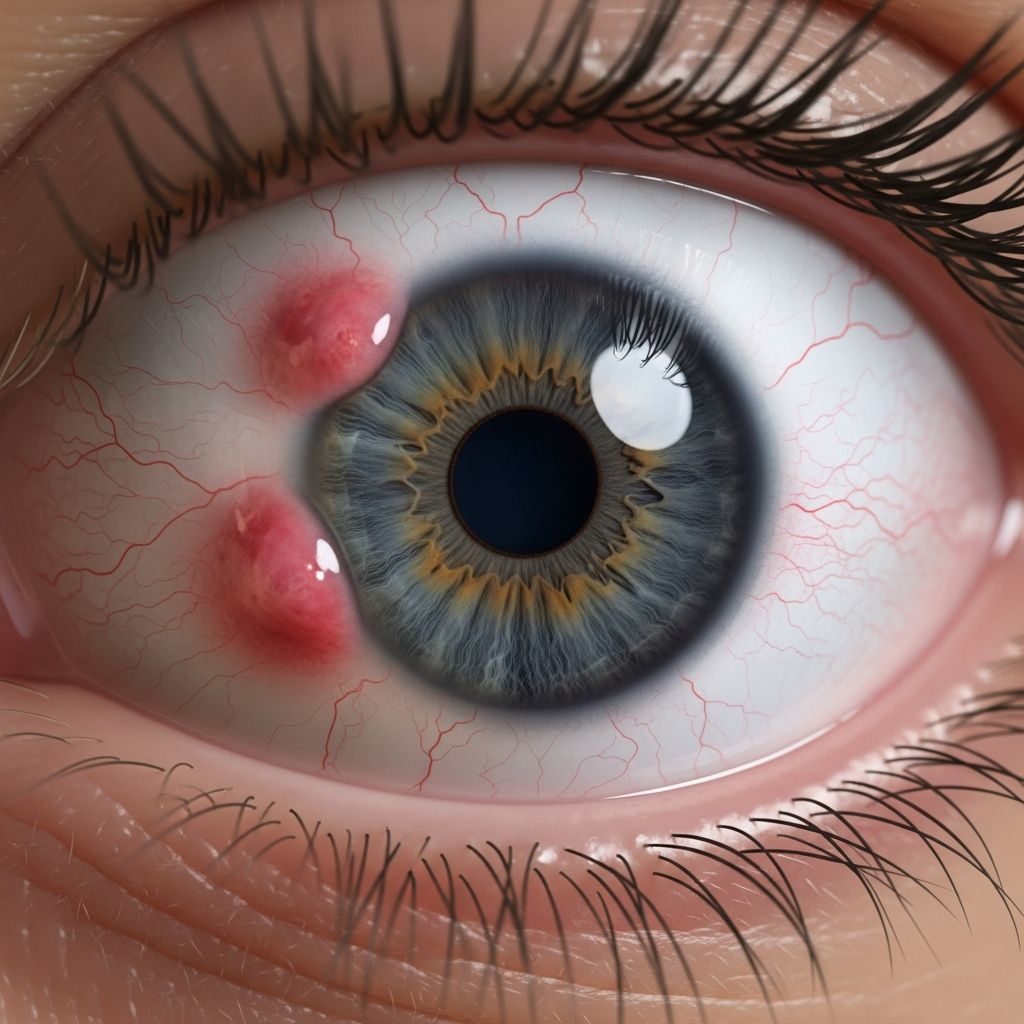
Understanding Episcleritis: A Complete Guide
Episcleritis is an acute inflammation of the episclera, the thin, delicate layer of tissue that sits between the conjunctiva and the sclera of the eye. This condition affects the clear membrane covering the white part of your eye and can present in one or both eyes. The episclera is composed of loose connective tissue with a vascular supply derived from the anterior ciliary arteries, which branch from the ophthalmic artery. Understanding this condition is essential for recognizing symptoms early and seeking appropriate treatment.
What is Episcleritis?
Episcleritis represents a non-granulomatous inflammation of the episcleral vascular network. This means the inflammation involves the small blood vessels in the episclera without the formation of granulomas, which are collections of inflammatory cells. The condition typically causes redness and mild discomfort but generally does not affect vision. Most cases of episcleritis are mild and self-limiting, resolving within 2 to 21 days without intervention.
Types of Episcleritis
Episcleritis can present in three distinct patterns, each with different appearances and characteristics:
- Diffuse episcleritis: Redness spreads across a larger area of the eye, creating a more generalized appearance
- Sectoral episcleritis: Redness appears localized to one specific section or quadrant of the eye
- Nodular episcleritis: Slightly raised bumps surrounded by dilated blood vessels appear on the episclera, usually in one concentrated area
Simple episcleritis, the most common type, is characterized by sectoral or diffuse redness with minimal discomfort. Nodular episcleritis, while less common, may cause additional discomfort due to the raised nodular appearance.
Causes and Risk Factors
While most cases of episcleritis are idiopathic, meaning they occur without a clear identifiable cause, this condition can be associated with various systemic and infectious diseases. Understanding potential underlying causes is important for comprehensive patient evaluation and appropriate management.
Systemic Collagen Vascular and Autoimmune Diseases
Episcleritis may be linked to several autoimmune and collagen vascular conditions, including:
- Rheumatoid arthritis
- Systemic lupus erythematosus (SLE)
- Psoriatic arthritis
- Ankylosing spondylitis
- Reactive arthritis
- Crohn disease and ulcerative colitis
- Relapsing polychondritis
Vasculitic Conditions
In rare instances, episcleritis may result from systemic vasculitis, including granulomatosis with polyangiitis, Cogan syndrome, and polyarteritis nodosa. These conditions require prompt identification and treatment to prevent serious complications.
Infectious Associations
Certain infections have been associated with episcleritis manifestation, including Lyme disease, tuberculosis, syphilis, and herpes zoster. When systemic infection is suspected, appropriate diagnostic testing and treatment are necessary.
Symptoms and Clinical Presentation
The symptoms of episcleritis typically develop acutely and may vary in severity. Most patients experience mild symptoms that do not significantly impact daily functioning.
Common Symptoms
- Eye redness: Often the most prominent and sometimes only symptom, typically affecting one eye but occasionally both
- Mild ocular discomfort or pain: Described as soreness or a gritty sensation in the eye
- Swelling: Mild to moderate swelling of the episcleral tissue
- Light sensitivity: Mild photophobia may occur in some cases
Related Stories



Notably Absent Symptoms
Several symptoms are notably rare or absent in episcleritis, which helps distinguish it from more serious conditions. Patients rarely experience significant discharge, photophobia, or any reduction in visual acuity. Normal vision is typically maintained throughout the course of the condition, which is a reassuring feature for patients.
Diagnosis and Evaluation
Diagnosing episcleritis requires a thorough eye examination and careful assessment to differentiate it from similar conditions, particularly scleritis.
Clinical Examination
Your eye care professional will begin with a comprehensive eye examination. The doctor will assess the color and appearance of the eye, noting that episcleritis typically presents with a reddish appearance, while scleritis may show a bluish-purple discoloration. The examination involves careful observation of the affected area and assessment of symptoms.
Slit Lamp Examination
A slit lamp examination is a standard diagnostic tool that provides a detailed, three-dimensional view of the front of the eye. This specialized microscope allows the physician to examine the episcleral vessels and inflammation pattern in detail. The doctor may apply topical eye drops to enhance visualization of any abnormalities before performing the slit lamp exam.
Phenylephrine Test
To differentiate episcleritis from scleritis, clinicians may use a diagnostic test involving 2.5% phenylephrine eye drops. One drop is instilled in the affected eye, and the vasculature is evaluated after 10 to 15 minutes. This test helps determine the depth of the congested vessels, as superficial episcleral vessels respond differently to this medication compared to deeper scleral vessels.
Systemic Evaluation
When a systemic condition is suspected based on the patient’s history or review of symptoms, additional laboratory and radiographic testing should be completed. This may include blood tests, imaging studies, and specialist consultation to evaluate conditions such as rheumatoid arthritis, inflammatory bowel disease, or vasculitis. Early identification of underlying systemic diseases is crucial, particularly for rare but serious conditions like granulomatosis with polyangiitis or Cogan syndrome, which can be fatal if left untreated.
Differentiating Episcleritis from Scleritis
Distinguishing between episcleritis and scleritis is essential, as scleritis is a more serious condition requiring aggressive treatment. The following comparison highlights key differences:
| Feature | Episcleritis | Scleritis |
|---|---|---|
| Severity | Mild to moderate | Severe |
| Pain | Mild discomfort | Severe, radiating pain |
| Color | Red | Bluish-purple |
| Photophobia | Rare | Common |
| Visual acuity | Normal | Often reduced |
| Discharge | Rare | May occur |
| Duration | 2-21 days | Longer, may recur |
| Systemic association | Uncommon | Often associated |
Patients with scleritis present with significantly more severe symptoms, including severe radiating pain, photophobia, tearing, and possibly reduced visual acuity. If symptoms persist beyond one week or worsen, immediate evaluation is necessary to rule out scleritis.
Treatment and Management Options
Most cases of episcleritis are mild, transient, and resolve naturally within 2 to 21 days. Treatment strategies are tailored to the severity of symptoms and individual patient needs.
Supportive Care
For mild cases, supportive treatment is often sufficient. Recommendations include using refrigerated artificial tears at least four times daily to provide comfort and lubrication. This conservative approach addresses symptoms while the body’s natural healing processes resolve the inflammation.
Topical Corticosteroids
Patients requiring additional symptom relief may benefit from mild topical corticosteroid medications prescribed by their eye care provider. Common choices include:
- Fluorometholone 0.1%: Applied four times daily for 1 to 2 weeks, then gradually tapered
- Loteprednol etabonate 0.5%: Similarly applied four times daily with gradual tapering
These medications reduce inflammation and provide faster symptom relief than supportive care alone. Proper tapering is important to avoid rebound inflammation.
Nonsteroidal Anti-inflammatory Drugs
Research indicates that some patients with persistent or more symptomatic episcleritis require oral nonsteroidal anti-inflammatory drugs (NSAIDs) for adequate symptom control. These medications help reduce inflammation systemically when topical treatments are insufficient.
Severe Cases and Immunosuppressants
In rare severe cases that do not respond to conventional treatment, immunosuppressive medications may be necessary. These include azathioprine, methotrexate, and mycophenolate mofetil. However, these medications carry potentially significant side effects and are reserved for exceptional cases. Severe episcleritis cases treated with systemic medications occur in only a small percentage of patients, with research showing that only 16.7% of episcleritis patients required more than topical corticosteroids for treatment.
Prognosis and Long-term Outlook
The prognosis for patients with episcleritis is generally excellent. Most patients experience complete resolution without significant complications or long-term effects. While many patients may experience recurrent episodes of episcleritis throughout their lives, these episodes typically follow the same mild, self-limited course as the initial presentation. The inflammatory side effects and treatment-related complications are rarely encountered and are generally manageable without significant intervention.
It is important to note that most patients with episcleritis do not have an underlying systemic condition. However, those with associated systemic diseases should receive appropriate management of those conditions as part of comprehensive care.
When to Seek Medical Attention
While most cases of episcleritis resolve without complications, certain warning signs warrant immediate medical evaluation. Contact your eye care provider if you experience:
- Persistent redness lasting longer than one week without improvement
- Increasing pain that worsens over time
- Changes in vision or blurred vision
- Severe eye pain, particularly deep pain in or around the eye
- Bluish discoloration of the white of the eye, suggesting possible scleritis
- Watery eye or excessive tearing
Frequently Asked Questions
Q: Is episcleritis contagious?
A: No, episcleritis is not contagious. It is an inflammatory condition specific to the episcleral tissue and cannot be transmitted from person to person. However, if an underlying infectious cause is identified, the specific infection may require appropriate treatment.
Q: Can episcleritis cause permanent vision loss?
A: No, episcleritis typically does not cause permanent vision loss or damage to the eye. Visual acuity remains normal throughout the condition, and complete resolution occurs without long-term complications in the vast majority of cases.
Q: How long does episcleritis last?
A: Most cases of episcleritis resolve within 2 to 21 days. Some mild cases may resolve even faster with supportive care alone. However, individual cases may vary in duration depending on the severity and underlying factors.
Q: Can episcleritis recur?
A: Yes, many patients experience recurrent episodes of episcleritis. However, each episode typically follows a similar mild course and responds well to the same treatment approaches. Recurrence does not indicate worsening disease or underlying complications.
Q: What should I do if my symptoms worsen despite treatment?
A: If symptoms continue to worsen or do not improve within one week, contact your eye care provider immediately. Worsening symptoms may indicate a different condition, such as scleritis, which requires more aggressive treatment and careful monitoring.
Conclusion
Episcleritis is a common, generally mild inflammatory condition of the episclera that affects the eye’s surface but typically does not threaten vision. While most cases are idiopathic and self-limiting, careful evaluation is important to identify any associated systemic conditions. With appropriate diagnosis and management—ranging from simple supportive care to topical corticosteroids—most patients experience complete resolution and maintain excellent long-term outcomes. Understanding the distinction between episcleritis and more serious conditions like scleritis helps ensure that patients receive appropriate care and timely intervention when needed. If you experience symptoms of episcleritis, consult with your eye care professional for proper evaluation and personalized treatment recommendations.
References
- Episcleritis — National Center for Biotechnology Information (NCBI), National Library of Medicine. 2024. https://www.ncbi.nlm.nih.gov/books/NBK534796/
- Episcleritis: Symptoms, Causes, and Treatment — Healthline Media. 2024. https://www.healthline.com/health/episcleritis
- Episcleritis — Vision Express. 2024. https://www.visionexpress.com/eye-health/episcleritis
- Episcleritis and Scleritis: Clinical Features and Treatment Results — Jabs, DA et al. American Journal of Ophthalmology. October 2000, Volume 130, Issue 4, Pages 469-476. https://pure.johnshopkins.edu/en/publications/episcleritis-and-scleritis-clinical-features-and-treatment-result-3
- Eye Health Information — Johns Hopkins Medicine. 2024. https://www.hopkinsmedicine.org/
Similar Articles








Read full bio of medha deb