Epithelioid Histiocytoma Pathology: Clinical Features and Diagnosis
Understanding the pathological features, microscopic characteristics, and diagnostic criteria of epithelioid histiocytoma.
Epithelioid Histiocytoma Pathology: An Overview
Epithelioid histiocytoma is a recently recognized lesion that represents a distinct variant of cutaneous fibrous histiocytoma, commonly known as dermatofibroma. This benign skin tumor is characterized by unique histological features that differentiate it from other mesenchymal lesions and typical dermatofibromas. Understanding the pathological characteristics of epithelioid histiocytoma is essential for accurate diagnosis and appropriate clinical management. The lesion presents with specific microscopic features that allow dermatopathologists to distinguish it from other epithelioid tumors and potentially malignant conditions.
Gross and Basic Histological Features
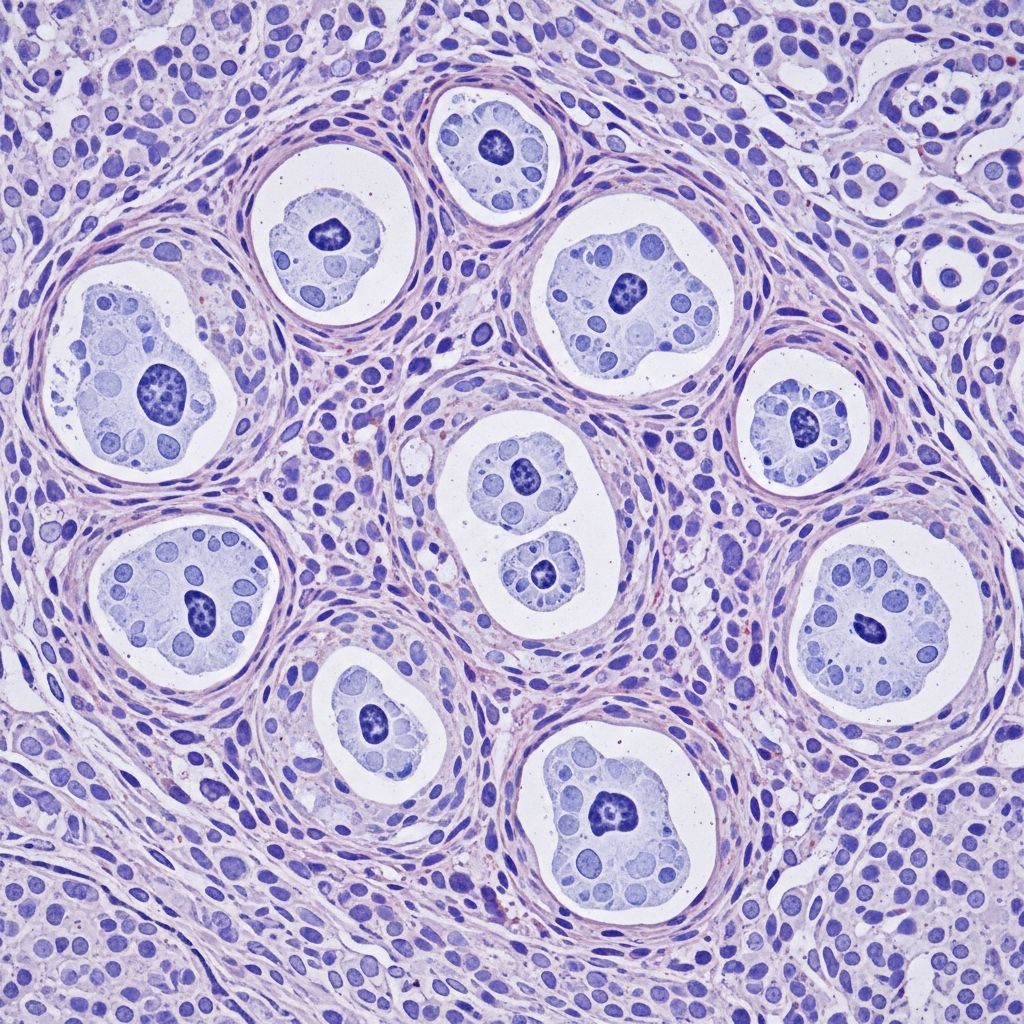
Epithelioid histiocytoma presents with distinctive gross architectural features that are immediately apparent under low-power microscopy. The lesion is characterized by a centrally located, well-demarcated tumor that underlies a prominent epidermal collarette. This epidermal collarette represents folding of the epidermis around the tumor, creating a characteristic collar-like appearance. The tumor is sharply circumscribed and clearly separated from the surrounding dermis, demonstrating a well-defined border that is easily recognized during histological examination.
The overall architecture shows the lesion pushing upward into the epidermis with such force that the epidermis extends downward around the tumor in an attempt to encompass it. This distinctive feature is one of the most helpful diagnostic clues and is present in the majority of cases. The sharp demarcation of the lesion from the background dermis, even without a prominent collarette, is a characteristic finding that aids in diagnosis.
Cellular Composition and Morphology
Epithelioid Cell Characteristics
The tumor is composed primarily of epithelioid cells arranged in distinctive patterns. The cells display abundant eosinophilic (pink-staining) cytoplasm and are characterized by round, vesicular nuclei with prominent, conspicuous nucleoli. Individual cells are notably enlarged and plump, contributing to the epithelioid appearance that distinguishes this variant from conventional dermatofibromas.
The cytoplasm is particularly abundant and eosinophilic, giving the cells a characteristic appearance under light microscopy. The nuclei are round to oval with a vesicular chromatin pattern, indicating active cellular metabolism. Prominent nucleoli are consistently observed, reflecting the metabolic activity of these cells. Some cells may demonstrate nuclear atypia, including increased nuclear size and irregular contours, though this does not indicate malignant behavior.
Architectural Arrangements
Epithelioid cells within the tumor demonstrate two primary arrangement patterns:
- Sheet-like arrangement: Cells organized in diffuse sheets throughout the lesion, creating areas of increased cellularity and monomorphic appearance
- Storiform pattern: Cells arranged in a whorled, pinwheel-like configuration, sometimes creating interlacing fascicles of cells
In some cases, the cells appear embedded within dense, sclerotic collagen background, creating a different visual impression compared to sheet-like arrangements. The cellularity is typically increased compared to conventional dermatofibroma, and the cells may display increased mitotic activity, though this does not necessarily indicate aggressive behavior.
Associated Histological Features
Inflammatory Infiltrate
A frequently observed and diagnostically helpful feature is the presence of an associated inflammatory cell infiltrate. This infiltrate typically consists of lymphocytes and other inflammatory cells admixed with the histiocytic population. The inflammatory component may be quite prominent and can be particularly helpful for establishing the diagnosis when other features are equivocal. The inflammatory cells are generally distributed throughout the lesion and at its periphery.
Related Stories



Vascular Features
Many cases of epithelioid histiocytoma demonstrate dilated, ectatic vessels within the lesion. These dilated vessels are often described as conspicuous and are present in the majority of examined cases. The vessels provide a helpful diagnostic clue and, when combined with the plump epithelioid cells and sharp circumscription, aid in establishing the diagnosis. The vessels do not display the hemangiopericytoma-like appearance or staghorn branching pattern characteristic of deep fibrous histiocytoma.
Collagen Background
The background demonstrates areas of dense, sclerotic collagen deposition, which can be particularly prominent in some cases. This dense pink, hyalinized collagen creates a distinctive background against which the epithelioid cells are displayed. The collagen deposition may contribute to the well-demarcated appearance of the lesion from the surrounding dermis.
Epidermal Changes
The overlying epidermis displays characteristic changes related to the underlying tumor mass. The epidermis may demonstrate acanthosis (thickening), with increased basal layer pigmentation being common. In some cases, basaloid induction of the epidermis occurs, creating a proliferation of basaloid epithelial cells at the dermal-epidermal junction. This feature may occasionally create diagnostic confusion with benign follicular tumors or even small basal cell carcinomas, making careful attention to other architectural features important.
The most distinctive epidermal feature is the formation of the epidermal collarette, where the epidermis extends downward and laterally around the tumor mass. This collarette may be more or less prominent depending on the plane of sectioning and the vertical extent of the lesion within the dermis.
Immunohistochemical Profile
Immunohistochemical studies provide valuable support for the diagnosis of epithelioid histiocytoma. The most significant immunohistochemical finding is positivity for Factor XIIIa (CD13), which marks dendritic histiocytes and fibroblasts. This marker is consistently positive in epithelioid histiocytoma cases and helps confirm the histiocytic origin of the lesion.
The Factor XIIIa positivity distinguishes epithelioid histiocytoma from melanocytic lesions and other epithelioid tumors that may present with similar morphology. Additional immunohistochemical markers may include S100 protein and other histiocytic markers, though Factor XIIIa remains the most characteristic and diagnostically valuable stain. Modern cases have also identified ALK-1 (anaplastic lymphoma kinase) translocations in some epithelioid dermatofibromas, leading some authorities to consider epithelioid variants as potentially distinct entities rather than simple morphological variants of conventional dermatofibroma.
Distinguishing Features from Similar Lesions
Comparison with Conventional Dermatofibroma
While epithelioid histiocytoma is classified as a variant of dermatofibroma, it differs significantly from conventional dermatofibromas. Typical dermatofibromas are composed of plump fibroblasts rather than epithelioid histiocytes, demonstrate a poorly defined proliferation with a grenz zone of sparing, and show entrapment of collagen at the lesion periphery. In contrast, epithelioid histiocytoma demonstrates sharp circumscription, prominent epithelioid morphology, and a more defined architectural appearance.
Differential from Other Epithelioid Tumors
The differential diagnosis includes multiple epithelioid tumors that may mimic epithelioid histiocytoma:
- Epithelioid melanoma: Excluded by negative S100 protein and negative melanoma-specific markers; however, ALK positivity and sharp circumscription can occasionally create diagnostic challenge
- Epithelioid sarcoma: Differentiated by characteristic rhabdoid cells, EZH2 alterations, and different clinical presentation
- Reticulohistiocytoma: May present with large, epithelioid histiocytic cells but typically shows multifocal involvement and may be associated with systemic manifestations
- Aneurysmal dermatofibroma: Distinguished by hemangiopericytoma-like vascular changes and cleft-like hemorrhagic spaces lacking endothelial lining
- Cellular dermatofibroma: Shows increased cellularity and storiform pattern but composed of fibroblasts rather than epithelioid histiocytes
Key Diagnostic Features Summary
| Feature | Characteristic Finding |
|---|---|
| Location | Dermis, often with extension into superficial dermis |
| Circumscription | Well-defined, sharply demarcated borders |
| Epidermal relationship | Epidermal collarette, pushing up into epidermis |
| Cell type | Epithelioid histiocytes with abundant eosinophilic cytoplasm |
| Arrangement | Sheets and storiform patterns |
| Nuclear features | Round, vesicular nuclei with prominent nucleoli; possible atypia |
| Associated findings | Inflammatory infiltrate, dilated vessels, dense collagen |
| Immunohistochemistry | Factor XIIIa positive; variable ALK-1 positivity |
Clinical Significance and Management Implications
Understanding the pathological features of epithelioid histiocytoma is crucial for appropriate clinical management. The benign nature of this lesion is confirmed by its well-defined architecture, the absence of true malignant features despite nuclear atypia, and its consistent Factor XIIIa positivity. However, the recognition of potential ALK-1 translocations in some cases has led to ongoing discussion about whether epithelioid variants represent true distinct entities or morphological variants of dermatofibroma.
The presence of nuclear atypia should not be misinterpreted as indicating malignant potential. The cytologic atypia observed in epithelioid histiocytoma is considered atypical but benign, and complete excision of the lesion is typically curative. Recurrence rates are generally low, though careful histological examination and appropriate clinical follow-up are warranted, particularly in cases with increased cellularity or prominent mitotic activity.
Frequently Asked Questions
What distinguishes epithelioid histiocytoma from conventional dermatofibroma?
Epithelioid histiocytoma differs from conventional dermatofibroma through its composition of epithelioid histiocytes (rather than fibroblasts), sharp circumscription, prominent epidermal collarette, abundant eosinophilic cytoplasm, and round vesicular nuclei with prominent nucleoli. Additionally, Factor XIIIa immunohistochemical positivity is characteristic, and some cases demonstrate ALK-1 translocations absent in conventional dermatofibromas.
Why is the epidermal collarette diagnostically important?
The epidermal collarette represents the epidermis extending around the tumor mass and is a highly characteristic feature of epithelioid histiocytoma. This distinctive architectural relationship, combined with the sharp demarcation of the lesion, helps pathologists recognize epithelioid histiocytoma and distinguish it from other dermal tumors that may present with similar cytologic features.
Does nuclear atypia indicate malignancy in epithelioid histiocytoma?
No. The nuclear atypia observed in epithelioid histiocytoma, including enlarged nuclei and irregular contours, is atypical but benign. This atypia does not indicate malignant potential or transformation risk. The benign nature is confirmed by the well-defined architecture, consistent Factor XIIIa positivity, and established clinical course of these lesions.
What is the significance of ALK-1 positivity?
ALK-1 translocations have been identified in some epithelioid dermatofibromas, leading some authorities to propose that epithelioid variants may represent distinct entities rather than simple morphological variants. However, this remains an area of ongoing discussion in dermatopathology. ALK-1 positivity, when present, helps confirm the diagnosis but must be interpreted in context with other clinical and histological features.
How is epithelioid histiocytoma managed clinically?
Complete surgical excision is the standard treatment for epithelioid histiocytoma. The benign nature and well-defined borders facilitate complete removal. Recurrence rates are generally low following appropriate excision. Histopathological confirmation ensures accurate diagnosis and excludes other potentially serious conditions mimicking epithelioid histiocytoma clinically.
References
- Epithelioid cell histiocytoma: A report of 10 cases including immunohistochemical and ultrastructural features — National Center for Biotechnology Information (PubMed). 1994. https://pubmed.ncbi.nlm.nih.gov/7909998/
- Dermatofibroma (fibrous histiocytoma) pathology — DermNet NZ. 2024. https://dermnetnz.org/topics/dermatofibroma-fibrous-histiocytoma-pathology
- Epithelioid histiocytoma pathology image — DermNet NZ. 2024. https://dermnetnz.org/imagedetail/12340-epithelioid-histiocytoma-pathology
- Dermatofibroma (histiocytoma) — DermNet NZ. 2024. https://dermnetnz.org/topics/dermatofibroma
Similar Articles








Read full bio of Sneha Tete