Epsom Salt: Benefits, Uses, and Side Effects
Discover the potential health benefits of Epsom salt baths, from muscle relief and stress reduction to skin care, backed by science and expert insights.
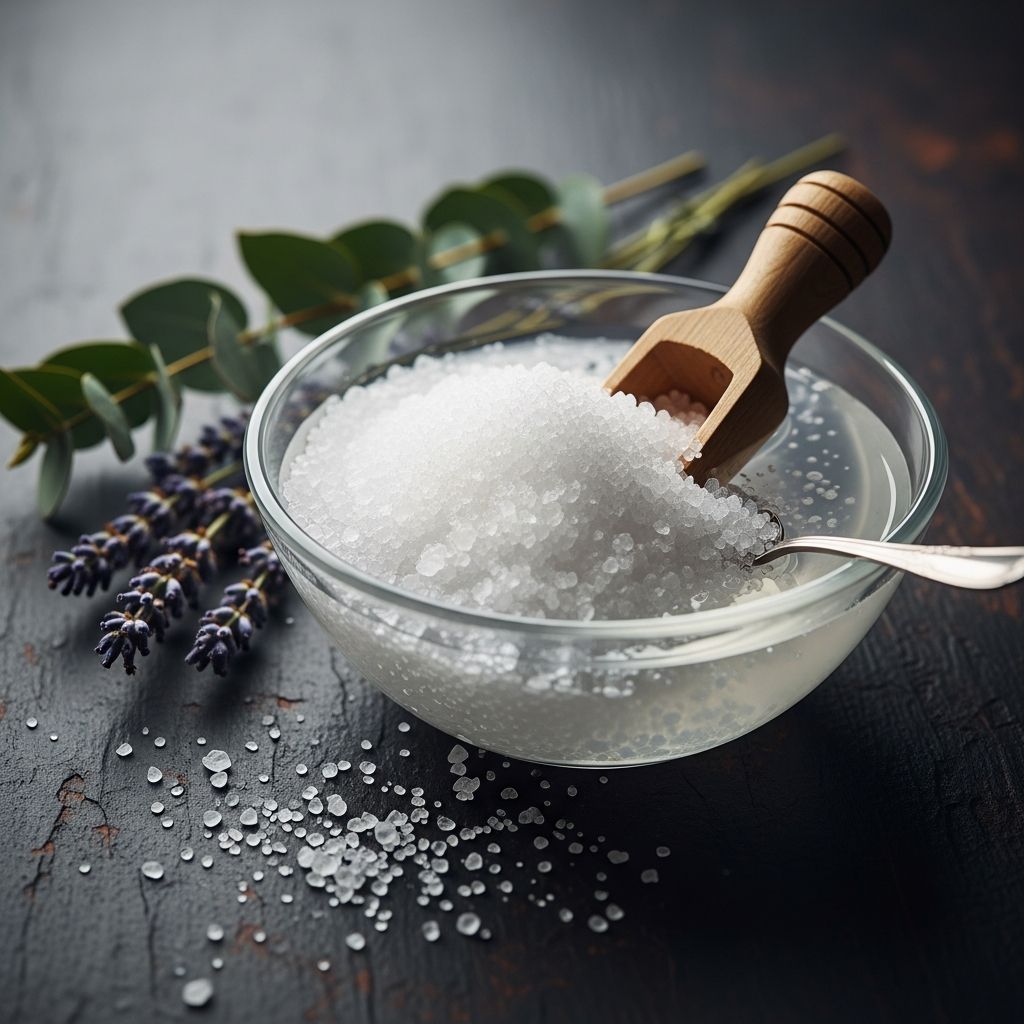
Epsom salt, chemically known as magnesium sulfate, has been a staple in home remedies for centuries. Often dissolved in baths, this mineral compound is praised for its potential to soothe sore muscles, reduce stress, and promote relaxation. But does science back these claims? This article dives into the evidence-based benefits, practical uses, safety considerations, and more, drawing from credible health sources to help you decide if Epsom salt deserves a spot in your wellness routine.
What Is Epsom Salt?
Epsom salt gets its name from the town of Epsom in England, where it was first discovered in natural springs in the 17th century. Unlike table salt (sodium chloride), Epsom salt is magnesium sulfate (MgSO4)—a crystalline compound that dissolves easily in water, releasing magnesium and sulfate ions. It’s widely available over-the-counter in pharmacies, grocery stores, and online, typically in unscented or scented varieties for baths, soaks, or even oral use when diluted.
Proponents claim that soaking in Epsom salt allows these ions to absorb through the skin, replenishing magnesium levels essential for over 300 biochemical reactions in the body, including muscle function, nerve signaling, and energy production. Magnesium deficiency affects up to 50% of people in some populations, making supplementation appealing. However, research shows mixed evidence on transdermal (skin) absorption—while blood and urine magnesium levels may fluctuate slightly after baths, the skin’s barrier limits significant uptake compared to oral supplements.
Potential Health Benefits of Epsom Salt
While anecdotal reports abound, scientific studies on Epsom salt specifically are limited. Most benefits are inferred from magnesium’s proven roles or the therapeutic effects of warm water soaks. Here’s a breakdown of the most cited advantages:
Relieves Muscle Soreness and Pain
One of the top reasons people reach for Epsom salt is post-workout recovery. Warm baths alone relax muscles by improving circulation and reducing stiffness, and adding Epsom salt may enhance this. A 2025 clinical trial with 104 cancer patients found foot baths with Epsom salt delayed chemotherapy-induced nerve pain, eased symptoms, and boosted quality of life. Magnesium may block calcium ions that heighten pain sensitivity, providing indirect relief for strains, sprains, arthritis, and fibromyalgia.
- Post-workout soreness: Soothes delayed-onset muscle soreness (DOMS).
- Joint pain: Eases arthritis swelling and stiffness.
- Foot pain: Relieves tired, swollen feet or ingrown toenails.
Reduces Stress and Promotes Relaxation
Epsom salt baths are a go-to for unwinding. A 2021 trial linked higher magnesium levels to improved anxiety, depression, and life quality scores. Low magnesium correlates with heightened stress responses. Floatation-REST therapy—floating in Epsom salt pools—shows promise for stress reduction, anxiety, pain, and athletic performance per a 2025 review. The ritual of a warm soak, combined with magnesium’s calming effects on the nervous system, likely contributes.
Supports Better Sleep
Magnesium aids sleep by regulating melatonin and GABA, neurotransmitters that promote rest. While direct studies on Epsom baths are scarce, users report deeper sleep after evening soaks. This aligns with oral magnesium’s evidence for insomnia relief, suggesting baths could offer a gentler alternative.
Related Stories



Aids Constipation Relief
The only FDA-approved use of Epsom salt is as an oral laxative. Dissolved in water, it draws fluid into the intestines, softening stool and promoting bowel movements. Effective for occasional constipation, but use sparingly—overuse causes diarrhea, bloating, or electrolyte imbalance. Always consult a doctor first, especially for children or those with kidney issues.
Improves Skin Health
Epsom salt’s exfoliating texture and anti-inflammatory properties may soften skin, support its barrier, and reduce irritation. A 2023 review suggests potential for psoriasis, eczema, acne, and sunburn by drawing out toxins and soothing inflammation. However, it can dry sensitive skin, so moisturize post-soak.
- Exfoliation: Removes dead skin cells.
- Splinters/bruises: Softens skin for easier removal.
- Itchy conditions: Calms psoriasis or bug bites.
Other Possible Benefits
Emerging uses include migraine prevention (magnesium deficiency link), reducing inflammation and bloating by flushing excess fluid, and easing chemotherapy side effects like diarrhea soreness. More research is needed to confirm skin absorption and optimal dosing.
How to Use Epsom Salt Safely
Incorporate Epsom salt into your routine with these evidence-informed methods:
Epsom Salt Bath
Fill a standard tub with warm water (not scalding, around 92–100°F). Dissolve 2 cups (about 400–500g) of Epsom salt and soak for 12–20 minutes. The Epsom Salt Council recommends this ratio for full-body immersion. Do 2–3 times weekly.
Foot Soak
For targeted relief, mix ½–1 cup in a basin of warm water. Soak feet 15–30 minutes—ideal for athletes or those on their feet all day.
As a Laxative
Dissolve 2–4 teaspoons in 8 ounces of water. Drink quickly; effects start in 30 minutes to 6 hours. Drink plenty of water to avoid dehydration. Not for daily use.
Beauty and Household Uses
- Exfoliant: Mix with oil for a scrub.
- Hair volumizer: Rinse with a diluted solution.
- Garden aid: Boosts magnesium for plants (not for consumption).
Risks, Side Effects, and Precautions
Epsom salt is generally safe for topical use but has caveats:
| Use | Potential Side Effects | Who Should Avoid |
|---|---|---|
| Baths/Soaks | Dry skin, irritation (rare) | Open wounds, severe skin conditions |
| Oral Laxative | Diarrhea, nausea, hypermagnesemia | Kidney disease, pregnant, children under 6 |
Overconsumption risks magnesium overdose: symptoms include low blood pressure, irregular heartbeat, confusion. Those with kidney issues can’t excrete excess magnesium. Diabetics note it may interfere with insulin. Always patch-test and consult a healthcare provider, especially if pregnant, on medications, or treating children.
How Much Epsom Salt Should You Use?
Baths: 1–2 cups per tub.
Foot soaks: ½ cup per gallon.
Laxative: 2–6g for adults (doctor-approved).
Start low to assess tolerance. Children: Half adult dose, under supervision.
Does Epsom Salt Expire?
Pure Epsom salt is stable indefinitely if stored dry and sealed. Scented varieties may lose potency after 1–3 years. Check for clumping or odor; discard if suspect.
FAQs
Can you drink Epsom salt?
Yes, diluted as a laxative, but only short-term and with medical advice to avoid side effects like diarrhea or electrolyte imbalance.
Is Epsom salt safe for daily use?
Baths yes, 2–3 times weekly max. Oral no—reserve for occasional constipation.
Does Epsom salt raise magnesium levels?
Limited evidence for significant skin absorption; oral forms are more reliable.
Can I use Epsom salt if pregnant?
Topical yes, but oral only under doctor supervision due to dehydration risks.
Is it okay for kids?
Baths safe in small amounts; avoid oral without pediatrician approval.
References
- Epsom Salt Benefits, Uses, and Safety — Healthgrades. 2025. https://resources.healthgrades.com/right-care/lifestyle-and-wellness/8-health-benefits-of-epsom-salt
- What Is Epsom Salt and Should You Be Bathing In It? — Time Magazine. 2017-06-14. https://time.com/4756228/epsom-salt-health-benefits/
- Epsom Salt: Benefits, Uses, and Side Effects — Healthline. 2023. https://www.healthline.com/nutrition/epsom-salt-benefits-uses
- Epsom salt: Benefits, baths, other uses, and side effects — Medical News Today. 2023. https://www.medicalnewstoday.com/articles/epsom-salt
- Epsom Salt Bath Benefits — Baptist Health. 2023. https://www.baptisthealth.com/blog/healthy-living/epsom-salt-bath-benefits
Similar Articles








Read full bio of medha deb