Epstein-Barr Virus: Symptoms, Causes & Treatment
Complete guide to EBV: Understanding symptoms, transmission, diagnosis, and effective treatment options.
Understanding Epstein-Barr Virus
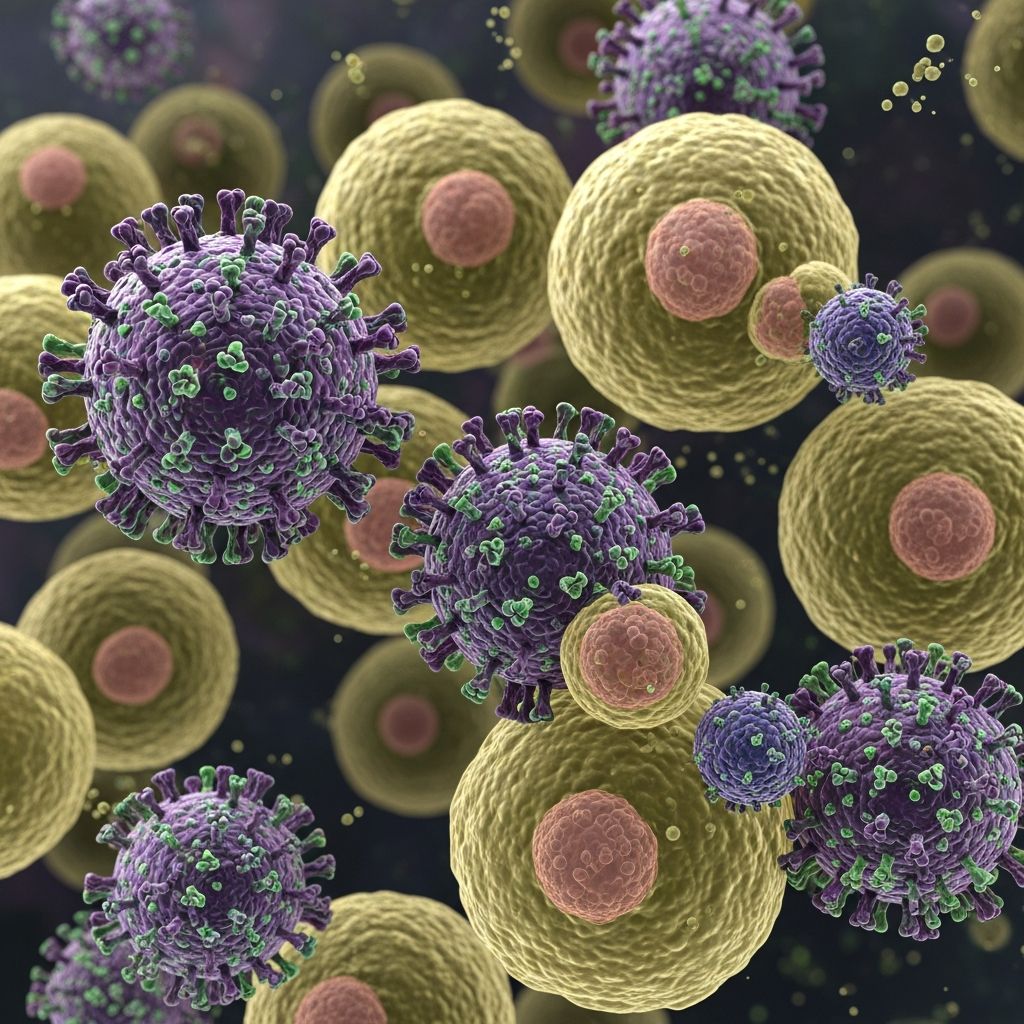
Epstein-Barr Virus (EBV) is a very common and highly contagious infection that affects millions of people worldwide. The virus spreads through saliva and body fluids, making it one of the most prevalent viral pathogens in human populations. Most people encounter EBV at some point in their lives, and once infected, the virus remains in your body permanently in a dormant state. This dormant infection can potentially reactivate later, especially if your immune system becomes weakened.
The hallmark condition associated with EBV is infectious mononucleosis, commonly known as mono or the kissing disease. While some people infected with EBV may experience no symptoms at all, others develop significant illness that can impact their daily activities and quality of life. Understanding this virus and how it affects your body is important for recognizing symptoms early and seeking appropriate medical care.
How Epstein-Barr Virus Spreads
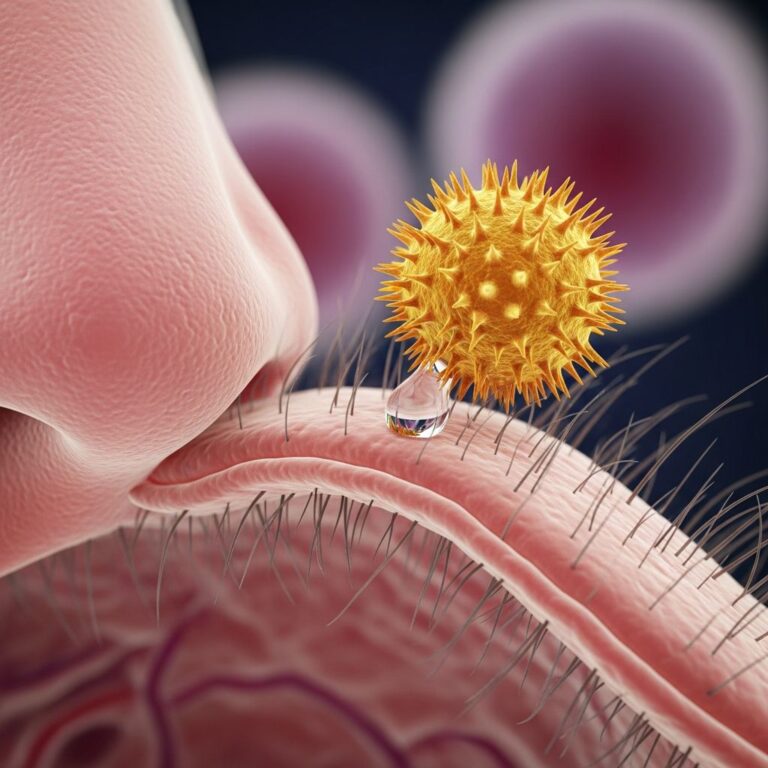
EBV spreads primarily through saliva and other body fluids, which is why it has earned the colloquial name “the kissing disease.” The virus can be transmitted through direct contact with infected saliva, such as through kissing, sharing drinks, sharing utensils, or sharing personal hygiene items like toothbrushes. Additionally, EBV can spread through respiratory droplets when an infected person coughs or sneezes.
An important characteristic of EBV transmission is that you can remain contagious even without experiencing symptoms. This means individuals with latent or dormant EBV infection may unknowingly transmit the virus to others. The virus is resilient and can survive for extended periods outside the body, making transmission relatively easy in settings where people are in close contact, such as schools, workplaces, or homes.
Stages of Epstein-Barr Virus Infection
EBV infection progresses through three distinct phases that help explain the progression of the disease and how symptoms develop over time.
Infection Phase
During the initial infection phase, the virus enters your body and begins to replicate itself. During this stage, you may or may not experience symptoms. Some people develop acute symptoms immediately, while others have no noticeable signs of infection. The infection phase is when the virus is most actively reproducing, and this is typically when you are most contagious to others.
Latency Phase
After the acute infection resolves, EBV enters a dormant or latent state, essentially going to sleep within your body. During this phase, the virus remains inactive and you typically do not experience any symptoms. However, the virus is still present in your system and can potentially reactivate under certain circumstances. This latency phase can last for years or even the entire lifetime.
Reactivation Phase
In some cases, the dormant virus can “wake up” and become active again, a process called reactivation. This reactivation most commonly occurs when your immune system is weakened, such as during periods of significant stress, severe illness, or in individuals taking immunosuppressive medications. When reactivation occurs, you may experience symptoms similar to the initial infection.
Symptoms of Epstein-Barr Virus
The symptoms of EBV infection are often similar to those of other common illnesses, which can make diagnosis challenging. Symptoms typically develop gradually and may include:
- Severe fatigue and extreme tiredness
- Fever that may persist for several days
- Sore throat and throat pain
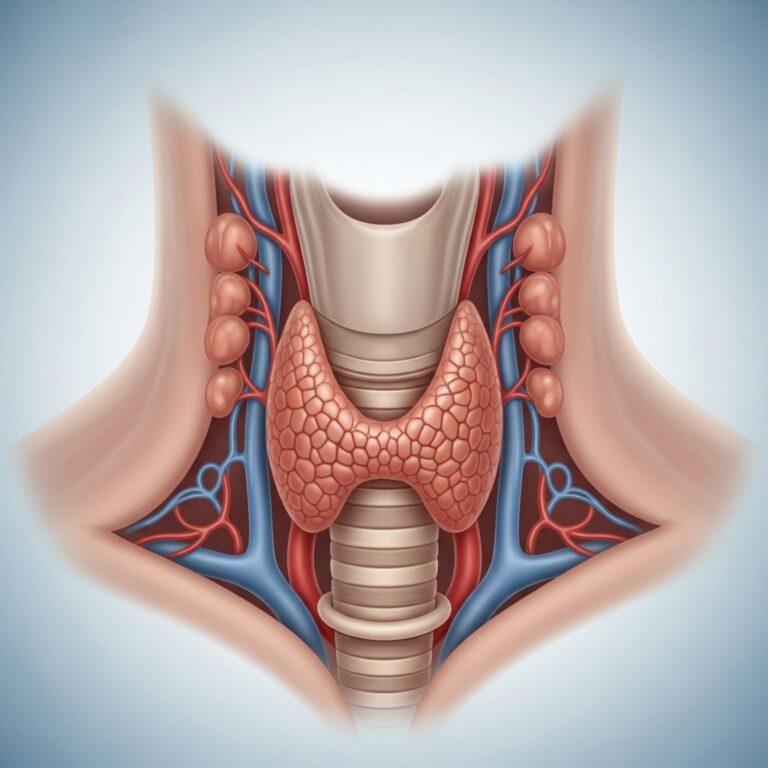
- Swollen lymph nodes in the neck and armpits
- Enlarged tonsils
- Body aches and muscle pain
- Headaches
- Swollen liver or spleen
- Rash (in some cases)
Related Stories



The severity and duration of symptoms can vary significantly from person to person. Some individuals experience mild symptoms that resolve quickly, while others suffer from more pronounced illness that can last several weeks. People infected with EBV who experience symptoms usually feel better after two to four weeks, though some may experience lingering fatigue for several additional weeks or even months after their initial infection.
Diagnosis of Epstein-Barr Virus
Diagnosing EBV can be challenging because symptoms overlap with many other common illnesses. Your healthcare provider will begin by asking about your symptoms, how long you have experienced them, and whether you have been in contact with anyone who might have the virus. A thorough medical history helps guide the diagnostic process.
Blood Tests
To confirm an EBV diagnosis, your provider will perform a blood test called an Epstein-Barr virus antibody test. This test examines a sample of your blood to detect antibodies that your immune system produces in response to EBV infection. Different antibodies appear at different stages of infection, and identifying which antibodies are present helps determine whether you have a current infection or past exposure.
Your provider may need to repeat the test between 10 days to two weeks after the first test because antibodies might not show up early in your diagnosis. Early in infection, antibody levels may be too low to detect, but they typically become detectable within 1-2 weeks of symptom onset. Additional blood tests may check for elevated white blood cell counts, particularly elevated lymphocytes, which indicate active EBV infection.
Physical Examination
During your physical examination, your healthcare provider will assess your symptoms and look for signs characteristic of EBV infection. They will especially check for swollen lymph nodes in your neck and assess whether your spleen or liver appears enlarged. These physical findings, combined with blood test results, help confirm the diagnosis.
Treatment Options for Epstein-Barr Virus
There is no cure for Epstein-Barr Virus. Instead, treatment focuses on managing the symptoms associated with the infection and supporting your body’s natural immune response. A supportive care approach is the standard treatment strategy.
Rest and Recovery
Getting adequate rest is one of the most important aspects of treating EBV. Rest helps your immune system fight the infection and prevents symptoms from worsening. Your body needs significant energy to combat the viral infection, and sufficient sleep supports this healing process. However, it is especially important that you avoid excessive physical activity that could lead to a ruptured spleen if the virus causes your spleen to enlarge, a potentially serious complication.
Over-the-Counter Medications
Over-the-counter pain relievers and fever reducers can help manage discomfort associated with EBV infection. Common options include ibuprofen and acetaminophen, which can reduce fever, soothe sore throat pain, and alleviate body aches. These medications make you feel more comfortable while your immune system works to clear the infection.
Hydration
Staying well-hydrated is crucial during EBV infection. Drinking plenty of fluids helps maintain your body’s immune function and prevents dehydration, particularly if you have a high fever. Water, warm tea, and electrolyte-containing beverages are all beneficial. Adequate hydration also helps soothe a sore throat and supports overall recovery.
Throat Care
If you experience a severe sore throat, gargling with salt water can provide temporary relief. Throat lozenges and throat sprays may also help alleviate discomfort. Soft foods and cool beverages are typically easier to swallow than hard or hot foods.
Prevention of Epstein-Barr Virus
While no vaccine currently exists to prevent EBV infection, you can take several steps to reduce your risk of infection or transmission to others.
- Avoid close contact with infected individuals: If someone you know has EBV or mononucleosis symptoms, maintain distance and limit close contact until they recover.
- Do not share personal items: Avoid sharing drinking glasses, utensils, toothbrushes, or food with others, as the virus spreads through saliva.
- Practice good hygiene: Wash your hands regularly and thoroughly, especially after contact with potentially infected individuals or contaminated surfaces.
- Cover your mouth and nose: When coughing or sneezing, cover your mouth with a tissue or your elbow to prevent respiratory transmission.
- Maintain a strong immune system: Regular exercise, balanced nutrition, adequate sleep, and stress management help keep your immune system robust and better able to fight off infections.
Living with Latent EBV
Once you acquire EBV, the infection stays within your body for your entire life in a dormant state where it remains inactive or sleeping. The presence of latent EBV in your body is usually not dangerous and does not cause ongoing symptoms. However, the virus has the potential to reactivate, especially if you have a weakened immune system due to illness, stress, medications, or other factors.
If your immune system reactivates the virus, you can experience symptoms again, regardless of when you first acquired the virus. People with compromised immune systems, such as those undergoing chemotherapy, with HIV/AIDS, or taking immunosuppressive medications after organ transplantation, face higher risks of reactivation and associated complications.
Potential Complications of EBV
Although rare, Epstein-Barr Virus can lead to certain complications in specific populations. One of the most serious complications is splenic rupture, which can occur if your spleen becomes severely enlarged and you engage in strenuous physical activity. This is why healthcare providers typically recommend avoiding intense exercise during acute EBV infection.
In immunocompromised individuals, particularly transplant recipients, EBV can cause post-transplant lymphoproliferative disorder (PTLD), a serious condition involving uncontrolled proliferation of lymphocytes. Additionally, some studies have linked EBV infection to increased risk of certain types of cancer, including some lymphomas and nasopharyngeal carcinoma, though this risk remains relatively low in the general population.
When to Seek Medical Attention
While most cases of EBV resolve without medical intervention, certain situations warrant immediate contact with your healthcare provider. Seek emergency care if you experience:
- Sudden, sharp pain on the left side of your abdomen, which could indicate splenic rupture
- Difficulty breathing or swallowing (call 911 immediately)
- Very little urine output, suggesting severe dehydration
- Severe pain that is not relieved by over-the-counter medications
- Fever lasting more than several days
- Symptoms that do not improve after 4-6 weeks
Contact your healthcare provider if you experience any concerning symptoms or if your condition worsens despite supportive care measures.
Frequently Asked Questions About EBV
Q: Can you get Epstein-Barr Virus more than once?
A: Once infected with EBV, it remains in your body for life in a dormant state. However, reactivation can occur, meaning you can experience symptoms again, though true reinfection with a different strain is very rare. Most people develop lifelong immunity to reinfection after their initial EBV infection.
Q: Is there a vaccine for Epstein-Barr Virus?
A: Currently, there is no approved vaccine to prevent EBV infection. Researchers are working on developing vaccines, but none are currently available for clinical use. Prevention relies on practicing good hygiene and avoiding contact with infected individuals.
Q: How long does it take to recover from EBV?
A: Most people recover from acute EBV symptoms within 2-4 weeks. However, some individuals experience prolonged fatigue that can persist for several additional weeks or even months. Complete recovery varies based on individual factors and immune system strength.
Q: Can EBV cause long-term complications?
A: While most people recover completely from EBV without lasting effects, rare complications can occur. These include splenic rupture, post-transplant lymphoproliferative disorder in immunocompromised individuals, and in some cases, increased risk of certain malignancies. However, serious complications are uncommon in otherwise healthy individuals.
Q: What should I do if I suspect I have EBV?
A: Contact your healthcare provider if you experience symptoms consistent with EBV infection, such as persistent fever, severe sore throat, and extreme fatigue. Your provider can perform appropriate blood tests to confirm the diagnosis and recommend treatment strategies tailored to your specific situation.
References
- Epstein-Barr Virus (EBV) – Symptoms, Causes & Treatment — Cleveland Clinic. 2022-07-13. https://my.clevelandclinic.org/health/diseases/23469-epstein-barr-virus
- Mononucleosis (Mono or the Kissing Disease) – Cleveland Clinic — Cleveland Clinic. https://my.clevelandclinic.org/health/diseases/13974-mononucleosis
- Epstein-Barr Virus (EBV) DNA, Quantitative PCR, Plasma — Cleveland Clinic Laboratories. https://clevelandcliniclabs.com/test/epstein-barr-virus-ebv-dna-quantitative-pcr-plasma/
- Epstein-Barr Virus (EBV): Causes, Symptoms, and Treatment — WebMD. https://www.webmd.com/a-to-z-guides/epstein-barr-virus
Similar Articles








Read full bio of medha deb