ERCP: Endoscopic Retrograde Cholangiopancreatography
Complete guide to ERCP procedure: understanding diagnostic and therapeutic benefits for bile and pancreatic duct conditions.
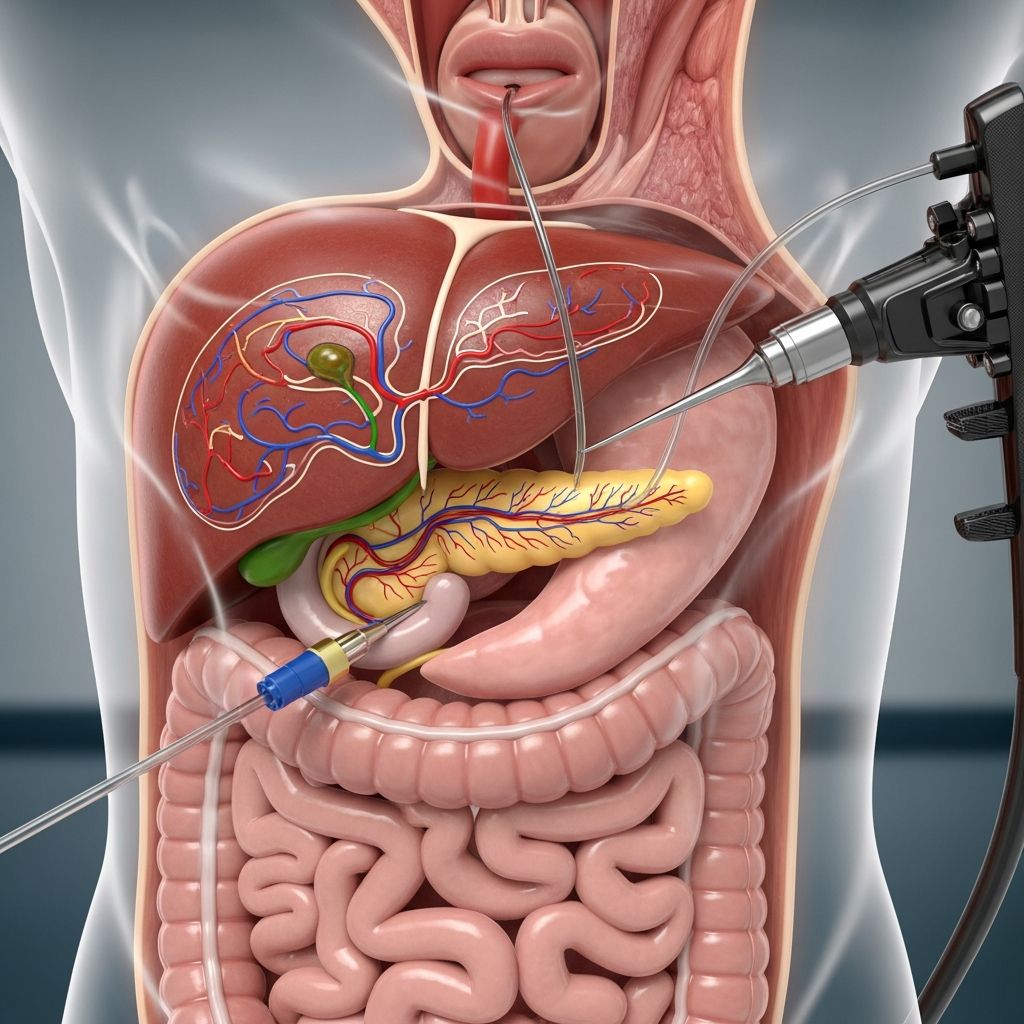
ERCP (Endoscopic Retrograde Cholangiopancreatography)
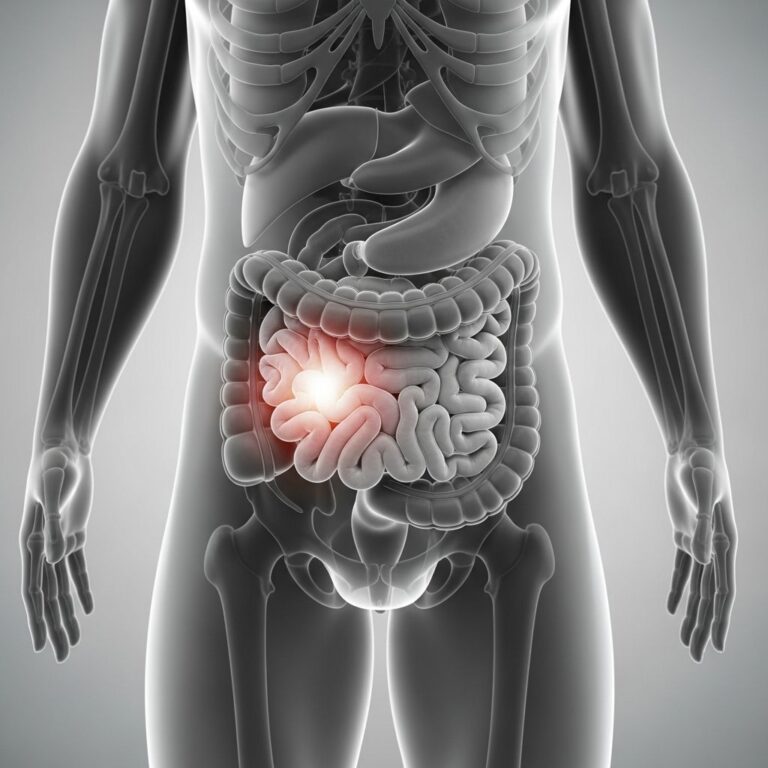
Endoscopic Retrograde Cholangiopancreatography, commonly known as ERCP, is a specialized medical procedure that combines the use of endoscopy and X-ray imaging to diagnose and treat conditions affecting the bile ducts and pancreatic ducts. This minimally invasive technique has become an essential tool in modern gastroenterology, allowing physicians to visualize and address ductal problems without the need for traditional surgery. The procedure is performed by trained gastroenterologists or general surgeons in hospital or clinic settings and represents a significant advancement in the management of biliary and pancreatic disorders.
What is ERCP?
ERCP is a diagnostic and therapeutic procedure that uses a combination of endoscopy and radiography to access and treat the biliary and pancreatic duct systems. The procedure involves inserting a long, flexible tube called an endoscope through the mouth, down the throat, and into the small intestine. Unlike traditional endoscopy, ERCP has the unique capability of delivering both visual assessment and immediate treatment options in a single procedure. The endoscope is equipped with specialized tools and a high-resolution camera that allows the physician to see the internal structures in real-time on a monitor. Additionally, X-ray imaging, known as fluoroscopy, is used to visualize the ducts and guide the physician’s interventions.
Why is ERCP Recommended?
Your healthcare provider may recommend ERCP if you experience symptoms or conditions that suggest problems with your bile or pancreatic ducts. Common indications for the procedure include:
- Jaundice or yellowing of the skin and eyes
- Unexplained abdominal pain
- Blockages in the bile or pancreatic ducts
- Suspected presence of gallstones in the bile ducts
- Pancreatic or bile duct strictures (narrowing)
- Presence of tumors or growths affecting the ducts
- Pancreatic inflammation or pancreatitis
- Biliary obstruction requiring stent placement
The procedure serves dual diagnostic and therapeutic objectives, helping physicians identify conditions while simultaneously delivering treatment, which reduces the need for multiple interventions and additional procedures.
How to Prepare for ERCP
Proper preparation is critical to ensuring a safe and successful ERCP procedure. Your healthcare team will provide you with detailed instructions tailored to your specific situation. Understanding and following these preparation guidelines will help optimize the procedure’s effectiveness and minimize potential complications.
Fasting Requirements
You will typically be instructed to avoid all food and drink for 6 to 8 hours before your scheduled ERCP procedure. This fasting period is essential to ensure that your stomach is completely empty, which reduces the risk of aspiration and allows for optimal visualization during the procedure. Your physician will specify the exact time you should stop eating and drinking based on your procedure time.
Medication Management
Before your ERCP, inform your healthcare provider about all medications you are currently taking, particularly blood thinners and anticoagulants such as warfarin, aspirin, or clopidogrel. You may be advised to temporarily discontinue these medications before the procedure to reduce bleeding risks. Additionally, inform your doctor about any immunosuppressant medications you may be taking, as these can affect your body’s response to the procedure.
Allergy Disclosure
It is crucial to inform your care team if you have any allergies, especially to shellfish or iodine. These allergies are particularly important because the contrast dye used during ERCP to visualize the ducts may contain iodine or have similar properties. Similarly, if you have a history of allergic reactions to contrast dye or any other medications, make sure this information is clearly documented in your medical record.
Related Stories



Pre-Procedure Evaluation
You may need to undergo laboratory tests or imaging studies in advance to confirm that it is safe for you to proceed with the ERCP. These evaluations help your physician assess your overall health status and identify any conditions that might increase your procedural risk. Your doctor will review your medical history and discuss the benefits, risks, and alternative treatment options with you, answering any questions or concerns you may have.
What Happens During the Procedure
Understanding what to expect during your ERCP can help reduce anxiety and prepare you mentally for the experience. The procedure typically takes 30 to 90 minutes, depending on the complexity of findings and the interventions required.
Sedation and Anesthesia
When you arrive for your procedure, an intravenous (IV) line will be placed in your arm to administer sedative medications that will help you relax and remain comfortable throughout the procedure. You may be given a liquid anesthetic to gargle or as a spray to numb the back of your throat, which helps prevent gagging and discomfort. Some patients may receive general anesthesia to be put completely asleep during the procedure, depending on their medical history and preferences.
Endoscope Insertion
Once sedation takes effect, you will be positioned on an examination table, typically lying on your left side. Your physician will gently insert the endoscope through your mouth and guide it down your throat, through your esophagus, and into your stomach and small intestine. As the endoscope advances, your doctor will be able to view a video feed from the camera on a monitor, allowing for precise visualization of the internal structures. The endoscope also has the ability to pump in air to help expand the structures and improve visibility.
Duct Localization and Catheter Placement
Your physician will locate the specific area where your bile and pancreatic ducts connect with your small intestine, a location called the ampulla of Vater. Once this location is identified, a long, flexible tube called a catheter will be carefully inserted through the endoscope and into the ducts. This catheter serves as the pathway through which treatment tools and contrast dye can be delivered.
Contrast Dye Injection and Imaging
A contrast dye will be injected through the catheter into your bile and pancreatic ducts. This dye makes the ducts more visible on fluoroscopic X-ray images, allowing your physician to see any abnormalities such as blockages, strictures, stones, or tumors. The fluoroscopic imaging provides real-time guidance for any therapeutic interventions that may be necessary.
Therapeutic Interventions
Depending on the findings of the examination, your physician may perform various therapeutic procedures during the same ERCP session, including:
- Biopsies to obtain tissue samples for analysis
- Stent placement (metal or plastic tubes) into the bile or pancreatic ducts to maintain patency
- Sphincterotomy, which involves carefully cutting the muscle at the duct opening to allow better drainage
- Removal of gallstones or pancreatic stones from the ducts
- Treatment of strictures or narrowed areas in the ducts
- Removal of foreign bodies if present
Once all necessary treatments are completed, as much air and remaining fluid as possible will be withdrawn through the endoscope.
Recovery and Aftercare
After your ERCP is complete, you will be moved to a post-recovery room where medical staff will monitor you as the sedation medication wears off. The speed at which you regain consciousness depends on the dosage of sedation used and your individual response to the medication. Most patients are awake enough to be discharged within 45 to 60 minutes after the procedure ends.
You may experience mild soreness in the throat or a feeling of bloating from the air introduced during the procedure. These sensations are normal and typically resolve within a few hours. Most people can return home the same day, but you will require someone to drive you, as you should not operate a vehicle for the remainder of the day due to residual effects of the sedation.
What Are the Potential Risks or Complications of ERCP?
While ERCP is generally considered a safe procedure, like any medical intervention, it does carry some risks. Complications occur in approximately 5% to 10% of ERCP procedures, with serious complications occurring in 3% to 5% of cases and up to 15% in high-risk individuals. The specific risks depend partly on your pre-existing medical conditions and the type of therapeutic procedure performed during your ERCP. Your gastroenterologist will discuss these potential risks with you in advance of the procedure.
Common Complications
The most frequently reported complications of ERCP include:
- Pancreatitis: Inflammation of the pancreas is the most common complication, occurring in approximately 3% to 5% of procedures. This occurs when the pancreatic duct is irritated during the procedure.
- Infection: Infection of the bile ducts (cholangitis) or gallbladder can occur, particularly if there is incomplete drainage of infected bile.
- Bleeding: Excessive bleeding, known as hemorrhage, may occur at the site of intervention, particularly if sphincterotomy or tissue removal is performed.
- Perforation: In rare cases, the endoscope or tools may cause perforation (hole) in the bile ducts, pancreatic ducts, or duodenum, which may require hospitalization or surgery.
- Adverse Sedation Reaction: Some patients may experience abnormal reactions to sedative medications, including breathing difficulties or heart problems.
- Allergic Reaction: Allergic reactions to the contrast dye used during the procedure can occur, though they are uncommon.
- Tissue Damage: Excessive X-ray exposure during fluoroscopy may cause tissue damage, though this is rare with modern radiation safety protocols.
Special Considerations
If you are pregnant or suspect you might be pregnant, inform your healthcare provider before the procedure. There is a low risk of harm to the fetus from radiation exposure during fluoroscopy. Your doctor will either attempt to reschedule the procedure or will take measures to minimize your radiation exposure if the procedure cannot be delayed.
Most people with complications need treatment at a hospital, so it is important that you understand these risks and discuss them thoroughly with your physician before proceeding.
Benefits of ERCP
Despite the potential risks, ERCP offers significant benefits for patients with biliary and pancreatic duct disorders. The procedure is diagnostic and therapeutic, allowing physicians to identify conditions and deliver treatment within the same session, which reduces the need for multiple interventions. Additionally, ERCP typically results in shorter recovery periods compared to traditional surgical approaches, facilitating a faster return to daily activities. The minimally invasive nature of the procedure means less trauma to the body compared to open surgery, reduced pain, and fewer complications related to surgical incisions.
Frequently Asked Questions
Q: Is ERCP painful?
A: You will receive sedation to help you relax and remain comfortable during the procedure. While you may feel some pressure or mild discomfort, the sedation should prevent pain. After the procedure, you may experience mild throat soreness, which typically resolves within hours.
Q: How long does recovery take?
A: Most patients recover quickly from ERCP. You will spend 45 to 60 minutes in the recovery room before being discharged. Most people can return to normal activities within a day or two, though you should avoid strenuous activity for a few days.
Q: Will I need a follow-up ERCP?
A: In some cases, a follow-up ERCP may be necessary, especially if a stent needs to be replaced or if further treatment is required. Your physician will discuss any necessary follow-up procedures with you after your initial ERCP.
Q: Is ERCP covered by insurance?
A: ERCP is typically covered by most insurance plans, as it is considered a medically necessary procedure for appropriate indications. However, it is always advisable to check with your specific insurance provider to confirm coverage before undergoing the procedure.
Q: What should I eat after ERCP?
A: You will be instructed to wait until the anesthetic has completely worn off and your throat has regained normal sensation before eating. Your physician will provide specific dietary guidelines based on the procedures performed and your individual health status.
Q: Are there alternative procedures to ERCP?
A: In some cases, alternative procedures such as magnetic resonance cholangiopancreatography (MRCP), percutaneous transhepatic cholangiography (PTC), or other imaging modalities may be recommended instead of ERCP, depending on your specific condition and medical history.
References
- ERCP: What you need to know about risks and benefits — GI Partners of Illinois. 2024. https://gipartnersofil.com/treatment/endoscopic-retrograde-cholangiopancreatographyercp/
- ERCP Procedure for Digestive Diseases: Benefits and Risks — Healthline Media. 2024. https://www.healthline.com/health/ercp-procedure
- Endoscopic Retrograde Cholangiopancreatography (ERCP) — GI Alliance of Arkansas. 2024. https://giallianceofarkansas.com/ercp-northwest-arkansas/
- Endoscopic Retrograde Cholangiopancreatography (ERCP) — National Institute of Diabetes and Digestive and Kidney Diseases (NIDDK). 2024. https://www.niddk.nih.gov/health-information/diagnostic-tests/endoscopic-retrograde-cholangiopancreatography
- What to Know About the ERCP Procedure — Agcos Springs Medical Center. 2024. https://agcosprings.com/what-to-know-about-the-ercp-procedure/
- ERCP (Endoscopic Retrograde Cholangiopancreatography) — Cleveland Clinic. 2024. https://my.clevelandclinic.org/health/diagnostics/4951-ercp-endoscopic-retrograde-cholangiopancreatography
- Understanding the Risks and Rewards of an ERCP Bile Duct — MedStar Health. 2024. https://www.medstarhealth.org/blog/ercp-understanding-risks-rewards
Similar Articles








Read full bio of Sneha Tete