Erdosteine Capsules Erdotin: Dosage, Uses & Side Effects
Erdosteine capsules (Erdotin) help clear sputum in chronic bronchitis flare-ups. Learn dosage, side effects, and precautions.
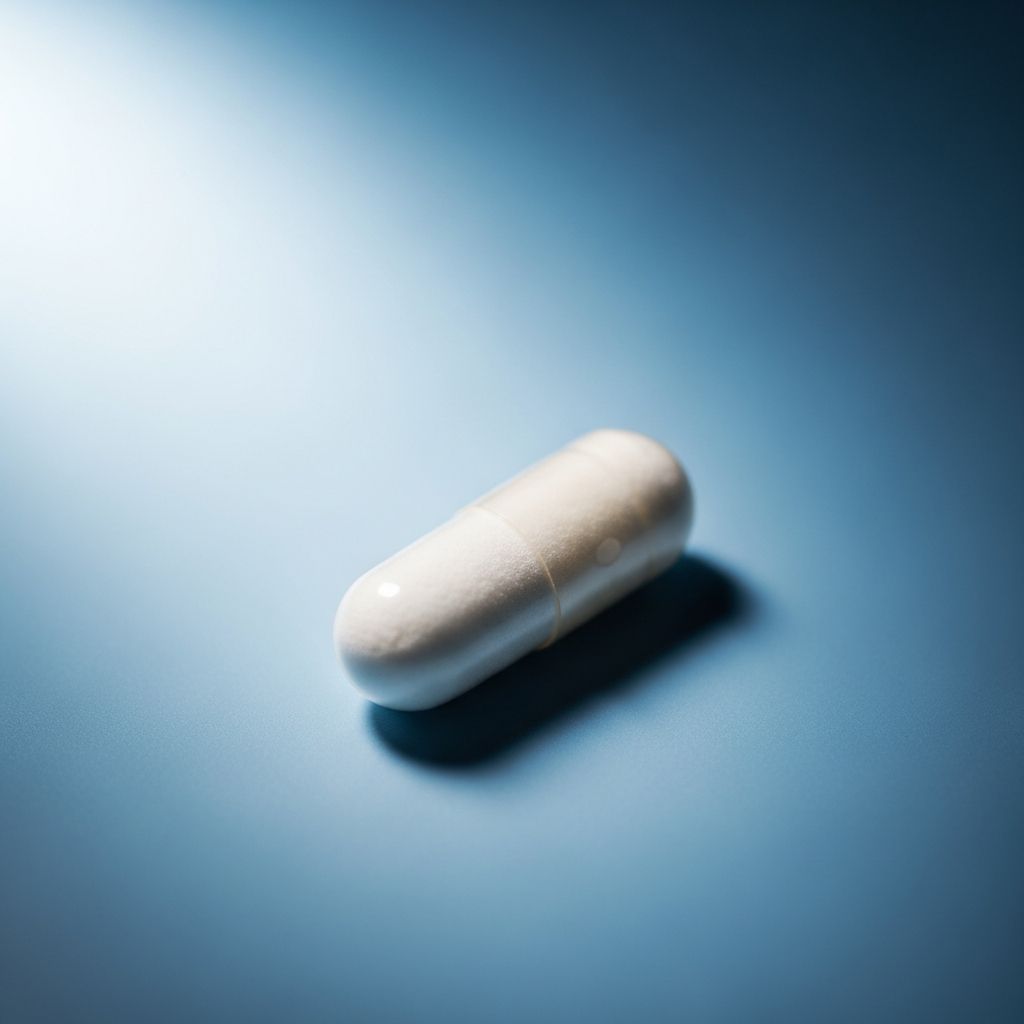
Erdosteine capsules, branded as Erdotin, are a mucolytic medication designed to facilitate the clearance of sputum in adults experiencing acute exacerbations of chronic bronchitis. The standard dosage is one 300 mg capsule taken twice daily, with the most frequently reported side effect being heartburn or acid reflux.
About erdosteine
Erdosteine belongs to the class of
mucolytic agents
, which work by altering the structure of mucus to make it less viscous and sticky, thereby aiding expectoration during respiratory infections. It is primarily indicated for symptomatic relief in adults withchronic bronchitis
during acute flare-ups, where excessive phlegm production hinders breathing and coughing.| Type of medicine | A mucolytic |
|---|---|
| Used for | To help clear sputum in adults with chronic bronchitis |
| Also called | Erdotin® |
| Available as | Capsules (300 mg) |
Chronic bronchitis involves persistent cough with sputum production, often exacerbated by infections. Erdosteine reduces mucus viscosity by breaking disulfide bonds in mucoproteins, promoting easier cough-up and improved airway clearance. Clinical studies demonstrate its efficacy in reducing cough frequency, sputum viscosity, and symptom severity compared to placebo, particularly when combined with antibiotics. For instance, in trials with 426 patients, erdosteine added to antibiotic therapy significantly improved global clinical scores (e.g., sputum appearance, viscosity, expectoration difficulty) versus placebo, with scores dropping from baselines of 12-13 to 4.9-7.4.
Unlike some expectorants, erdosteine also exhibits antioxidant properties, potentially mitigating inflammation in the airways. It is not recommended for routine use in stable chronic obstructive pulmonary disease (COPD) but targets acute episodes lasting up to 10 days.
Before taking erdosteine
Prior to initiating erdosteine therapy, consult a healthcare provider to ensure suitability, as certain conditions and interactions necessitate caution or contraindication.
- Peptic ulcer history: Avoid if you have or have had a stomach or duodenal ulcer, as gastrointestinal side effects like heartburn may worsen it.
- Kidney or liver impairment: Not recommended if creatinine clearance is below 25 ml/min or in severe liver failure due to limited data. Mild liver failure patients should limit to 300 mg daily.
- Pregnancy and breastfeeding: Safety data is insufficient; use only if benefits outweigh risks after medical advice.
- Drug interactions: Inform your doctor of all medications, including over-the-counter, herbal remedies, as erdosteine may interact with antibiotics by enhancing sputum penetration.
- Allergies: Contraindicated in hypersensitivity to erdosteine or excipients like microcrystalline cellulose, povidone, or magnesium stearate.
Patients with active peptic ulcers must avoid erdosteine entirely. Elderly individuals over 18 years follow standard dosing, but monitoring is advised due to potential age-related organ function decline.
How to take erdosteine capsules
Adhere strictly to prescribed instructions and read the patient information leaflet (PIL) for comprehensive details on usage and side effects.
The typical regimen is one 300 mg capsule twice daily, morning and evening, for a maximum of 10 days. Swallow capsules whole with water; taking with or without food is acceptable. This dosing aligns with product characteristics from regulatory bodies, ensuring optimal mucolytic action without exceeding safe limits.
- Missed dose: Take as soon as remembered unless near the next dose; do not double up.
- Overdose: Seek immediate medical attention if multiple capsules are taken erroneously; symptoms may include nausea or gastrointestinal distress.
For best results, complete the course even if symptoms improve, as premature cessation may lead to relapse. Capsules contain 300 mg erdosteine plus excipients for stability and absorption.
Getting the most from your treatment
Enhance erdosteine’s effectiveness with supportive measures to manage chronic bronchitis flare-ups.
- Stay well-hydrated to further thin mucus.
- Avoid smoking and irritants like dust or pollutants, which exacerbate sputum production.
- Practice airway clearance techniques, such as deep breathing or postural drainage, under professional guidance.
- Combine with prescribed antibiotics if infection is present, as erdosteine improves antibiotic delivery to sputum.
Monitor symptoms; if no improvement after 5-7 days, consult your doctor for reassessment. Long-term management of chronic bronchitis involves smoking cessation, vaccinations (influenza, pneumococcal), and pulmonary rehabilitation.
Related Stories



Side-effects
Erdosteine is generally well-tolerated, with a low incidence of mild, mostly gastrointestinal adverse events.
| Common side-effects | What can I do if I experience this? |
|---|---|
| Feeling sick (nausea), diarrhoea, tummy pain, heartburn, indigestion | Stick to simple meals – avoid rich or spicy food |
| Headache, common cold symptoms | Drink plenty of water and ask your pharmacist to recommend a suitable painkiller. If persistent, speak with your doctor |
| Unusual taste, itchy skin rash | If troublesome, speak with your doctor |
Rarely, severe reactions like allergic responses may occur; discontinue and seek help promptly. Studies report no significant increase in adverse events versus placebo, supporting its safety profile. Report any suspected side effects via national pharmacovigilance schemes.
How to store erdosteine capsules
Store in a cool, dry place below 25°C, away from children and moisture. Do not use after expiry date; dispose of unused medication responsibly via pharmacy take-back programs.
Frequently Asked Questions (FAQs)
Q: What is erdosteine used for?
A: Erdosteine (Erdotin) treats acute exacerbations of chronic bronchitis by thinning sputum for easier coughing.
Q: How should I take Erdotin capsules?
A: One 300 mg capsule twice daily, swallowed whole with water, for up to 10 days.
Q: Can I take erdosteine if I have a stomach ulcer?
A: No, it is contraindicated in active peptic ulcers due to GI side effect risks.
Q: Is erdosteine safe during pregnancy?
A: Use only if prescribed; insufficient safety data exists.
Q: What if I miss a dose?
A: Take it soon unless near next dose; never double dose.
Q: Does erdosteine interact with other drugs?
A: It may enhance antibiotic levels in sputum; inform your doctor of all medications.
References
- Erdosteine capsules – Erdotin — Patient.info. 2022-12-28. https://patient.info/medicine/erdosteine-capsules-erdotin
- erdosteine 300mg capsules (Erdotin) — Scottish Medicines Consortium (NHS Scotland). 2007-11-15. https://scottishmedicines.org.uk/media/1637/41507_erdosteine_erdotin_nov07.pdf
- Package Leaflet: Information for the User: Erdotin 300 mg capsules — medicines.org.uk (EMC). N/A. https://www.medicines.org.uk/emc/files/pil.287.pdf
- Erdotin 300 mg capsules – Summary of Product Characteristics — Palliative Drugs / HPRA. 2019-06-21. https://www.palliativedrugs.org/download/ErdotinSPC.pdf
- Erdotin 300mg capsules – Patient Information Leaflet — medicines.org.uk (EMC). N/A. https://www.medicines.org.uk/emc/product/287/pil
- Erdosteine: Uses, Interactions, Mechanism of Action — DrugBank (official database). N/A. https://go.drugbank.com/drugs/DB05057
Similar Articles








Read full bio of Sneha Tete