Erectile Dysfunction: Causes, Treatments & Solutions
Comprehensive guide to understanding erectile dysfunction, its causes, and proven treatment options.
Erectile dysfunction (ED), commonly referred to as impotence, is a condition in which a man has persistent difficulty achieving or maintaining an erection sufficient for satisfactory sexual performance. This is one of the most common sexual health concerns affecting millions of men worldwide, particularly as they age. However, erectile dysfunction can occur at any age and may indicate an underlying health condition requiring medical attention.
What is Erectile Dysfunction?
Erectile dysfunction is defined as the inability to achieve or sustain an erection adequate for sexual intercourse on a consistent basis—occurring in approximately 25% or more of sexual attempts. While occasional difficulty with erections is normal and not considered ED, persistent problems warrant medical evaluation. The condition ranges from mild to severe and can significantly impact a man’s quality of life, self-esteem, and relationship satisfaction.
It is important to distinguish between erectile dysfunction and other sexual health issues such as low libido or premature ejaculation, which are separate conditions. ED specifically involves the mechanical or physiological inability to achieve or maintain penile rigidity during sexual activity.
Prevalence and Demographics
Erectile dysfunction affects a substantial portion of the male population across various age groups. Research indicates that among sexually active men aged 18–31 years, approximately 14% reported mild to severe erectile dysfunction, with 2.9% experiencing moderate-to-severe ED. The prevalence increases significantly with age, with studies showing that ED affects roughly 5% of men at age 40, rising to approximately 15–25% by age 65, and continuing to increase with advancing age.
Since the FDA approval of Viagra in 1998, diagnoses of erectile dysfunction in the United States increased substantially, reflecting both improved awareness and increased help-seeking behavior among affected men. This surge highlights the importance of education and open communication about sexual health.
Causes of Erectile Dysfunction
Erectile dysfunction can result from various physical, psychological, or lifestyle factors, often involving a combination of causes. Understanding these underlying factors is crucial for appropriate treatment selection.
Physical and Medical Causes
Numerous medical conditions and physiological factors can contribute to erectile dysfunction. These include:
Cardiovascular conditions: Heart disease, high blood pressure, and atherosclerosis (hardening of the arteries) reduce blood flow to the penis, preventing adequate erection. Since an erection requires increased blood flow to penile tissues, any condition compromising vascular function can trigger ED.
Metabolic disorders: Diabetes significantly increases ED risk by damaging blood vessels and nerves controlling erectile function. Research shows metabolic factors including body mass index, waist circumference, diabetes history, hypertension, and hypercholesterolemia correlate with ED severity in younger men. Obesity independently increases ED risk through multiple mechanisms including reduced testosterone production and vascular dysfunction.
Hormonal imbalances: Low testosterone levels directly affect sexual desire and erectile capacity. Other hormonal conditions affecting prolactin, thyroid function, or cortisol can similarly impair erectile function.
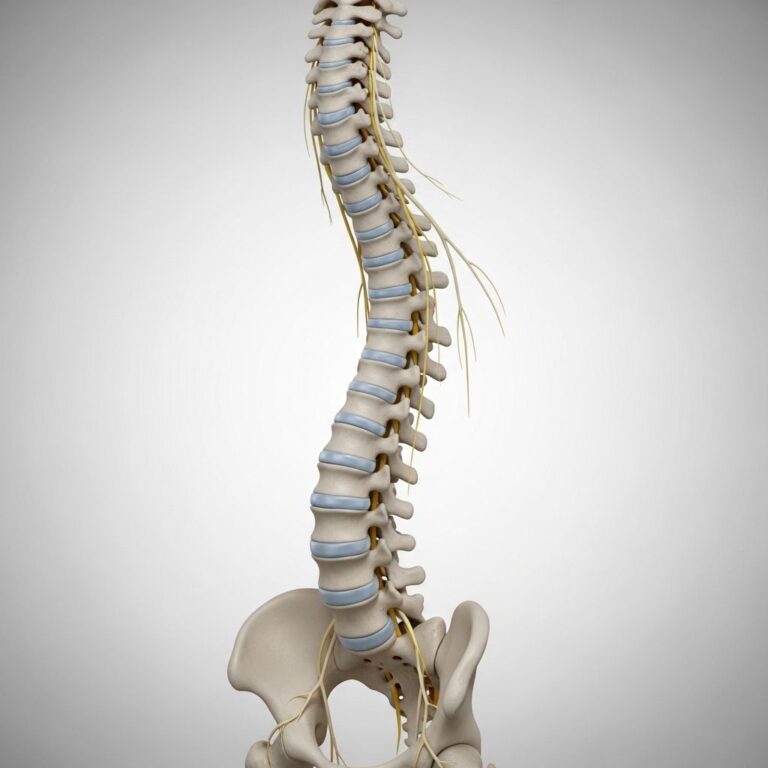
Neurological conditions: Parkinson’s disease, multiple sclerosis, spinal cord injuries, and other neurological disorders interfere with nerve signals necessary for erection. Prostate surgery or radiation therapy can damage nerves controlling erectile function.
Related Stories



Medication side effects: Certain medications commonly used to treat other conditions paradoxically impair erectile function. Notably, antidepressant medications show particularly strong associations with ED—men using antidepressants demonstrate over three times the odds of moderate-to-severe erectile dysfunction. Blood pressure medications, antihistamines, and other drugs may similarly affect sexual function.
Substance use: Chronic alcohol consumption, tobacco use, and recreational drug abuse damage vascular and nervous system function essential for erections.
Psychological Factors
Mental health significantly influences erectile function. Depression and anxiety show strong associations with ED risk. Performance anxiety—worry about sexual performance itself—can create a self-perpetuating cycle where anxiety prevents adequate erections, reinforcing fear about future performance. Stress, relationship difficulties, grief, and trauma commonly contribute to erectile dysfunction. Interestingly, married or partnered men demonstrate 65% lower odds of ED compared to single men, suggesting relationship factors influence sexual function.
Lifestyle Factors
Sedentary lifestyle, poor diet, obesity, and sleep deprivation impair erectile function through multiple pathways. Tobacco use restricts blood vessels and damages vascular endothelium. Excessive alcohol consumption and drug use interfere with neurological signaling and hormone production necessary for erections.
Risk Factors and Prevention
Certain factors increase erectile dysfunction risk and may be modifiable through lifestyle intervention:
- Age (risk increases significantly after age 50)
- Smoking and tobacco use
- Excessive alcohol consumption
- Sedentary lifestyle and physical inactivity
- Obesity and weight gain
- Poorly controlled diabetes or hypertension
- Chronic stress and anxiety
- Depression and other mental health conditions
- Relationship difficulties or sexual dissatisfaction
Prevention strategies focus on addressing modifiable risk factors: maintaining regular physical exercise, achieving healthy weight, managing stress through relaxation techniques or therapy, limiting alcohol consumption, avoiding tobacco and recreational drugs, eating a heart-healthy diet rich in fruits and vegetables, and managing chronic medical conditions effectively. Research suggests that flavonoid-rich foods including blueberries, citrus fruits, and red wine may be associated with reduced erectile dysfunction risk.
Diagnostic Evaluation
Medical evaluation for erectile dysfunction typically begins with a thorough history and physical examination. Physicians ask about ED onset, duration, severity, and relationship to specific situations. They assess associated symptoms suggesting underlying conditions like diabetes, cardiovascular disease, or hormonal abnormalities.
The International Index of Erectile Function-5 (IIEF-5) scale standardizes ED severity assessment, with scores categorizing function as normal, mild, mild-to-moderate, moderate, or severe. Laboratory testing may include blood glucose, lipid panel, testosterone levels, and other hormone assessments. Cardiovascular evaluation using stress testing or other imaging may be warranted if underlying heart disease is suspected. Specialized testing like penile ultrasound or nocturnal penile tumescence monitoring is rarely necessary but occasionally helps distinguish physical from psychological causes.
Treatment Options
Oral Medications
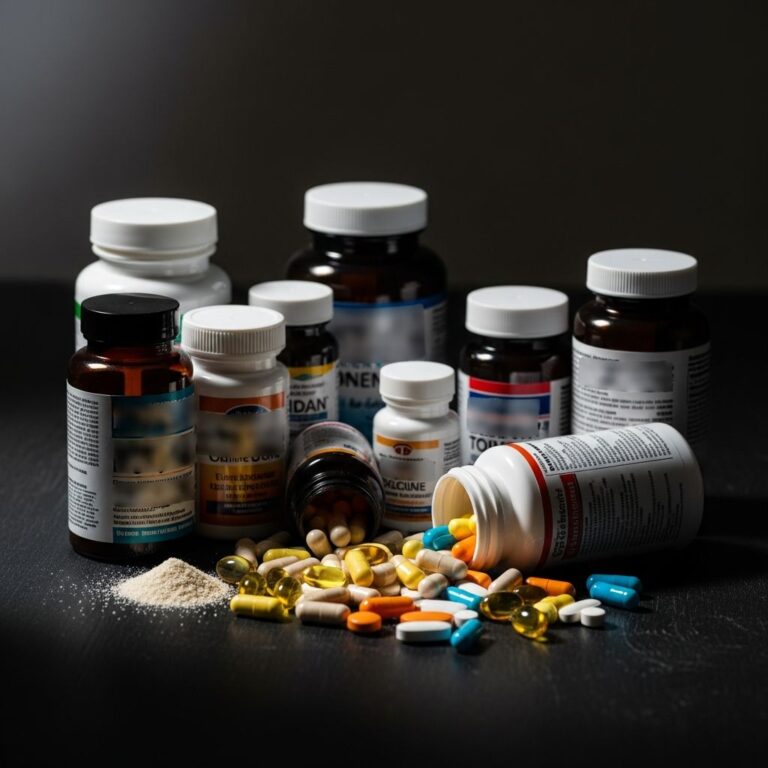
Phosphodiesterase-5 (PDE-5) inhibitors represent the first-line pharmacological treatment for erectile dysfunction. These medications—including sildenafil (Viagra), tadalafil (Cialis), vardenafil (Levitra), and avanafil (Stendra)—work by relaxing smooth muscle cells and widening blood vessels supplying the penis, enhancing blood flow during sexual arousal. Importantly, these drugs do not automatically produce erections; rather, they facilitate erections in response to sexual stimulation.
Oral medications work effectively in approximately 70% of men with erectile dysfunction. Side effects may include headaches, flushing, indigestion, nasal congestion, and back pain, though these typically prove mild and tolerable. These medications should not be combined with nitrate drugs (used for heart conditions) or alpha-blockers, as dangerous blood pressure drops may occur. Men with severe heart disease require careful medical evaluation before using these medications.
Differences between available oral medications primarily involve onset time and duration. Sildenafil typically begins working within 30–60 minutes and lasts 3–5 hours. Tadalafil works within 16–45 minutes and remains effective for up to 36 hours. Vardenafil shows similar timing to sildenafil. Avanafil represents the newest option with quickest onset (12–30 minutes) and intermediate duration.
Injectable Medications
For men whose erectile dysfunction doesn’t respond to oral medications—affecting approximately 30% of treatment-seeking men—injectable alprostadil (Caverject, Edex) offers an effective alternative. This medication is injected directly into the penile shaft, where it widens blood vessels and relaxes smooth muscle, creating an erection within 5–20 minutes lasting 30–60 minutes.
Injectable medications prove highly effective, with success rates of 70–90% regardless of ED cause, making them particularly valuable for men with ED from prostate surgery or other specific causes. While some men initially hesitate about needle injection, most find the process acceptable and appreciate the high efficacy. Potential complications include injection site pain, hematoma formation, or priapism (prolonged erection requiring emergency medical treatment). Men must receive proper training in injection technique and dosing.
Urethral Pellets
The medicated urethral system for erection (MUSE) involves inserting a small alprostadil pellet into the urethral opening, where it is absorbed through the urethral wall. This approach creates an erection within 10 minutes that lasts up to an hour. However, MUSE demonstrates lower effectiveness—approximately 30% in men with various ED causes—and produces less rigid erections compared to other treatments. Additionally, some men experience urethral pain or irritation. MUSE remains an option for select patients but generally proves less satisfactory than other alternatives.
Vacuum Erection Devices
Vacuum constriction devices (penis pumps) provide a non-pharmacological approach to achieving erections. These mechanical devices create negative pressure around the penis, drawing blood into penile tissues and producing erection. A constricting ring placed around the base maintains erection by preventing blood outflow. Vacuum devices prove effective in 60–80% of men regardless of ED cause and are particularly useful for men unable or unwilling to use medications. They require proper technique and timing but carry minimal side effects beyond occasional bruising or discomfort.
Penile Implants
For men failing other treatments or preferring surgical solutions, penile prostheses offer a permanent option. These devices involve surgical implantation of inflatable tubes within the penis, controlled by a small pump placed in the scrotum. Pressing the pump transfers fluid into the tubes, creating and maintaining erections for as long as desired. The implant produces completely rigid erections and provides excellent satisfaction rates exceeding 90% in appropriately selected candidates.
However, penile implants require invasive surgery with associated risks including infection, mechanical failure, or erosion through penile tissue. Additionally, implantation alters normal erectile anatomy such that oral medications and injections no longer function afterward. Implants remain reserved for men exhausting other options or those with severe ED from specific causes like spinal cord injury.
Lifestyle Modifications and Counseling
Addressing modifiable risk factors often improves erectile function substantially without pharmacological intervention. Weight loss, smoking cessation, increased physical activity, stress reduction, and improved sleep quality enhance sexual function. Couples counseling or sex therapy helps couples address relationship issues, communication problems, or performance anxiety contributing to ED. For men with ED related primarily to psychological factors, psychotherapy with a trained sex therapist proves particularly beneficial.
Dietary improvements, particularly increased consumption of fruits, vegetables, and whole grains, support cardiovascular health underlying erectile function. Limiting alcohol and eliminating recreational drugs remove substances impairing sexual function.
When to Seek Medical Attention
Men should consult healthcare providers if experiencing persistent erectile difficulties affecting sexual satisfaction, sudden onset of ED (suggesting acute medical illness), ED associated with other symptoms like chest pain or shortness of breath, or ED coinciding with medication changes. Early evaluation enables identification of underlying conditions requiring treatment while maximizing treatment effectiveness.
Frequently Asked Questions
Q: Is erectile dysfunction a normal part of aging?
A: While ED becomes more common with age, it is not an inevitable consequence of aging. Many older men maintain normal erectile function, and medical treatments can effectively restore function in most men experiencing age-related ED.
Q: Can erectile dysfunction indicate serious health problems?
A: Yes, ED often signals underlying cardiovascular disease, diabetes, or other significant medical conditions. Medical evaluation helps identify these problems, enabling appropriate treatment that benefits overall health.
Q: Do erectile dysfunction medications work for everyone?
A: Oral medications work for approximately 70% of men, leaving 30% who may benefit from alternative treatments like injections, vacuum devices, or implants. The decision to medicate should be carefully considered with a physician and varies among individual patients.
Q: Can lifestyle changes alone treat erectile dysfunction?
A: For some men, particularly those with ED from modifiable lifestyle factors, addressing weight, exercise, smoking, and stress proves sufficient. Others require pharmacological treatment, though combining lifestyle changes with medications often produces optimal results.
Q: Are there natural remedies for erectile dysfunction?
A: While certain foods and supplements are promoted for sexual function, evidence for most remains limited. Maintaining overall cardiovascular health through proper diet and exercise supports erectile function. Always discuss supplements with healthcare providers before use.
Q: How do different oral medications compare?
A: All PDE-5 inhibitors work similarly by increasing blood flow, with comparable effectiveness around 70% and similar side effects. Primary differences involve onset time and duration, allowing selection based on individual preferences and usage patterns.
References
- Harvard Health Publications: Erectile Dysfunction Medications — Harvard Medical School. 2003. https://www.biospace.com/b-harvard-health-publications-b-release-two-new-erectile-dysfunction-drugs-how-they-measure-up-against-viagra
- Erectile Dysfunction in a Sample of Sexually Active Young Adult Men from a US Cohort: Demographic, Metabolic, and Mental Health Correlates — Jerel P. Calzo et al., Journal of Sexual Medicine. 2021-01-01. https://pubmed.ncbi.nlm.nih.gov/33390263
- When Drugs for Erectile Dysfunction Don’t Work: What’s Next? — Harvard Men’s Health Watch, Harvard Medical School. 2013-02-01. https://www.health.harvard.edu
- Blueberries, Citrus Fruits and Red Wine Associated with Reduced Erectile Dysfunction Risk — University of East Anglia Research. 2016-07-13. https://www.eurekalert.org/news-releases/708984
Similar Articles








Read full bio of medha deb