Er:YAG Laser Treatment: Safe, Fast Recovery Guide
Advanced ablative laser therapy for skin rejuvenation, wrinkle reduction, scar treatment, and pigmentation correction.
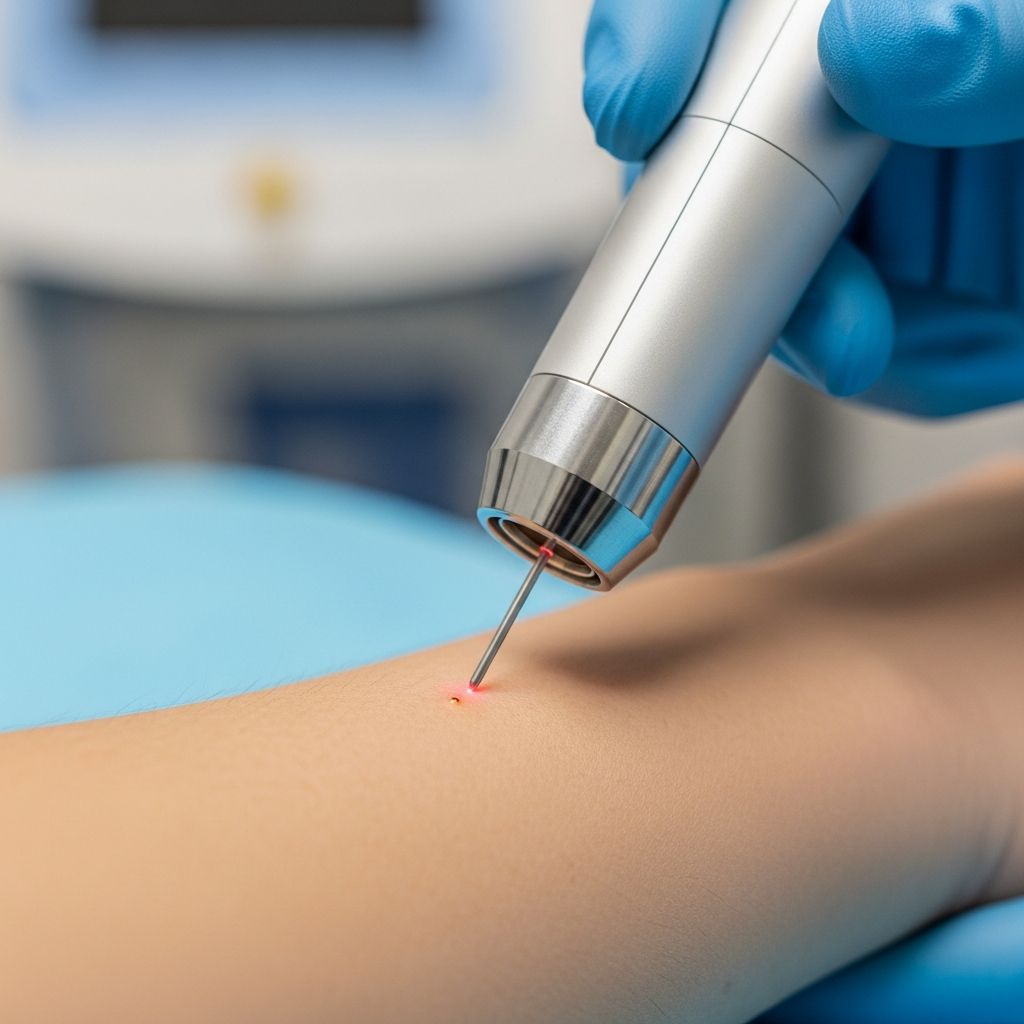
Erbium-doped yttrium aluminium garnet (**Er:YAG**) laser is an ablative laser (ie, it removes the outer layers of skin) that delivers light at a wavelength of 2940 nm, optimally absorbed by water in the epidermis and dermis, enabling precise tissue vaporization with minimal residual thermal damage.
What is the Er:YAG laser?
The Er:YAG laser emits high-energy light at 2940 nm, targeting water molecules in skin tissue for controlled ablation. Unlike CO2 lasers, it causes less collateral thermal injury, promoting faster healing and reduced erythema duration.
This laser operates in pulsed mode, vaporizing 10–40 μm of tissue per pulse, ideal for superficial resurfacing. It stimulates dermal collagen remodeling, improving skin texture, laxity, and rhytids.
What is the mechanism of action of the Er:YAG laser?
The laser’s 2940 nm wavelength is at water’s absorption peak, causing rapid heating and vaporization of epidermal and dermal water content. Epidermal ablation occurs with minimal thermal diffusion (20–50 μm), followed by re-epithelialization from adnexal structures within 4–7 days.
Sub-ablative thermal effects in dermis induce fibroblast activation and new collagen synthesis, peaking at 3–6 months post-treatment, reducing fine wrinkles and scars.
What skin conditions are treated with Er:YAG laser?
Er:YAG laser effectively manages:
- Photoageing: Fine to moderate rhytids, dyschromia, coarse texture, laxity (Fitzpatrick I–IV).
- Acne scarring: Atrophic scars via resurfacing and collagen stimulation.
- Other scars: Surgical, traumatic; improves texture and depth.
- Pigmentation disorders: Solar lentigines, ephelides, melasma, postinflammatory hyperpigmentation.
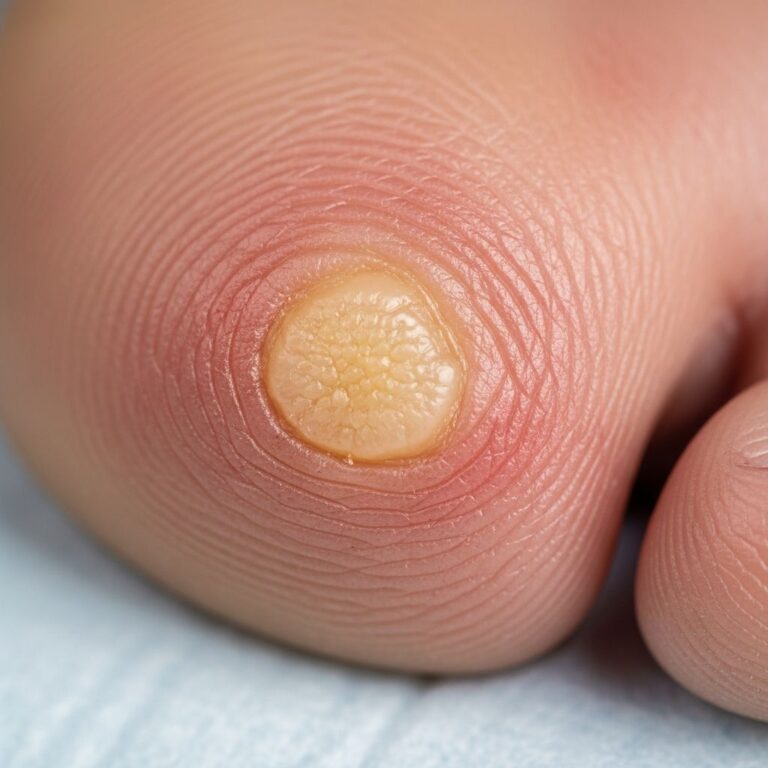
- Benign lesions: Seborrhoeic keratoses, viral warts, actinic keratoses.
- Malignant lesions: Superficial basal cell carcinoma, squamous cell carcinoma in situ.
- Rhytides: Periorbital, perioral wrinkles show 50–70% improvement.
How is Er:YAG laser resurfacing performed?
Pre-treatment preparation
Patients apply topical retinoids (weeks prior), hydroquinone (for pigmentation), and antiviral prophylaxis (if herpes history). Avoid sun exposure; smoking cessation recommended. Fitzpatrick IV–VI types require test spots.
Anesthesia
Full-face: Nerve blocks + topical lidocaine; regional or general for extensive areas. Spot treatments often need only topical.
Laser technique
Spot treatment: 10 μm depth, 10–40 Hz for lesions.
Full-field resurfacing:
- Periocular: 5–15 J/cm², single pass.
- Perioral/cheeks: 15–25 J/cm², 1–2 passes.
- Full face: Conservative parameters for darker types.
Computer-patterned or scanned delivery ensures uniformity. Endpoint: Pinpoint bleeding for dermal endpoints.
What is the recovery after Er:YAG laser?
Post-treatment: Oozing for 24–48h, then soaks (dilute vinegar). Re-epithelialization: 5–10 days. Erythema fades 1–3 months (shorter than CO2).
Timeline:
- Days 1–2: Wound care, antivirals/antibiotics.
- Weeks 1–2: Occlusive dressings optional.
- Weeks 3–8: Collagen increase visible.
What are possible side effects from Er:YAG laser?
Common: Erythema (1–3 months), edema, crusting.
Rare: Infection (0.5–5%), hyperpigmentation (Fitzpatrick III–VI), milia, prolonged healing.
| Side Effect | Incidence | Management |
|---|---|---|
| Erythema | 100% initially | Sun avoidance, topicals |
| Hyperpigmentation | 10–30% (darker skin) | Hydroquinone, time |
| Infection | <5% | Prophylaxis |
Contraindications
- Active infection, isotretinoin <12 months, poor wound healing (diabetes, smoking), keloid tendency.
- Relative: Fitzpatrick V–VI without test.
Comparison with CO2 laser
| Feature | Er:YAG | CO2 |
|---|---|---|
| Thermal damage | Minimal (20–50μm) | Significant (100–200μm) |
| Healing time | 5–10 days | 10–14 days |
| Erythema duration | 1–3 months | 3–6+ months |
| Efficacy (deep rhytids) | Moderate | Superior |
Related Stories



Er:YAG safer for darker skin, less downtime.
Frequently Asked Questions
Who is suitable for Er:YAG laser?
Fitzpatrick I–IV with mild-moderate photoageing, scars. Test patches for III–IV.
Is Er:YAG painful?
Mild discomfort; numbing creams/nerve blocks used.
How many sessions?
1–3 for resurfacing; lesions often single.
Downtime?
5–10 days re-epithelialization; social downtime 1–2 weeks.
Long-term results?
Collagen remodeling lasts 1–5 years; maintenance advised.
Clinical Outcomes
Studies show 50–80% wrinkle improvement at 3–6 months, with histological collagen increase. Ideal for periorbital/perioral rhytids.
For acne scars, multiple sessions yield 40–70% improvement. Pigmentation responds in 70–90% cases.
Patient Selection and Expectations
Best for younger patients with superficial damage. Manage expectations: not for deep rhytids (prefer CO2/fractional).
Sun protection post-treatment critical to prevent hyperpigmentation.
References
- Laser Erbium-Yag Resurfacing — Alster TS, Tanzi EL. StatPearls [Internet]. NCBI Bookshelf. 2023. https://www.ncbi.nlm.nih.gov/books/NBK560931/
- Laser resurfacing — Mayo Clinic. 2023. https://www.mayoclinic.org/tests-procedures/laser-resurfacing/about/pac-20385114
- Erbium: YAG Laser Resurfacing: What Is Its Role? — Hohenleutner U, et al. Aesthetic Surgery Journal. 1998-07-01. https://academic.oup.com/asj/article/18/4/255/191403
Similar Articles








Read full bio of Sneha Tete